Menu

Wet Carpet & Padding in Birmingham – Expert Diagnosis and Permanent Fixes

Our certified technicians identify the source of water intrusion, extract standing moisture from soaked carpeting and underlay, and restore your floors before mold takes hold in Birmingham homes.

Slider Image 1
Slider Image 2
Slider Image 3
Slider Image 4
Slider Image 5
Slider Image 7
Slider Image 8
Slider Image 9
Slider Image 10
Slider Image 11

Why Birmingham Carpets Stay Wet Longer Than They Should

You walk across your living room and feel it. The carpet squishes under your feet. The padding underneath holds water like a sponge. You pressed a towel down and it came back soaked. This is not a surface problem you can blot away.

Birmingham's humidity makes wet carpet problems worse. When outdoor air sits at 70 to 90 percent humidity from May through September, saturated carpet and cushion cannot dry on their own. The moisture migrates deeper into the padding, then into the subfloor. Within 24 to 48 hours, mold spores begin colonizing the damp fibers and underlayment.

Most homeowners do not realize that water damaged carpet and pad can stay wet for weeks if the source is not addressed. A slow leak under the bathroom vanity, a cracked washing machine hose, or a pinhole leak in the slab can flood carpet and underpad without you noticing until the smell starts.

The clay soil beneath Birmingham homes shifts with seasonal moisture changes. Foundation movement creates cracks in slab foundations. When a pipe breaks or groundwater seeps through those cracks, the flooded carpet and underpad can hold gallons of water you cannot see from the surface.

If you pull back the corner of the carpet and see discoloration on the padding or smell a musty odor, the damage is already progressing. Wet carpet underlayment does not dry from the top down. It requires extraction equipment that pulls water from the padding and subfloor, not just the surface fibers.

Why Birmingham Carpets Stay Wet Longer Than They Should
How We Extract Water from Carpet and Padding Correctly

How We Extract Water from Carpet and Padding Correctly

We do not throw fans on wet carpet and hope for the best. Our technicians use truck-mounted extraction units that generate 400 to 500 CFM of suction. These machines pull water from deep within the carpet fibers, through the padding, and out of the subfloor in one pass.

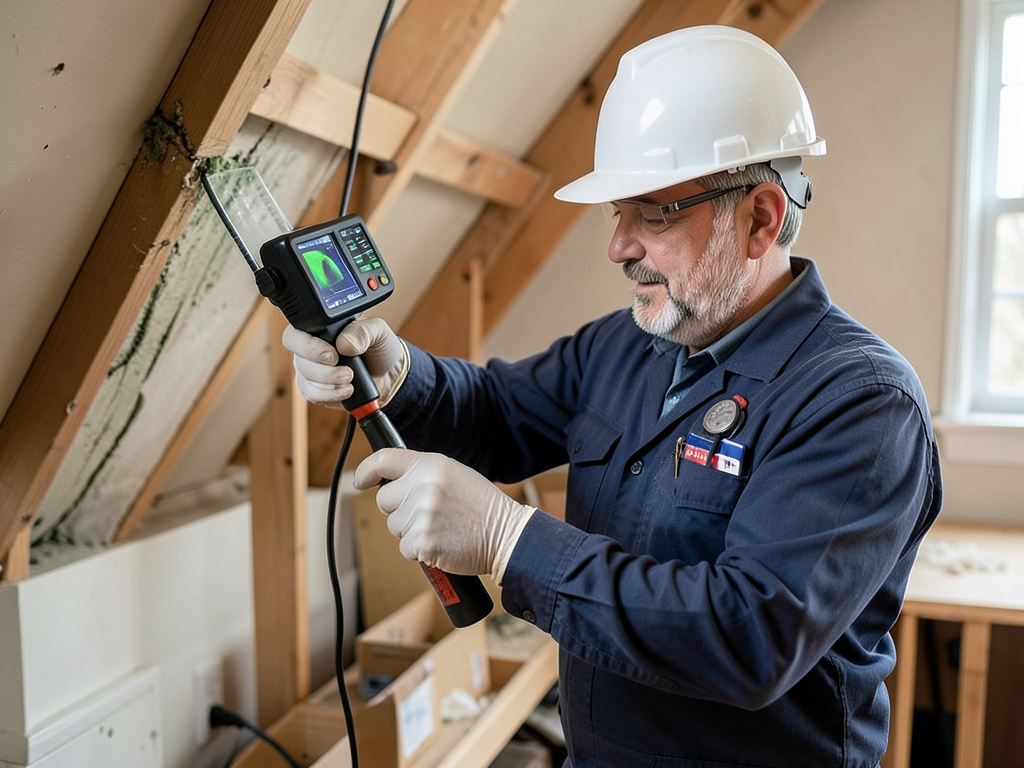
First, we identify the source. If you have soaked carpeting and underlay, water is coming from somewhere. We use thermal imaging cameras to trace moisture patterns through walls and under flooring. We check supply lines, drain pans, and foundation cracks. Stopping the source is step one. Extraction without source control is wasted effort.

Once the source is isolated, we pull the carpet back from the tack strips and lift it to access the padding. Saturated carpet and cushion must be treated separately. The padding usually holds three to four times more water than the carpet itself. We remove and dispose of padding that has absorbed contaminated water or started to delaminate.

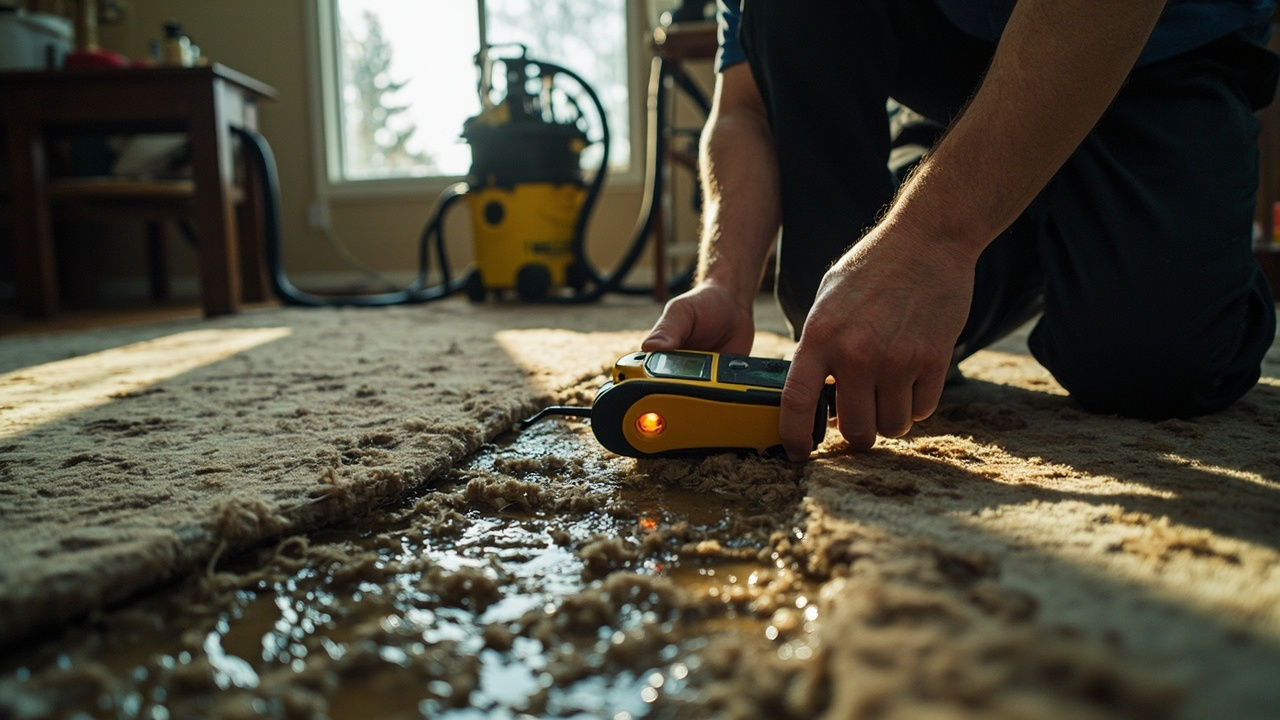
We extract the carpet in multiple passes, moving in overlapping patterns to ensure complete water removal. Between extraction passes, we use moisture meters to measure the carpet backing and subfloor. We are targeting readings below 15 percent moisture content before we consider the extraction phase complete.

After extraction, we deploy low-grain refrigerant dehumidifiers and high-velocity air movers. These units are positioned to create airflow across the carpet backing and subfloor surface. We monitor the drying process with daily moisture readings until the flooring system returns to baseline levels.

What Happens During Carpet Water Extraction

Wet Carpet & Padding in Birmingham – Expert Diagnosis and Permanent Fixes
01

Source Identification and Shutoff

We locate the water source using thermal imaging and moisture detection tools. Whether it is a leaking pipe, failed appliance hose, or foundation seepage, we stop the flow before starting extraction. This prevents recontamination and ensures your flooring stays dry after we leave. We document the source for insurance claims and provide a written assessment of the damage scope.
02

Carpet and Padding Separation

We pull the carpet back from the tack strips and roll it to expose the padding underneath. Wet carpet underlayment is inspected for contamination, delamination, and structural integrity. Padding that has absorbed category 2 or 3 water is removed and disposed of according to IICRC S500 standards. Clean padding is extracted separately using weighted extraction tools that compress the material during suction.
03

Controlled Drying and Monitoring

After extraction, we position dehumidifiers and air movers to create a controlled drying environment. We take moisture readings every 24 hours and adjust equipment placement based on the data. Drying is complete when moisture levels match the baseline readings from unaffected areas of your home. We reinstall the carpet with new padding and ensure tack strips are secure before final walkthrough and clearance testing.

Why Birmingham Homeowners Choose Local Water Damage Experts

You need a team that understands how Birmingham homes are built. Most residential flooring in the metro area sits on concrete slab foundations. When water damaged carpet and pad occurs on a slab, the moisture has nowhere to go but into the concrete. Concrete is porous. It absorbs water and holds it for weeks if not dried properly.

National franchise operations send technicians who follow a checklist. They do not account for the high water tables in areas near the Cahaba River or the seasonal flooding risks in neighborhoods like Roebuck and Ensley. We have restored flooring in homes across Jefferson and Shelby counties. We know which subdivisions have recurring slab leak issues and which older homes in Crestwood and Forest Park have pier and beam construction that requires crawl space drying.

We work directly with Birmingham adjusters from State Farm, Allstate, and Farmers. We provide documentation that meets their standards and speeds up your claim. Most claims require moisture mapping, photo documentation, and drying logs. We include this in every job at no extra charge.

Our drying equipment is calibrated for Alabama's climate. We adjust dehumidifier grain depression based on outdoor humidity levels. In July, when outdoor air sits at 75 grains per pound, we cannot just open windows and expect airflow to dry your floors. We create a closed drying environment and control the variables.

We are available when you need us. Most water damage happens at night or on weekends. A washing machine hose bursts at 2 a.m., or you come home from vacation to find soaked carpeting and underlay in the hallway. We answer the phone and dispatch a truck within 90 minutes anywhere in the Birmingham metro.

What You Can Expect from Start to Finish

Response Time and Availability

We answer emergency calls 24 hours a day. When you call, you speak to a dispatcher who logs your information and sends a crew immediately. Our average response time is 90 minutes for Birmingham city limits and surrounding areas including Homewood, Mountain Brook, Vestavia Hills, and Hoover. We arrive with extraction equipment already loaded. Our trucks carry enough hose to reach any room in your home without dragging equipment through dry areas. We start work as soon as you approve the scope.

Initial Assessment and Moisture Mapping

We walk through the affected areas with moisture meters and thermal cameras. We test the carpet, padding, and subfloor in multiple locations to map the extent of saturation. We document every reading and photograph the damage for your records and insurance claim. We explain what we find in plain language and show you the moisture readings on the meter screen. You receive a written scope of work before we start extraction. We do not proceed until you understand what needs to be done and why.

Drying Results and Verification

We do not remove equipment until moisture readings confirm drying is complete. Our technicians return daily to take readings and adjust equipment placement. When the subfloor and carpet backing reach acceptable moisture levels, we verify the results with a final inspection. You receive a drying log that documents the moisture levels at each stage of the process. This log serves as proof of proper mitigation for insurance purposes and provides documentation that the affected areas have been restored to pre-loss condition.

Post-Restoration Monitoring and Prevention

After we reinstall the carpet and padding, we provide guidance on preventing future water damage. We inspect supply lines, drain pans, and plumbing fixtures in the affected area. If we identified a systemic issue like recurring condensation or a foundation crack, we provide recommendations for permanent repairs. We follow up with you one week after completion to confirm no new moisture has appeared. If you detect any issues within 30 days, we return to reassess at no charge. Our goal is to leave your home dry and keep it that way.

Frequently Asked Questions

You Have Questions,
We Have Answers

Is carpet padding ruined if it gets wet? +

Yes, most carpet padding is ruined once saturated. Standard foam and rebond padding absorb water like a sponge and break down quickly. The material loses structural integrity, crumbles, and becomes a breeding ground for mold within 24 to 48 hours. Birmingham's high humidity accelerates this process. Even if the surface carpet dries, wet padding underneath stays damp and promotes microbial growth. Padding is inexpensive compared to carpet, so professionals remove and replace it during water damage restoration. Trying to save soaked padding usually leads to odor and health problems down the line.

How to dry out wet carpet padding? +

Pull back the carpet and remove the padding immediately. Use a wet vacuum to extract standing water, then position commercial air movers and dehumidifiers to dry the subfloor. Padding itself rarely dries properly because it traps moisture in its foam cells. Birmingham's humidity makes air drying nearly impossible without professional equipment. If you attempt DIY drying, you need multiple high-velocity fans and a dehumidifier running for 48 to 72 hours. Even then, hidden moisture pockets remain. Most water damage professionals remove padding entirely because replacement costs less than the mold remediation you will face later.

How long can carpet be wet before it is ruined? +

Carpet can survive 24 to 48 hours if you act fast. After 48 hours, mold spores germinate and bacterial growth accelerates. The type of water matters. Clean water from a supply line gives you more time than sewage backup. Birmingham's warm climate shortens this window. Carpet fibers themselves can be saved if dried quickly, but the padding underneath usually fails first. Once mold colonizes the backing or padding, the carpet is compromised. You will smell it before you see it. Speed is everything. Professional extraction and drying within the first 24 hours gives you the best chance.

Can mold grow under carpet padding? +

Yes, mold thrives under carpet padding. The padding creates a dark, damp environment perfect for spore germination. Mold feeds on organic materials in the padding adhesive, carpet backing, and any dirt trapped in the fibers. Birmingham's humidity keeps moisture levels high even after surface drying. You cannot see mold growing underneath until it spreads to visible areas or produces odor. By then, contamination is widespread. Testing often reveals multiple mold species, including black mold. This is why professionals remove padding after water damage. Leaving wet padding guarantees mold growth within 48 to 72 hours.

How quickly can mold grow under wet carpet? +

Mold can grow under wet carpet in 24 to 48 hours if conditions are right. Birmingham's warm temperatures and high humidity create ideal conditions year-round. Spores are always present in the air. They just need moisture, warmth, and an organic food source to colonize. Carpet padding and backing provide all three. The first 24 hours are critical. If you dry the carpet and subfloor completely within that window, you can prevent growth. After 48 hours, assume mold has started. By 72 hours, you will likely smell the musty odor that signals active colonies underneath.

What does moldy carpet padding look like? +

Moldy carpet padding shows black, green, or white spots and patches. The foam crumbles when you touch it and releases a musty, earthy smell. You may see discoloration on the underside of the carpet or dark staining on the subfloor. Sometimes the padding feels slimy or has a fuzzy texture. Birmingham homes with crawl spaces or slab foundations often show darker staining along edges where moisture wicks up. If you peel back carpet and see any discoloration or smell mildew, assume mold contamination. Padding is porous, so surface growth indicates deeper penetration.

Will wet carpet dry on its own? +

No, wet carpet will not dry properly on its own in Birmingham. High humidity slows evaporation, and trapped moisture in the padding creates perfect conditions for mold. Surface fibers may feel dry while the backing and padding stay soaked. Without air movement and dehumidification, you are just waiting for microbial growth. Even in dry climates, carpet needs professional extraction and drying equipment. Fans alone do not remove enough moisture. The padding acts as a moisture reservoir, wicking water back into the carpet fibers. You need to pull the carpet, remove padding, and dry the subfloor with commercial equipment.

What are signs of mold in carpet? +

Signs of mold in carpet include musty odor, visible discoloration, and allergy symptoms like sneezing or coughing. You may see dark spots or fuzzy patches on the carpet surface or backing. The carpet feels damp or clammy even days after water exposure. Birmingham residents often notice worsening allergies or respiratory irritation when mold colonizes carpet. Check along baseboards and in corners where moisture accumulates. If you smell mildew but see nothing, mold is likely growing in the padding or subfloor underneath. Discoloration that spreads over time confirms active growth. Do not ignore persistent odors.

How long to let baking soda sit on wet carpet? +

Baking soda does not dry wet carpet. It absorbs some surface moisture and odor but does nothing for saturated padding or subfloor. If you use it, leave it for 24 hours, then vacuum. However, baking soda is a temporary fix for minor spills, not water damage. Birmingham's humidity means wet carpet needs mechanical drying with air movers and dehumidifiers. Baking soda creates a false sense of progress while mold grows underneath. If your carpet is soaked from a leak or flood, skip home remedies and call a water damage professional. You need extraction and structural drying, not pantry products.

What kills mold in wet carpet? +

Nothing kills mold in wet carpet effectively enough to make it safe. Bleach does not penetrate carpet fibers or padding and often just bleaches the color while leaving live spores. Antimicrobial treatments require complete drying first. If mold has colonized the padding or backing, the carpet must be removed. Professionals use HEPA vacuums, antimicrobial foggers, and complete material removal for contaminated areas. Birmingham's climate means any remaining moisture will restart growth. The EPA recommends discarding porous materials like carpet and padding after mold contamination. Cleaning attempts usually fail and expose you to harmful spores during the process.

How Birmingham's Clay Soil and Humidity Impact Wet Carpet Emergencies

Birmingham sits on expansive clay soil that swells when wet and shrinks when dry. This seasonal movement creates stress on slab foundations, leading to hairline cracks that allow groundwater seepage. When heavy rain saturates the soil in spring and summer, hydrostatic pressure forces water through these cracks and floods carpet and underpad from below. The outdoor humidity compounds the problem. With humidity averaging 85 percent from June through August, wet carpet underlayment cannot evaporate naturally. The moisture stays trapped in the padding and migrates into the subfloor, creating ideal conditions for mold growth within 48 hours.

We have been restoring water damaged carpet and pad in Birmingham homes for years. We understand the building codes for moisture barriers in slab construction and the requirements for vapor retarders under finished flooring. Our technicians are trained to identify foundation-related water intrusion and differentiate it from plumbing failures or appliance leaks. When you hire a local team, you work with professionals who know the unique challenges of Birmingham's climate and construction methods. We do not apply generic solutions. We tailor our drying protocols to match the specific conditions in your home and neighborhood.
Water Damage Restoration Services in The Birmingham Area

Grand Water Damage Restoration is proud to serve the entire Birmingham area. Our convenient location ensures we can respond to your emergency needs with speed and efficiency. Whether you're a homeowner or business owner, we’re ready to bring our expertise directly to you. View our service area on the map to see how we can provide prompt, professional assistance and restore your property quickly and effectively.

Address:
Grand Water Damage Restoration Birmingham, 401 7th St N, Birmingham, AL, 35203

Additional Services We Offer

Our news updates

Latest Articles & News from The Blogs

Comparing Interior vs Exterior Waterproofing for Your Central Park Basement Living in Central Park means dealing with Birmingham’s heavy rainfall…

Comparing Interior vs Exterior Waterproofing for Your Central Park Basement

Comparing Interior vs Exterior Waterproofing for Your Central Park Basement Living in Central Park means dealing with Birmingham’s heavy rainfall…

Keeping Your Rising West Princeton Home Theater Dry and Mold Free

Keeping Your Rising West Princeton Home Theater Dry and Mold Free Birmingham’s humid subtropical climate creates unique challenges for home…

How High Humidity and Birmingham Pollen Create the Perfect Storm for Attic Mold in Airport Highlands

How High Humidity and Birmingham Pollen Create the Perfect Storm for Attic Mold in Airport Highlands Airport Highlands homeowners face…

Contact Us

Wet carpet does not dry on its own in Birmingham's humid climate. Every hour you wait increases the risk of permanent damage and mold contamination. Call Grand Water Damage Restoration Birmingham now at (659) 234-8188 for immediate dispatch and expert water extraction.