Menu

Water Stains on Drywall in Birmingham – Expert Diagnosis Stops Hidden Mold and Structural Damage

We identify the true source behind brown water spots on walls and moisture discoloration on sheetrock, then fix it right the first time so you avoid repeat damage and costly mold remediation in Birmingham's humid climate.

Slider Image 1
Slider Image 2
Slider Image 3
Slider Image 4
Slider Image 5
Slider Image 7
Slider Image 8
Slider Image 9
Slider Image 10
Slider Image 11

Why Birmingham Homes Get Water Stains on Drywall

You notice yellow stains on drywall in your upstairs bedroom. Or wet patches on plasterboard near the bathroom. Or brown water spots on walls that seem to grow every time it rains. You are not imagining it. Birmingham's humid subtropical climate, combined with our frequent thunderstorms and high water tables, creates the perfect conditions for moisture infiltration.

The problem is rarely just cosmetic. Water marks on ceiling surfaces signal active leaks above. Those yellow or brown discolorations mean water has already soaked through insulation, framing, or roofing materials. In Birmingham's older neighborhoods like Forest Park and Crestwood, homes with original plumbing and aging roof systems are especially vulnerable. Even newer construction in areas like Inverness and Greystone can develop issues when builder-grade materials meet our region's moisture load.

Moisture discoloration on sheetrock does not appear overnight. By the time you see it, water has been penetrating building materials for days or weeks. The drywall itself absorbs moisture like a sponge, creating an ideal environment for mold growth within 24 to 48 hours. Behind that stain, wood studs may be swelling, electrical wiring could be compromised, and insulation is losing R-value.

Birmingham homes also face foundation settlement from our expansive clay soils, which shifts structures and cracks plumbing connections. A slow leak from a second-floor bathroom can travel down wall cavities and appear as staining on first-floor ceilings. The visible damage is just the entry point to a much larger problem.

Why Birmingham Homes Get Water Stains on Drywall
How We Diagnose and Fix Water Stains the Right Way

How We Diagnose and Fix Water Stains the Right Way

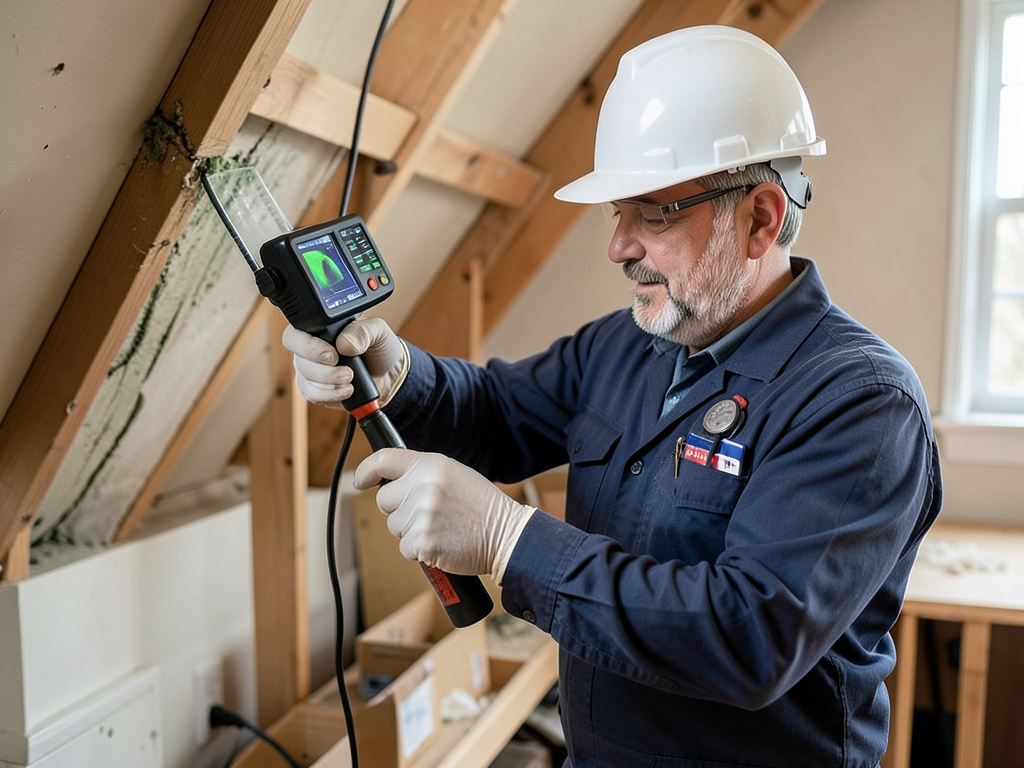
Most contractors see water stains on drywall and immediately suggest patching and repainting. That fixes nothing. We use thermal imaging cameras and moisture meters to trace the water source, whether it originates from roof penetrations, leaking supply lines, or condensation from HVAC systems. This is diagnostic work, not guesswork.

Once we locate the source, we document the extent of saturation using pin-type and pinless moisture meters. Drywall reads dry at 0 to 1 percent moisture content. Anything above 1 percent indicates active moisture. Readings above 5 percent mean the material must be removed and replaced. We check adjacent wall cavities, ceiling joists, and subfloor materials to map the full damage zone.

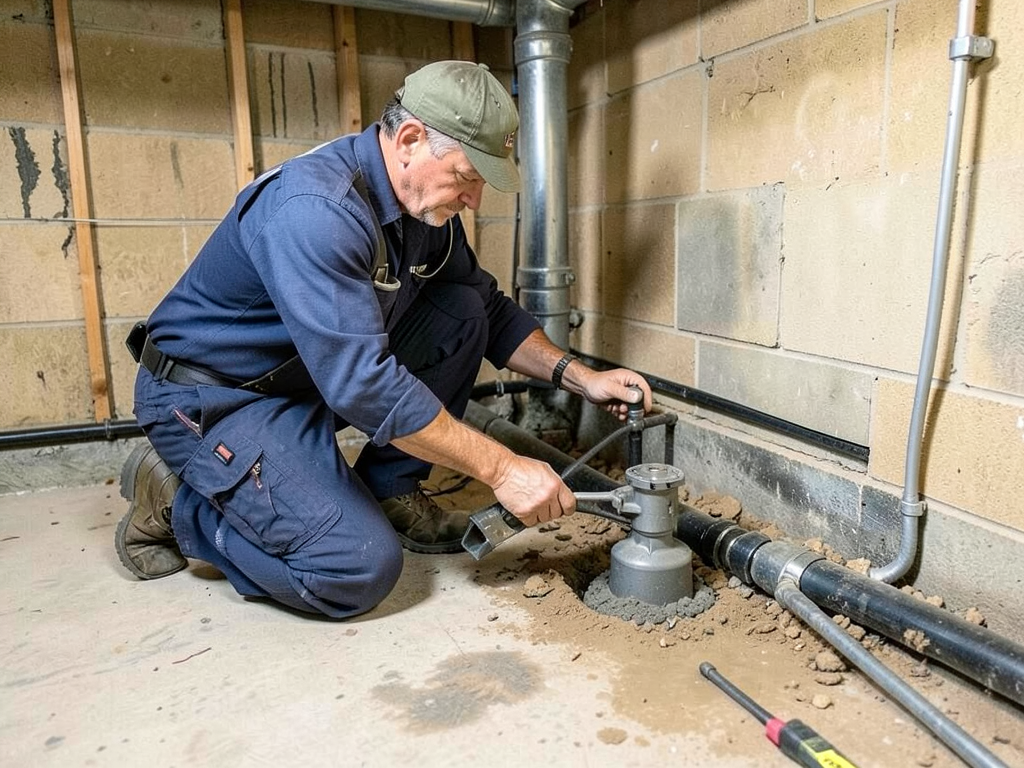
For roof leaks, we inspect attic spaces for compromised underlayment, damaged flashing around chimneys or vent pipes, and missing shingles. For plumbing issues, we pressure-test supply lines and inspect drain assemblies. HVAC condensation problems require checking drain pan integrity and condensate line routing. Each source demands a different repair protocol.

After stopping the water intrusion, we remove affected drywall and insulation. Structural framing gets dried using commercial air movers and dehumidifiers until moisture content drops below 15 percent. We apply antimicrobial treatments to framing members if mold is present. Then we rebuild using mold-resistant drywall in moisture-prone areas like bathrooms and kitchens.

Grand Water Damage Restoration Birmingham does not hide problems behind fresh paint. We eliminate the cause, dry the structure properly, and restore building materials to pre-loss condition. That is how you prevent recurrence.

What Happens During Your Water Stain Assessment

Water Stains on Drywall in Birmingham – Expert Diagnosis Stops Hidden Mold and Structural Damage
01

Source Identification

We use infrared thermal imaging to detect temperature variations behind walls and ceilings, revealing hidden moisture pathways. Moisture meters measure exact saturation levels in drywall, studs, and insulation. We trace the water back to its origin, whether roof, plumbing, or HVAC condensate. You get a written report identifying the exact cause and affected materials before any demolition begins.
02

Containment and Drying

After stopping the active leak, we set up containment barriers to isolate affected areas from clean spaces. Commercial dehumidifiers and air movers run continuously to pull moisture from structural materials. We monitor daily moisture readings until wood framing drops below 15 percent and concrete below 4 percent. This phase takes three to five days depending on saturation depth and ambient humidity.
03

Rebuild and Restoration

Once framing is dry and treated, we install new insulation and mold-resistant drywall. Seams get taped, mudded, and sanded smooth. We prime all new drywall with stain-blocking primer to prevent tannin bleed-through. Final paint matching ensures seamless blending with existing walls. You get documentation showing moisture levels at completion, giving you proof the structure is dry and safe.

Why Birmingham Residents Choose Local Water Damage Experts

Birmingham's building stock ranges from early 1900s bungalows in Highland Park to modern subdivisions in Hoover and Vestavia Hills. Each era has unique vulnerabilities. Older homes have galvanized plumbing prone to corrosion. Mid-century ranch homes often have undersized HVAC systems that create condensation issues. Newer homes may have improperly installed vapor barriers or inadequate attic ventilation.

Grand Water Damage Restoration Birmingham knows these systems because we work in them daily. We understand how Birmingham's clay soil affects foundation drainage and how our thunderstorm patterns stress roofing systems. We know which local suppliers stock mold-resistant materials and which subcontractors meet our quality standards.

When you call a national franchise, you get a call center and a subcontracted crew. When you call us, you get technicians who live in Jefferson County and respond from locations within Birmingham. We know the difference between water stains caused by roof leaks common in areas near Red Mountain and those caused by high water tables in low-lying neighborhoods near Valley Creek.

We also know local building codes and permit requirements. Some water damage repairs require permits, especially when electrical or plumbing systems are involved. We handle that paperwork and coordinate inspections so you stay compliant. We work directly with adjusters from State Farm, Allstate, and Nationwide, the carriers most common in Birmingham. We document everything they need to process your claim quickly.

Choosing local means faster response, better material knowledge, and technicians who understand Birmingham's specific moisture challenges. You get expertise, not a generic national playbook.

What to Expect When You Call Us

Response Time

We dispatch technicians within two hours for emergency water intrusion. For water stains that are not actively spreading, we schedule assessments within 24 hours. Our trucks carry thermal imaging cameras, moisture meters, and containment supplies so we can begin diagnostic work immediately. You get a written scope of work before any demolition starts, detailing the source, affected materials, and repair timeline. Most residential water stain repairs take five to seven days from initial assessment to final paint.

Diagnostic Assessment

We start with a visual inspection of the stained area and adjacent spaces. Thermal imaging identifies temperature anomalies indicating hidden moisture. Pin-type moisture meters give exact readings in drywall, while pinless meters scan large areas quickly. We check attic spaces, crawlspaces, and wall cavities to trace water pathways. If the source is unclear, we may use non-invasive camera inspection of plumbing lines. You receive photos, moisture readings, and a damage map showing all affected materials.

Quality of Work

We remove only damaged materials, preserving as much original structure as possible. Framing gets dried to IICRC S500 standards before rebuilding begins. We use mold-resistant drywall in bathrooms, kitchens, and other moisture-prone areas. Drywall finishing includes three coats of joint compound, sanding between each coat. Stain-blocking primer prevents bleed-through. Paint matching is done under natural light to ensure seamless color blending. Final walkthrough includes moisture readings proving the structure is dry.

Post-Repair Monitoring

We provide written documentation of all moisture readings at project completion. You get photos of the repair process from demolition through final finish. We recommend checking the repaired area after Birmingham's heavy spring rains to ensure the source repair is holding. If you see any new discoloration within the first year, we return to reassess at no charge. We also provide maintenance guidance specific to your home's age and construction type, helping you prevent future moisture problems.

Frequently Asked Questions

You Have Questions,
We Have Answers

How do you get water stains out of drywall? +

You cannot simply remove water stains from drywall without addressing the moisture source first. Stop the leak or moisture intrusion, then dry the area completely using fans and dehumidifiers. Once dry, seal the stain with a stain-blocking primer like Kilz or Zinsser BIN. This prevents bleed-through when you repaint. If the drywall feels soft, crumbles, or shows bubbling, you need to cut out the damaged section and replace it. Birmingham's high humidity means thorough drying is critical before any cosmetic fixes. Skipping the primer means the stain will reappear through fresh paint within weeks.

How to tell if water is leaking behind drywall? +

Look for discoloration or brown spots on walls, especially near baseboards or ceiling corners. Touch the drywall. If it feels spongy, soft, or cooler than surrounding areas, water is present. Check for bubbling paint, peeling texture, or visible swelling in the drywall surface. You may notice a musty odor even without visible staining. Birmingham's older homes often have plumbing hidden in walls, making leaks harder to detect. Use a moisture meter to confirm hidden water intrusion. If you see mold growth or dark streaks, the leak has been active for days or weeks.

Are water stains on walls bad? +

Yes. Water stains signal active or past moisture intrusion, which weakens drywall structural integrity and creates mold growth conditions. The stain itself is cosmetic, but the underlying moisture problem damages wood framing, insulation, and electrical wiring. Birmingham's humidity accelerates mold colonization once drywall gets wet. Ignoring water stains leads to expensive structural repairs, health risks from airborne spores, and decreased home value. Even if the leak stopped months ago, residual moisture trapped in wall cavities continues causing damage. Water stains are warning signs demanding immediate investigation and remediation, not cosmetic touch-ups.

Can I paint over water stained drywall? +

No. Painting over water stained drywall without prep work guarantees failure. The tannins and minerals in the water will bleed through standard paint within days, leaving yellow or brown shadows. First, you must dry the area completely, then apply a stain-blocking primer designed to seal water stains. Use oil-based or shellac-based primers for severe stains. If the drywall shows texture damage, bubbling, or softness, paint will not fix it. You need to replace the damaged section. Birmingham's moisture levels mean any trapped dampness under fresh paint will cause peeling and mold growth.

Is drywall ruined once it gets wet? +

Not always, but timing matters. Drywall exposed to clean water for less than 48 hours can sometimes be saved if dried quickly and thoroughly using professional equipment. Once mold starts growing or the paper facing delaminates, replacement is mandatory. Category 2 (gray water) or Category 3 (black water) contamination always requires removal for health reasons. Birmingham's heat and humidity accelerate deterioration, shortening the salvage window. If drywall feels crumbly, shows visible mold, or smells musty after drying, it must go. Insurance adjusters often require removal of any drywall wet for more than 72 hours.

Can water stains be removed from walls? +

Surface water stains can be treated with stain-blocking primer and paint, but only after eliminating the moisture source and drying the wall completely. The stain itself is sediment and tannins left behind after evaporation. Deep stains that penetrated multiple paint layers may require sanding before priming. If the drywall paper is damaged or the stain keeps reappearing despite primer, the drywall needs replacement. Birmingham residents dealing with roof leaks or plumbing failures often see recurring stains because trapped moisture in wall cavities continues migrating to the surface. Cosmetic fixes without moisture remediation fail every time.

How long can drywall be wet before mold? +

Mold spores begin colonizing wet drywall within 24 to 48 hours under the right conditions. Birmingham's average humidity above 70 percent accelerates this timeline. Temperature between 60 and 80 degrees, organic material in drywall paper, and standing moisture create ideal mold conditions. You may not see visible growth immediately, but microscopic colonization starts fast. By 72 hours, mold becomes established and difficult to remediate without removal. This is why emergency water extraction and drying within 24 hours is critical. Delaying professional drying equipment turns a manageable cleanup into a costly mold remediation and reconstruction project.

Does homeowners insurance cover water leaks in walls? +

It depends on the cause. Standard homeowners policies cover sudden and accidental water damage, like burst pipes or appliance malfunctions. They exclude gradual leaks from poor maintenance, such as slow plumbing drips or roof deterioration. Flash flooding requires separate flood insurance. Birmingham homeowners need to document the damage immediately with photos and call their insurer within 24 hours. Adjusters look for evidence the damage was sudden versus neglect. If you knew about a small leak and ignored it, your claim may be denied. Always address leaks immediately and keep maintenance records to support future claims.

How to tell if drywall is water damaged? +

Press the drywall with your hand. Water damaged drywall feels soft, spongy, or crumbles under pressure. Look for discoloration, brown or yellow staining, or dark streaks indicating mold. Paint may bubble, peel, or show texture irregularities. Check for visible swelling or warping along seams and corners. Use your nose. Musty odors mean hidden moisture and microbial growth. In Birmingham's humid climate, water damage progresses quickly. Measure with a moisture meter if available. Readings above 17 percent indicate wet drywall needing professional drying. Ignoring these signs allows structural damage to spread to framing and insulation.

Why do I have water marks on my walls but no leak? +

You likely have condensation from high indoor humidity, not an active leak. Birmingham's sticky summers cause moisture to condense on cool surfaces like exterior walls with poor insulation or air conditioning vents. This creates water marks without plumbing failure. Check your HVAC system for duct leaks or poor dehumidification. Roof condensation from attic ventilation issues also causes ceiling stains. Capillary action can pull ground moisture up through concrete slab foundations into walls. Use a dehumidifier and improve ventilation. If marks persist, hire a professional with thermal imaging to find hidden moisture sources you cannot see.

How Birmingham's Humidity and Clay Soil Create Water Stain Problems

Birmingham sits in a humid subtropical zone with average relative humidity between 65 and 75 percent year-round. This constant moisture load stresses building envelopes, especially in older homes without proper vapor barriers. When warm, humid air contacts cooler interior surfaces like exterior walls or AC ducts, condensation forms. That moisture soaks into drywall, creating yellow stains and brown water spots on walls. Our clay soil also shifts with seasonal moisture changes, cracking foundation walls and slab penetrations. These cracks allow groundwater intrusion, which wicks up through drywall via capillary action.

Birmingham building codes require proper moisture management, but enforcement varies by jurisdiction and construction era. Homes built before 1980 often lack adequate attic ventilation or vapor barriers. Grand Water Damage Restoration Birmingham works with local inspectors and understands Jefferson County permit requirements. We know which repairs need permits and how to document work for code compliance. Our technicians are trained on IICRC water damage restoration standards, ensuring repairs meet both local codes and national best practices. Choosing local expertise means repairs are done right and pass inspection.

Water Damage Restoration Services in The Birmingham Area

Grand Water Damage Restoration is proud to serve the entire Birmingham area. Our convenient location ensures we can respond to your emergency needs with speed and efficiency. Whether you're a homeowner or business owner, we’re ready to bring our expertise directly to you. View our service area on the map to see how we can provide prompt, professional assistance and restore your property quickly and effectively.

Address:
Grand Water Damage Restoration Birmingham, 401 7th St N, Birmingham, AL, 35203

Additional Services We Offer

Our news updates

Latest Articles & News from The Blogs

Comparing Interior vs Exterior Waterproofing for Your Central Park Basement Living in Central Park means dealing with Birmingham’s heavy rainfall…

Comparing Interior vs Exterior Waterproofing for Your Central Park Basement

Comparing Interior vs Exterior Waterproofing for Your Central Park Basement Living in Central Park means dealing with Birmingham’s heavy rainfall…

Keeping Your Rising West Princeton Home Theater Dry and Mold Free

Keeping Your Rising West Princeton Home Theater Dry and Mold Free Birmingham’s humid subtropical climate creates unique challenges for home…

How High Humidity and Birmingham Pollen Create the Perfect Storm for Attic Mold in Airport Highlands

How High Humidity and Birmingham Pollen Create the Perfect Storm for Attic Mold in Airport Highlands Airport Highlands homeowners face…

Contact Us

Water stains spread fast in Birmingham's humid climate. Call Grand Water Damage Restoration Birmingham at (659) 234-8188 now for expert diagnosis and permanent repair. We locate the source, dry your structure properly, and restore damaged areas to pre-loss condition.