Menu

Water Damage Restoration in Birmingham – Certified Experts Who Handle Both Residential and Commercial Recovery

From burst pipes in Homewood bungalows to flood damage in downtown commercial buildings, our IICRC-certified water damage restoration teams bring advanced drying equipment and insurance coordination directly to your Birmingham property within hours of your call.

Slider Image 1
Slider Image 2
Slider Image 3
Slider Image 4
Slider Image 5
Slider Image 7
Slider Image 8
Slider Image 9
Slider Image 10
Slider Image 11

Why Birmingham Properties Face Constant Water Damage Threats

Birmingham's subtropical climate brings 54 inches of annual rainfall, creating relentless pressure on your property's envelope. Summer thunderstorms dump inches of rain in minutes, overwhelming gutters and saturating foundation walls. Winter freezes crack exposed pipes in crawl spaces common to pre-1970s homes throughout Five Points South and Highland Park.

The clay soil underneath Birmingham expands when wet and contracts when dry. This constant movement shifts foundations, cracking basement walls and creating pathways for groundwater intrusion. You see it first as damp spots on basement floors or musty odors in finished lower levels.

Commercial properties face different risks. Flat roofs on older buildings along 20th Street North develop ponding water after heavy rains. HVAC condensate lines in multi-story structures back up and flood interior spaces. A single supply line failure in a restroom can cascade through multiple floors before you detect it.

Water damage cleanup demands immediate action. Drywall absorbs moisture within minutes. Wood framing begins warping within hours. Mold colonization starts within 24 to 48 hours in Birmingham's humid environment. The difference between a contained incident and a total loss often comes down to response speed.

Water damage remediation requires specialized equipment and training. Household fans and shop vacuums cannot extract water from wall cavities or subflooring. Professional moisture mapping identifies hidden saturation that leads to structural rot months later. Water damage mitigation stops the spread before secondary damage multiplies your loss.

Why Birmingham Properties Face Constant Water Damage Threats
Our Certified Approach to Complete Water Damage Recovery

Our Certified Approach to Complete Water Damage Recovery

Grand Water Damage Restoration Birmingham follows IICRC S500 standards for every water damage repair project. We categorize water by contamination level. Category 1 clean water from supply lines requires different protocols than Category 3 sewage backups. This classification determines extraction methods, disposal requirements, and safety equipment.

Our truck-mounted extraction units remove standing water faster than portable units. We measure moisture content in affected materials using penetrating and non-invasive meters. Drywall reads dry at 15 percent moisture content or less. Wood framing needs to drop below 19 percent. We document these readings daily to track drying progress and satisfy insurance requirements.

Air movers create circulation patterns that accelerate evaporation from surfaces. Dehumidifiers pull moisture from the air, lowering ambient humidity below 50 percent. We position equipment based on psychrometric calculations, not guesswork. Temperature and humidity readings determine equipment placement and run times.

Antimicrobial application prevents mold growth on cleaned surfaces. We apply EPA-registered products to framing, concrete, and other non-porous materials after water removal services complete the extraction phase. This creates a hostile environment for microbial colonization during the drying period.

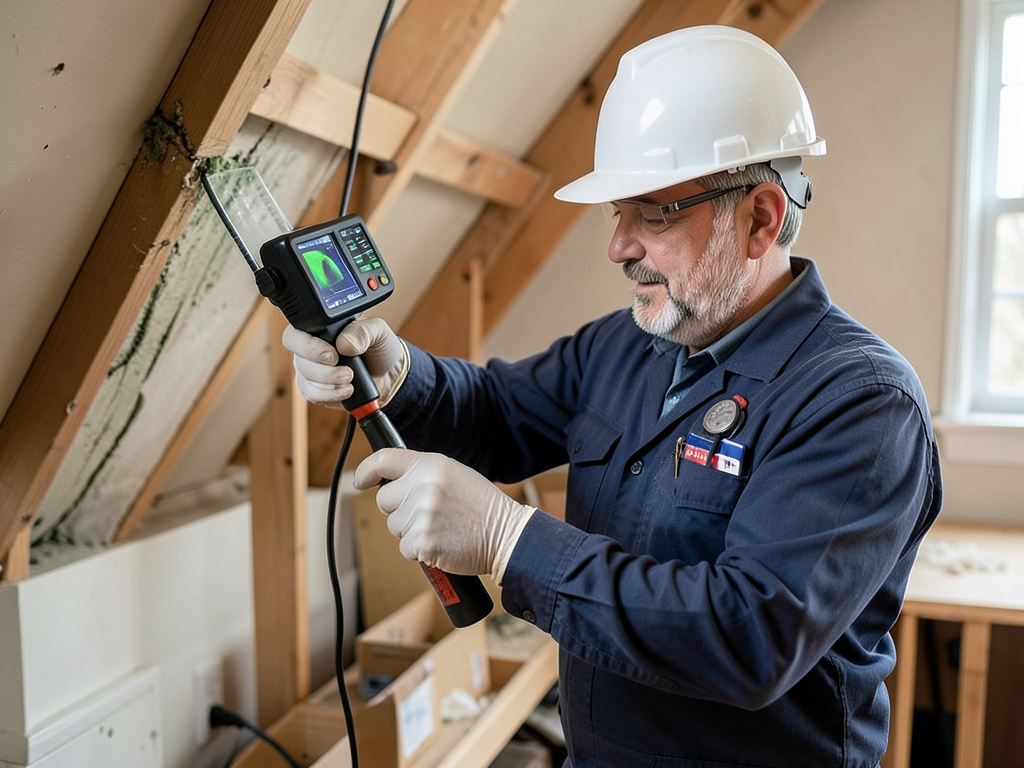
Thermal imaging cameras detect moisture behind walls without demolition. We identify wet insulation, soaked framing, and trapped water in ceiling cavities. This technology prevents unnecessary demolition while ensuring we address all affected areas. You get accurate scope assessment and faster insurance approval because we document the full extent of damage with visual evidence.

What Happens When You Call for Emergency Water Damage Service

Water Damage Restoration in Birmingham – Certified Experts Who Handle Both Residential and Commercial Recovery
01

Immediate Damage Assessment

We arrive with moisture detection equipment and safety gear. Our technician identifies the water source, stops active flow if possible, and maps the affected area. You receive a verbal assessment of damage severity, estimated drying time, and immediate steps needed to prevent further loss. We document conditions with photos and moisture readings for your insurance claim before moving equipment.
02

Water Extraction and Drying

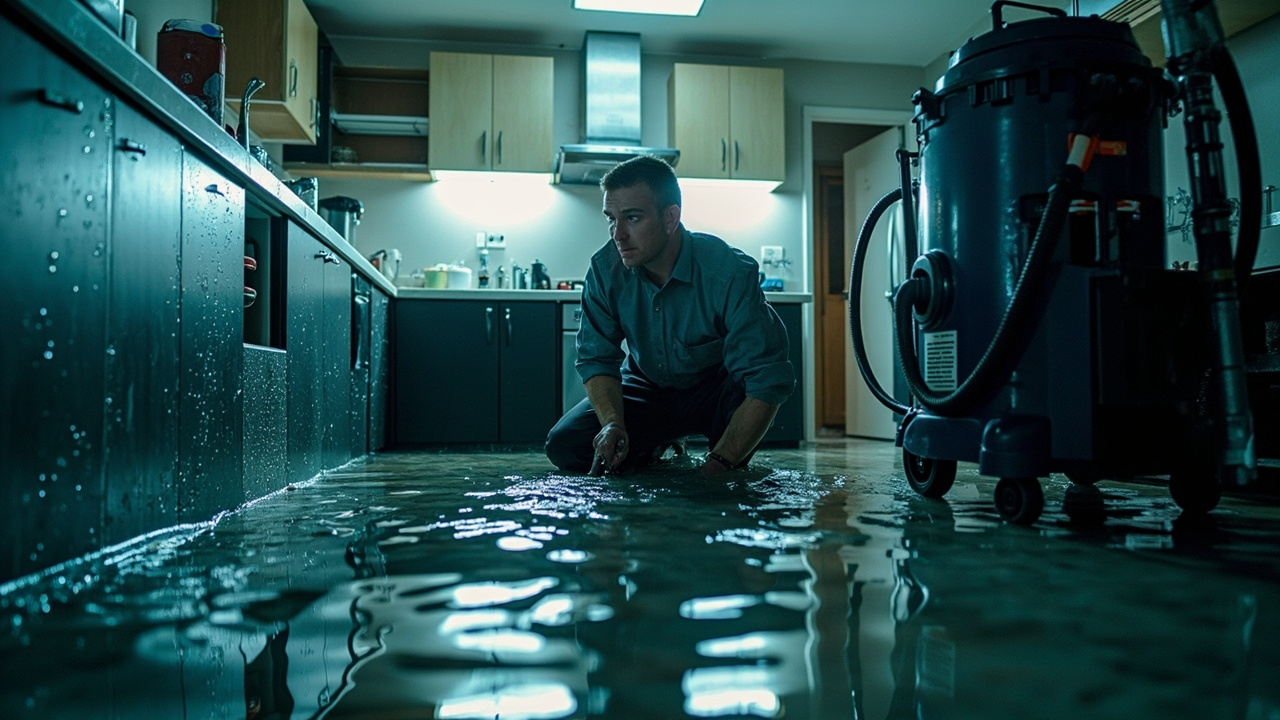
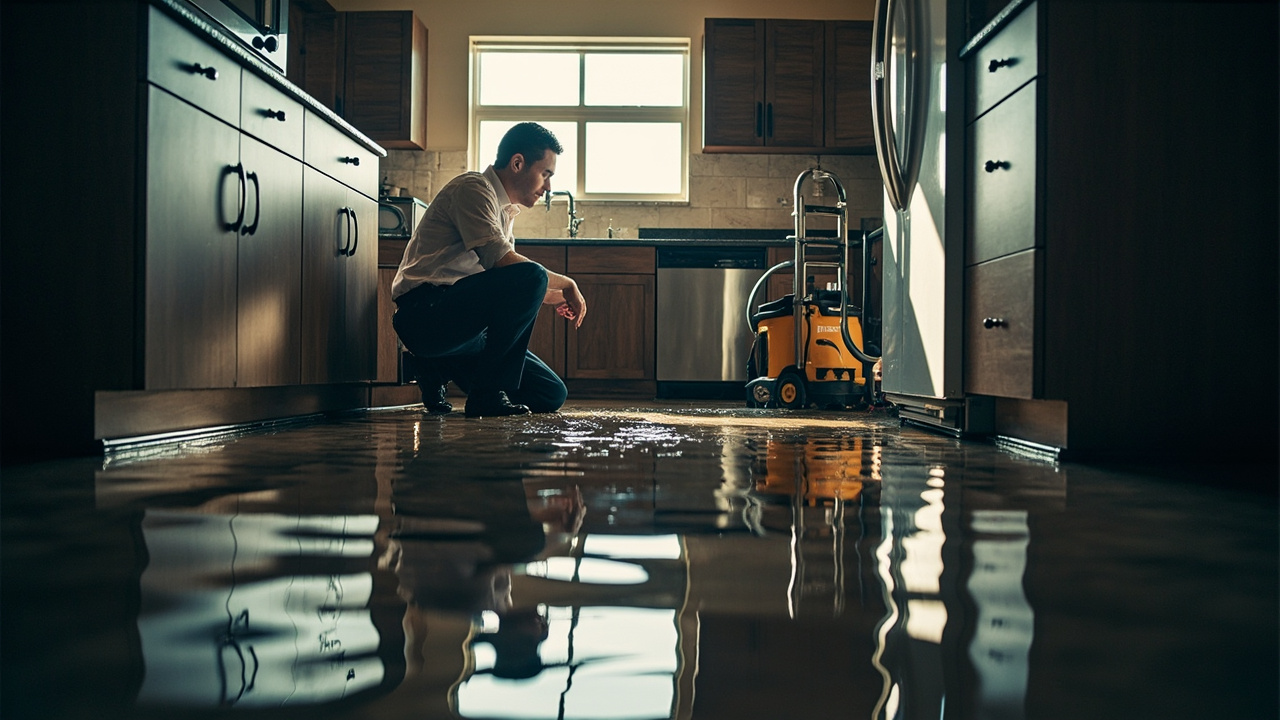
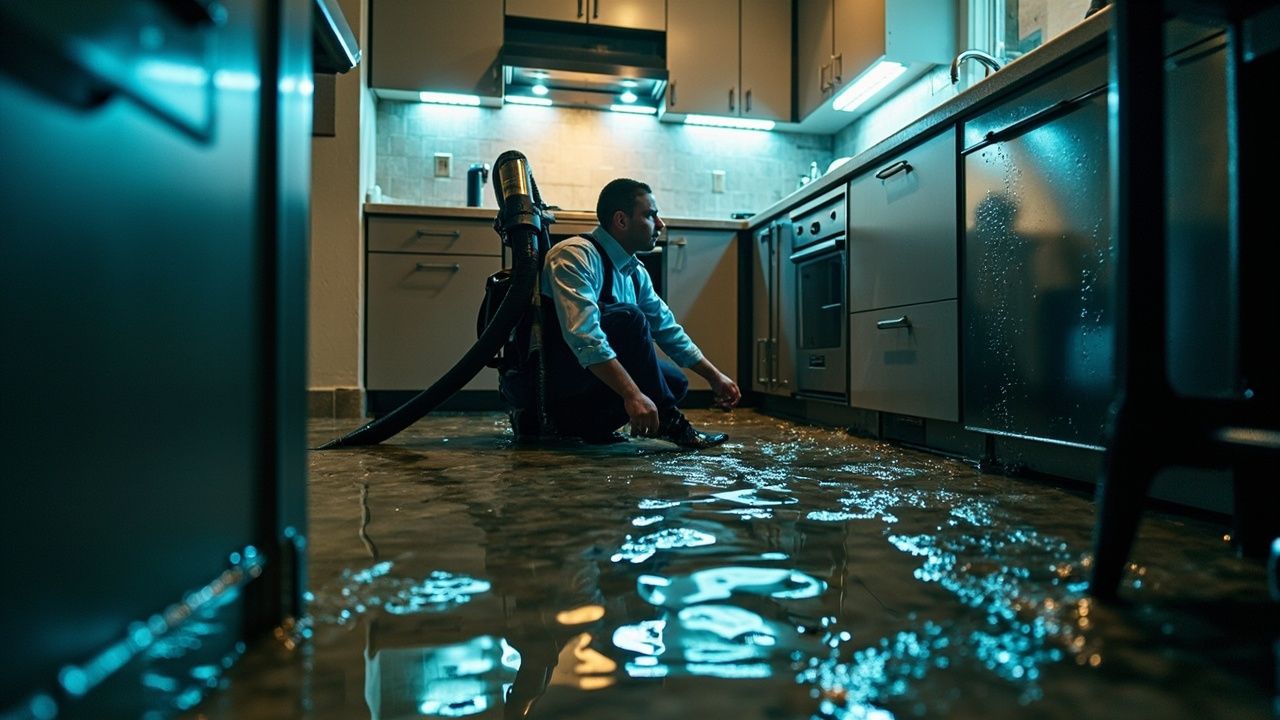
Truck-mounted pumps remove standing water from floors and carpets. We pull baseboards to access wall cavities and place air movers to create airflow behind walls. Dehumidifiers run continuously, monitored by our technicians who adjust equipment based on moisture meter readings. Controlled demolition removes materials too saturated to salvage. We track drying progress daily and adjust the equipment array as conditions change.
03

Restoration and Verification

Once moisture levels reach acceptable standards, we remove drying equipment and begin reconstruction. Our crews replace drywall, reinstall trim, and match paint to existing finishes. Final moisture verification ensures no hidden dampness remains in wall cavities or subfloors. You receive documentation showing pre-loss photos, drying logs, and final moisture readings. This complete record satisfies insurance requirements and confirms your property is fully restored.

Why Birmingham Property Owners Choose Local Water Damage Specialists

Grand Water Damage Restoration Birmingham maintains response vehicles staged throughout Jefferson County. When you call from Mountain Brook, Vestavia Hills, or Hoover, our nearest team mobilizes immediately. We arrive within two hours of your call, not the next business day.

We understand Birmingham building construction. Homes built before 1960 in neighborhoods like Forest Park and Crestwood have crawl spaces prone to moisture accumulation. Post-war ranches in Roebuck feature slab foundations where water intrudes through expansion joints. Modern construction in Riverchase uses engineered lumber that requires different drying techniques than solid wood framing.

Our technicians know how Birmingham's municipal water pressure affects pipe failures. High-pressure zones in elevated areas like Red Mountain experience more supply line bursts. We recognize patterns in seasonal water damage tied to Birmingham's weather cycles. This local knowledge speeds diagnosis and prevents misidentified damage sources.

Insurance coordination matters in water damage claims. We work directly with adjusters from State Farm, Allstate, and regional carriers common in Birmingham. Our estimates follow Xactimate pricing, the standard most insurers use. You receive line-item documentation that matches adjuster expectations, reducing claim disputes and approval delays.

Commercial clients need vendors who understand business interruption costs. We prioritize affected areas to restore critical operations first. A flooded medical office needs patient areas dried before administrative spaces. Retail locations require public areas operational while back rooms undergo reconstruction. Our project managers coordinate phased restoration that minimizes revenue loss and maintains customer access where possible.

What to Expect During Your Water Damage Restoration Project

Emergency Response Time

We dispatch teams 24 hours a day, every day of the year. Most Birmingham properties receive initial response within 90 to 120 minutes of your call. Emergency water extraction begins immediately upon arrival. Drying equipment deployment starts the same day for residential projects under 2,000 square feet. Larger properties or commercial buildings may require equipment staging over 24 hours as additional units arrive. You receive a projected drying timeline during the initial assessment, typically ranging from three to seven days depending on materials affected and humidity conditions.

Comprehensive Damage Evaluation

Our certified technicians use thermal imaging and moisture meters to map affected areas. We check obvious damage locations and scan adjacent spaces for hidden moisture migration. Water travels through wall cavities and along floor joists, appearing in rooms far from the source. You receive a written scope detailing affected materials, necessary demolition, and equipment requirements. This documentation includes room diagrams, moisture content readings, and photographic evidence. Insurance companies require this level of detail for claim approval, and our thorough assessment prevents surprise costs from undiscovered damage.

Documented Drying Results

We measure and record moisture levels daily throughout the drying process. You can track progress through documented readings that show moisture declining to acceptable standards. Drywall must reach 15 percent moisture content or less. Wood framing needs to drop below 19 percent. Concrete requires readings below 4.5 percent on a calibrated moisture meter. We provide final documentation certifying all materials meet industry drying standards before equipment removal. This proof protects you from future mold claims and satisfies insurance completion requirements.

Post-Restoration Monitoring

After reconstruction completes, we schedule a 30-day follow-up inspection at no charge. Our technician returns to verify no new moisture has appeared and checks that replaced materials remain stable. This visit catches any slow leaks or recurring issues before they cause new damage. You receive guidance on monitoring vulnerable areas and recommended maintenance to prevent future water intrusion. While we cannot provide specific warranty terms, we stand behind our workmanship and address any concerns related to our restoration work.

Frequently Asked Questions

You Have Questions,
We Have Answers

How much does water damage remediation cost? +

Water damage remediation costs in Birmingham vary based on the extent of damage, water category, and affected square footage. Minor leaks may run a few hundred dollars, while severe flooding can reach several thousand. Factors include water extraction time, structural drying needs, and mold prevention. Category 3 water or structural damage increases costs due to specialized sanitation and rebuild work. Most Birmingham homeowners find that addressing water damage quickly reduces total expenses. Your insurance policy often covers sudden incidents like burst pipes or storm damage. Get a free inspection to understand your specific situation before damage spreads.

What does water damage restoration include? +

Water damage restoration includes comprehensive steps to return your Birmingham property to pre-loss condition. The process starts with emergency water extraction using industrial pumps and vacuums. Technicians then remove saturated materials like drywall, insulation, and flooring if needed. High-powered air movers and dehumidifiers dry remaining structures and prevent mold growth. Antimicrobial treatments sanitize affected areas, especially with contaminated water. Professionals monitor moisture levels in walls, subfloors, and ceilings using thermal imaging and moisture meters. Final steps include repairs, reconstruction, and odor removal. Proper restoration addresses both visible damage and hidden moisture trapped in your home's structure.

Can water damage be repaired? +

Yes, water damage can be repaired if addressed quickly. The key is speed. Within 24 to 48 hours, you can prevent permanent structural damage and mold colonization. Birmingham's high humidity makes fast action critical. Minor water damage often requires only drying, disinfection, and minor repairs. Severe cases need drywall replacement, subfloor reconstruction, or structural reinforcement. Materials like hardwood floors, drywall, and insulation absorb water rapidly and may need removal. Professional restoration companies use moisture detection tools to find hidden water pockets in walls and ceilings. Delaying repair allows secondary damage to develop, turning a fixable problem into a costly rebuild.

Is water damage restoration worth it? +

Water damage restoration is worth it when you consider the alternative. Untreated water damage leads to mold growth, wood rot, foundation issues, and structural failure. In Birmingham, where humidity stays high year-round, moisture problems escalate fast. Restoration protects your property value, prevents health hazards from mold spores, and stops ongoing deterioration. Insurance typically covers restoration costs for covered perils, making out-of-pocket expenses minimal. Professional drying and repairs cost less than replacing rotted framing, fixing foundation cracks, or dealing with widespread mold remediation later. Fast restoration also prevents displacement and business downtime. The investment protects your biggest asset.

Does insurance pay for water restoration? +

Insurance usually pays for water restoration if the damage results from a covered peril. Sudden incidents like burst pipes, appliance malfunctions, storm damage, or roof leaks typically qualify for coverage. Your policy covers the cost of water extraction, drying, repairs, and contents restoration. However, insurance denies claims for gradual damage from neglected maintenance or long-term leaks you should have noticed. Flood damage requires separate flood insurance through NFIP or private carriers. Birmingham homeowners should review their policy limits and deductibles. Most restoration companies work directly with insurance adjusters to document damage and streamline your claim process.

Will insurance pay out for water damage? +

Insurance will pay out for water damage when the cause is sudden and accidental. Covered events include burst pipes, storm-driven rain, appliance leaks, and accidental overflows. Your carrier pays for emergency mitigation, structural drying, repairs, and damaged belongings. They will not cover flood damage without separate flood insurance, gradual leaks from poor maintenance, or pre-existing conditions. Birmingham properties with older plumbing or roofs face higher denial risks if maintenance records are missing. Document everything with photos, keep maintenance records, and file claims immediately. Professional restoration companies help navigate the claims process and provide detailed documentation insurers require for approval.

How likely is mold after water damage? +

Mold growth is highly likely after water damage if moisture remains for 24 to 48 hours. Birmingham's climate creates perfect conditions for mold colonization due to high humidity and warm temperatures. Porous materials like drywall, insulation, carpet, and wood absorb water quickly and provide food sources for spores. Mold spreads rapidly in hidden areas like wall cavities, under flooring, and inside HVAC systems. Professional restoration prevents mold by extracting water fast, drying structures completely, and treating affected areas with antimicrobials. Visible mold indicates a larger hidden problem. Addressing water damage immediately drastically reduces mold risk and protects your family's health.

What does category 3 damage look like? +

Category 3 damage involves grossly contaminated water containing dangerous pathogens, raw sewage, or chemical contaminants. It looks dark, murky, and smells foul. Common sources include sewage backups, toilet overflows with feces, rising floodwater from rivers or storm drains, and groundwater intrusion. Affected materials become heavily stained and carry serious health risks. In Birmingham, heavy rains can push sewage into basements or cause septic failures. Category 3 water requires full protective gear, aggressive antimicrobial treatment, and disposal of porous materials like carpet, drywall, and insulation. You cannot salvage most items exposed to this contamination level.

How to get the most out of a water damage claim? +

To maximize your water damage claim, document everything immediately with photos and videos showing the water source, affected areas, and damaged contents. Stop ongoing damage by shutting off water if safe. Contact your insurance company within 24 hours and get the claim number. Hire a professional restoration company that works with adjusters and provides detailed documentation. Keep all receipts for emergency repairs, temporary housing, and contents storage. In Birmingham, storm-related claims require proof the damage came from wind-driven rain, not rising water. Do not throw away damaged items before the adjuster inspects. Professional moisture mapping and photo documentation strengthen your case significantly.

What not to do after water damage? +

Do not delay calling professionals after water damage occurs. Waiting allows mold growth, structural deterioration, and increased repair costs. Never use household vacuums or fans alone, they cannot remove enough moisture. Do not ignore safety hazards like electrical risks or contaminated water. Avoid removing drywall or flooring before your insurance adjuster documents the damage. Do not throw away damaged items until the adjuster inspects them. In Birmingham, do not assume small leaks will dry on their own due to high humidity. Never paint over water stains without addressing the source. Quick professional intervention prevents secondary damage and protects your health and property value.

How Birmingham's Clay Soil and Storm Patterns Create Unique Water Damage Risks

Birmingham sits on Porters Creek clay, a soil type that swells up to 30 percent when saturated and shrinks dramatically during dry periods. This expansion and contraction cycle creates hydrostatic pressure against foundation walls and opens pathways for groundwater intrusion. Properties in areas like Avondale and Eastlake, built on steep grades, experience concentrated runoff during Birmingham's intense summer thunderstorms. Spring brings freeze-thaw cycles that crack exterior pipes and damage exterior faucets common to older homes. Water damage mitigation in Birmingham requires understanding these soil mechanics and seasonal patterns that generic restoration companies overlook.

Jefferson County building codes require specific foundation drainage for new construction, but most Birmingham homes predate these requirements. Our teams understand which neighborhoods need sump pump installations versus exterior drainage improvements. We maintain relationships with local building inspectors and know permit requirements for structural drying in historic districts like Forest Park. Insurance adjusters working Birmingham claims recognize our documentation standards and equipment inventory. This local expertise means faster claim approvals and restoration that meets both code requirements and insurance expectations without delays or disputes.

Water Damage Restoration Services in The Birmingham Area

Grand Water Damage Restoration is proud to serve the entire Birmingham area. Our convenient location ensures we can respond to your emergency needs with speed and efficiency. Whether you're a homeowner or business owner, we’re ready to bring our expertise directly to you. View our service area on the map to see how we can provide prompt, professional assistance and restore your property quickly and effectively.

Address:
Grand Water Damage Restoration Birmingham, 401 7th St N, Birmingham, AL, 35203

Additional Services We Offer

Our news updates

Latest Articles & News from The Blogs

A Guide to Safe Water Extraction for Local Birmingham Daycares and Preschools Water damage in a daycare facility creates immediate…

A Guide to Safe Water Extraction for Local Birmingham Daycares and Preschools

A Guide to Safe Water Extraction for Local Birmingham Daycares and Preschools Water damage in a daycare facility creates immediate…

Why Your Wylam Rental Might Be at Risk for Mold Due to Poor Window Sealant

Why Your Wylam Rental Might Be at Risk for Mold Due to Poor Window Sealant Window sealant failure in Wylam…

How to Manage a Multi Unit Water Leak in a Highland Park Condominium

How to Manage a Multi Unit Water Leak in a Highland Park Condominium Water damage in a Highland Park condominium…

Contact Us

Water damage worsens every hour you wait. Call (659) 234-8188 now for emergency response. Our certified teams deploy immediately with extraction equipment and moisture detection technology. We handle insurance coordination and document everything for your claim. Stop the damage before it becomes a total loss.