Menu

Large Scale Water Extraction in Birmingham – Industrial-Grade Solutions That Keep Your Business Operating

When catastrophic water events threaten your Birmingham facility, you need high-volume water pumping systems and certified industrial water extraction protocols that minimize operational downtime and protect your bottom line.

Slider Image 1
Slider Image 2
Slider Image 3
Slider Image 4
Slider Image 5
Slider Image 7
Slider Image 8
Slider Image 9
Slider Image 10
Slider Image 11

Why Birmingham Commercial Properties Face Unique Water Extraction Challenges

Birmingham's humid subtropical climate creates a perfect storm for commercial water disasters. Average humidity levels above 70 percent mean water spreads faster through porous building materials common in older downtown structures and industrial complexes near the Birmingham Metro Area. When a sprinkler malfunction, pipe burst, or storm breach floods 50,000 square feet of warehouse space, standard residential pumps cannot handle the volume.

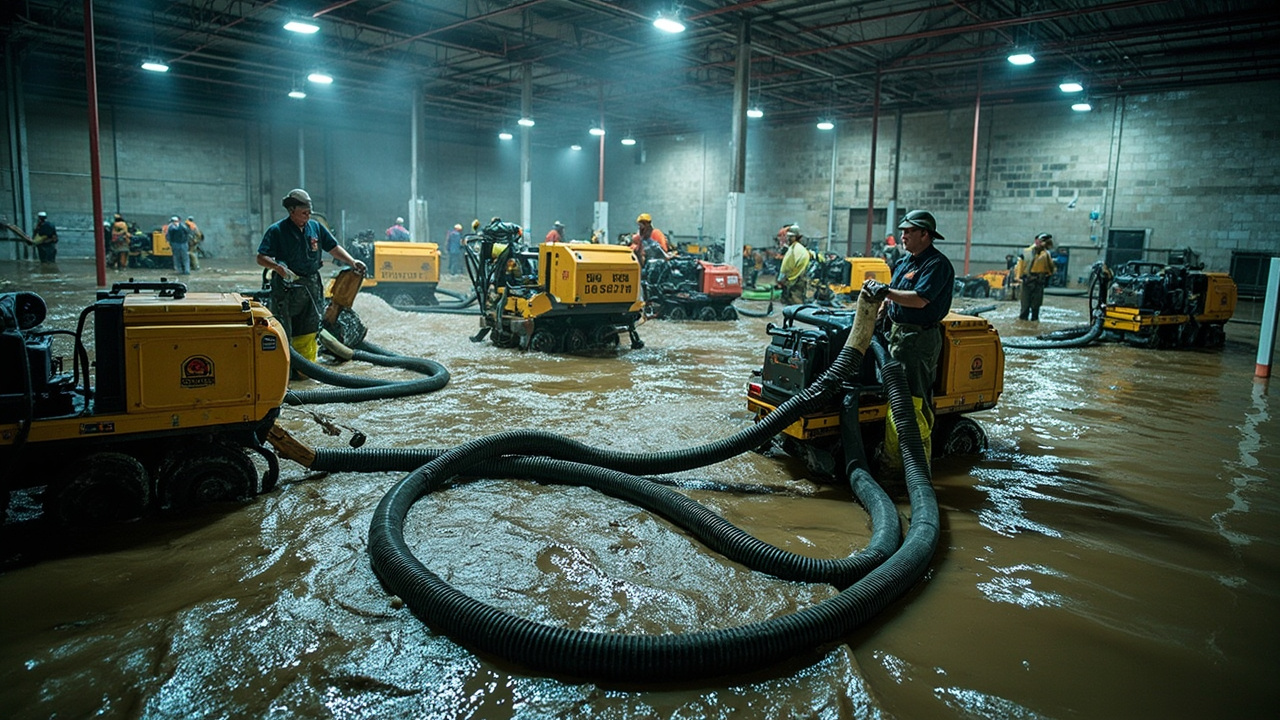
Large loss water mitigation requires specialized equipment that most restoration companies do not carry. You need truck-mounted extraction units capable of removing thousands of gallons per hour, not consumer-grade wet vacuums. The difference between amateur bulk water removal services and professional commercial water removal determines whether you lose three days of production or three weeks.

Jefferson County building codes require commercial properties to meet specific moisture thresholds before reconstruction begins. Insurance adjusters scrutinize humidity readings and psychrometric data. If you choose a provider without thermal imaging cameras and industrial dehumidifiers, you risk failed inspections that delay your reopening and drain your revenue.

Birmingham's clay soil compounds foundation moisture problems in buildings along First Avenue North and throughout the Southside commercial district. When water penetrates slab foundations in these areas, it requires specialized sub-surface extraction methods. Standard surface removal leaves moisture trapped beneath concrete, creating long-term structural problems your insurance may not cover during secondary claims.

High volume water pumping addresses immediate threats, but true industrial water extraction includes documenting moisture migration patterns, establishing drying chambers, and coordinating with your property management team to maintain security protocols during emergency operations.

Why Birmingham Commercial Properties Face Unique Water Extraction Challenges
Commercial-Grade Extraction Protocols That Protect Business Continuity

Commercial-Grade Extraction Protocols That Protect Business Continuity

Grand Water Damage Restoration Birmingham deploys truck-mounted extraction units that remove up to 3,000 gallons per hour from flooded commercial spaces. Our industrial water extraction methodology begins with containment zone establishment to isolate affected areas and allow unaffected sections of your facility to remain operational. We use negative air machines to prevent cross-contamination and control airborne moisture that can damage inventory in adjacent spaces.

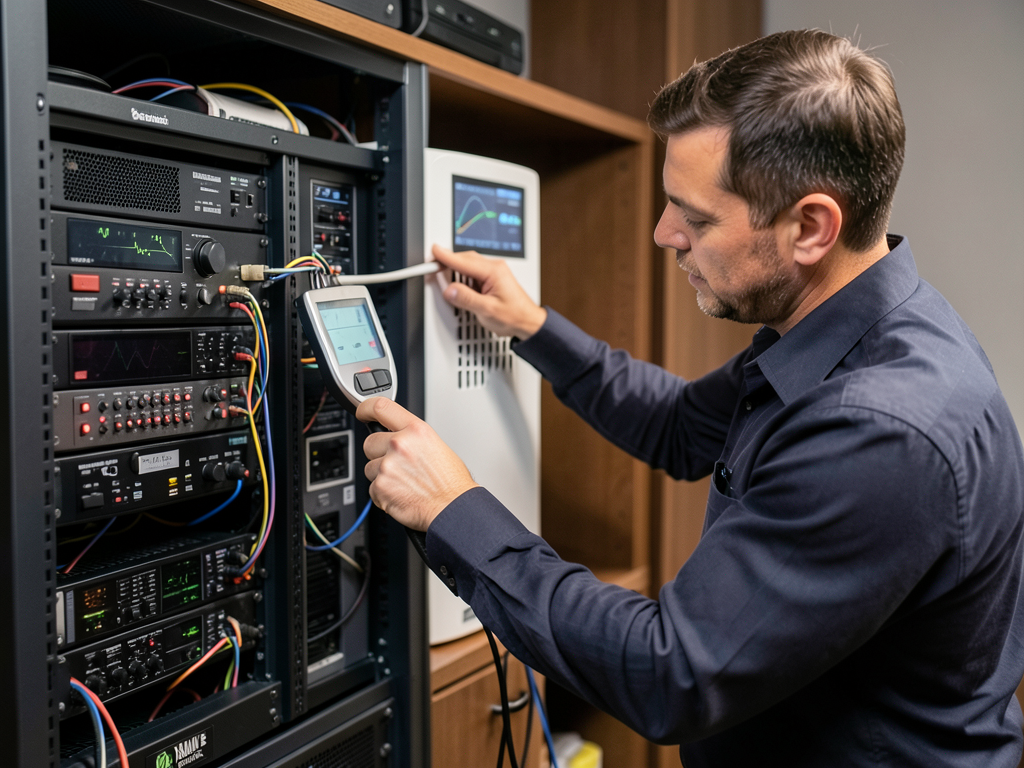
Our commercial water removal process includes psychrometric mapping that measures temperature, humidity, and dew point across your entire affected area. This data drives our equipment placement strategy and helps insurance adjusters understand the full scope of mitigation efforts. We position axial air movers to create laminar airflow patterns that accelerate evaporation without disturbing sensitive equipment or inventory.

For category 3 water events involving sewage or chemical contamination, we follow IICRC S500 protocols that require complete removal of porous materials and antimicrobial treatment of structural components. Our technicians wear appropriate PPE and establish decontamination zones to protect your employees and comply with OSHA regulations.

Large scale water extraction in multi-story buildings requires coordinating floor-by-floor drying with your building engineer to prevent structural load concerns. Water weighs 8.34 pounds per gallon. A flooded basement containing 20,000 gallons adds over 83 tons of weight that can compromise support columns if not removed systematically.

We document every phase with timestamped photos and moisture readings that satisfy insurance requirements and protect you from claim disputes. Our technicians maintain chain-of-custody logs for extracted materials and provide daily progress reports to your facilities manager. This documentation becomes critical if your business interruption claim faces scrutiny or if tenant disputes arise from shared building damage.

How Emergency Industrial Water Extraction Unfolds at Your Birmingham Facility

Large Scale Water Extraction in Birmingham – Industrial-Grade Solutions That Keep Your Business Operating
01

Immediate Facility Assessment

Our crew arrives with thermal imaging equipment to map water migration through walls, floors, and ceiling assemblies. We identify the source, shut off water supply if applicable, and determine the water category to establish proper safety protocols. You receive an immediate verbal assessment of affected square footage, estimated extraction timeline, and equipment requirements before any work begins. This transparency allows you to notify your insurance carrier and make informed decisions about business operations.
02

High-Volume Water Removal

Truck-mounted pumps remove standing water while portable extraction units address trapped moisture in carpeting, padding, and other porous materials. We establish drying chambers using containment barriers and negative air pressure to prevent moisture migration into unaffected areas. Industrial dehumidifiers remove airborne moisture while air movers create controlled airflow patterns. Your facility manager receives hourly updates during this critical phase. We monitor psychrometric readings continuously and adjust equipment placement to optimize drying efficiency and minimize your downtime.
03

Verification and Clearance

We do not declare a space dry until moisture readings match baseline levels established during initial assessment. Our technicians use penetrating moisture meters to verify structural components meet industry standards for reconstruction. You receive a comprehensive report with before and after psychrometric data, equipment logs, and photographic documentation. This clearance certificate satisfies insurance requirements and provides legal protection if moisture-related issues emerge during reconstruction. We coordinate directly with your general contractor to ensure seamless transition to rebuild phase.

Why Birmingham Business Owners Choose Local Industrial Extraction Specialists

National franchise operations dispatch technicians unfamiliar with Birmingham's commercial building stock and local code enforcement patterns. When water floods your facility in the Five Points South business district or near Railroad Park, you need responders who understand the difference between extracting water from historic masonry structures versus modern steel-frame warehouses in the industrial corridor near Interstate 20.

Grand Water Damage Restoration Birmingham maintains relationships with Jefferson County building inspectors and local insurance adjusters who regularly review our documentation standards. This familiarity accelerates permit approvals and claim processing when time equals money. Our technicians know which local engineers specialize in commercial structural assessments and can coordinate third-party inspections that satisfy both your insurance carrier and building department.

We stock equipment specifically selected for Birmingham's climate and common commercial building types. Our trailer-mounted desiccant dehumidifiers handle the extreme humidity that hampers drying during summer months. We maintain redundant extraction equipment because Birmingham's aging commercial infrastructure means multiple emergency calls during freeze events when neglected pipes burst in poorly insulated buildings throughout the metro area.

Your business cannot afford learning curves during water emergencies. Our crews have extracted water from Birmingham manufacturing facilities, medical office buildings, retail centers, and food processing plants. We understand cold storage requirements, cleanroom protocols, and manufacturing equipment protection. This experience means we make correct decisions about equipment placement, containment strategies, and drying timelines without expensive trial and error.

We coordinate with your IT department, security team, and operations manager to maintain business continuity during extraction. Need us to work overnight shifts to avoid disrupting customer-facing operations? We staff for that. Require background-checked technicians for secure facilities? That is standard for us. Your business priorities drive our extraction strategy.

What Your Birmingham Business Should Expect During Emergency Water Extraction

Rapid Commercial Response Times

We dispatch crews to Birmingham commercial properties within 90 minutes of your call, 24 hours per day. Our trucks carry sufficient extraction equipment to begin immediate water removal without waiting for additional resources. You speak directly with the project supervisor who manages your extraction, not a call center operator reading scripts. We understand that every hour of delayed extraction increases secondary damage and extends your business interruption. Our technicians arrive with the authority to make on-site decisions about equipment deployment and containment strategies. We coordinate with your facility manager to establish access protocols, identify priority areas, and create work schedules that minimize disruption to operations in unaffected portions of your building.

Comprehensive Moisture Documentation

Our initial assessment includes detailed floor plans marked with moisture readings at dozens of test points throughout affected areas. We photograph and measure every material type, document equipment placement, and record baseline psychrometric conditions. This documentation package goes to your insurance adjuster within four hours of beginning extraction. Daily moisture logs track drying progress with timestamped readings that prove we followed industry protocols. You receive copies of all documentation immediately through our online portal, giving you real-time visibility into extraction progress. This transparency protects you during insurance negotiations and provides evidence if disputes arise about the extent of water damage or appropriate mitigation scope.

Certified Industrial Drying Results

We do not remove equipment until moisture readings prove structural components have returned to dry standard conditions. Our technicians follow IICRC S500 guidelines that specify acceptable moisture content percentages for different building materials common in Birmingham commercial structures. You receive thermal imaging photos showing complete moisture elimination, not just surface drying. Our final report includes psychrometric calculations demonstrating that vapor pressure differentials no longer favor condensation or microbial growth. This certification satisfies building inspectors and insurance engineers who must approve reconstruction activities. We guarantee our drying results meet or exceed industry standards, giving you confidence that hidden moisture will not compromise your reconstruction investment or create liability issues.

Post-Extraction Monitoring Support

After equipment removal, we provide 30 days of complimentary moisture monitoring to verify that conditions remain stable. Our technicians return to test areas prone to moisture rebound and inspect vulnerable building assemblies that might develop problems after extraction equipment leaves. If readings indicate moisture issues, we redeploy equipment at no additional charge. This follow-up service protects your business from the costly surprise of discovering moisture problems weeks after paying for extraction services. We also provide recommendations for building improvements that reduce future water damage risks, such as backflow preventer installation or sump pump redundancy systems. You receive direct contact information for our commercial project managers who remain available for consultation during your reconstruction phase.

Frequently Asked Questions

You Have Questions,
We Have Answers

How to purify water on a large scale? +

Large-scale water purification for commercial facilities in Birmingham requires filtration systems, reverse osmosis units, and UV disinfection. The process removes contaminants, sediments, and pathogens based on your application. Industrial sites use multi-stage treatment with chemical dosing and automated monitoring. For post-flood purification in warehouses or manufacturing plants, professionals first extract standing water, then sanitize affected areas with antimicrobial agents. Birmingham's high humidity demands proper dehumidification to prevent bacterial growth. You need certified technicians who understand local water table issues and clay soil contamination risks. System capacity depends on your daily usage and contamination level.

How to remove large amounts of water? +

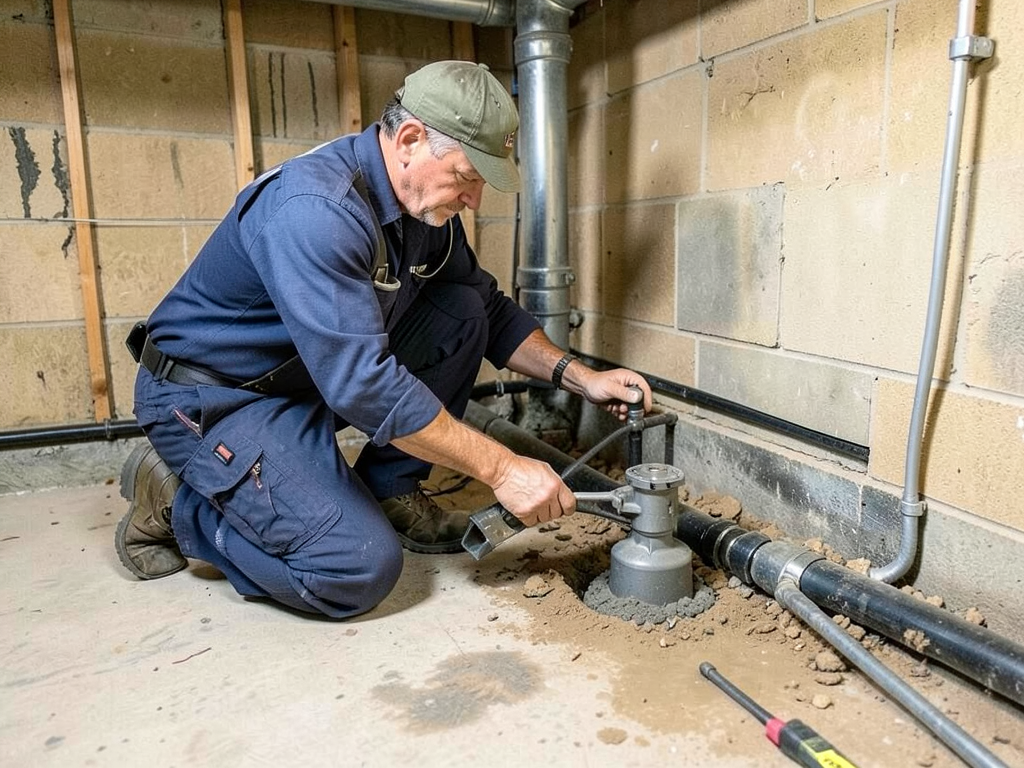
Removing large water volumes from commercial properties requires truck-mounted extractors, submersible pumps, and industrial wet vacuums. For Birmingham warehouses or office buildings, professionals deploy multiple extraction units simultaneously to minimize downtime. Submersible pumps handle deep standing water at rates exceeding 2,000 gallons per hour. Truck-mounted systems provide continuous extraction without onsite disposal concerns. The process includes category water classification, extraction planning based on square footage, and moisture mapping. Birmingham's clay soil creates foundation concerns, so professionals monitor structural integrity during extraction. Speed matters for business continuity and preventing secondary damage to inventory or equipment.

What is the machine that extracts water? +

Water extraction machines include truck-mounted extractors, portable extractors, submersible pumps, and industrial wet vacuums. Truck-mounted units offer the highest power with heated extraction capabilities. Portable extractors work for multi-story Birmingham buildings where truck access is limited. Submersible pumps handle basement flooding and deep water removal. Weighted wands and specialty tools extract water from carpets, padding, and subflooring. Commercial-grade units feature continuous fill tanks and high CFM airflow. The machine selection depends on water volume, building access, contamination category, and flooring type. Professional operators adjust vacuum pressure and temperature based on material sensitivity.

What is excessive water extraction? +

Excessive water extraction means over-pumping groundwater beyond sustainable recharge rates, causing aquifer depletion and land subsidence. In Birmingham's context, it also refers to incomplete moisture removal after commercial water damage. Leaving residual moisture in building materials creates hidden damage, mold growth, and structural compromise. Professional extraction aims for optimal removal without damaging materials through over-drying. Thermal imaging identifies trapped moisture behind walls or under flooring. Birmingham's humidity makes thorough extraction critical since ambient moisture slows natural drying. Incomplete extraction leads to liability issues, code violations, and costly remediation. Professionals use moisture meters to verify complete extraction before restoration.

How to purify 100 gallons of water? +

Purifying 100 gallons requires a commercial filtration system with sediment filters, activated carbon, and disinfection. For emergency situations in Birmingham facilities, you can use batch chlorination with proper contact time and neutralization. Commercial purification systems process this volume in under two hours using multi-stage filtration. The method depends on contamination source. Flood water requires mechanical filtration, chemical treatment, and UV sterilization. Clean source water needs basic filtration and carbon treatment. Birmingham's municipal water quality is generally good, but industrial facilities may need additional treatment for specific processes. Always test treated water before use in manufacturing or food service operations.

Can you drink any water with LifeStraw? +

LifeStraw filters bacteria and parasites from freshwater sources but has limitations for commercial water damage scenarios. It does not remove viruses, chemicals, or heavy metals. For Birmingham businesses facing flood contamination, LifeStraw is inadequate for Category 2 or 3 water containing sewage, chemicals, or industrial contaminants. Commercial water damage requires professional assessment and treatment. LifeStraw works for personal emergency drinking water from streams or lakes but cannot address large-volume commercial needs. Businesses need certified water treatment systems that meet health codes and liability requirements. Personal filtration devices do not substitute for professional remediation.

How Birmingham's Industrial Corridor and Historic Structures Complicate Large Scale Water Extraction

Birmingham's commercial building inventory spans 120 years of construction methods, from early 1900s masonry warehouses in the Warehouse District to modern tilt-up concrete facilities near the airport. Older downtown structures feature limestone foundations, clay tile roofing, and unreinforced masonry walls that absorb water like sponges. These porous materials require specialized drying protocols that differ dramatically from modern commercial construction. The city's elevation changes, from Railroad Park to Red Mountain, create hydrostatic pressure variations that affect basement water intrusion patterns. Industrial facilities concentrated along former railroad corridors near Finley Avenue often sit on poorly compacted fill dirt that channels groundwater unpredictably during heavy rain events common to Alabama's spring and fall storm seasons.

Birmingham business owners trust Grand Water Damage Restoration Birmingham because we understand local building department expectations and work regularly with the same structural engineers and industrial hygienists who review major commercial losses throughout Jefferson County. Our crews have extracted water from UAB medical research facilities requiring cleanroom protocols, food processing plants that must maintain USDA compliance during drying, and historic buildings where preservation guidelines restrict demolition options. This local expertise means we anticipate permitting requirements, know which materials inspectors scrutinize, and understand documentation standards that satisfy both insurance carriers and municipal authorities. When your business faces catastrophic water damage, you need a restoration partner who speaks the same language as every stakeholder in your recovery process.
Water Damage Restoration Services in The Birmingham Area

Grand Water Damage Restoration is proud to serve the entire Birmingham area. Our convenient location ensures we can respond to your emergency needs with speed and efficiency. Whether you're a homeowner or business owner, we’re ready to bring our expertise directly to you. View our service area on the map to see how we can provide prompt, professional assistance and restore your property quickly and effectively.

Address:
Grand Water Damage Restoration Birmingham, 401 7th St N, Birmingham, AL, 35203

Additional Services We Offer

Our news updates

Latest Articles & News from The Blogs

Comparing Interior vs Exterior Waterproofing for Your Central Park Basement Living in Central Park means dealing with Birmingham’s heavy rainfall…

Comparing Interior vs Exterior Waterproofing for Your Central Park Basement

Comparing Interior vs Exterior Waterproofing for Your Central Park Basement Living in Central Park means dealing with Birmingham’s heavy rainfall…

Keeping Your Rising West Princeton Home Theater Dry and Mold Free

Keeping Your Rising West Princeton Home Theater Dry and Mold Free Birmingham’s humid subtropical climate creates unique challenges for home…

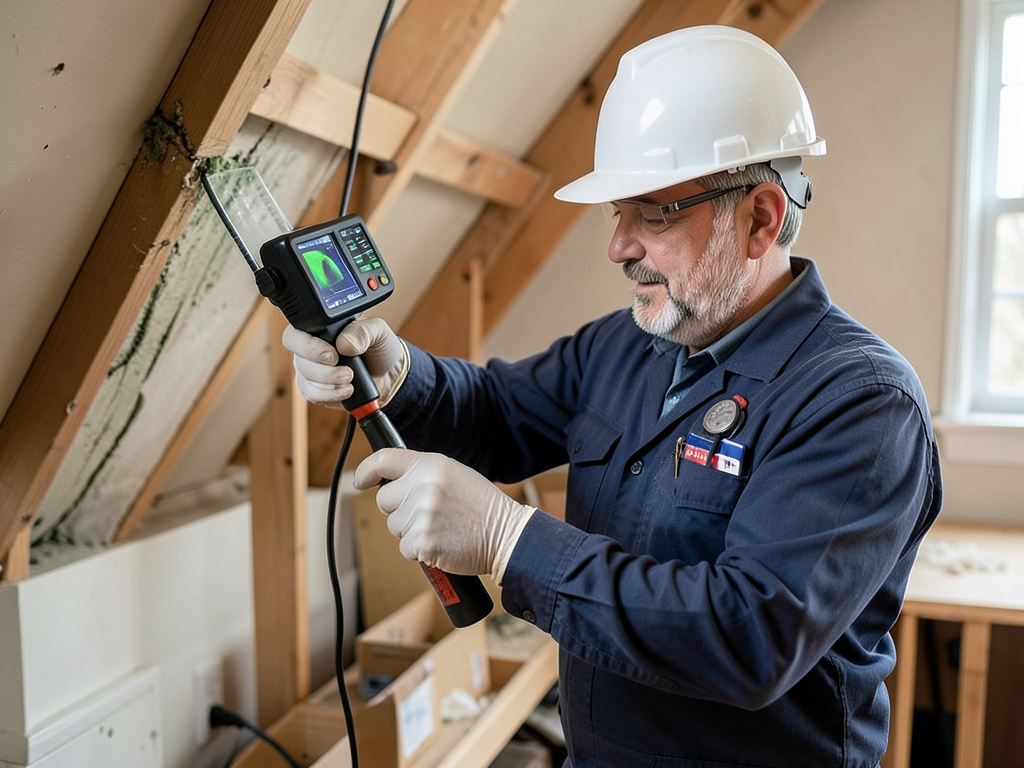
How High Humidity and Birmingham Pollen Create the Perfect Storm for Attic Mold in Airport Highlands

How High Humidity and Birmingham Pollen Create the Perfect Storm for Attic Mold in Airport Highlands Airport Highlands homeowners face…

Contact Us

Every hour of standing water increases your total loss. Call Grand Water Damage Restoration Birmingham at (659) 234-8188 now for immediate dispatch. Our commercial crews are standing by with industrial-grade extraction equipment ready to deploy to your facility.