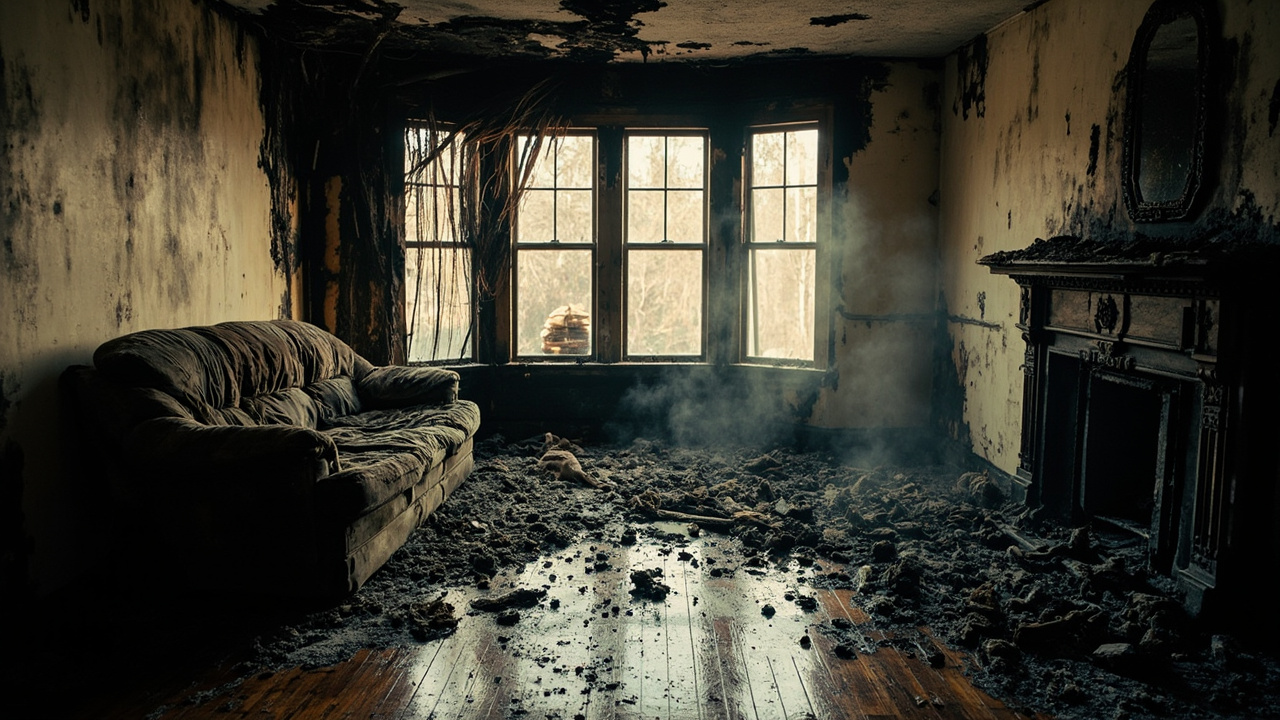
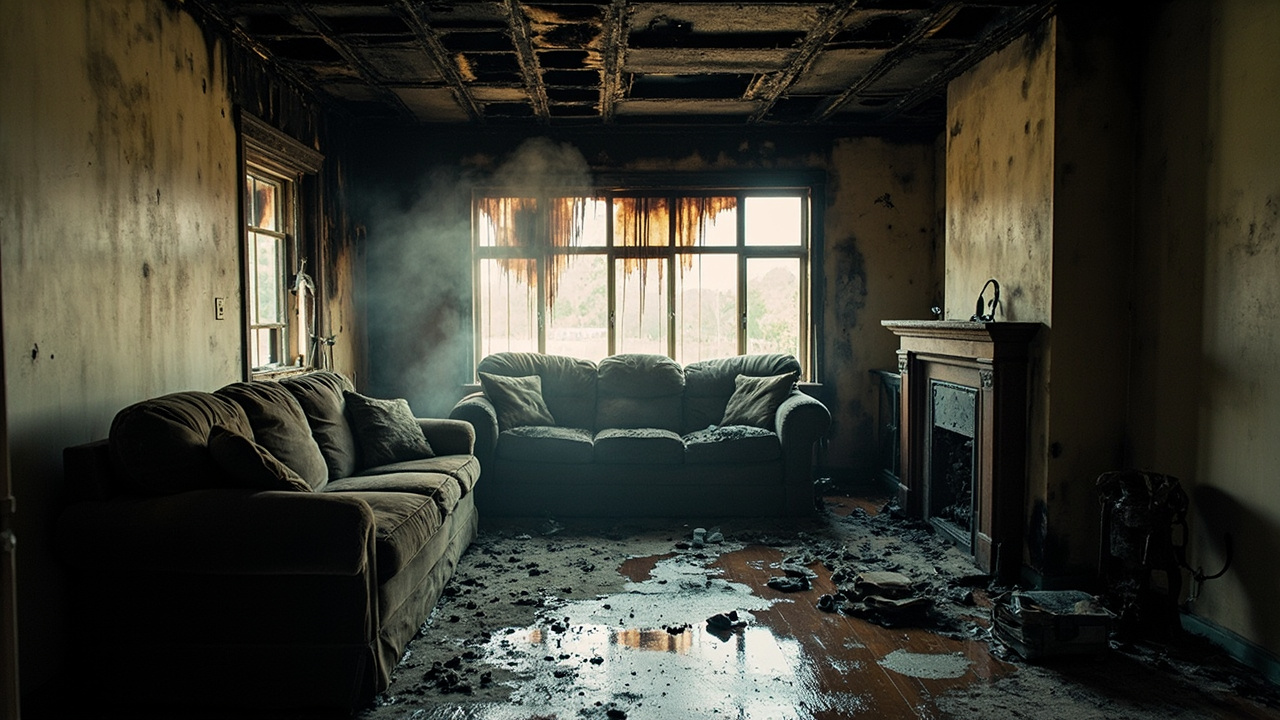
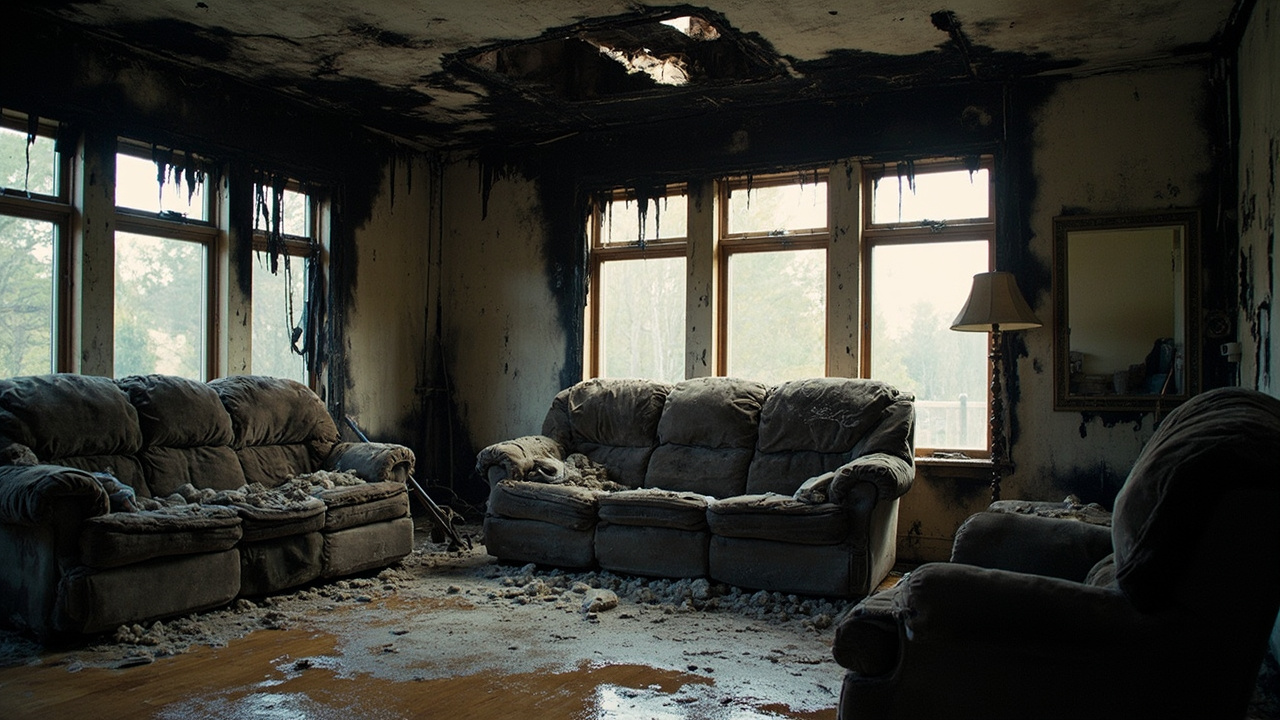
Birmingham's average relative humidity above 70 percent for seven months of the year accelerates soot corrosion and smoke odor penetration in ways that differ dramatically from arid climates. Acidic smoke residue combines with atmospheric moisture to create corrosive compounds that etch metals, pit glass, and discolor stone within hours of fire extinguishment. The same humidity drives smoke particles into porous building materials like the brick veneer and wood siding common throughout Birmingham neighborhoods. You cannot simply wipe surfaces clean. Proper fire damage repair requires extraction techniques that pull contaminants from subsurface layers before they become permanently embedded. Delayed restoration in Birmingham's humid environment often results in total loss of items that could have been salvaged with immediate professional intervention.
Birmingham's housing stock includes thousands of pre-1970 homes with construction methods that complicate smoke damage cleanup significantly. Balloon framing creates continuous vertical channels from foundation to attic, allowing smoke to travel unseen through wall cavities and contaminate areas far from the fire origin. Plaster walls absorb and retain smoke odor more aggressively than modern drywall, often requiring removal rather than cleaning. Historic Districts impose additional constraints on restoration methods and materials that generic fire restoration services overlook. Our familiarity with Birmingham building practices, from pier-and-beam foundations that require special water extraction approaches to local code requirements for electrical and plumbing repairs after fire damage, ensures compliance and prevents project delays that extend your displacement and increase your total loss.