Menu

Soggy Insulation in Birmingham – Expert Water Damage Diagnosis and Safe Removal

Birmingham homeowners trust our trained technicians to identify hidden moisture damage, remove saturated insulation safely, and prevent mold growth before it spreads through your attic or crawl space.

Slider Image 1
Slider Image 2
Slider Image 3
Slider Image 4
Slider Image 5
Slider Image 7
Slider Image 8
Slider Image 9
Slider Image 10
Slider Image 11

Why Birmingham's Climate Makes Soggy Insulation a Silent Threat

Birmingham sits in a humid subtropical zone. Summer humidity regularly pushes past 70 percent. Heavy thunderstorms dump inches of rain in minutes. Your roof takes the beating. Your attic traps the heat. When a leak starts, insulation soaks it up like a sponge.

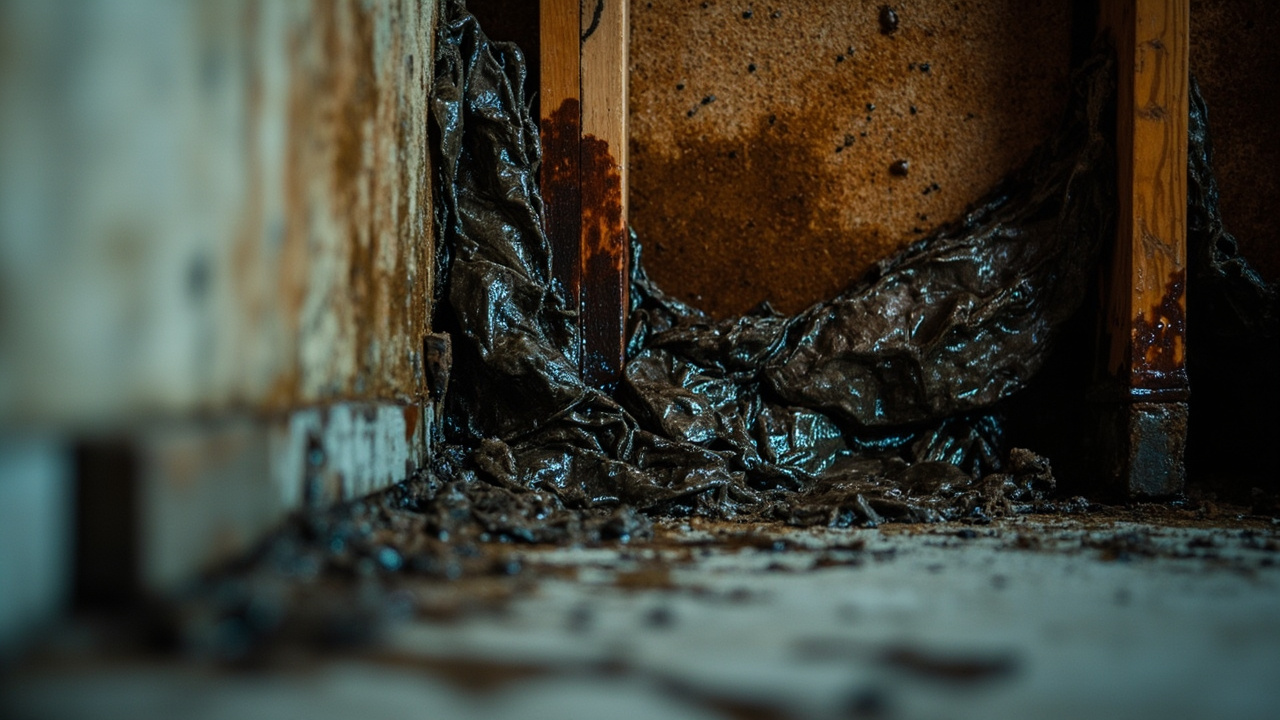
Wet insulation does not dry on its own. It sits in your attic or crawl space, holding moisture against wood framing. Mold spores colonize within 24 to 48 hours. The smell starts. The black stains follow. You notice a musty odor when you walk upstairs. You see water stains spreading across your ceiling. By the time you spot the problem, the damage is already growing.

Saturated insulation loses its R-value. Your HVAC system runs harder. Your energy bills climb. The damp environment attracts pests. Termites and carpenter ants thrive in moisture-damaged wood. The longer soaked insulation sits, the more structural damage accumulates.

Birmingham's older homes, especially in Highland Park and Forest Park, often have minimal attic ventilation. Poor airflow traps humidity. Roof leaks in these homes go unnoticed for weeks. The insulation becomes waterlogged. The ceiling joists start to rot. What begins as a small leak becomes a major restoration project.

You need a trained eye to assess the full scope. Water damaged insulation is rarely isolated. The problem extends beyond what you can see from the attic hatch.

Why Birmingham's Climate Makes Soggy Insulation a Silent Threat
How We Remove Water Damaged Insulation Without Spreading Contamination

How We Remove Water Damaged Insulation Without Spreading Contamination

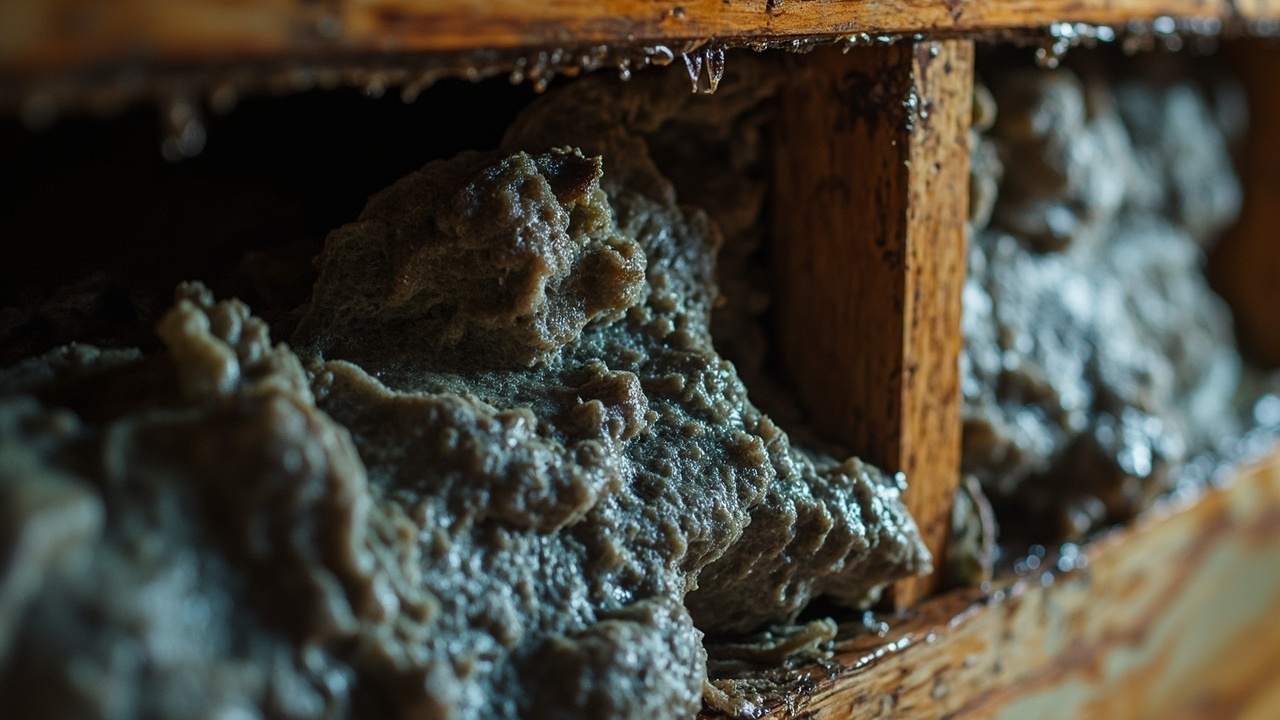
Soggy insulation is not just wet. It is contaminated. Rainwater carries dirt, pollen, and organic matter. Attic dust mixes with the moisture. Mold spores activate. Fiberglass insulation releases particles into the air when disturbed. Cellulose insulation clumps and tears. Removal requires containment, not just shoveling.

We establish negative air pressure in the work zone. HEPA-filtered air scrubbers pull airborne particles out of circulation. We seal off HVAC vents to prevent cross-contamination into living spaces. Technicians wear respirators and protective suits. Damp insulation is bagged in heavy-duty contractor bags and removed from the property the same day.

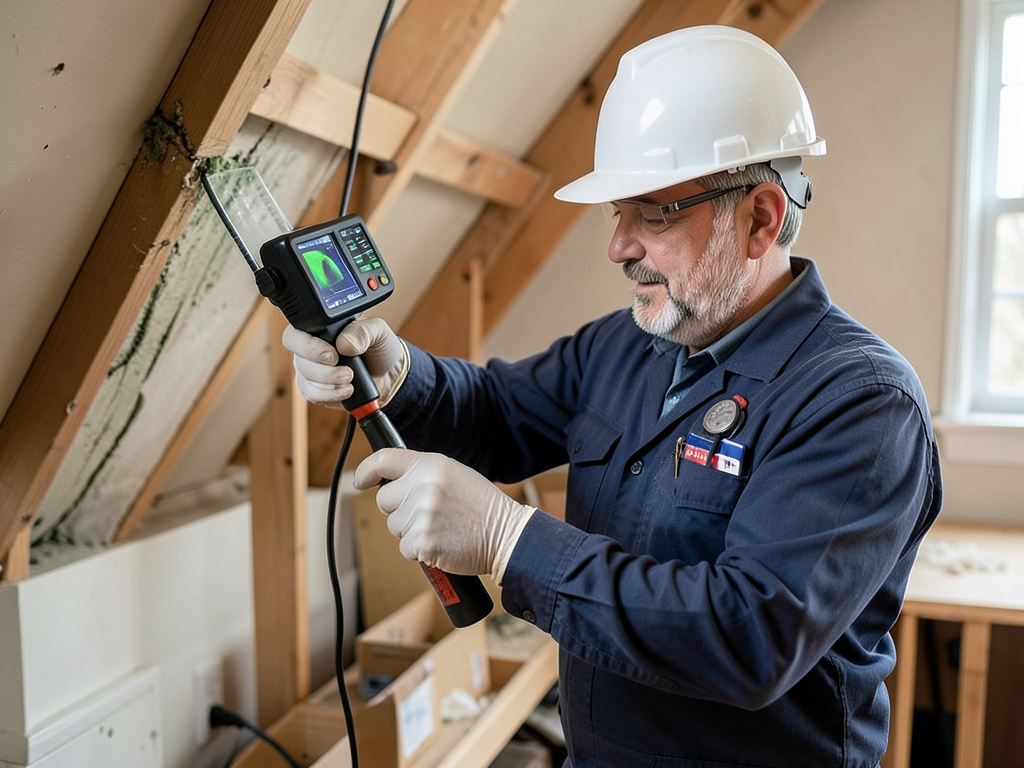
Before we pull a single batt, we document the moisture source. Roof penetrations, plumbing leaks, HVAC condensation lines, and compromised flashing all leave different moisture signatures. We use thermal imaging cameras to map temperature differentials. Moisture meters measure water content in framing lumber. If the wood reads above 19 percent moisture content, it needs drying or replacement.

We do not assume the problem is limited to insulation. We inspect roof decking from below. We check for staining on sheathing panels. We look for nail pops and sagging. If the roof deck is compromised, we document it. You need that information for your insurance claim.

After removal, we treat affected framing with antimicrobial solutions. We run commercial dehumidifiers and air movers until moisture levels drop below 15 percent. Only then do we recommend re-insulation. Rushing this step guarantees future mold growth.

What Happens When You Call Us About Soggy Insulation

Soggy Insulation in Birmingham – Expert Water Damage Diagnosis and Safe Removal
01

Moisture Source Identification

Our technician inspects your attic, roof penetrations, and crawl space to locate the exact water entry point. We use thermal imaging and moisture meters to map the full extent of saturation. You get a written assessment within 24 hours, including photos and moisture readings. We explain what caused the problem and what needs repair before insulation replacement.
02

Contaminated Insulation Removal

We contain the work area with plastic sheeting and negative air machines. Soaked insulation is bagged and hauled off-site. We vacuum residual debris using HEPA-filtered equipment. Framing lumber is treated with antimicrobial spray. We remove damaged vapor barriers and document any structural concerns. The space is left clean and ready for drying.
03

Drying and Prevention

Commercial dehumidifiers and air movers run until wood moisture drops below 15 percent. We take daily readings to confirm progress. Once dry, we assess ventilation and recommend upgrades if needed. You receive a detailed report showing before and after moisture levels. We coordinate with your roofer or plumber to ensure the leak is permanently fixed before new insulation goes in.

Why Birmingham Homeowners Choose Grand Water Damage Restoration Birmingham

Birmingham has no shortage of restoration companies. Most focus on visible water damage. They extract carpet water. They dry out basements. Few understand the nuances of attic moisture intrusion and damp insulation removal.

We specialize in hidden water damage. The kind that festers in crawl spaces and attics. The kind that insurance adjusters miss. We document everything. Our reports include photos, moisture readings, and thermal images. When you file a claim, you have the evidence you need.

Birmingham's older neighborhoods, like Crestwood and Homewood, present unique challenges. Homes built in the 1940s and 1950s have outdated attic ventilation. Ridge vents were not standard. Gable vents are often blocked by storage. When summer heat combines with poor airflow, condensation forms. Insulation absorbs it. We recognize these patterns. We know what to look for in vintage construction.

We also understand Birmingham's storm patterns. May through August brings severe thunderstorms. Roofs take wind damage. Shingles lift. Flashing loosens. Water intrusion happens fast. By the time you notice a ceiling stain, the insulation has been wet for days. We respond quickly. We mobilize within hours, not days.

Our technicians hold IICRC certifications in water damage restoration and applied microbial remediation. We follow ANSI/IICRC S500 standards for water damage remediation. We do not cut corners. We do not leave moisture behind. We do the work right the first time, so you do not pay twice.

You deserve a team that understands the full scope of soggy insulation damage. Not just removal. Complete remediation.

What to Expect When You Hire Us for Saturated Insulation Removal

Same-Day Response for Active Leaks

If you have an active leak and water is still dripping into your insulation, we respond the same day. Our team arrives with containment equipment to stop the spread. We tarp exposed roof sections if needed. We place collection buckets and extract standing water. Emergency mitigation happens first. Full insulation removal is scheduled once the leak source is repaired. You do not wait days while mold colonizes your attic.

Detailed Attic and Crawl Space Inspection

Our technician conducts a thorough inspection before removal begins. We photograph water stains on sheathing and framing. We measure moisture content in wood members. We identify mold growth and document its location. We check for pest damage and structural concerns. You receive a written report with findings and recommendations. This report supports your insurance claim and guides the scope of work. We do not guess. We measure.

Complete Contamination Removal

Damp insulation leaves behind dust, fibers, and mold spores. We do not just pull out the wet batts. We HEPA-vacuum all surfaces. We wipe down framing lumber. We remove damaged vapor barriers and replace them. We treat wood with antimicrobial solutions to kill residual spores. When we finish, your attic or crawl space is cleaner than it was before the leak. You get a space ready for new insulation, not a contaminated shell.

Post-Drying Moisture Verification

We do not declare a job complete until moisture levels are verified. Our technicians take daily readings during the drying process. Wood framing must reach below 15 percent moisture content. Concrete must dry below 12 percent relative humidity. We provide a written certificate of drying with dated moisture readings. This document is critical for insurance closure and future home sales. You have proof the job was done right.

Frequently Asked Questions

You Have Questions,
We Have Answers

Will wet insulation ever dry out? +

Wet insulation rarely dries completely on its own, especially in Birmingham's humid climate. Fiberglass may dry partially if airflow is strong, but cellulose and blown-in materials absorb water like a sponge and stay saturated. Even if the surface feels dry, moisture trapped inside creates a breeding ground for mold and bacteria. The material also loses its R-value when wet, making your HVAC work harder. Birmingham's summer humidity slows evaporation drastically. You need professional extraction, dehumidification, and often complete replacement to restore your attic's thermal barrier and prevent structural rot.

Will mold grow in wet insulation? +

Yes. Mold thrives in wet insulation, especially in Birmingham's warm, muggy conditions. Once insulation gets soaked from roof leaks, pipe bursts, or storm damage, mold spores colonize within 24 to 48 hours. Fiberglass holds moisture between fibers, while cellulose provides organic food for mold. You may smell musty odors before you see visible growth. Mold spreads to wood framing, drywall, and ductwork if ignored. Birmingham's high humidity accelerates this process year-round. Wet insulation must be removed quickly to stop contamination and protect your indoor air quality.

How to fix wet insulation? +

Stop the water source first. Fix the roof leak, broken pipe, or HVAC condensation issue causing the saturation. Remove wet insulation immediately because it will not dry properly in Birmingham's humidity. Fiberglass can sometimes be salvaged if dried within hours, but cellulose and blown-in types must be discarded. Use dehumidifiers and air movers to dry the attic framing and sheathing completely. Inspect for mold, treat affected wood, and replace insulation with fresh material rated for Alabama's climate. Call a water damage restoration professional to handle contaminated insulation safely and prevent recurring problems.

How long does it take for mold to grow on wet insulation? +

Mold can start growing on wet insulation within 24 to 48 hours under the right conditions. Birmingham's heat and humidity create the perfect environment for rapid colonization. Cellulose insulation, made from recycled paper, provides organic material mold feeds on. Fiberglass traps moisture and dust, offering another growth surface. Temperature above 60 degrees and relative humidity above 60 percent accelerate spore germination. If your attic insulation got soaked from a storm or leak, you have a narrow window to act. Delayed response turns a fixable water problem into a costly mold remediation project.

How long does it take wet insulation to dry an attic? +

Drying wet insulation in a Birmingham attic can take weeks or may never happen completely. High summer humidity slows evaporation, and poor attic ventilation traps moisture. Fiberglass may surface-dry in 3 to 7 days with fans and dehumidifiers, but inner layers stay damp. Cellulose and blown-in insulation hold water longer, often requiring full removal. Even if it feels dry, trapped moisture encourages mold and wood rot. Professional water extraction and drying equipment can reduce the timeline, but replacement is usually faster, safer, and more cost-effective than waiting for natural drying in Alabama's climate.

Does insulation need to be replaced after water damage? +

Yes, in most cases. Water-damaged insulation loses its insulating properties and becomes a mold risk. Fiberglass may be salvageable if dried within hours and shows no contamination, but cellulose and blown-in types absorb water deeply and must be removed. Birmingham's humidity prevents thorough drying, leaving residual moisture that degrades R-value and promotes microbial growth. Contaminated insulation from roof leaks or sewage backups requires immediate disposal for health reasons. Replacing damaged insulation restores energy efficiency, improves air quality, and prevents structural decay. A water damage restoration professional can assess salvageability and handle safe removal.

How Birmingham's Humidity and Storm Patterns Accelerate Insulation Water Damage

Birmingham averages 54 inches of rain per year. That is 10 inches above the national average. Spring and summer storms are severe. Hail damages shingles. Wind lifts flashing. Water finds its way in. Once inside your attic, Birmingham's 70 to 80 percent summer humidity prevents evaporation. Soaked insulation stays wet. Mold grows fast. The combination of frequent storms and high ambient humidity makes Birmingham one of the worst climates for attic water damage. Your insulation does not get a chance to dry out before the next storm hits.

Grand Water Damage Restoration Birmingham has worked in every major neighborhood in Jefferson County. We know the common failure points in older homes. We understand local building practices from the 1940s through today. We work with Birmingham roofers, plumbers, and insurance adjusters daily. Our reputation is built on thorough documentation and reliable follow-through. When you hire a local team, you get someone who understands your home's construction, your climate challenges, and your insurance process. You get accountability.
Water Damage Restoration Services in The Birmingham Area

Grand Water Damage Restoration is proud to serve the entire Birmingham area. Our convenient location ensures we can respond to your emergency needs with speed and efficiency. Whether you're a homeowner or business owner, we’re ready to bring our expertise directly to you. View our service area on the map to see how we can provide prompt, professional assistance and restore your property quickly and effectively.

Address:
Grand Water Damage Restoration Birmingham, 401 7th St N, Birmingham, AL, 35203

Additional Services We Offer

Our news updates

Latest Articles & News from The Blogs

Comparing Interior vs Exterior Waterproofing for Your Central Park Basement Living in Central Park means dealing with Birmingham’s heavy rainfall…

Comparing Interior vs Exterior Waterproofing for Your Central Park Basement

Comparing Interior vs Exterior Waterproofing for Your Central Park Basement Living in Central Park means dealing with Birmingham’s heavy rainfall…

Keeping Your Rising West Princeton Home Theater Dry and Mold Free

Keeping Your Rising West Princeton Home Theater Dry and Mold Free Birmingham’s humid subtropical climate creates unique challenges for home…

How High Humidity and Birmingham Pollen Create the Perfect Storm for Attic Mold in Airport Highlands

How High Humidity and Birmingham Pollen Create the Perfect Storm for Attic Mold in Airport Highlands Airport Highlands homeowners face…

Contact Us

Soggy insulation does not fix itself. Every day you wait, mold spreads and wood rots. Call Grand Water Damage Restoration Birmingham at (659) 234-8188. We respond fast. We document everything. We remove contaminated insulation safely. Let us stop the damage before it gets worse.