Menu

Commercial Mold Remediation in Birmingham – Minimize Downtime, Protect Your Assets

Industrial-grade commercial mold removal protocols designed for Birmingham businesses that cannot afford extended closures or lost revenue from contamination events.

Slider Image 1
Slider Image 2
Slider Image 3
Slider Image 4
Slider Image 5
Slider Image 7
Slider Image 8
Slider Image 9
Slider Image 10
Slider Image 11

Mold Contamination Exposes Birmingham Businesses to Liability and Revenue Loss

Birmingham's high humidity levels and aging commercial infrastructure create ideal conditions for mold proliferation in office buildings, warehouses, and retail spaces. When condensation accumulates in HVAC systems or roofing leaks go undetected, you face contamination that threatens employee health, violates OSHA air quality standards, and creates potential litigation exposure.

The cost of inaction escalates rapidly. Commercial mold mitigation delayed by even 72 hours allows spores to colonize porous materials, requiring more aggressive abatement protocols and extended facility closures. Birmingham's proximity to the Cahaba River increases atmospheric moisture levels, particularly in low-lying commercial districts near Railroad Park and the Rotary Trail corridor.

Business mold remediation is not a cosmetic issue. It is a compliance matter. Alabama occupational safety regulations require employers to maintain safe indoor air quality. Visible mold growth or persistent musty odors signal airborne spore concentrations that can trigger respiratory complaints, increase sick leave usage, and create documentation trails during regulatory inspections.

You need containment protocols that prevent cross-contamination between occupied and remediated zones. You need negative air pressure systems that filter spores before discharge. You need documentation that satisfies your insurance carrier and legal counsel. Commercial mold removal demands technical precision, not generic cleaning services. Birmingham businesses operating in historic buildings face additional complexity due to outdated ventilation systems and materials that retain moisture behind period facades.

Mold Contamination Exposes Birmingham Businesses to Liability and Revenue Loss
Containment Engineering and Source Elimination Protocols

Containment Engineering and Source Elimination Protocols

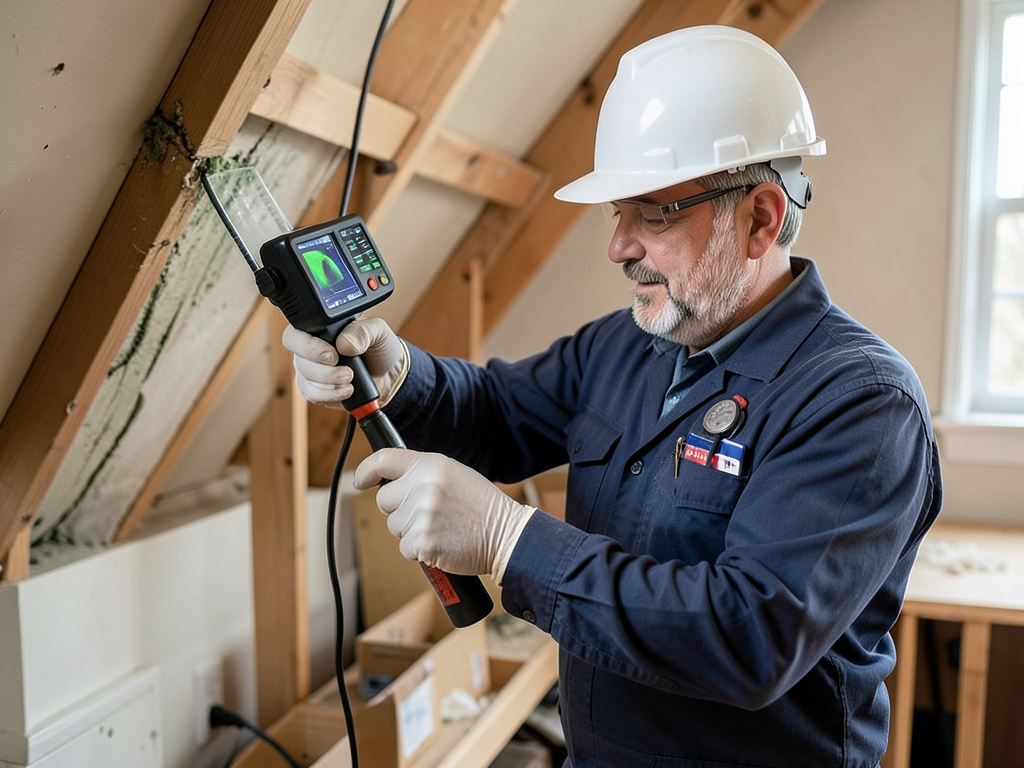
Commercial mold abatement begins with source moisture elimination. Surface cleaning without addressing the underlying water intrusion guarantees recurrence. We deploy thermal imaging cameras to identify concealed moisture in wall cavities, above drop ceilings, and beneath flooring systems common in Birmingham's older commercial buildings.

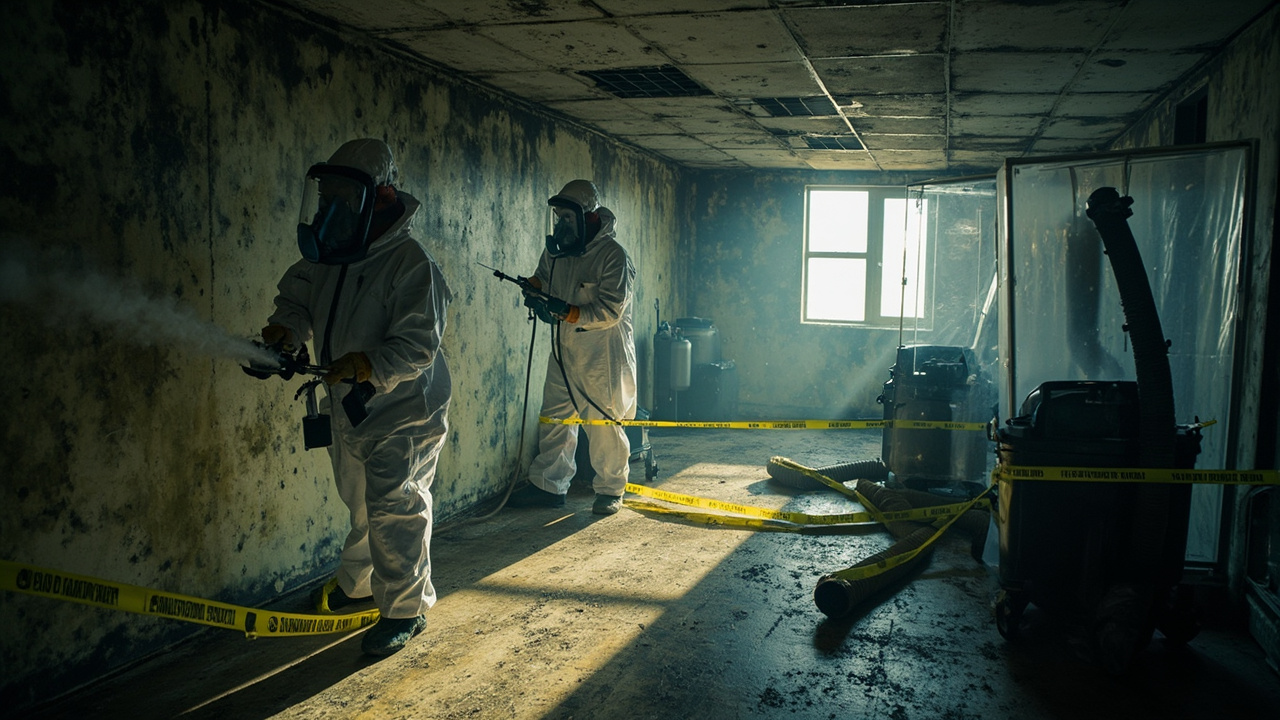
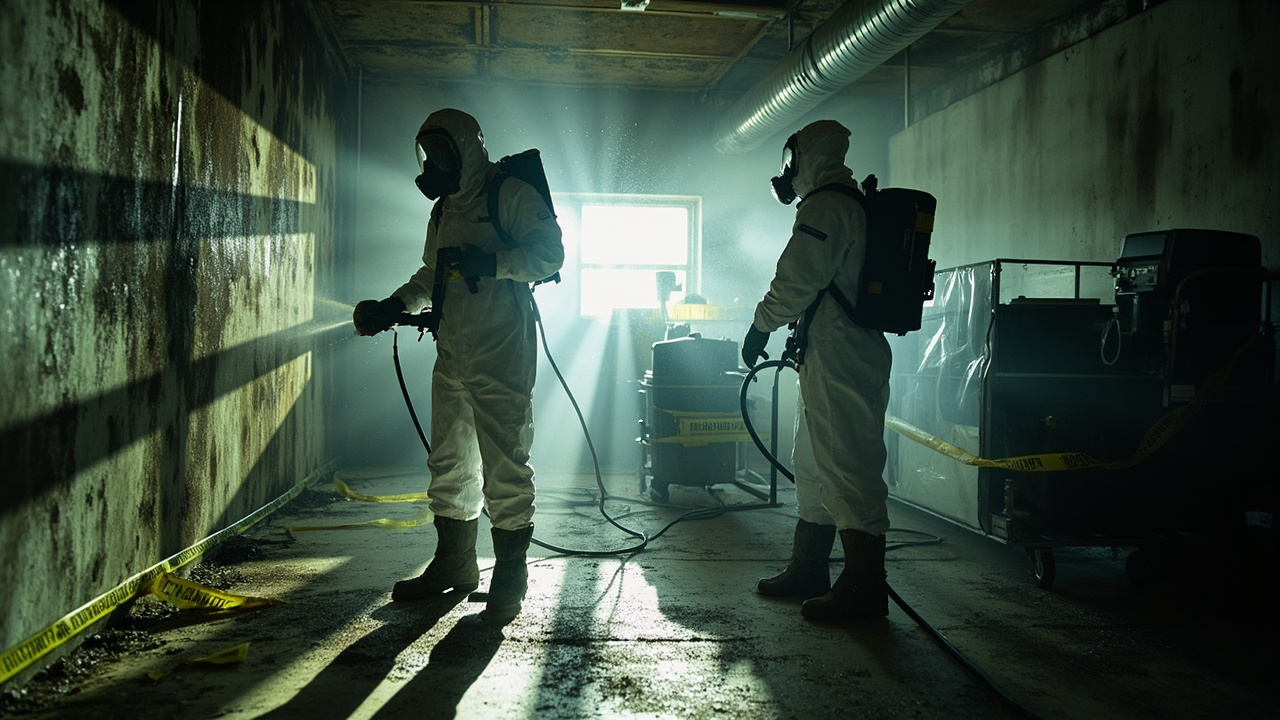
Containment barriers use polyethylene sheeting sealed with negative pressure differential to prevent spore migration into occupied zones. HEPA filtration units cycle air through activated carbon filters, capturing particulates down to 0.3 microns. This engineering approach allows partial facility operations to continue during remediation, reducing total business interruption.

Material removal follows IICRC S520 standards for commercial mold cleanup. Non-salvageable porous materials like drywall, insulation, and ceiling tiles are bagged in sealed containers before transport. Hard surfaces undergo HEPA vacuuming followed by antimicrobial application. We do not use bleach-based solutions, which fail to penetrate porous substrates and leave behind moisture that accelerates regrowth.

Post-remediation verification includes third-party air quality testing. Spore counts must return to baseline levels consistent with outdoor ambient air before we consider a project complete. You receive chain-of-custody documentation for all testing, material disposal manifests, and photographic evidence of pre- and post-conditions.

Birmingham's commercial real estate market demands fast turnarounds. We schedule work during off-hours to minimize operational disruption. For 24-hour facilities like hospitals or data centers, we phase remediation to maintain critical functions. Commercial mold mitigation is project management as much as it is technical execution.

How Business Mold Remediation Projects Actually Work

Commercial Mold Remediation in Birmingham – Minimize Downtime, Protect Your Assets
01

Emergency Assessment and Containment

We deploy within hours of your call to assess contamination scope and establish containment zones. Thermal imaging identifies moisture sources while air sampling quantifies spore concentrations. You receive a written scope of work detailing material removal requirements, timeline projections, and phasing options to maintain business operations during remediation work.
02

Controlled Demolition and Decontamination

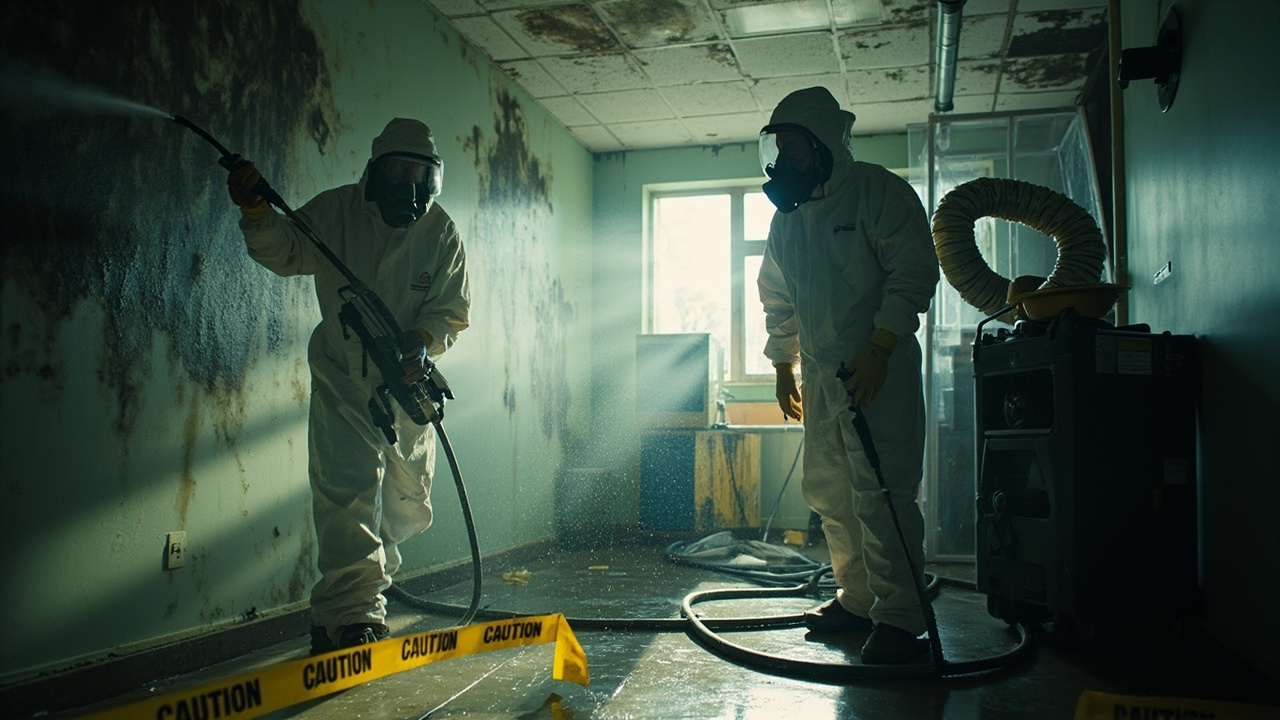
Containment barriers go up before any material removal begins. Negative air machines create pressure differentials that prevent spore migration. We remove compromised materials using HEPA-filtered vacuums and wet methods that suppress airborne particulates. All debris moves through decontamination chambers before leaving the containment zone. Hard surfaces receive antimicrobial treatment after HEPA cleaning.
03

Verification Testing and Documentation

Independent laboratories conduct post-remediation air quality testing to verify spore counts match outdoor baseline levels. You receive comprehensive documentation including pre- and post-remediation photos, air sample lab reports, material disposal certificates, and moisture readings confirming source elimination. This documentation package satisfies insurance requirements and provides legal protection against future liability claims.

Why Birmingham Businesses Choose Local Remediation Expertise

Commercial facilities in Birmingham face unique mold challenges tied to local building stock and climate patterns. Many downtown office buildings date to pre-1980 construction, when vapor barriers and moisture management received less attention. The Southside and Five Points districts contain mixed-use buildings with retail below and offices above, creating vertical moisture migration pathways when roofing systems fail.

We understand Birmingham's seasonal humidity cycles and how summer dew points above 70 degrees create condensation on cold HVAC ductwork. We know which local building inspectors require specific documentation and how to navigate Certificate of Occupancy renewals after remediation work. This local knowledge accelerates project timelines and prevents costly delays.

Alabama does not require state-level mold remediation licensing, which means quality varies dramatically between contractors. We voluntarily maintain IICRC certifications and follow industry standards that many competitors ignore. You get protocols designed for commercial liability protection, not residential shortcuts.

Response time matters when contamination threatens operations. Our Birmingham location allows rapid deployment to facilities in Mountain Brook, Homewood, Hoover, and throughout Jefferson County. We do not dispatch crews from Atlanta or Nashville. Your project gets local technicians familiar with Birmingham's commercial building types and infrastructure.

Insurance coordination is part of our service delivery. We provide detailed estimates that align with commercial policy coverage and work directly with adjusters to document scope justification. This reduces claim disputes and accelerates approval timelines. You get remediation work completed while insurance paperwork processes in parallel.

Commercial Mold Remediation Service Delivery Details

Rapid Response and Project Timeline

Emergency assessment teams deploy within two hours during business hours, four hours after-hours. Initial containment and moisture source elimination begin within 24 hours of contract execution. Most commercial projects complete within five to ten business days depending on contamination extent. Large-scale abatement in multi-story buildings or manufacturing facilities may require phased approaches extending two to three weeks. You receive daily progress updates and can adjust work schedules to minimize operational disruption. We coordinate with your facilities management team to maintain HVAC, security, and utility access throughout remediation.

Technical Assessment and Scope Development

Initial assessments include visual inspection, moisture mapping with thermal imaging, and air quality sampling. We identify the moisture source driving contamination, whether it is roof leaks, plumbing failures, HVAC condensation, or foundation water intrusion. You receive a written protocol detailing containment requirements, material removal specifications, and post-remediation verification testing. This scope document aligns with IICRC S520 standards and provides the technical justification insurance carriers require. We explain findings in operational terms, not technical jargon, so you understand business impact and timeline implications.

Final Deliverables and Clearance

Project completion requires independent laboratory verification that airborne spore concentrations return to normal ambient levels. You receive comprehensive documentation including chain-of-custody air sample reports, material disposal certificates, moisture readings confirming source elimination, and photographic evidence of all work performed. This documentation package satisfies insurance requirements, provides legal protection against future claims, and supports due diligence requirements if you sell or lease the property. We provide digital and physical copies organized for regulatory compliance and long-term archiving.

Post-Remediation Monitoring and Prevention

We provide moisture monitoring recommendations specific to your facility type and Birmingham's climate patterns. This includes HVAC maintenance schedules to prevent condensation, roof inspection intervals, and early warning signs of water intrusion. Quarterly follow-up inspections are available for high-risk facilities like medical offices, food service operations, and buildings with previous water damage history. We train your facilities staff to recognize conditions that precede mold growth, reducing the likelihood of future contamination events. Prevention protocols are customized to your building's age, construction type, and operational requirements.

Frequently Asked Questions

You Have Questions,
We Have Answers

What do professionals use for mold remediation? +

Professional mold remediation relies on HEPA filtration systems, antimicrobial treatments, and containment barriers to prevent cross-contamination. Technicians use moisture meters and infrared cameras to locate hidden water sources driving growth. In Birmingham's humid climate, dehumidifiers and air scrubbers are essential to control ambient moisture levels during remediation. Professionals apply EPA-registered fungicides and encapsulants after physical removal. The goal is source elimination, not just surface treatment. Commercial jobs require negative air pressure systems to protect occupied areas and maintain business operations during the process.

How much is professional mold remediation? +

Commercial mold remediation costs vary based on square footage, contamination severity, and structural accessibility. A small office space may cost several thousand dollars, while large warehouses or multi-story buildings can reach tens of thousands. Birmingham properties with chronic humidity issues or hidden moisture intrusion require more extensive work. Factors include containment setup, HVAC system cleaning, disposal fees, and post-remediation air quality testing. Insurance may cover water damage-related mold if documented properly. The cost of ignoring mold growth includes liability exposure, tenant health complaints, and business interruption, which exceeds remediation expenses.

What is commercial mold remediation? +

Commercial mold remediation is the structured process of identifying, containing, removing, and preventing fungal contamination in business properties. It follows IICRC S520 standards and involves air quality testing, moisture mapping, containment barriers, and HEPA filtration. In Birmingham, commercial properties face mold risk from roof leaks, HVAC condensation, and foundation moisture due to clay soil and high humidity. The process minimizes business downtime while protecting employees and customers. Unlike residential work, commercial remediation requires coordination with building management, compliance documentation, and often after-hours scheduling to maintain operations.

How do companies remediate mold? +

Mold remediation companies follow a protocol: inspection and assessment, containment setup, air filtration, physical removal of contaminated materials, antimicrobial application, cleaning of salvageable surfaces, and verification testing. Technicians establish negative air pressure chambers to prevent spore migration. They remove porous materials like drywall and insulation that cannot be cleaned. Non-porous surfaces receive HEPA vacuuming and antimicrobial treatment. Companies document moisture levels throughout and address the underlying water source. In Birmingham's climate, this often means repairing roof penetrations, improving drainage, or upgrading dehumidification systems to prevent recurrence.

How much does professional mold removal cost? +

Professional mold removal costs depend on contamination extent, location accessibility, and required reconstruction. Small isolated areas may cost a few thousand dollars, while building-wide contamination in commercial properties can require significant investment. Birmingham properties with persistent moisture issues or structural damage from water intrusion face higher costs. Air quality testing, containment, disposal, and post-remediation verification add to expenses. Material replacement, HVAC cleaning, and preventive measures increase total project cost. The investment protects property value, reduces liability, and maintains code compliance. Delayed remediation compounds damage and cost.

What kills mold permanently? +

No single product kills mold permanently. Effective mold control requires eliminating the moisture source. Professionals use EPA-registered antimicrobials, quaternary ammonium compounds, and hydrogen peroxide solutions to kill surface mold. Encapsulants seal residual spores on non-porous surfaces. However, mold returns if humidity exceeds 60 percent or water intrusion continues. In Birmingham's climate, this means fixing leaks, improving ventilation, and controlling indoor humidity through dehumidification. Porous materials like drywall and insulation must be removed and replaced. Permanent control is a system approach, not a chemical solution.

Can black mold be fully remediated? +

Yes, black mold can be fully remediated when professionals follow IICRC S520 protocols. The species Stachybotrys chartarum requires the same containment, removal, and source control as other molds. Porous materials hosting growth must be removed and disposed of properly. Non-porous surfaces can be cleaned and treated. Post-remediation air quality testing verifies clearance. Birmingham properties need moisture control to prevent recurrence. Black mold is not more difficult to remediate than other species, but it signals chronic water problems requiring structural correction. Professional remediation eliminates the contamination when moisture sources are addressed.

How much does Servpro cost for mold removal? +

Servpro pricing varies by franchise, project scope, and regional market rates. As a national franchise, costs may reflect corporate overhead. Local Birmingham remediation companies often provide competitive pricing with more flexible service models tailored to the regional climate and building stock. Compare detailed written estimates that itemize testing, containment, removal, disposal, and verification. Request proof of IICRC certification and Alabama licensing. Focus on scope of work and protocol compliance rather than brand name. Insurance coverage depends on policy terms and damage cause, not the contractor selected.

Is mold remediation tax deductible? +

Mold remediation may be tax deductible for commercial properties as a business operating expense or repair cost. If remediation is part of a larger improvement project that extends property life, it may need capitalization and depreciation. Consult your CPA or tax advisor on IRS Section 162 ordinary and necessary expense rules versus Section 263 capital improvements. Alabama does not have specific mold remediation tax credits. Documentation including invoices, scope of work, and proof of business necessity supports deduction claims. Residential rental property mold remediation follows different rules than owner-occupied commercial buildings.

How hard is it to win a mold lawsuit? +

Winning a mold lawsuit requires proving negligence, causation, and damages with expert testimony and medical documentation. Alabama follows contributory negligence rules, which bar recovery if the plaintiff shares any fault. You must demonstrate the defendant knew or should have known about water intrusion and failed to act. Medical records linking health issues to specific mold exposure are difficult to establish. Property damage claims are easier than personal injury claims. Commercial tenants may have stronger cases if lease terms address maintenance obligations. Cases settle more often than proceed to trial due to litigation costs and evidentiary challenges.

How Birmingham's Humidity and Aging Infrastructure Accelerate Commercial Mold Growth

Birmingham averages 55 inches of annual rainfall with summer dew points regularly exceeding 70 degrees, creating near-ideal conditions for mold proliferation. Commercial buildings in the downtown core and older industrial corridors near Sloss Furnaces often lack modern vapor barriers and rely on outdated HVAC systems that cannot manage moisture loads during humid months. Facilities near the Cahaba River basin face additional ground moisture intrusion through foundation slabs and below-grade walls. These environmental factors make proactive moisture management critical for Birmingham businesses operating in pre-1990 building stock.

Jefferson County enforcement of indoor air quality standards has increased following several high-profile workplace complaints in Birmingham office buildings. Local building inspectors now require comprehensive remediation documentation and post-work verification testing before issuing clearance letters for reoccupancy. Businesses that attempt DIY mold cleanup or hire uncertified contractors face challenges during inspections and insurance claim processing. Working with remediation specialists familiar with Birmingham's regulatory environment and local building department expectations prevents project delays and ensures compliance with Alabama occupational safety requirements.
Water Damage Restoration Services in The Birmingham Area

Grand Water Damage Restoration is proud to serve the entire Birmingham area. Our convenient location ensures we can respond to your emergency needs with speed and efficiency. Whether you're a homeowner or business owner, we’re ready to bring our expertise directly to you. View our service area on the map to see how we can provide prompt, professional assistance and restore your property quickly and effectively.

Address:
Grand Water Damage Restoration Birmingham, 401 7th St N, Birmingham, AL, 35203

Additional Services We Offer

Our news updates

Latest Articles & News from The Blogs

Comparing Interior vs Exterior Waterproofing for Your Central Park Basement Living in Central Park means dealing with Birmingham’s heavy rainfall…

Comparing Interior vs Exterior Waterproofing for Your Central Park Basement

Comparing Interior vs Exterior Waterproofing for Your Central Park Basement Living in Central Park means dealing with Birmingham’s heavy rainfall…

Keeping Your Rising West Princeton Home Theater Dry and Mold Free

Keeping Your Rising West Princeton Home Theater Dry and Mold Free Birmingham’s humid subtropical climate creates unique challenges for home…

How High Humidity and Birmingham Pollen Create the Perfect Storm for Attic Mold in Airport Highlands

How High Humidity and Birmingham Pollen Create the Perfect Storm for Attic Mold in Airport Highlands Airport Highlands homeowners face…

Contact Us

Contact Grand Water Damage Restoration Birmingham at (659) 234-8188 for emergency commercial mold assessment. We deploy rapid-response teams throughout Jefferson County with containment protocols designed to minimize business interruption while eliminating contamination.