
Menu

Choosing a Restoration Company in Birmingham – Get It Right the First Time to Avoid Costly Mistakes

Learn the critical vetting steps, red flags to watch for, and local factors that separate qualified water damage contractors from those who will make your Birmingham property worse.

Slider Image 1
Slider Image 2
Slider Image 3
Slider Image 4
Slider Image 5
Slider Image 7
Slider Image 8
Slider Image 9
Slider Image 10
Slider Image 11

Why Selecting a Water Damage Contractor in Birmingham Is Harder Than It Should Be

Birmingham's humid subtropical climate creates persistent moisture challenges. Average humidity levels hover around 70 percent year-round. Heavy rainfall, aging infrastructure, and clay soil that shifts with temperature changes combine to make water intrusion a chronic problem across neighborhoods like Five Points South, Highland Park, and Homewood.

When water hits your property, you have 24 to 48 hours before mold colonizes drywall and structural materials. That urgency forces property owners to make a snap decision about hiring a water mitigation service. The problem is that not every contractor who claims to handle water damage has the equipment, training, or integrity to do it right.

Selecting a water damage contractor means separating legitimate restoration firms from unlicensed operators running truck-mounted extractors out of storage units. You need to vet restoration contractors who understand moisture mapping, psychrometry, and IICRC S500 standards. You need someone who can navigate insurance adjusters and document the chain of custody for contents claims.

Finding a reputable water damage company in Birmingham requires more than a quick Google search. You need to know what questions to ask, what certifications matter, and what local factors affect the scope of work. A contractor who understands Birmingham's building stock, from early 20th-century bungalows to mid-century brick ranches, will approach structural drying differently than a company that just learned the trade last year.

The wrong choice costs you time, money, and structural integrity. The right choice stops the damage in its tracks.

Why Selecting a Water Damage Contractor in Birmingham Is Harder Than It Should Be
What Separates a Qualified Restoration Contractor from a Liability

What Separates a Qualified Restoration Contractor from a Liability

How to pick a restoration company comes down to technical competence and operational transparency. Start with IICRC certification. The Institute of Inspection Cleaning and Restoration Certification sets industry standards for water damage restoration. A certified firm understands the difference between Category 1 clean water, Category 2 gray water, and Category 3 black water. They know how to classify water intrusion events and adjust extraction and drying protocols accordingly.

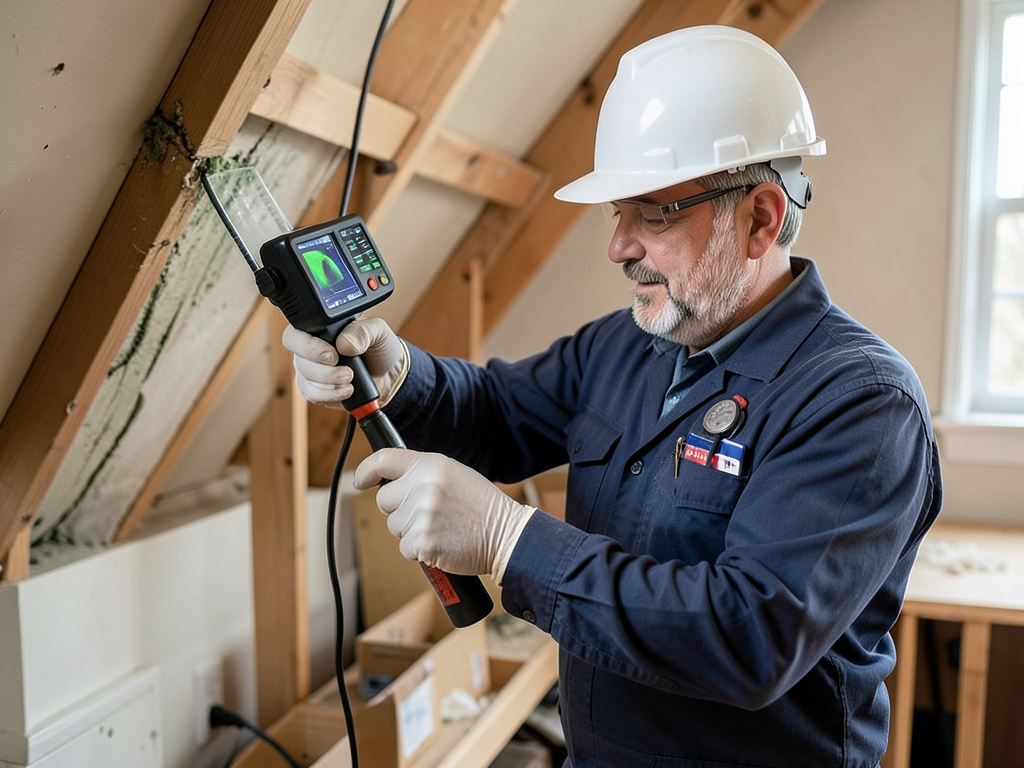
Ask about moisture detection equipment. Thermal imaging cameras, moisture meters, and hygrometers are not optional. A contractor who eyeballs drywall and assumes it is dry is setting you up for mold growth in wall cavities. Proper structural drying requires continuous monitoring of moisture levels and ambient conditions until materials return to dry standards.

Verify insurance coverage. A legitimate restoration contractor carries general liability insurance and workers' compensation. Ask for a certificate of insurance and confirm it directly with the carrier. You do not want to be liable if an uninsured worker gets injured on your property.

Check references and complaint history. Search the Better Business Bureau and verify state licensing if applicable. Ask for references from recent jobs in Birmingham. A contractor who balks at providing references is hiding something.

Evaluate their insurance expertise. Water damage claims involve documentation, scope negotiation, and adjuster coordination. A contractor who understands Xactimate estimating software and can justify line items in a claim will get you a better settlement than someone who just wants to bill your insurance and move on.

Vetting restoration contractors takes time, but it prevents disasters. A bad hire turns a manageable water event into a mold remediation nightmare.

How to Evaluate Contractors Before You Sign Anything

Choosing a Restoration Company in Birmingham – Get It Right the First Time to Avoid Costly Mistakes
01

Verify Credentials Immediately

Before a contractor sets foot on your property, confirm IICRC certification, state licensing, and active insurance coverage. Ask for proof in writing. Check the IICRC directory online to verify the certification is current. Legitimate contractors provide this information without hesitation. If they stall or deflect, move on to the next candidate.
02

Inspect Their Equipment

When the contractor arrives for the initial assessment, look at their tools. Truck-mounted extractors, air movers, dehumidifiers, and moisture meters should be clean, maintained, and professional-grade. A contractor showing up with a shop vac and a couple of box fans is not equipped to handle structural drying. Ask them to explain their drying process and how they will monitor moisture levels daily.
03

Get a Detailed Scope

A qualified contractor provides a written scope of work that outlines extraction, drying, antimicrobial treatment, and reconstruction if needed. The estimate should break down labor, materials, and equipment charges. Avoid contractors who give verbal estimates or pressure you to sign a blank work authorization. A transparent scope protects both parties and ensures the insurance claim is documented properly.

Why Local Birmingham Expertise Matters in Water Damage Restoration

Birmingham's building stock presents unique challenges. Many homes in neighborhoods like Forest Park, Crestwood, and Mountain Brook were built between 1920 and 1960. These properties often have pier and beam foundations, plaster walls, and original plumbing that predates modern PVC. A contractor unfamiliar with these construction methods will struggle to identify hidden moisture pockets and structural vulnerabilities.

Clay soil is another factor. Birmingham sits on expansive clay that swells when wet and shrinks when dry. This cycle causes foundation movement, which cracks slabs and allows water to seep into crawl spaces and basements. A contractor who understands soil mechanics can identify whether foundation issues contributed to the water intrusion and recommend appropriate drainage solutions.

Local building codes and permitting requirements also vary. Jefferson County and the City of Birmingham have specific rules about structural alterations, electrical work, and plumbing repairs. A contractor who regularly works in Birmingham knows which repairs require permits and how to navigate the inspection process. Out-of-town contractors often skip permits, which creates liability for you when you sell the property.

Insurance adjusters in Birmingham are familiar with local contractors. Adjusters know which companies document claims properly and which ones inflate estimates or cut corners. A contractor with a solid reputation among local adjusters will make the claims process smoother. Grand Water Damage Restoration Birmingham has worked with every major insurance carrier in the area. We know how to justify scope, negotiate settlements, and get claims approved without unnecessary delays.

Local expertise is not just a convenience. It is a competitive advantage that saves you time and money.

What to Expect When You Hire a Professional Restoration Contractor

Response Time and Availability

A legitimate restoration company operates 24 hours a day, 7 days a week. Water does not wait for business hours. When you call, you should get a live person, not a voicemail. Emergency response time should be 60 to 90 minutes in the greater Birmingham metro area. The contractor should arrive with extraction equipment and begin mitigation immediately. Delays of more than two hours increase secondary damage and mold risk. Ask about their dispatch process and average response time before you sign a contract.

Initial Assessment and Moisture Mapping

The first visit involves a comprehensive assessment. The contractor uses thermal imaging cameras to identify wet areas behind walls and under flooring. Moisture meters measure water content in drywall, subflooring, and structural framing. They document readings on a moisture map, which tracks drying progress over the next several days. This assessment determines the scope of work and the equipment needed. A contractor who skips moisture mapping is guessing. You need data, not assumptions. The assessment should also include photos for insurance documentation.

Structural Drying and Monitoring

After extraction, the contractor places air movers and dehumidifiers to create airflow and remove moisture from materials. Drying typically takes three to five days, depending on the extent of saturation and ambient conditions. The contractor returns daily to check moisture levels and adjust equipment placement. Drying is complete when materials return to dry standard, which is typically 12 to 15 percent moisture content for wood and less than 1 percent for drywall. The contractor provides a certificate of dryness to confirm the job is complete.

Follow-Up and Reconstruction Coordination

Once the property is dry, the contractor coordinates reconstruction. This may involve replacing drywall, repainting, reinstalling flooring, or repairing plumbing. A full-service restoration company handles both mitigation and reconstruction, which eliminates the hassle of coordinating multiple contractors. They should provide a detailed timeline for reconstruction and keep you updated on progress. After the work is complete, the contractor should walk you through the finished job and answer any questions. Professional contractors stand behind their work and address any issues that arise after the job is done.

Frequently Asked Questions

You Have Questions,
We Have Answers

How to choose a water restoration company? +

Check for 24/7 availability first. Water damage spreads fast in Birmingham's high humidity. Verify IICRC certification and ask how long they've worked in your specific neighborhood. A company familiar with Birmingham's older housing stock and clay soil foundation issues will spot hidden damage faster. Request proof of insurance and ask about their water extraction equipment. Get a written estimate before work starts. Check recent Google reviews from Birmingham residents. Ask if they handle insurance claims directly. Local companies respond faster than national franchises during peak storm season.

Is Servpro a good restoration company? +

Servpro operates as a franchise network with variable quality between locations. Some Birmingham franchises respond quickly and do solid work. Others subcontract extensively. The brand recognition helps with insurance claims processing. However, you pay for national advertising overhead. Local independent companies often provide faster response times and more personalized service for Birmingham's specific challenges like summer storm flooding and high humidity mold growth. Ask your specific franchise about their technician training, equipment inventory, and how many jobs they handle simultaneously during busy seasons.

What's the difference between remediation and restoration? +

Remediation removes the immediate threat. For water damage, this means extracting standing water, removing contaminated materials, and stopping mold growth. You remediate the hazard first. Restoration rebuilds what was damaged. This includes drywall replacement, repainting, and returning your property to pre-loss condition. Think of remediation as emergency triage and restoration as reconstruction. Most Birmingham water damage situations require both services. Remediation happens within 24-48 hours. Restoration follows once the structure is dry and safe. Some companies handle both. Others only do remediation and refer restoration work.

How profitable is a restoration company? +

This question matters if you are considering franchise ownership, not choosing a restoration provider. Profitability varies wildly based on overhead, insurance relationships, and market saturation. Established Birmingham companies with strong insurance networks and repeat commercial clients can be profitable. However, high equipment costs, insurance requirements, and unpredictable demand create financial challenges. Startup franchises often struggle. For customers, profitability is irrelevant. Focus on response time, certifications, and equipment quality instead. A struggling company may cut corners. An established company invests in training and technology.

What questions should I ask a restoration company? +

Ask how fast they can arrive at your Birmingham property. Request their IICRC certifications and years serving the area. Ask what equipment they bring on the first visit. Confirm they handle insurance billing directly and if they work with your specific carrier. Request references from jobs in your neighborhood. Ask how they detect hidden moisture in walls and crawl spaces common to Birmingham homes. Confirm they test for mold and sewage contamination. Ask about their drying timeline and if they monitor moisture levels daily. Request a written scope of work before signing anything.

What are red flags when hiring a contractor? +

No written contract or vague estimates signal trouble. Pressure to sign immediately before insurance approval is a major red flag. Contractors asking for full payment upfront often disappear mid-job. Lack of proper insurance or outdated certifications puts you at risk. Be cautious if they cannot provide local references or have no physical Birmingham address. Subcontracting all work without disclosure means no quality control. Refusing to pull permits for reconstruction work violates code. Generic proposals without property-specific details show they are not assessing damage properly. Trust your instincts if something feels off.

What are the pros and cons of SERVPRO? +

Servpro pros include national brand recognition and established insurance relationships that can speed claims. Most locations have decent equipment and follow standardized processes. Cons include franchise variability. Your Birmingham Servpro may differ drastically from another location. Response times lag during high-demand periods because franchises cover large territories. Pricing often runs higher due to franchise fees and national marketing costs. Technician experience varies since turnover can be high. Local independent companies often provide more personalized service, faster response, and better knowledge of Birmingham's specific water damage challenges like foundation issues and humidity.

Which is better, SERVPRO or Service Master? +

Both are national franchises with similar strengths and weaknesses. Quality depends entirely on your local franchisee, not the brand name. ServiceMaster operates multiple brands including ServiceMaster Restore. Servpro has more locations and brand recognition. Neither guarantees superior service. For Birmingham water damage, local independent companies often outperform both on response time and cost. They know the area's specific challenges like summer storm patterns and older housing stock. Check recent reviews for your specific local franchise of either brand. Better yet, compare them against established Birmingham independents with strong local reputations.

How much does SERVPRO cost per hour? +

Servpro typically does not charge hourly rates for water damage restoration. They bid jobs based on scope, square footage, and damage severity. Emergency water extraction might start around several hundred dollars for small jobs. Larger projects involving structural drying, demolition, and reconstruction run into thousands. Pricing varies significantly between franchises and by project complexity. Insurance often covers costs minus your deductible. For Birmingham properties, get written estimates from multiple companies. Do not focus on hourly rates. Focus on total project cost, response time, and what is included in their scope of work.

What are the 3 R's of recovery? +

The three Rs of disaster recovery are Rescue, Recovery, and Restoration. Rescue means immediate safety actions like stopping water flow and evacuating if necessary. Recovery involves stabilizing the situation through water extraction, drying, and preventing secondary damage like mold. Restoration returns your property to pre-loss condition through repairs and reconstruction. For Birmingham water damage, rescue happens in the first hours, recovery takes days to weeks depending on humidity levels, and restoration can take weeks to months. Professional companies handle all three phases. Skipping proper recovery leads to long-term problems like hidden mold growth.

How Birmingham's Aging Infrastructure Affects Choosing a Restoration Company

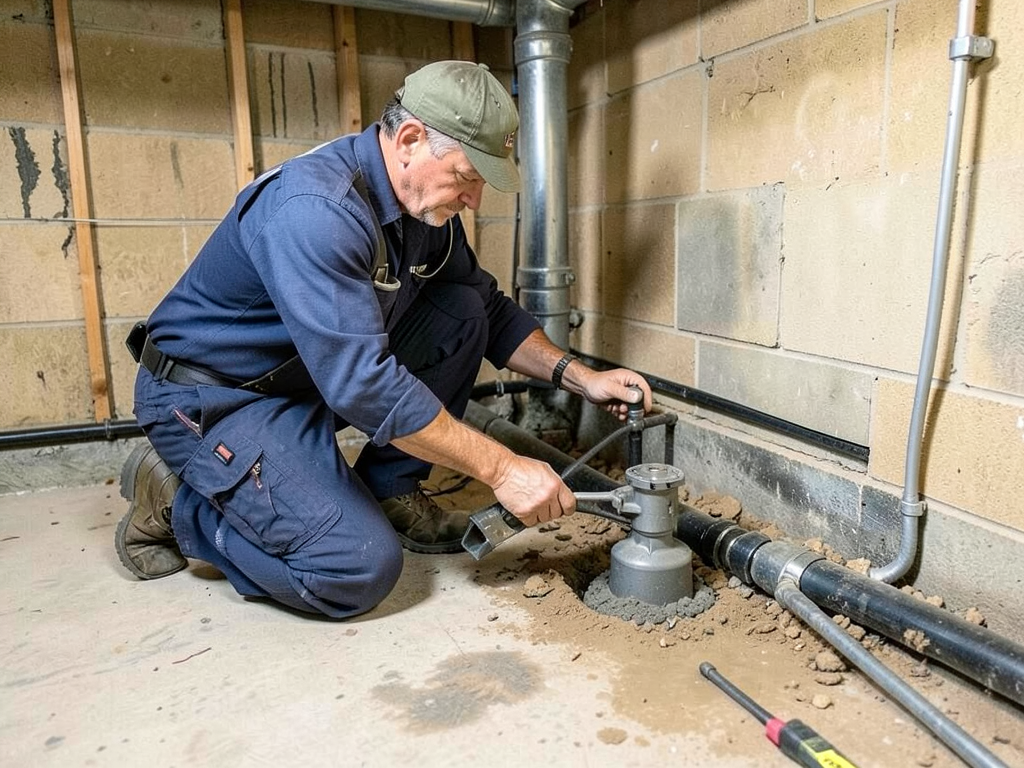
Birmingham's water and sewer infrastructure dates back to the early 20th century. Many neighborhoods still have cast iron sewer lines and galvanized water pipes that are long past their service life. These aging systems fail regularly, causing backups, leaks, and flooding. Selecting a water damage contractor who understands the difference between a supply line failure and a sewer backup is critical. Category 3 black water contamination requires specialized handling, including antimicrobial treatment and disposal of porous materials. A contractor who treats black water like clean water puts your health at risk. Finding a reputable water damage company in Birmingham means finding someone who knows how to classify water intrusion events and adjust protocols accordingly.

Birmingham has a tight-knit restoration community. Contractors, insurance adjusters, and property managers all know each other. Reputation matters. A contractor who cuts corners or overcharges gets blacklisted quickly. Grand Water Damage Restoration Birmingham has built trust through years of consistent, ethical work. We follow IICRC standards, document every step of the process, and communicate transparently with property owners and adjusters. When you hire a local contractor with a proven track record, you get peace of mind. You know the work will be done right, and you know the company will still be here next year if you need follow-up service.
Water Damage Restoration Services in The Birmingham Area

Grand Water Damage Restoration is proud to serve the entire Birmingham area. Our convenient location ensures we can respond to your emergency needs with speed and efficiency. Whether you're a homeowner or business owner, we’re ready to bring our expertise directly to you. View our service area on the map to see how we can provide prompt, professional assistance and restore your property quickly and effectively.

Address:
Grand Water Damage Restoration Birmingham, 401 7th St N, Birmingham, AL, 35203

Additional Services We Offer

Our news updates

Latest Articles & News from The Blogs

Comparing Interior vs Exterior Waterproofing for Your Central Park Basement Living in Central Park means dealing with Birmingham’s heavy rainfall…

Comparing Interior vs Exterior Waterproofing for Your Central Park Basement

Comparing Interior vs Exterior Waterproofing for Your Central Park Basement Living in Central Park means dealing with Birmingham’s heavy rainfall…

Keeping Your Rising West Princeton Home Theater Dry and Mold Free

Keeping Your Rising West Princeton Home Theater Dry and Mold Free Birmingham’s humid subtropical climate creates unique challenges for home…

How High Humidity and Birmingham Pollen Create the Perfect Storm for Attic Mold in Airport Highlands

How High Humidity and Birmingham Pollen Create the Perfect Storm for Attic Mold in Airport Highlands Airport Highlands homeowners face…

Contact Us

Stop guessing. Call Grand Water Damage Restoration Birmingham at (659) 234-8188 now. We will walk you through the vetting process, explain what to look for, and provide a free consultation. You deserve a contractor who does it right the first time.