

Menu

Musty Smells & Odor Removal in Birmingham | Expert Diagnosis and Permanent Elimination

Our certified technicians identify the moisture source causing your odor problem, eliminate mildew at the molecular level, and prevent recurrence with targeted musty smell remediation throughout Birmingham's most humid neighborhoods.

Slider Image 1
Slider Image 2
Slider Image 3
Slider Image 4
Slider Image 5
Slider Image 7
Slider Image 8
Slider Image 9
Slider Image 10
Slider Image 11

Why That Damp Basement Smell Won't Go Away on Its Own

You've tried air fresheners, opened windows, and run dehumidifiers. The musty smell comes back within days. That's because surface treatments don't address what's happening inside your walls, under your floors, or in your crawlspace.

Birmingham's humidity averages 71 percent year-round. Our clay-heavy soil doesn't drain well. When spring storms dump two inches of rain in an hour, water finds its way into basements, crawl spaces, and slab foundations throughout Homewood, Mountain Brook, and Vestavia Hills. That moisture doesn't just sit there. It feeds mold colonies growing on wood joists, drywall backing, and insulation.

The musty odor you smell is microbial volatile organic compounds. Mold and mildew release these gases as they digest organic material. You can't spray them away. You can't cover them with scented candles. Damp smell remediation requires finding the water intrusion point, removing contaminated materials, and treating affected surfaces with antimicrobial solutions.

Many Birmingham homes built before 1990 lack proper vapor barriers in crawl spaces. Older neighborhoods near Red Mountain have homes with stone foundations that allow groundwater seepage. If you smell mildew in your laundry room, bathroom, or basement, you have active moisture problems. The longer you wait, the more extensive the contamination becomes. Removing moldy scents means addressing both the symptom and the source. Surface cleaning only postpones the inevitable return of that telltale damp odor.

The smell isn't just unpleasant. It signals compromised air quality and potential structural damage to floor joists and subfloors.

Why That Damp Basement Smell Won't Go Away on Its Own
How We Eliminate Odors at the Molecular Level

How We Eliminate Odors at the Molecular Level

We don't mask odors. We eliminate their source through moisture mapping, antimicrobial treatment, and air scrubbing.

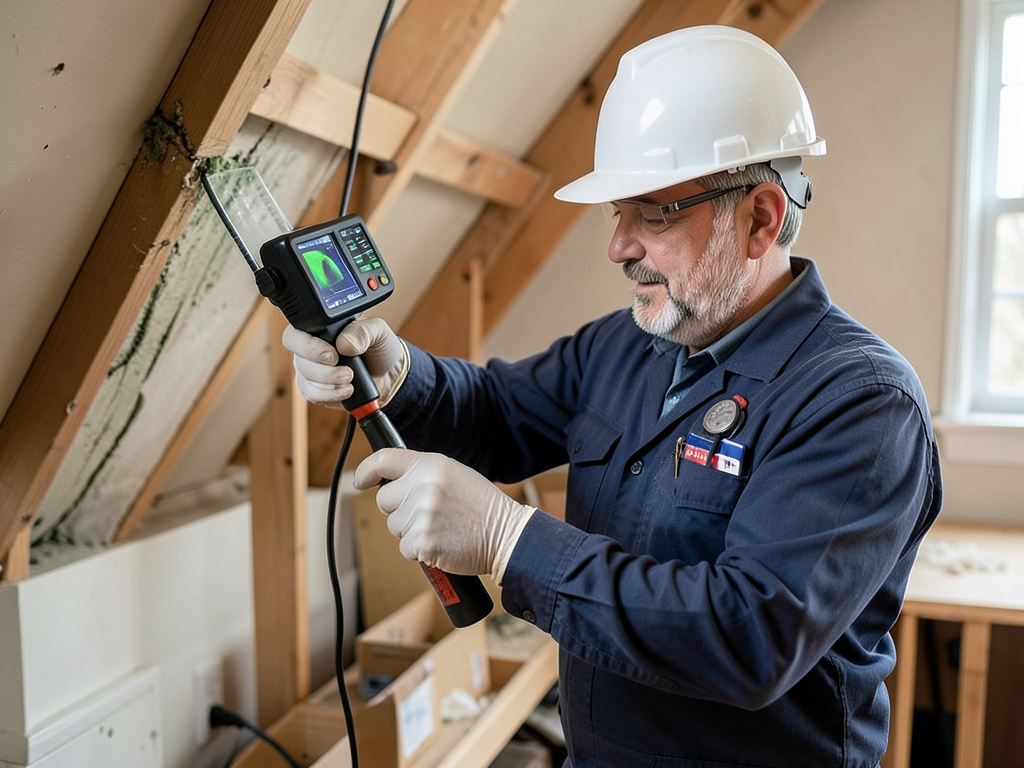
First, we use thermal imaging cameras and moisture meters to identify hidden water intrusion. That musty smell often originates in places you can't see. Behind baseboards. Inside wall cavities. Under vinyl flooring. We measure moisture content in building materials using pin-type and non-invasive meters. Readings above 16 percent in wood or 1 percent in concrete indicate active moisture problems requiring remediation.

Next, we remove water-damaged materials that harbor mold growth. Soaked drywall, wet insulation, and contaminated carpet pad must go. These materials can't be saved. They act as continuous odor sources even after drying. We contain the work area with polyethylene sheeting and negative air pressure to prevent cross-contamination to clean areas of your home.

For structural materials we can save, we apply EPA-registered antimicrobial solutions that kill mold spores and prevent regrowth. We don't use bleach. Chlorine-based products break down rapidly and don't penetrate porous surfaces. Professional antimicrobials bond to surfaces and provide residual protection.

We deploy hydroxyl generators and HEPA air scrubbers to neutralize musty odors suspended in the air. Hydroxyl radicals break down odor molecules through oxidation. This process eliminates smells rather than covering them. We run equipment for 48 to 72 hours depending on contamination severity.

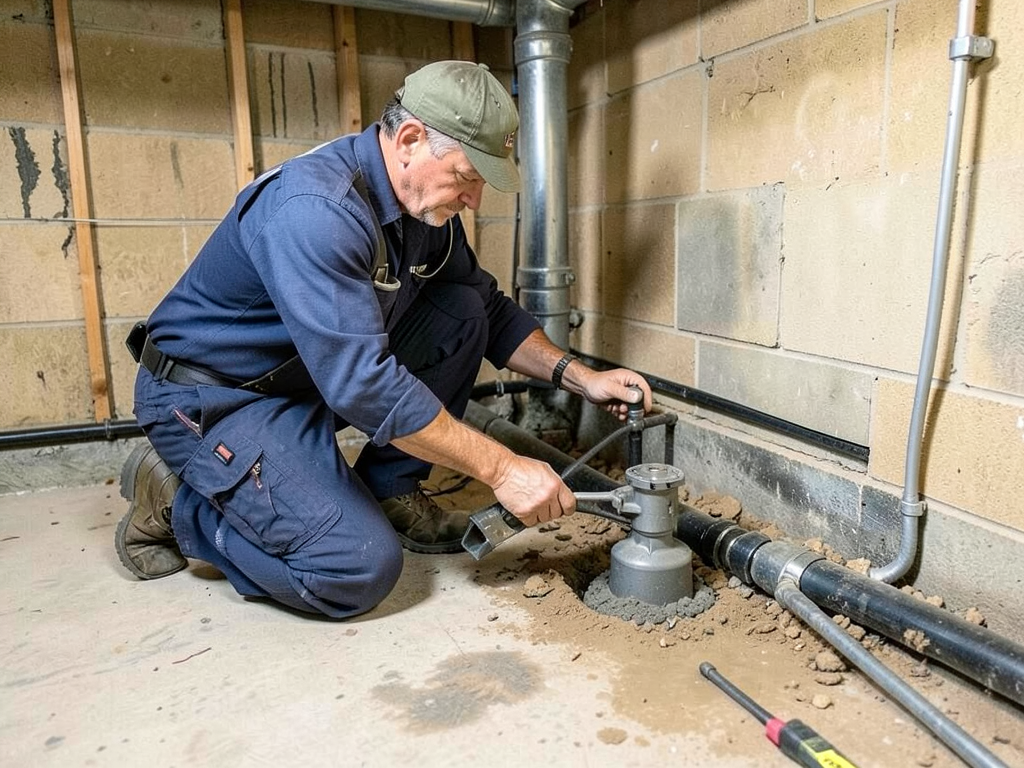
Finally, we address the moisture source. Eradicating water damage smells permanently means fixing the leak, improving drainage, or installing vapor barriers. Without source correction, the problem returns within months.

What Happens During Professional Odor Remediation

Musty Smells & Odor Removal in Birmingham | Expert Diagnosis and Permanent Elimination
01

Moisture Detection and Mapping

We arrive with calibrated moisture detection equipment and begin systematic testing of all suspected areas. Thermal cameras reveal temperature differentials indicating wet building materials behind finished surfaces. We document moisture readings room by room, creating a remediation map that guides our work. You'll see exactly where water has penetrated and how far contamination extends beyond the visible damage.
02

Contaminated Material Removal

After establishing containment barriers, we remove all materials that can't be salvaged. Wet drywall comes out two feet above visible damage to ensure we capture all mold growth. Soaked insulation gets bagged and disposed of properly. We HEPA-vacuum all exposed framing and use wire brushes on heavily contaminated wood surfaces. This physical removal is critical for mildew odor elimination because dead mold still produces odors.
03

Treatment and Air Purification

Once we've removed contaminated materials, we treat remaining surfaces with antimicrobial solutions and seal porous materials to encapsulate any remaining spores. Air scrubbers run continuously, pulling contaminated air through HEPA filters that capture particles down to 0.3 microns. Hydroxyl generators oxidize odor molecules in the air and on surfaces. We verify completion with post-remediation moisture readings and air quality testing before reconstruction begins.

Why Birmingham Property Owners Choose Local Expertise

We've spent years working in Birmingham's unique environment. We know which neighborhoods flood during heavy rain. We understand how Red Mountain's elevation affects drainage patterns in Crestwood and Forest Park. We've seen what happens to crawl spaces in Southside's older brick homes when vapor barriers fail.

That local knowledge matters when diagnosing odor sources. A technician from out of town doesn't know that homes in Crestline Village often have limestone foundations that wick moisture. They won't recognize that many Mountain Brook properties have underground springs that create chronic dampness. We've worked in these neighborhoods for years. We know the building styles, common problem areas, and effective solutions.

Our relationship with local building inspectors smooths the permitting process when remediation requires structural repairs. We understand Birmingham's building codes for mold remediation and moisture control. We know which materials meet local requirements for vapor barriers and antimicrobial treatments. That expertise prevents delays and ensures your project passes inspection the first time.

We also respond faster than national chains. Our trucks are already in your neighborhood. When you call about musty smells in your Homewood basement, we're not dispatching someone from Atlanta or Nashville. We're 20 minutes away, equipped with commercial-grade moisture detection tools and ready to start the diagnostic process.

You'll work with the same crew from assessment through completion. No handoffs to subcontractors. No confusion about who's responsible for what. You get experienced technicians who've solved similar problems in hundreds of Birmingham homes and understand both the technical requirements and the local factors that caused your issue.

What You Can Expect During Remediation

Response Time and Scheduling

We answer calls seven days a week and can typically schedule initial assessments within 24 hours. Emergency situations like sewage backups or flooding get same-day response. The assessment takes one to two hours depending on property size. We provide a written scope of work before starting remediation. Most residential odor removal projects take three to five days from start to finish. That includes containment setup, material removal, treatment, drying time, and air scrubbing. We'll give you a detailed timeline during the assessment so you can plan accordingly. Larger projects or homes with extensive contamination may require additional time.

The Assessment Process

Your assessment begins with a detailed interview about when you first noticed odors, whether they're constant or intermittent, and any water events in the past year. We inspect all potential moisture sources including plumbing, HVAC condensate lines, roof penetrations, and foundation drainage. We use moisture meters on walls, floors, and ceilings throughout affected areas. Thermal imaging identifies temperature anomalies that indicate hidden moisture. We test HVAC systems because contaminated ductwork often distributes musty smells throughout homes. You'll receive a comprehensive report documenting all findings, moisture readings, and recommended remediation steps. We explain exactly what needs to happen and why each step matters.

The Final Result

When we finish, the musty smell is gone. Not masked, gone. We verify completion with moisture readings confirming all materials have dried to acceptable levels. Air quality testing measures airborne spore counts and confirms they're within normal ranges. You'll receive documentation of all work performed including photos of hidden damage, materials removed, and treatments applied. This documentation helps with insurance claims and provides a baseline if you ever sell the property. We leave affected areas ready for reconstruction. All framing is treated, sealed, and dry. The space smells clean because it is clean. No lingering dampness, no residual odors, no hidden mold colonies waiting to regenerate.

Post-Remediation Support

We don't disappear after completing remediation. You get a detailed maintenance plan explaining how to prevent future moisture problems. That includes recommendations for dehumidification, drainage improvements, and moisture monitoring. We'll identify specific risk factors in your property and explain how to address them. If odors return within the first 30 days, we'll reinspect at no charge to verify the source was properly addressed. We also coordinate with contractors if you need foundation repairs, drainage work, or other structural fixes to prevent recurrence. Many clients call us annually for moisture inspections, particularly before Alabama's spring storm season, to catch small problems before they become major issues.

Frequently Asked Questions

You Have Questions,
We Have Answers

How to get rid of a strong musty smell? +

Strong musty smells mean moisture is hiding somewhere. First, find the source. Check crawl spaces, attics, and behind appliances. Birmingham's high humidity makes basements and crawl spaces prime targets. Open windows to increase airflow. Run a dehumidifier to drop moisture levels below 50 percent. Clean all affected surfaces with a vinegar solution or enzyme cleaner. If the smell persists after 48 hours, you likely have hidden mold or water damage inside walls or under flooring. A professional odor removal service uses thermal foggers and hydroxyl generators to neutralize odors at the molecular level, not just mask them.

What is the hardest smell to get rid of in a house? +

Decomposition odors and smoke damage are the hardest smells to remove. Both penetrate porous materials like drywall, insulation, and subflooring. Smoke particles bond to surfaces at a microscopic level. Decomposition releases organic compounds that seep into everything. Standard cleaning fails because odor molecules embed deep into building materials. Professional remediation requires ozone treatment, thermal fogging, or complete material removal. In Birmingham's older homes with wood framing and plaster walls, these odors absorb faster and hold longer. You cannot scrub them away. You need specialized equipment to break down the odor compounds or replace contaminated materials completely.

Will DampRid get rid of musty smell? +

DampRid absorbs moisture in small, enclosed spaces like closets or cabinets. It will not eliminate an existing musty smell throughout a house. DampRid treats the symptom, not the cause. If moisture is actively entering your home through leaks, poor ventilation, or Birmingham's humid climate, DampRid cannot keep up. You need to identify and fix the moisture source first. A whole-home dehumidifier works better for controlling humidity levels. For existing musty odors embedded in carpets, drywall, or insulation, you need enzymatic cleaners or professional odor removal. DampRid is a preventive tool, not a solution for established odor problems.

How to get rid of old lady smell in house? +

That stale, perfumed smell comes from poor ventilation, old fabrics, and dust accumulation. Start by washing all textiles, including curtains, upholstery, and bedding. Steam clean carpets and rugs. Wipe down all hard surfaces with a mild detergent. Open windows daily to flush out stale air, even in Birmingham's humid months. Replace HVAC filters and clean air ducts. Old carpet padding often traps decades of odors. If the smell persists after cleaning, the odor has soaked into subflooring or wall cavities. You may need to remove old carpeting, treat subflooring with an odor encapsulant, or use professional ozone treatment to neutralize embedded smells.

What causes a house to have a musty smell? +

Musty smells signal active mold growth or lingering moisture. Common causes include roof leaks, plumbing failures, poor ventilation, and high humidity. Birmingham homes face constant humidity pressure, especially in crawl spaces and basements. Water intrusion from Alabama's heavy spring rains often goes unnoticed until odors develop. Condensation on cold pipes or HVAC ducts creates moisture. Clogged gutters overflow and seep into walls. Even small leaks behind appliances feed mold growth. The smell comes from microbial volatile organic compounds released as mold digests organic materials. If you smell it, mold is active somewhere. You need to locate the moisture source and eliminate it immediately.

How do you deodorize a house completely? +

Complete deodorization requires eliminating odor sources, not covering them. Remove all trash and clean every surface with appropriate cleaners. Wash all fabrics, including curtains and upholstery. Steam clean carpets. Replace HVAC filters and clean return vents. Open windows to ventilate for several hours. Run a dehumidifier if humidity exceeds 50 percent. For embedded odors in walls or subflooring, surface cleaning fails. You need enzymatic cleaners that break down organic compounds or professional equipment like hydroxyl generators and thermal foggers. Birmingham's humidity reactivates dormant odors, so controlling moisture is critical. If odors return after cleaning, hidden mold or water damage requires professional assessment.

What is the old lady's smell called? +

That smell is often called nonenal odor. It comes from the breakdown of omega-7 unsaturated fatty acids in aging skin. The body produces more of these compounds after age 40, creating a distinct greasy, grassy smell. While the term sounds clinical, the household version combines nonenal with poor air circulation, old fabrics, and dust. The smell clings to bedding, upholstery, and carpets. You cannot eliminate nonenal production, but you can reduce the household smell through frequent laundering, improved ventilation, and regular deep cleaning. If the odor persists after thorough cleaning, it has embedded into porous materials and may require professional treatment or material replacement.

What does toxic mold smell like in a house? +

Toxic mold smells earthy, damp, and similar to rotting wood or wet newspaper. Some species produce sharper, ammonia-like odors. The smell intensifies in enclosed spaces like crawl spaces or behind walls. Birmingham's humidity creates ideal mold conditions, especially in homes with poor ventilation. Black mold specifically smells musty and pungent. If you notice the smell worsening when the AC runs, mold may be growing in ductwork. Toxic mold releases mycotoxins that cause health problems. The smell means active growth. Do not ignore it. Professional testing identifies mold type and extent. Remediation requires containment, removal of affected materials, and moisture control to prevent regrowth.

What absorbs bad smells in a room? +

Activated charcoal and baking soda absorb odors through adsorption, trapping molecules on their porous surfaces. Place open containers in problem areas. Change them every two weeks. Zeolite crystals work similarly and last longer. These solutions work for mild odors in small spaces. They will not eliminate strong smells from mold, smoke, or water damage. For those, you need to remove the source. Birmingham's humidity reduces the effectiveness of absorbent materials because moisture saturates them quickly. If odors persist after using absorbents, you have a deeper problem requiring professional attention. Absorbents treat symptoms. They do not fix moisture intrusion or mold growth.

Is DampRid better than a dehumidifier? +

A dehumidifier is better for whole-home moisture control. DampRid works in small, enclosed spaces like closets. Dehumidifiers actively pull moisture from the air and maintain consistent humidity levels below 50 percent. This prevents mold growth and musty odors. DampRid is passive and stops working once the crystals saturate. In Birmingham's humid climate, a whole-home dehumidifier integrated with your HVAC system provides the best protection. Portable dehumidifiers work for basements and crawl spaces. DampRid costs less upfront but requires constant replacement. For serious moisture problems, dehumidifiers deliver better long-term results and lower costs. Use DampRid as a supplement, not a replacement.

How Birmingham's Clay Soil and Humidity Create Chronic Odor Problems

Birmingham sits in the Jones Valley between Red Mountain and Shades Mountain. Our elevation ranges from 500 to 1,200 feet, creating drainage challenges in lower-lying neighborhoods. The Cahaba River watershed affects groundwater levels throughout Shelby County. When we get heavy spring rains, that water has nowhere to go quickly. Birmingham's soil is primarily Decatur clay and Cullman loam. Clay soil expands when wet and contracts when dry, creating foundation movement that cracks slabs and allows water intrusion. This explains why musty basement smells are so common in older Southside homes and why crawl space moisture affects properties throughout Hoover and Vestavia Hills. The combination of poor drainage and expansive soil creates perfect conditions for chronic dampness.

Grand Water Damage Restoration Birmingham has worked in every Birmingham neighborhood from Avondale to Woodlawn. We've remediated odor problems in Mountain Brook's historic homes, treated flooded basements in Homewood's bungalow district, and addressed moisture issues in newer Hoover subdivisions. That experience matters because we've seen how different construction types respond to Birmingham's climate. We know which drainage solutions work in Red Mountain's rocky soil and which vapor barrier systems perform best in Vestavia Hills' clay. Local expertise means faster diagnosis, more effective solutions, and better long-term results for neutralizing musty odors throughout the greater Birmingham metro area.

Water Damage Restoration Services in The Birmingham Area

Grand Water Damage Restoration is proud to serve the entire Birmingham area. Our convenient location ensures we can respond to your emergency needs with speed and efficiency. Whether you're a homeowner or business owner, we’re ready to bring our expertise directly to you. View our service area on the map to see how we can provide prompt, professional assistance and restore your property quickly and effectively.

Address:
Grand Water Damage Restoration Birmingham, 401 7th St N, Birmingham, AL, 35203

Additional Services We Offer

Our news updates

Latest Articles & News from The Blogs

A Guide to Safe Water Extraction for Local Birmingham Daycares and Preschools Water damage in a daycare facility creates immediate…

A Guide to Safe Water Extraction for Local Birmingham Daycares and Preschools

A Guide to Safe Water Extraction for Local Birmingham Daycares and Preschools Water damage in a daycare facility creates immediate…

Why Your Wylam Rental Might Be at Risk for Mold Due to Poor Window Sealant

Why Your Wylam Rental Might Be at Risk for Mold Due to Poor Window Sealant Window sealant failure in Wylam…

How to Manage a Multi Unit Water Leak in a Highland Park Condominium

How to Manage a Multi Unit Water Leak in a Highland Park Condominium Water damage in a Highland Park condominium…

Contact Us

Call (659) 234-8188 now for same-week assessment and remediation. We'll find the source, eliminate the odor, and prevent it from returning. Our technicians are standing by to answer your questions and schedule your inspection.