Menu

Does Insurance Cover Mold in Birmingham? Get Expert Help Navigating Your Claim

Understanding homeowners insurance mold coverage is critical for Birmingham property owners. We help you determine if mold damage is covered by insurance and guide you through mold remediation insurance claims so you get the coverage you deserve.

Slider Image 1
Slider Image 2
Slider Image 3
Slider Image 4
Slider Image 5
Slider Image 7
Slider Image 8
Slider Image 9
Slider Image 10
Slider Image 11

Birmingham's Mold Problem and the Insurance Coverage Gray Zone

Birmingham's humid subtropical climate creates ideal conditions for mold growth. When you combine 56 inches of annual rainfall with temperature swings that condense moisture inside walls, you get a perfect breeding ground for Stachybotrys chartarum and Aspergillus. The Jones Valley geography traps warm, humid air, keeping indoor relative humidity above 60 percent for months at a time.

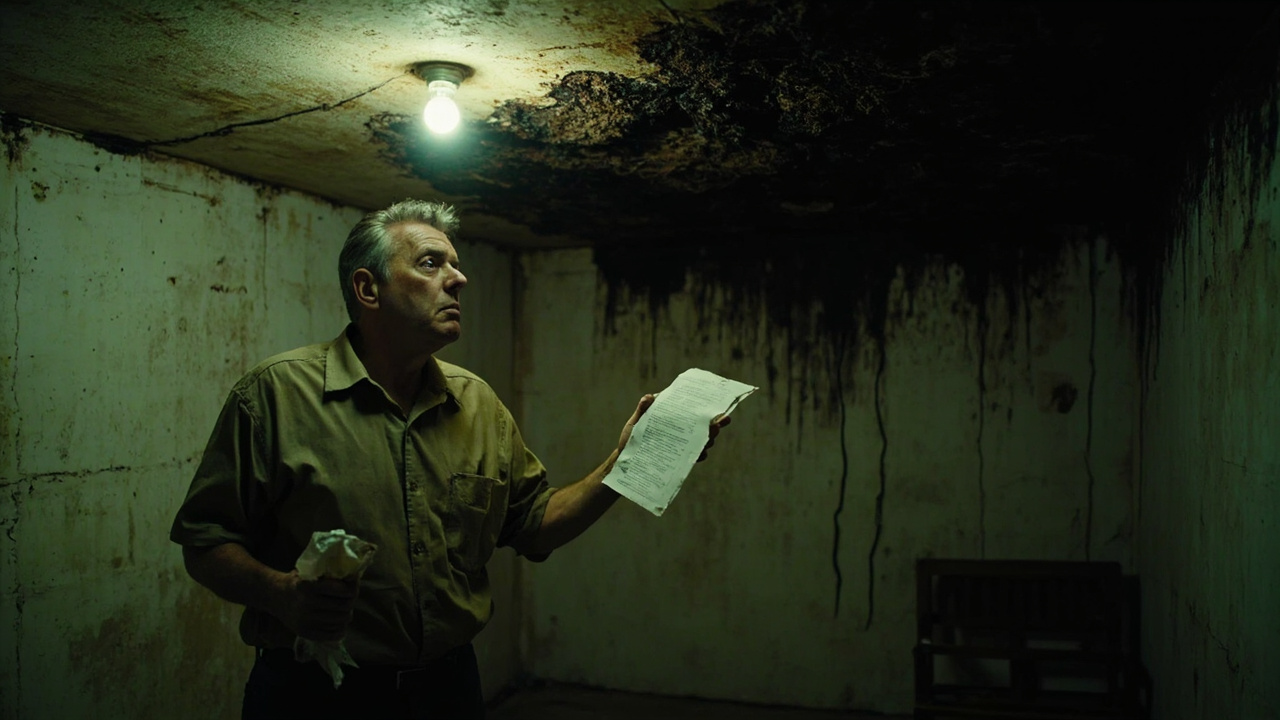
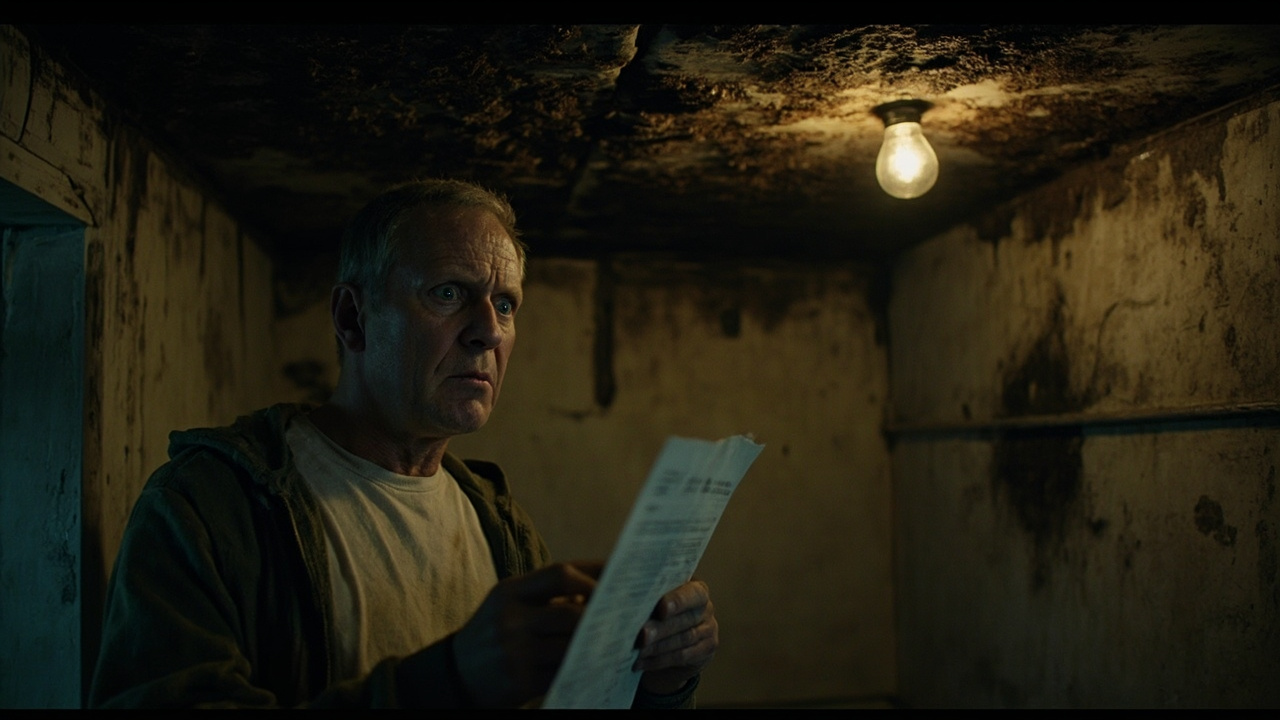
Most Birmingham homeowners discover mold after a slow leak or following storms that damage roofs in historic neighborhoods like Forest Park or Highland Park. You file a claim expecting coverage, then your insurance company denies it. The reason? Most standard homeowners insurance policies exclude mold unless it results from a covered peril like sudden pipe bursts or storm damage.

The question of is mold damage covered by insurance depends entirely on how the mold started. If a covered water loss caused it and you acted quickly, property insurance mold coverage often applies. If the mold grew from chronic humidity, poor ventilation, or deferred maintenance, your claim gets denied. Insurance adjusters look for evidence of neglect. They examine water bills, prior inspection reports, and maintenance records to find reasons to reject does home insurance pay for mold removal claims.

Birmingham's older housing stock complicates matters. Homes built before 1980 often lack proper vapor barriers. Cast iron drain lines corrode and leak inside walls for months before you notice. Clay soil shifts under slab foundations, cracking pipes. These slow-developing problems rarely qualify for mold remediation insurance claims because insurers classify them as maintenance issues, not sudden accidents.

Birmingham's Mold Problem and the Insurance Coverage Gray Zone
How Coverage Actually Works and What Triggers Payment

How Coverage Actually Works and What Triggers Payment

Insurance companies evaluate mold claims using a causation test. They ask: What was the proximate cause of the water intrusion? If a covered event like a burst supply line or roof damage from a windstorm caused water entry, and you took immediate action to dry the structure, homeowners insurance mold coverage typically applies up to your policy sublimit, usually $5,000 to $10,000.

The timing matters critically. Insurance policies require you to mitigate damage immediately. If you discover a leak on Monday but wait until Friday to call a water damage restoration company, the insurer argues you allowed the mold to develop through inaction. They deny the claim. Proper mitigation means calling professionals within 24 to 48 hours of discovery, documenting everything with photos, and starting extraction and drying immediately.

Grand Water Damage Restoration Birmingham works directly with insurance adjusters to document causation chains. We use moisture meters to map affected areas, thermal imaging to find hidden water, and air sampling to quantify mold spore concentrations. This data proves the mold resulted from a covered loss, not neglect. We provide detailed estimates that separate water damage costs from mold remediation costs, making it easier for adjusters to approve property insurance mold coverage.

Most policies differentiate between mold removal and mold remediation. Removal means cleaning visible surface mold. Remediation means containment, air scrubbing with HEPA filtration, removal of contaminated materials, antimicrobial treatment, and post-remediation verification testing. Insurance companies try to authorize minimal removal when full remediation is necessary. We advocate for proper scope based on IICRC S520 standards, ensuring you get adequate mold remediation insurance claims coverage to actually solve the problem, not just mask it temporarily.

How We Help You Maximize Your Mold Insurance Claim

Does Insurance Cover Mold in Birmingham? Get Expert Help Navigating Your Claim
01

Emergency Documentation

We respond immediately to document the loss before conditions change. Our technicians photograph water sources, moisture readings, and visible mold growth. We map the extent of saturation using penetrating and non-invasive moisture meters. This evidence establishes the timeline and proves you acted quickly. We upload documentation to a cloud-based platform your adjuster can access within hours, creating an indisputable record that supports your claim for homeowners insurance mold coverage.
02

Causation Analysis

We investigate the water source to determine if it qualifies as a covered peril. Our team traces supply line failures, identifies storm entry points, and documents sudden equipment malfunctions. We differentiate between sudden water losses and chronic conditions. This analysis directly impacts whether is mold damage covered by insurance in your specific situation. We prepare written causation reports with photos and technical data that adjusters use to approve or deny claims.
03

Claim Negotiation Support

We provide detailed line-item estimates that match insurance company software formats. Our estimates separate structural drying from mold remediation, making it clear which costs fall under water damage coverage and which fall under mold sublimits. When adjusters lowball estimates or deny necessary work, we provide technical justification and scope defense. We have successfully negotiated thousands of does home insurance pay for mold removal claims in Birmingham, maximizing recovery while keeping you compliant with policy requirements.

Why Birmingham Property Owners Trust Our Insurance Expertise

Most water damage companies clean up the mess and leave you to fight with your insurance company alone. Grand Water Damage Restoration Birmingham employs certified insurance claim specialists who understand Alabama Department of Insurance regulations and how local adjusters evaluate losses. We have worked with every major carrier operating in Jefferson County, from State Farm and Allstate to regional providers like ALFA and Homeowners of America.

Birmingham's unique housing challenges require local knowledge. We understand how crawl space condensation in Homewood's hillside homes differs from slab moisture issues in Hoover subdivisions. We know which neighborhoods have cast iron drain systems prone to failure and which have polybutylene supply lines that insurers scrutinize carefully. This geographic expertise helps us document claims in ways that resonate with adjusters familiar with Birmingham construction.

We also understand Alabama's legal framework for insurance disputes. When carriers deny valid mold remediation insurance claims, we provide documentation that supports bad faith litigation if you choose to pursue it. Alabama Code 27-12-24 requires insurers to conduct reasonable investigations and pay valid claims promptly. We have testified as expert witnesses in coverage disputes, and our reports have helped policyholders recover hundreds of thousands in denied property insurance mold coverage.

Our team includes IICRC-certified applied microbial remediation technicians and water damage restoration technicians. This dual certification means we understand both the science of mold growth and the business of insurance claims. We speak the language adjusters understand, using terms like psychrometric calculations, vapor pressure differentials, and equilibrium relative humidity. This technical fluency increases claim approval rates because adjusters trust our assessments over less qualified competitors.

What to Expect When You File a Mold Insurance Claim

Rapid Response Timeline

Speed determines whether your claim gets approved. We arrive within two hours of your call, even on weekends and holidays. Our trucks carry moisture detection equipment, thermal cameras, and sampling supplies. We begin mitigation immediately while documenting conditions for your insurance company. Most adjusters visit within 24 to 72 hours after you file. By the time they arrive, we have already stabilized the loss, mapped the damage, and prepared a preliminary scope. This proactive approach increases approval rates because adjusters see you took the policy-required steps to prevent further damage. We coordinate our schedule with adjuster appointments so we can walk through the loss together and answer technical questions on the spot.

Comprehensive Loss Assessment

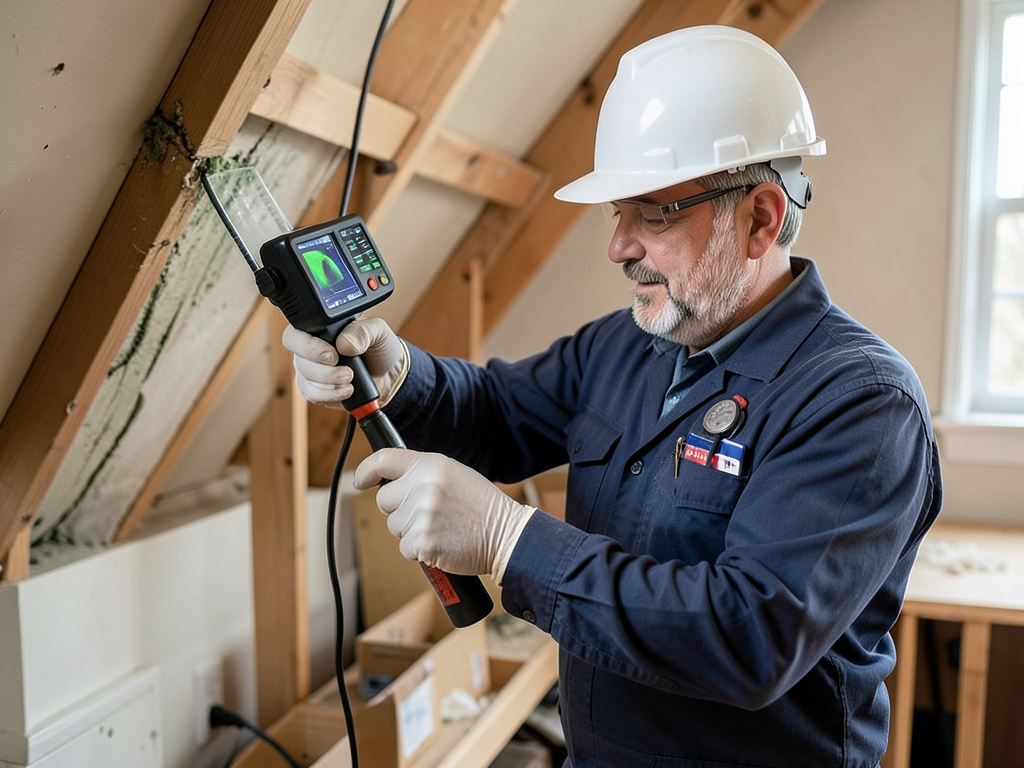
Our initial assessment goes beyond visible damage. We use penetrating pin meters and non-invasive scanners to detect moisture trapped in wall cavities, under flooring, and above ceilings. We measure temperature, relative humidity, and dew point to calculate psychrometric conditions that predict secondary damage. If we find elevated moisture, we map it room by room using FLIR thermal cameras that reveal temperature differentials indicating wet insulation or structural materials. We collect air samples and surface samples to quantify mold contamination. This data determines whether you need simple cleaning or full containment and remediation. The assessment typically takes 60 to 90 minutes and generates a report your insurance company accepts as authoritative documentation.

Professional Remediation Results

Mold remediation follows IICRC S520 protocols, which define industry standards insurers expect. We establish containment barriers using poly sheeting and negative air pressure to prevent cross-contamination. We remove porous materials like drywall, insulation, and carpet pad that cannot be adequately cleaned. We HEPA vacuum and antimicrobial treat structural materials like framing and subfloors. After cleaning, we run air scrubbers with HEPA filtration for 72 hours minimum to reduce airborne spore counts. We conduct post-remediation verification testing by independent labs to prove successful clearance. You receive a detailed report documenting every step, which satisfies insurance requirements and protects you from future liability if you sell the property. The entire process typically takes three to seven days depending on contamination extent.

Ongoing Claim Support

Insurance claims often require multiple rounds of negotiation. Adjusters issue initial payments that fall short of actual costs, forcing you to justify additional expenses. We handle all supplemental estimate preparation, providing photos and technical explanations for disputed line items. If your carrier denies the claim entirely, we prepare appeals with detailed causation analysis and code references. We maintain communication with your adjuster throughout the process, responding to requests for information within 24 hours. Many Birmingham homeowners hire public adjusters after claim denials, but those professionals charge 10 to 20 percent of the settlement. Our advocacy is included in our service fee, meaning you keep more of your insurance recovery. We stay involved until your claim closes and you receive final payment.

Frequently Asked Questions

You Have Questions,
We Have Answers

Should I tell my insurance company about mold? +

Yes, notify your insurance company as soon as you discover mold, especially if it resulted from a covered peril like a burst pipe or storm damage. Document everything with photos and notes before calling. In Birmingham, where high humidity accelerates mold growth, timing matters. Delays can complicate your claim. Be honest about the source and timeline. Your adjuster will investigate whether the mold stemmed from sudden water damage or gradual neglect. Most policies cover mold only when it follows a covered event, so transparency protects your claim.

Can you claim for mold on house insurance? +

You can claim mold on house insurance if it resulted from a sudden, covered water event like a pipe burst or roof leak. Standard homeowners policies in Birmingham typically include limited mold coverage, often capped at $5,000 to $10,000. Long-term moisture problems, poor maintenance, or gradual leaks are usually excluded. Review your policy declarations for mold coverage limits and exclusions. File quickly after discovering water damage, as mold can develop within 24 to 48 hours in Alabama's humid climate. Prompt mitigation strengthens your claim.

What are my rights if my insurance denies a mold claim? +

If your insurance denies a mold claim, request a written explanation citing specific policy language. Review your policy carefully and compare it to the denial reason. You can dispute the decision by providing additional documentation, such as a professional mold assessment or plumber's report proving sudden water damage. Consider hiring a public adjuster or consulting a local attorney familiar with Alabama insurance law. Document all communication. Some denials stem from incomplete evidence rather than true exclusions, so a thorough appeal can reverse the decision.

What is an example of a mold claim for insurance? +

A typical mold claim involves a homeowner discovering water damage from a burst washing machine hose. Water floods the laundry room and soaks drywall. Within 48 hours, mold appears behind the baseboards. The homeowner files a claim immediately, provides photos, and hires a restoration company. The insurance adjuster confirms the burst hose was sudden and accidental. The policy covers water extraction, drying, and mold remediation up to the policy limit. This claim succeeds because the mold resulted directly from a covered peril, not neglect.

Will my rates go up if I file a mold claim? +

Filing a mold claim may increase your premiums, but not in every case. Insurers view mold claims as losses that signal potential future risk. In Birmingham, where moisture issues are common due to humidity and aging homes, a single claim might trigger a rate adjustment at renewal. Multiple claims within a few years almost always lead to higher rates or non-renewal. Weigh the claim payout against potential premium increases. For small mold problems under your deductible or coverage limit, paying out of pocket may be smarter long term.

What to do if you can't afford mold removal? +

If you cannot afford mold removal, contact local restoration companies for payment plans or financing options. Some Birmingham contractors work with financing partners to spread costs over time. Check if your homeowners insurance provides any coverage, even limited. Local nonprofits and community development programs may assist low-income homeowners with emergency repairs. Address the moisture source immediately to stop further growth, even if full remediation waits. Small DIY efforts like improving ventilation and using dehumidifiers can slow mold while you arrange professional help. Ignoring mold worsens health risks and repair costs.

What is the average cost of mold remediation? +

Mold remediation costs vary widely based on the extent of contamination, location, and materials affected. Small jobs confined to a bathroom or closet may cost a few hundred dollars. Larger infestations involving multiple rooms, HVAC systems, or structural materials can reach several thousand dollars. Birmingham homes with crawl space moisture or roof leak damage often require extensive work. Professional assessments, containment, air scrubbing, material removal, and prevention measures all add to the total. Most insurance policies cap mold coverage at $5,000 to $10,000, so out-of-pocket expenses are common.

How much does it cost to fix damp issues in a house? +

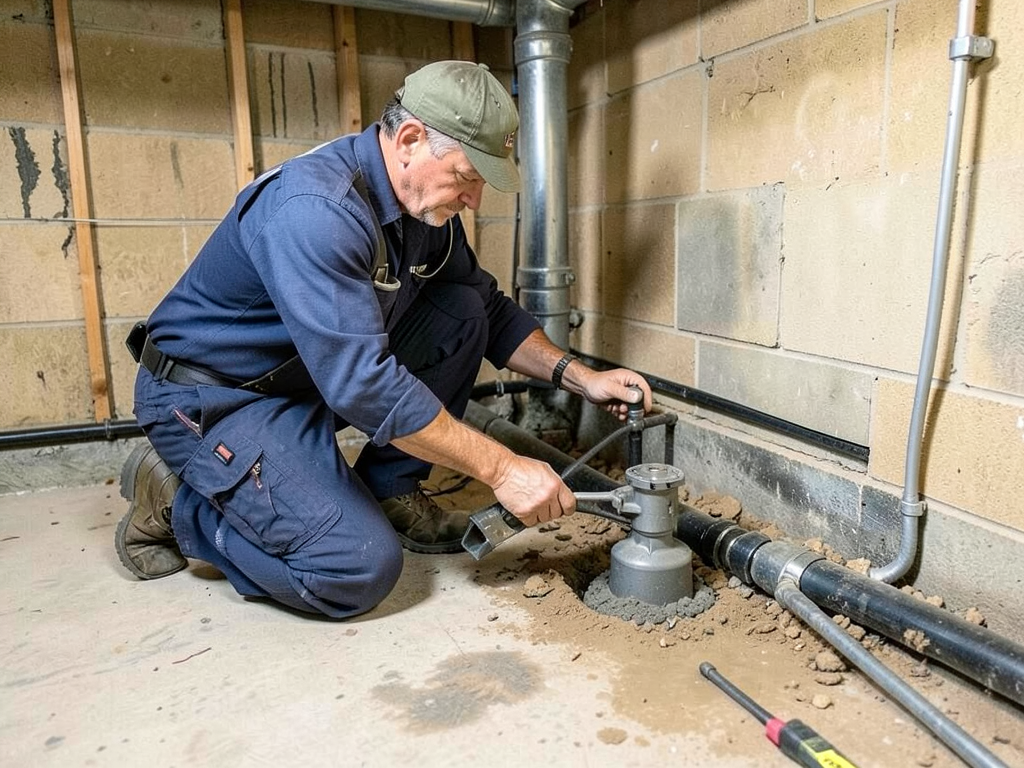
Fixing damp issues in a Birmingham home depends on the source. Crawl space encapsulation, vapor barriers, and dehumidifiers address ground moisture common in Alabama clay soil. Repairing roof leaks, installing proper gutters, and fixing foundation cracks prevent water intrusion. Costs range from a few hundred dollars for minor repairs to several thousand for structural waterproofing. Persistent dampness leads to mold, wood rot, and insect damage. Address drainage and ventilation first. Many Birmingham homes benefit from French drains or sump pumps to manage water around foundations. Prevention is cheaper than remediation.

What are the signs of mold in a house? +

Signs of mold in a Birmingham house include musty odors, visible black or green patches on walls, ceilings, or grout, and water stains. You may notice peeling paint, warped drywall, or discolored baseboards. Health symptoms like persistent coughing, sneezing, or eye irritation can indicate hidden mold. Check high-humidity areas like bathrooms, kitchens, crawl spaces, and attics. Alabama's humid climate creates ideal conditions for growth. Look for condensation on windows or pipes. If you suspect mold behind walls, hire a professional for testing. Early detection prevents costly structural damage.

How to get homeowners insurance to pay for mold? +

To get homeowners insurance to pay for mold, document the water damage immediately with photos and notes. Report the incident within the timeframe specified in your policy. Prove the mold resulted from a sudden, covered event like a pipe burst or storm damage, not gradual neglect. Hire a licensed restoration company to assess and mitigate quickly. Provide detailed invoices, moisture readings, and reports to your adjuster. In Birmingham, where humidity accelerates mold growth, fast action strengthens your claim. Review your policy for mold coverage limits and follow all claim procedures precisely.

Why Birmingham's Climate Makes Mold Insurance Coverage Essential

Birmingham sits in the humid subtropical zone with average relative humidity above 70 percent year-round. Summer dew points regularly exceed 70 degrees, meaning any surface below that temperature collects condensation. Air conditioning systems run constantly from May through September, creating temperature differentials that cause moisture to condense inside wall cavities and attics. The Red Mountain ridgeline blocks prevailing winds, trapping humid air in the valley. Historic neighborhoods with mature tree canopy experience even higher localized humidity because vegetation transpires moisture. These conditions mean Birmingham homes face constant mold pressure. Even properly maintained properties develop mold after water losses because spores colonize within 48 to 72 hours in our climate. This makes understanding homeowners insurance mold coverage absolutely critical for local property owners.

Jefferson County building codes require mold remediation companies to follow IICRC standards, but insurance companies often try to authorize shortcuts that violate those standards. Grand Water Damage Restoration Birmingham knows which local adjusters understand proper remediation protocols and which need education. We have relationships with regional claim managers at major carriers, which helps when field adjusters make incorrect coverage determinations. Our reputation with Birmingham insurance agents also matters. When agents refer clients to us, they know we will document claims properly and communicate professionally with adjusters. This local network increases the likelihood your mold remediation insurance claims get approved quickly without disputes that drag on for months.

Water Damage Restoration Services in The Birmingham Area

Grand Water Damage Restoration is proud to serve the entire Birmingham area. Our convenient location ensures we can respond to your emergency needs with speed and efficiency. Whether you're a homeowner or business owner, we’re ready to bring our expertise directly to you. View our service area on the map to see how we can provide prompt, professional assistance and restore your property quickly and effectively.

Address:
Grand Water Damage Restoration Birmingham, 401 7th St N, Birmingham, AL, 35203

Additional Services We Offer

Our news updates

Latest Articles & News from The Blogs

Comparing Interior vs Exterior Waterproofing for Your Central Park Basement Living in Central Park means dealing with Birmingham’s heavy rainfall…

Comparing Interior vs Exterior Waterproofing for Your Central Park Basement

Comparing Interior vs Exterior Waterproofing for Your Central Park Basement Living in Central Park means dealing with Birmingham’s heavy rainfall…

Keeping Your Rising West Princeton Home Theater Dry and Mold Free

Keeping Your Rising West Princeton Home Theater Dry and Mold Free Birmingham’s humid subtropical climate creates unique challenges for home…

How High Humidity and Birmingham Pollen Create the Perfect Storm for Attic Mold in Airport Highlands

How High Humidity and Birmingham Pollen Create the Perfect Storm for Attic Mold in Airport Highlands Airport Highlands homeowners face…

Contact Us

Do not let your insurance company deny valid mold coverage. Call Grand Water Damage Restoration Birmingham at (659) 234-8188 right now. We respond 24/7 to document losses, begin mitigation, and start your claim on the right path. Every hour you wait reduces your chances of approval.