


Leeds sits in St. Clair County where weather patterns create constant water damage threats. Summer thunderstorms dump 2-4 inches of rain in hours, overwhelming gutters and finding their way into basements and crawl spaces. The clay soil common throughout Leeds absorbs water slowly, pushing runoff toward foundations instead of draining it away. When that water finds a crack or settles around your foundation, it seeps into basements and crawl spaces.
Winter freeze-thaw cycles hit Leeds harder than people expect. Temperatures drop below freezing at night, then climb into the 40s during the day. Pipes in exterior walls and unheated crawl spaces freeze and burst. By the time homeowners discover the break, hundreds of gallons have flooded through walls and ceilings.
Many Leeds homes were built in the 1970s and 1980s. Original plumbing and water heaters are past their service life. Supply lines crack. Water heaters rust through at the bottom. Washing machine hoses split without warning. These failures happen when you're at work or asleep, giving water hours to spread through your home before you discover it.
Grand Water Damage Restoration Birmingham responds to water damage emergencies throughout Leeds within 60 minutes. We keep trucks fully loaded with extraction equipment, air movers, and dehumidifiers so we arrive ready to start water removal immediately. Our technicians train on the latest drying protocols and hold IICRC certifications in water damage restoration and applied structural drying.
We work directly with your insurance company from first contact through final billing. Our team documents damage with photos and moisture readings, provides detailed estimates insurance adjusters accept, and handles claim paperwork so you can focus on getting back to normal. We know what St. Clair County adjusters expect to see in water damage claims and provide documentation that speeds up approval.
Our equipment makes the difference between successful drying and ongoing problems. We use thermal imaging cameras to find hidden moisture behind walls and under floors. Our truck-mounted extraction units pull water from carpets and padding in one pass instead of multiple trips with portable equipment. We place commercial-grade dehumidifiers that pull 10-15 gallons per day out of the air, not the small units that can't keep up with serious flooding.
Every water damage project gets a project manager assigned from start to finish. You get a direct phone number to reach your project manager anytime. They coordinate our crews, communicate with your insurance company, and make sure drying stays on schedule. When we say your property will be dry in four days, we mean it.

Water damage spreads fast. We dispatch crews to Leeds properties within 60 minutes of your call. Our trucks carry everything needed to start extraction and drying immediately, stopping damage from spreading while other companies are still loading equipment.

We document every aspect of water damage with the detail St. Clair County insurance adjusters require. Our team provides estimates in the format insurance companies accept, communicates directly with adjusters, and handles paperwork so your claim moves through approval fast.
Our water damage technicians hold certifications from the Institute of Inspection Cleaning and Restoration Certification. They follow proven protocols for water extraction, structural drying, and antimicrobial treatment. Training means your property gets restored right the first time.
We know how water behaves in Leeds homes. Clay soil drainage problems. Crawl space moisture from poor ventilation. Basement seepage after heavy rain. Our experience with local construction methods and common failure points means faster diagnosis and better results.
Grand Water Damage Restoration Birmingham handles every type of water damage Leeds properties face. We extract standing water, dry structural materials, remove damaged contents, treat for mold growth, and rebuild affected areas. Our services cover emergency water removal when you discover active flooding, structural drying to prevent mold and rot, and full water damage remediation that returns your property to pre-loss condition.
Different water sources require different treatment approaches. Clean water from supply line breaks needs extraction and drying. Gray water from washing machines or dishwashers requires sanitizing treatment. Black water from sewage backups or flood water demands antimicrobial treatment and often material removal. We assess contamination levels and apply the right protocols for safe restoration.
We handle projects from small bathroom floods to whole-house water damage. Single-room incidents get the same professional response as major emergencies. Every project includes moisture mapping, thermal imaging to find hidden water, controlled drying with commercial equipment, and final verification that materials have reached safe moisture levels.
When water floods your Leeds property, immediate extraction prevents damage from spreading. We dispatch crews with truck-mounted pumps that remove hundreds of gallons in minutes. Our team extracts water from carpets, padding, and hard floors, then removes soaked materials that can't be saved. Fast water removal stops drywall from wicking moisture up walls and prevents subfloor damage that requires expensive repairs.
Water hides inside wall cavities, under flooring, and in structural materials. Our technicians use moisture meters and thermal imaging to map exactly where water spread. We place commercial air movers and dehumidifiers to create controlled drying conditions. Daily monitoring tracks moisture levels until all materials reach safe readings. Professional drying prevents mold growth and structural damage that shows up weeks after amateur cleanup.
Water damage often requires removing drywall, flooring, and trim. We handle complete restoration from demolition through final paint. Our crews rebuild walls, install new flooring, replace damaged cabinets, and match finishes to your existing home. You get one company managing your entire project from water extraction through final walkthrough, not multiple contractors working in sequence.
Leeds properties face specific water damage risks tied to local construction methods and climate conditions. Many homes have crawl spaces instead of basements, creating moisture problems when humidity condenses on cool surfaces or groundwater seeps through vents. Poor lot grading pushes rainwater toward foundations instead of away from homes. Clay soil holds water on the surface, where it finds foundation cracks and basement windows.
Older Leeds homes often have cast iron drain lines that rust through from the inside. When drain lines fail under a concrete slab, water spreads through the foundation before homeowners notice slow drains or sewer odors. Supply line failures in attics dump water into insulation and ceilings, causing extensive damage before the leak becomes visible downstairs.
Summer humidity in Leeds stays above 70 percent for weeks. Air conditioners pull moisture from the air, creating condensation at drain pans and supply lines. When drain lines clog or disconnect, water overflows into ceilings and walls. HVAC-related water damage often goes unnoticed until stains appear or drywall softens enough to sag.
Leeds gets several hard freezes each winter. Pipes in exterior walls and crawl spaces freeze when temperatures drop into the teens. When frozen pipes thaw, splits and cracks release water under full pressure. A single burst pipe can flood a home with hundreds of gallons before someone shuts off the main valve.
Many Leeds homes sit on crawl spaces with dirt floors and inadequate ventilation. Groundwater seeps up through soil, creating humidity that condenses on floor joists and subfloors. Persistent moisture causes wood rot, attracts termites, and sends musty odors up into living spaces.
Summer thunderstorms overwhelm gutters and downspouts with sudden heavy rain. Water spills over gutters and pours down exterior walls, finding its way into basements through foundation cracks. Poor grading around homes channels runoff directly toward foundations instead of draining it away from structures.
Water heaters last 8-12 years before tanks rust through at the bottom. When a 40-50 gallon water heater fails, it dumps its entire contents plus ongoing supply line water onto floors. Water spreads through multiple rooms and soaks into walls before homeowners discover the flood.
Water damage creates panic. You discover flooding and need help now. When you call Grand Water Damage Restoration Birmingham, you reach a live person who gathers information about your emergency and dispatches a crew immediately. We ask about the water source, how long water has been present, and which areas are affected. This information helps our crew bring the right equipment and prepare for your specific situation.
Our crew arrives within 60 minutes with a truck full of extraction equipment, air movers, dehumidifiers, and moisture detection tools. The team leader introduces themselves, inspects all affected areas, and explains what needs to happen to stop damage and start drying. You get a clear explanation of the process, timeline, and what to expect over the next few days.
We start work immediately. The crew extracts standing water, moves furniture to dry areas, removes unsalvageable materials, and positions drying equipment. Before leaving, they explain when they'll return to check progress and adjust equipment. You get direct contact information for your project manager and can call anytime with questions.
You get honest answers about what your property needs. Our project managers explain which materials can be saved and which require replacement. We walk you through the drying process timeline and what happens at each stage. You receive daily updates on moisture readings and drying progress. Questions get answered the same day, not two days later.
Our crews arrive in company vehicles wearing uniforms and identification. They protect your property by placing floor protection, containing work areas, and cleaning up thoroughly at the end of each day. Equipment gets positioned for maximum drying efficiency, not convenience. Moisture readings get documented in writing so you and your insurance company can verify proper drying.
We photograph damage before starting work and document findings with moisture readings. You receive detailed estimates written in the format insurance adjusters expect. Our team answers adjuster questions, provides supplemental documentation when requested, and handles billing directly with insurance companies. Your claim moves through approval faster because we provide exactly what adjusters need.
Water damage restoration follows a proven sequence. Skip steps or rush the process and problems show up later. We follow protocols that ensure complete drying and prevent mold growth.
Our crew inspects all affected areas and maps moisture spread using meters and thermal imaging. We identify the water source, determine contamination category, and document damage for your insurance claim. Truck-mounted extraction equipment removes standing water from floors and carpets. Portable pumps handle deep water in basements or crawl spaces. Soaked materials that can't be saved get removed immediately to prevent mold growth.
We position commercial air movers and dehumidifiers to create controlled drying conditions. Air movers circulate thousands of cubic feet per minute across wet surfaces, pulling moisture out of materials. Dehumidifiers remove water vapor from the air before it can condense on cool surfaces. Our technicians monitor moisture levels daily and adjust equipment for optimal drying. The goal is getting all materials to safe moisture levels before mold can establish.
When moisture readings show all materials have reached safe levels, we remove drying equipment and begin restoration. Our construction crews rebuild damaged areas, replace flooring, repair drywall, and match paint colors. You get your property returned to pre-loss condition without coordinating multiple contractors. A final walkthrough confirms everything meets your approval before we close the project.
Professional water damage restoration follows standards established by the Institute of Inspection Cleaning and Restoration Certification. These protocols exist because water behaves predictably in building materials, and restoration requires specific steps in a specific sequence. Shortcuts cause problems that appear weeks or months after cleanup looks complete.
The IICRC S500 Standard guides water damage restoration decisions. It classifies water by contamination level. Category 1 is clean water from supply lines. Category 2 is gray water from appliances or fixtures containing some contamination. Category 3 is black water from sewage or flooding that contains harmful bacteria and requires antimicrobial treatment. Each category requires different handling protocols.
Water migrates through building materials at different rates. Drywall wicks moisture vertically up to 24 inches above the water line. Hardwood flooring cups and crowns as moisture content changes. Carpet padding stays wet long after carpet surface feels dry, creating mold growth underneath. Professional restoration requires measuring moisture in materials, not just visual inspection.
Controlled drying prevents secondary damage. Removing too much moisture too fast causes hardwood floors to crack and drywall to separate at seams. Insufficient dehumidification leaves moisture that feeds mold growth. Our technicians calculate grain depression to maintain ideal drying conditions. Monitoring equipment tracks temperature, humidity, and moisture content multiple times daily.
Insurance companies require documented proof of proper drying. We measure moisture levels in affected materials before starting work, track daily readings during drying, and verify final moisture content meets industry standards. This documentation proves to adjusters that restoration was completed properly and prevents disputes about whether materials were adequately dried.
Water gets classified by contamination level, not source. Category 1 clean water becomes Category 2 after contacting building materials. Category 2 becomes Category 3 after 48 hours or if it contacts sewage. Each category requires specific safety protocols, different equipment, and separate handling procedures for affected materials.
Restoration costs depend on water category, affected area size, and how long water was present before cleanup started. Clean water caught early costs less than sewage contamination that sat for days. Material replacement drives costs up when drywall, flooring, or structural wood requires removal. Insurance typically covers sudden failures but excludes long-term maintenance issues.
Structural drying takes 3-7 days for most residential water damage when handled properly. Small areas with minimal saturation dry faster. Whole-house flooding or water that soaked into structural materials takes longer. Hardwood floors require 10-14 days to stabilize at safe moisture levels. Rushing drying causes more problems than the original water damage.
Insurance companies require specific documentation to approve water damage claims. Photos showing damage extent before cleanup starts. Moisture readings proving how far water spread. Daily logs tracking drying progress. Itemized estimates for repair and replacement. Complete documentation speeds claims approval and prevents disputes about what work was necessary.
This video explains the water damage restoration process for Leeds, Alabama properties. Grand Water Damage Restoration Birmingham demonstrates emergency water extraction, structural drying protocols, and complete restoration services. The video covers common water damage causes in Leeds including storm flooding, burst pipes, and crawl space moisture. Viewers learn what to expect during professional water damage cleanup, how insurance claims work, and why rapid response prevents mold growth and structural damage.
Grand Water Damage Restoration Birmingham serves all of Leeds and surrounding St. Clair County communities. We respond to emergencies throughout the greater Leeds area including Moody, Trussville, Pell City, and Springville. Our service area covers properties along Interstate 20 from the Jefferson County line east through St. Clair County.
Leeds sits between Birmingham and Pell City, giving residents easy access to both cities but also exposing properties to weather patterns that funnel through the Coosa River valley. Homes in the older neighborhoods near downtown Leeds face water damage risks from aging infrastructure and poor drainage systems installed decades ago. These properties often have cast iron drain lines under concrete slabs that rust through, causing slow leaks that damage foundations before homeowners notice problems.
Newer construction in the areas around Leeds Town Center and along Highway 119 typically includes better drainage systems, but rapid development created grading issues where water flows across property lines during heavy rain. Subdivisions built on former farmland often have clay soil that drains poorly, pushing storm runoff toward homes instead of absorbing it. We work in these neighborhoods regularly, extracting water from basements and crawl spaces after summer thunderstorms.
Properties near Choccolocco Creek and tributaries feeding Logan Martin Lake face flooding risks when heavy rain raises water levels fast. Spring storms can dump 4-6 inches of rain in a few hours, causing creeks to jump their banks and push water into low-lying properties. Homes in these flood-prone areas need fast response when water enters to prevent extensive damage to building materials and contents.
The communities along Highway 411 toward Springville and Ashville have many properties with crawl spaces built on hillsides where groundwater seeps through foundation walls. These homes need specialized drainage solutions to prevent recurring moisture problems. Our crews handle both emergency water removal and permanent waterproofing in these areas.
Water damage restoration costs in Leeds vary based on the source, extent, and affected materials. Minor leaks affecting one room typically run lower, while category 3 contamination or structural drying across multiple areas costs more. Factors include extraction needs, antimicrobial treatment, dehumidification time, and material removal. Insurance often covers sudden incidents like burst pipes. Local contractors provide free assessments to identify hidden moisture in crawl spaces and walls common in Leeds homes. The sooner you address water intrusion, the less you pay, since mold growth and structural damage escalate costs quickly.
Yes. Professional restoration prevents long-term structural damage, mold growth, and health hazards that cost far more to fix later. Leeds homes face high humidity year-round, which accelerates deterioration after water intrusion. DIY drying misses hidden moisture in wall cavities and subfloors, leading to rot and mold within days. Certified technicians use moisture meters and thermal imaging to ensure complete drying. Insurance typically covers restoration when you act fast, making professional service a smart financial move. Ignoring water damage destroys property value and creates liability issues if you sell your home later.
Floor repair costs depend on material type and damage severity. Hardwood floors may need sanding and refinishing if caught early, or full replacement if warped. Laminate and engineered wood rarely survive water exposure and require replacement. Tile floors often survive, but subflooring underneath may need repair. In Leeds, crawl space moisture often contributes to floor damage, requiring vapor barrier installation. Professionals assess subfloor integrity using moisture meters before recommending surface repairs. Acting within 24 hours gives you the best chance of saving existing flooring and reducing replacement costs significantly.
Water damage restoration costs in Leeds vary based on the source, extent, and affected materials. Minor leaks affecting one room typically run lower, while category 3 contamination or structural drying across multiple areas costs more. Factors include extraction needs, antimicrobial treatment, dehumidification time, and material removal. Insurance often covers sudden incidents like burst pipes. Local contractors provide free assessments to identify hidden moisture in crawl spaces and walls common in Leeds homes. The sooner you address water intrusion, the less you pay, since mold growth and structural damage escalate costs quickly.
Yes. Professional restoration prevents long-term structural damage, mold growth, and health hazards that cost far more to fix later. Leeds homes face high humidity year-round, which accelerates deterioration after water intrusion. DIY drying misses hidden moisture in wall cavities and subfloors, leading to rot and mold within days. Certified technicians use moisture meters and thermal imaging to ensure complete drying. Insurance typically covers restoration when you act fast, making professional service a smart financial move. Ignoring water damage destroys property value and creates liability issues if you sell your home later.
Floor repair costs depend on material type and damage severity. Hardwood floors may need sanding and refinishing if caught early, or full replacement if warped. Laminate and engineered wood rarely survive water exposure and require replacement. Tile floors often survive, but subflooring underneath may need repair. In Leeds, crawl space moisture often contributes to floor damage, requiring vapor barrier installation. Professionals assess subfloor integrity using moisture meters before recommending surface repairs. Acting within 24 hours gives you the best chance of saving existing flooring and reducing replacement costs significantly.
Response times vary by franchise location and demand, but most water damage companies in Leeds aim for same-day emergency service. Actual restoration duration depends on damage extent. Simple extraction and drying may take three to five days, while major flooding with structural work can extend weeks. Equipment like air movers and dehumidifiers typically run 72 hours minimum to ensure thorough drying. Multiple companies serve the Leeds area, so compare response guarantees and availability. The key metric is how quickly technicians arrive onsite to start extraction, not the brand name.
Most homeowner policies cover sudden and accidental water damage, like burst pipes, appliance malfunctions, or storm-related leaks. They typically exclude gradual damage from neglected maintenance or flooding from external sources, which requires separate flood insurance. In Leeds, claims often involve HVAC condensate line failures and water heater ruptures. Insurance adjusters look for prompt action, so document damage immediately and start mitigation within hours. Restoration companies work directly with insurers, handling paperwork and photo documentation. Read your policy's water damage exclusions carefully and maintain plumbing systems to avoid claim denials.
Water damage restoration requires specialized equipment, labor-intensive processes, and urgent response. Technicians use industrial dehumidifiers, air movers, moisture detection tools, and antimicrobial treatments. The 24/7 emergency response model keeps crews and equipment ready anytime. Hidden moisture behind walls and under floors demands invasive inspection and drying, driving up labor hours. Leeds homes often require crawl space drying and humidity control due to regional climate. Mold prevention adds cost but prevents bigger expenses later. Insurance claims processing and documentation require administrative work. Speed matters because delayed response exponentially increases damage severity and final costs.
The average water damage claim ranges widely based on source and severity. Minor incidents like small leaks may settle for a few thousand dollars, while major flooding or sewage backups can reach five figures. In Leeds, claims often involve roof leaks during storm season, HVAC failures, and plumbing ruptures. Insurance payouts depend on your deductible, coverage limits, and policy exclusions. Category 3 contamination costs more due to disposal requirements and sanitization needs. Document everything with photos and keep repair estimates. Your specific claim amount depends on affected square footage, materials damaged, and restoration scope required.
Mold can begin growing within 24 to 48 hours after water intrusion in Leeds' humid climate. Spores activate when moisture contacts organic materials like drywall, wood, and insulation. Visible mold appears within days, but hidden growth behind walls starts sooner. Temperature and humidity levels accelerate colonization. This tight timeline makes immediate water extraction and drying critical. Professional restoration companies use moisture meters to detect hidden dampness that homeowners miss. Once mold establishes, remediation costs jump significantly. Fast response with industrial dehumidifiers and air movers keeps your property in the safe zone before spores take hold.
Call immediately when you discover water intrusion you cannot control yourself. Burst pipes, sewage backups, appliance floods, or storm damage all require professional response. If water affects multiple rooms, soaks into walls, or sits longer than an hour, you need help. Leeds homeowners should call for hidden moisture concerns in crawl spaces or after roof leaks. Standing water creates safety hazards from electrical risks and contamination. Insurance companies expect prompt mitigation, so delays hurt your claim. Even small leaks warrant assessment since hidden damage spreads. When in doubt, get a free inspection rather than risk mold and structural problems.
Coverage depends on the water source. Sudden pipe bursts, appliance malfunctions, and roof leaks typically qualify for floor damage coverage under standard homeowner policies. Gradual seepage from poor maintenance or external flooding usually gets excluded. Leeds homeowners often face claims from HVAC condensate issues affecting floors. Insurance pays for necessary repairs but may not upgrade to premium materials. Your deductible applies, and depreciation factors into older flooring payouts. Document the water source immediately with photos. Prompt mitigation protects your claim since insurers deny coverage when delayed response worsens damage. Review your policy's water damage section for specific floor coverage terms.
Response times vary by franchise location and demand, but most water damage companies in Leeds aim for same-day emergency service. Actual restoration duration depends on damage extent. Simple extraction and drying may take three to five days, while major flooding with structural work can extend weeks. Equipment like air movers and dehumidifiers typically run 72 hours minimum to ensure thorough drying. Multiple companies serve the Leeds area, so compare response guarantees and availability. The key metric is how quickly technicians arrive onsite to start extraction, not the brand name.
Most homeowner policies cover sudden and accidental water damage, like burst pipes, appliance malfunctions, or storm-related leaks. They typically exclude gradual damage from neglected maintenance or flooding from external sources, which requires separate flood insurance. In Leeds, claims often involve HVAC condensate line failures and water heater ruptures. Insurance adjusters look for prompt action, so document damage immediately and start mitigation within hours. Restoration companies work directly with insurers, handling paperwork and photo documentation. Read your policy's water damage exclusions carefully and maintain plumbing systems to avoid claim denials.
Water damage restoration requires specialized equipment, labor-intensive processes, and urgent response. Technicians use industrial dehumidifiers, air movers, moisture detection tools, and antimicrobial treatments. The 24/7 emergency response model keeps crews and equipment ready anytime. Hidden moisture behind walls and under floors demands invasive inspection and drying, driving up labor hours. Leeds homes often require crawl space drying and humidity control due to regional climate. Mold prevention adds cost but prevents bigger expenses later. Insurance claims processing and documentation require administrative work. Speed matters because delayed response exponentially increases damage severity and final costs.
The average water damage claim ranges widely based on source and severity. Minor incidents like small leaks may settle for a few thousand dollars, while major flooding or sewage backups can reach five figures. In Leeds, claims often involve roof leaks during storm season, HVAC failures, and plumbing ruptures. Insurance payouts depend on your deductible, coverage limits, and policy exclusions. Category 3 contamination costs more due to disposal requirements and sanitization needs. Document everything with photos and keep repair estimates. Your specific claim amount depends on affected square footage, materials damaged, and restoration scope required.
Mold can begin growing within 24 to 48 hours after water intrusion in Leeds' humid climate. Spores activate when moisture contacts organic materials like drywall, wood, and insulation. Visible mold appears within days, but hidden growth behind walls starts sooner. Temperature and humidity levels accelerate colonization. This tight timeline makes immediate water extraction and drying critical. Professional restoration companies use moisture meters to detect hidden dampness that homeowners miss. Once mold establishes, remediation costs jump significantly. Fast response with industrial dehumidifiers and air movers keeps your property in the safe zone before spores take hold.
Call immediately when you discover water intrusion you cannot control yourself. Burst pipes, sewage backups, appliance floods, or storm damage all require professional response. If water affects multiple rooms, soaks into walls, or sits longer than an hour, you need help. Leeds homeowners should call for hidden moisture concerns in crawl spaces or after roof leaks. Standing water creates safety hazards from electrical risks and contamination. Insurance companies expect prompt mitigation, so delays hurt your claim. Even small leaks warrant assessment since hidden damage spreads. When in doubt, get a free inspection rather than risk mold and structural problems.
Coverage depends on the water source. Sudden pipe bursts, appliance malfunctions, and roof leaks typically qualify for floor damage coverage under standard homeowner policies. Gradual seepage from poor maintenance or external flooding usually gets excluded. Leeds homeowners often face claims from HVAC condensate issues affecting floors. Insurance pays for necessary repairs but may not upgrade to premium materials. Your deductible applies, and depreciation factors into older flooring payouts. Document the water source immediately with photos. Prompt mitigation protects your claim since insurers deny coverage when delayed response worsens damage. Review your policy's water damage section for specific floor coverage terms.
Grand Water Damage Restoration is proud to serve the entire Birmingham area. Our convenient location ensures we can respond to your emergency needs with speed and efficiency. Whether you're a homeowner or business owner, we’re ready to bring our expertise directly to you. View our service area on the map to see how we can provide prompt, professional assistance and restore your property quickly and effectively.
Address:
Leeds, AL, 35094
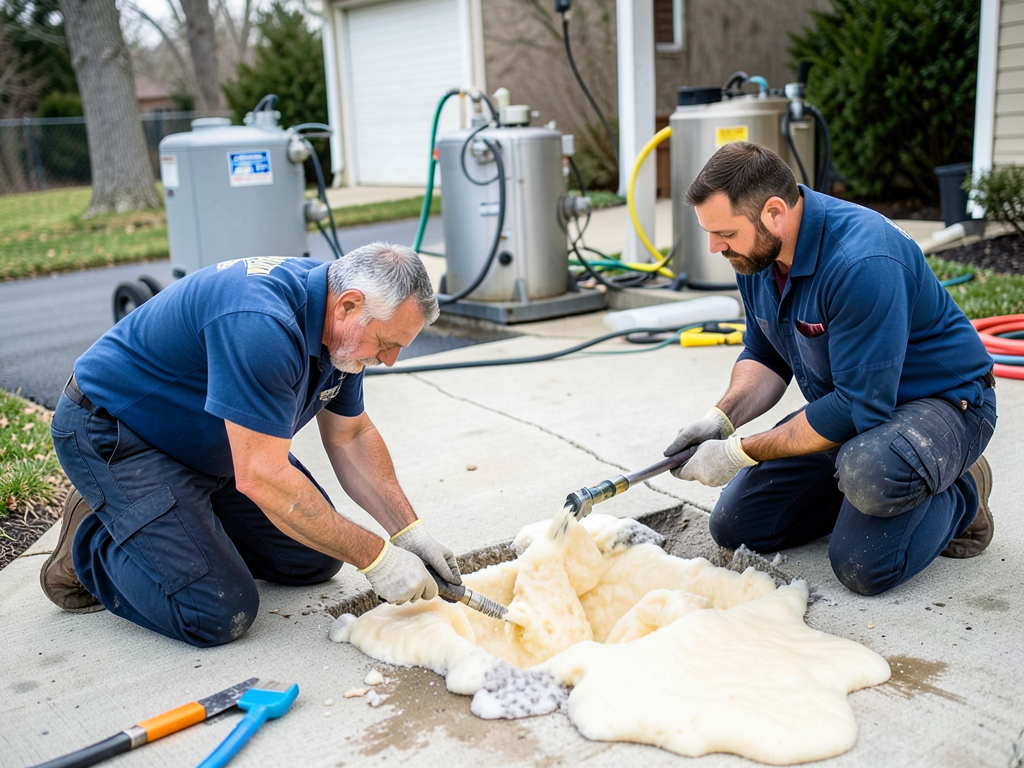
What Happens When a Water Main Break Erodes the Soil Under Your Mason City Driveway When a water main breaks beneath your Mason City driveway the damage happens fast. High-pressure water blasts through the soil…
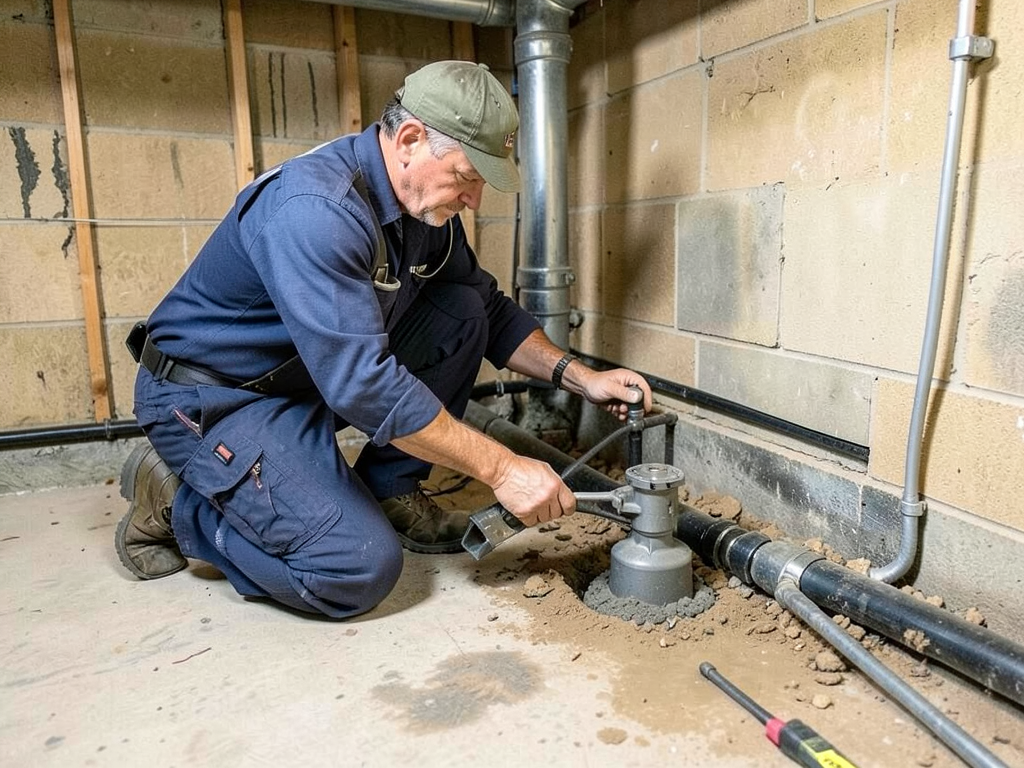
Comparing Interior vs Exterior Waterproofing for Your Central Park Basement Living in Central Park means…

Keeping Your Rising West Princeton Home Theater Dry and Mold Free Birmingham’s humid subtropical climate…
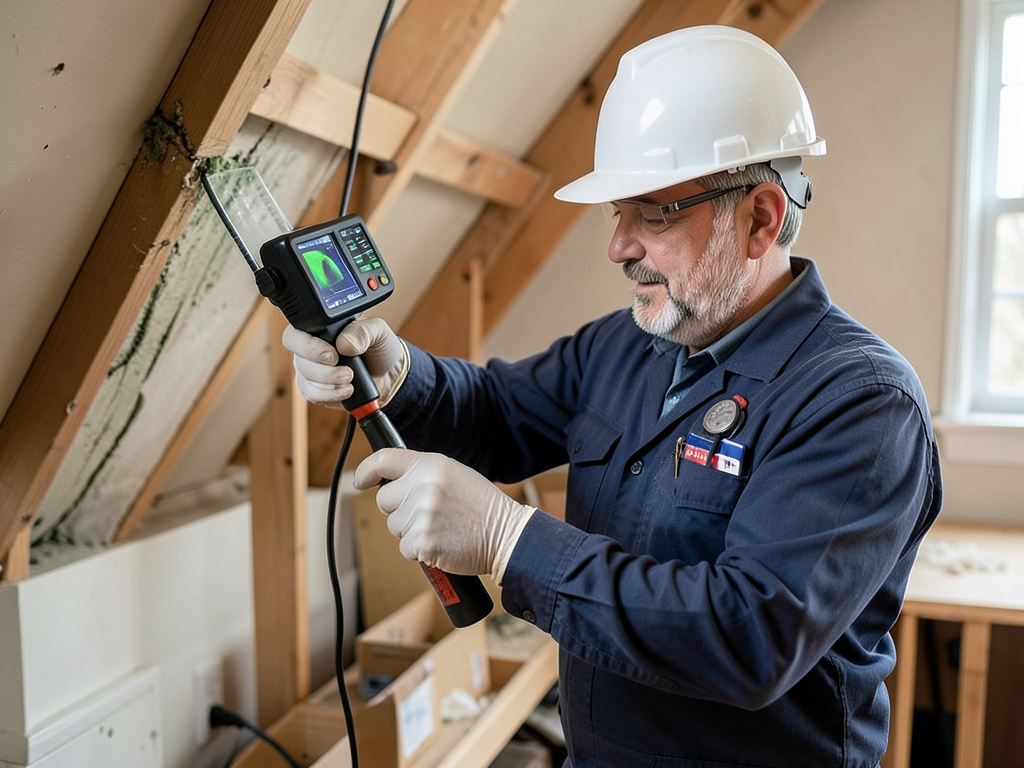
How High Humidity and Birmingham Pollen Create the Perfect Storm for Attic Mold in Airport…
Water damage spreads every minute you wait. Grand Water Damage Restoration Birmingham responds to Leeds emergencies within 60 minutes. Call (659) 234-8188 now for immediate dispatch. Our crews are ready to stop damage and start drying your property right away.