


Fairfield sits in Jefferson County where Birmingham's industrial legacy meets residential neighborhoods built on red clay soil. This clay expands when wet and contracts when dry, creating foundation shifts that crack pipes and water lines. Homes near Valley Creek and Village Creek see seasonal flooding, while properties along Highway 11 experience groundwater intrusion during Alabama's heavy spring rains.
The area's older housing stock, much of it built between 1940 and 1970, contains original plumbing that fails without warning. Cast iron pipes corrode from the inside out, and galvanized water lines develop pinhole leaks that spray water into walls for days before anyone notices. Summer humidity above 70 percent creates condensation in crawl spaces and attics, soaking insulation and feeding mold colonies.
Fairfield's position in the Valley and Ridge region means water flows downhill from surrounding areas during storms, overwhelming drainage systems in low-lying neighborhoods. Properties near Industrial Park see basement flooding when stormwater systems back up. The combination of aging infrastructure, expansive clay soil, and seasonal weather patterns makes Fairfield homes particularly vulnerable to water damage that escalates quickly without professional intervention.
Grand Water Damage Restoration Birmingham has served Jefferson County for years, responding to water emergencies across Fairfield's residential neighborhoods and commercial districts. We know which streets flood first during heavy rain, which neighborhoods have the oldest plumbing, and how quickly mold grows in Alabama's humid climate. This local knowledge means we arrive prepared with the right equipment and realistic expectations about what your property needs.
Our crews live and work in the Birmingham metro area. We've dried out homes near Miles College after pipe bursts, extracted water from businesses along Avenue E after roof leaks, and handled sewage backups in properties near the railroad tracks. We understand how Fairfield's clay soil affects foundation drainage and why crawl spaces stay damp even after water extraction. This experience matters when stopping secondary damage.
We respond within 60 minutes because we know water spreads fast through Fairfield's older homes. Our trucks carry industrial extractors, commercial dehumidifiers, air movers, and moisture meters. We document everything for insurance claims, communicate clearly about timelines, and stay on site until your property is completely dry. Most companies talk about fast response. We prove it by showing up while other companies are still answering their phones.
Our approach focuses on complete moisture removal, not just surface drying. We use thermal imaging to find hidden water in walls and ceilings, test moisture levels in subfloors and framing, and monitor humidity during the entire drying process. Fairfield families choose us because we prevent mold growth and structural damage by doing the work right the first time.

We dispatch crews immediately when you call. Our teams reach most Fairfield properties within 60 minutes, arriving with truck-mounted extractors and commercial drying equipment. Fast response stops water from spreading through walls, soaking into subflooring, and creating conditions for mold growth. Every minute counts when water is actively damaging your property.

We document water damage with detailed photos, moisture readings, and equipment logs that insurance companies accept. Our team communicates directly with adjusters, explaining the scope of damage and necessary remediation. We help Fairfield homeowners navigate claims processes while we focus on drying their properties and preventing secondary damage.
Surface drying isn't enough in Alabama's humid climate. We use thermal imaging to locate hidden moisture, monitor humidity levels throughout the drying process, and verify complete dryness with moisture meters before removing equipment. Our thorough approach prevents mold growth and protects your property's structural integrity long after we leave.
We know Fairfield's clay soil, aging infrastructure, and flooding patterns. This local expertise helps us anticipate problems, bring the right equipment, and set realistic expectations about drying timelines. We've worked in every neighborhood and understand how water behaves in different property types across the area.
Grand Water Damage Restoration Birmingham handles every type of water emergency affecting Fairfield homes and businesses. From sudden pipe bursts to slow roof leaks, sewage backups to flooding events, we provide complete water removal and structural drying services. Our approach addresses immediate water extraction, thorough moisture removal from building materials, and prevention of secondary damage like mold growth and wood rot.
We categorize our services based on water source and contamination level because different situations require different equipment and safety protocols. Clean water from supply lines needs extraction and drying. Gray water from appliances and drains requires sanitization. Black water from sewage or flooding demands contamination control and specialized cleaning. Each category follows specific procedures to protect your health and restore your property safely. Our crews arrive equipped for whatever situation they find, adjusting their approach based on the actual conditions in your Fairfield property.
When water floods your Fairfield property, immediate extraction prevents damage from spreading. Our crews arrive with truck-mounted pumps and portable extractors that remove standing water within hours. We extract water from carpets, padding, and subflooring, then begin structural drying to prevent moisture from migrating into walls and insulation. Fast extraction stops water from wicking up drywall, soaking into wood framing, and creating permanent damage. We work around the clock during active flooding situations, removing water faster than it can cause secondary problems.
After water extraction, thorough structural drying prevents mold growth and material degradation. We place commercial dehumidifiers and air movers throughout affected areas, creating airflow that pulls moisture from walls, floors, and ceilings. Thermal imaging cameras locate hidden moisture pockets behind walls and under flooring. We monitor humidity levels and material moisture content daily, adjusting equipment placement and airflow patterns to speed drying. This process typically takes three to five days but varies based on materials affected and Fairfield's ambient humidity levels.
Sewage backups and flood water contain bacteria, viruses, and chemical contaminants that make properties unsafe. Our teams use personal protective equipment and follow IICRC protocols for handling contaminated materials. We remove porous materials that can't be sanitized, apply antimicrobial treatments to surfaces, and use HEPA filtration during cleanup. Contamination control requires specialized training and equipment to protect your family's health. We isolate affected areas, control airborne particles, and verify safe conditions before allowing reoccupancy of your Fairfield property.
Fairfield's aging housing stock and challenging soil conditions create specific water damage vulnerabilities. Properties built on expansive clay experience foundation movement that stresses plumbing connections. Older homes contain plumbing systems approaching or exceeding their design life, making sudden failures common. Seasonal weather patterns bring heavy rain that overwhelms drainage systems and exposes roof vulnerabilities. Understanding these local risk factors helps homeowners recognize warning signs before minor issues become major damage events.
The combination of high humidity, poor crawl space ventilation, and aging building materials creates perfect conditions for hidden water damage. Many Fairfield homes have moisture problems developing slowly behind walls and under floors, discovered only when mold appears or floors start sagging. These situations require professional assessment because the visible damage represents only a fraction of the total moisture intrusion affecting the property.
Fairfield's expansive clay soil shifts with moisture changes, creating stress on rigid plumbing connections. Water lines crack at joints, supply lines separate from fixtures, and sewer laterals fracture underground. These failures flood homes with hundreds of gallons before anyone shuts off the main valve. Foundation movement happens gradually but pipe failures happen suddenly, requiring immediate water extraction and structural drying to prevent permanent damage.
Alabama's severe weather exposes vulnerable roof areas that leak during heavy rain. Water enters through damaged flashing, worn shingles, and deteriorated valley seals, soaking attic insulation and ceiling materials. These leaks often go unnoticed until water stains appear or ceilings sag. By then, moisture has compromised insulation, grown mold in attic spaces, and weakened ceiling joists, requiring extensive remediation beyond simple roof repair.
Water heaters, washing machines, and dishwashers fail without warning in Fairfield's older homes. Supply hoses burst under pressure, drain connections leak during operation, and tank failures dump 40 to 80 gallons across floors. Water spreads quickly through open floor plans, soaking into carpets, cabinets, and drywall. Fast response limits damage, but delayed discovery allows water to migrate into wall cavities and subflooring where it causes hidden structural problems.
Many Fairfield homes sit on crawl spaces that collect groundwater during heavy rain. Poor drainage, high water tables, and clay soil that channels runoff create standing water under homes. This moisture soaks floor joists, encourages mold growth, and creates humidity that rises into living spaces. Crawl space flooding requires water removal, structural drying, and often drainage improvements to prevent recurring problems that compromise your home's foundation and air quality.
Water damage creates stress and uncertainty. You need clear information about what happens next, how long restoration takes, and what to expect during the drying process. Grand Water Damage Restoration Birmingham follows a structured approach that prioritizes immediate damage control, thorough moisture removal, and clear communication throughout the project.
When you call our emergency line, we dispatch a crew immediately while gathering information about your situation. Our team leader arrives first to assess damage extent, identify the water source, and begin extraction if water is still present. We explain what we find, what equipment we'll use, and how long drying typically takes for your specific situation. Most Fairfield homeowners appreciate knowing the plan before work begins because it reduces anxiety during an already stressful situation.
Our dispatch team answers calls 24 hours a day and sends crews immediately to Fairfield properties. Within 60 minutes, our team leader walks through your property, locating all affected areas with moisture meters and thermal imaging. We identify the water source, determine contamination level, and develop an extraction and drying plan specific to your situation. You receive a clear explanation of what we found, what needs to happen, and realistic timelines before any work begins.
Water damage restoration isn't a set-it-and-forget-it process. Our technicians visit daily to monitor moisture levels, adjust dehumidifier settings, and reposition air movers for optimal drying. We document progress with moisture readings and share updates about drying timelines. If we discover hidden moisture or encounter unexpected complications, we explain what changed and why additional work is needed. This daily contact keeps you informed and ensures drying progresses efficiently without wasting time or extending timelines.
We don't remove equipment until moisture meters confirm your property is completely dry. Final readings must meet industry standards for material moisture content before we consider the job complete. During the final walkthrough, we show you the affected areas, explain what was dried, and provide documentation for insurance claims. You receive a complete moisture map showing before and after readings, equipment logs, and photos documenting the entire restoration process from start to finish.
Grand Water Damage Restoration Birmingham follows a proven three-phase process that stops damage progression, removes all moisture, and verifies complete dryness. This systematic approach ensures nothing gets missed and your property returns to safe, dry conditions.
Our crew arrives with truck-mounted pumps and portable extractors to remove standing water immediately. We extract water from all affected surfaces, including carpets, padding, and hard floors. Furniture gets moved to dry areas, and porous materials like soaked drywall or insulation get removed if they can't be saved. This phase focuses on stopping water from spreading and removing as much moisture as possible within the first 24 hours. Speed during extraction prevents secondary damage and reduces overall drying time.
After extraction, we place commercial dehumidifiers and air movers throughout affected areas to create controlled drying conditions. Dehumidifiers pull moisture from the air while air movers circulate dry air across wet surfaces and into wall cavities. We use thermal imaging to identify hidden moisture behind walls and under floors, placing equipment strategically to address these problem areas. Our technicians monitor humidity levels and material moisture content daily, adjusting airflow and dehumidification capacity to maintain optimal drying conditions.
Drying continues for three to seven days depending on materials affected and extent of water intrusion. We test moisture levels daily and don't remove equipment until readings meet industry standards for dry conditions. Final verification includes moisture mapping of all affected areas, confirmation that humidity has returned to normal levels, and documentation showing complete moisture removal. You receive detailed reports for insurance claims and your records before we leave your Fairfield property.
Professional water damage restoration follows standards established by the Institute of Inspection, Cleaning and Restoration Certification, the organization that sets industry protocols for water damage mitigation. These standards classify water damage by contamination level and material type, then prescribe specific procedures for safe and effective restoration.
Water damage falls into three categories based on contamination. Category 1 involves clean water from supply lines or rain that hasn't contacted contaminated surfaces. Category 2 includes gray water from appliances, washing machines, or toilet bowls without fecal matter. Category 3 covers black water from sewage, flooding, or any water that has sat stagnant for more than 48 hours. Each category requires different handling procedures and safety protocols.
Materials affected by water fall into classes based on how easily they absorb and release moisture. Class 1 involves minimal absorption into materials with low porosity. Class 2 affects materials with significant absorption like carpet, padding, and drywall up to 24 inches. Class 3 involves significant absorption from overhead sources soaking walls, insulation, and structural materials. Class 4 requires specialty drying for hardwood floors, plaster, concrete, and stone that hold moisture deep within their structure.
Grand Water Damage Restoration Birmingham applies these classifications to every Fairfield property we service. We assess category and class upon arrival, then follow IICRC protocols for equipment selection, drying goals, and safety procedures. This scientific approach ensures effective restoration while protecting occupant health. Insurance companies recognize IICRC standards, making our documentation valuable for claims processing. Proper classification and procedure adherence separates professional restoration from amateur attempts that leave properties vulnerable to mold growth and structural deterioration.
Temperature and humidity control during drying follows psychrometric principles that govern how air holds moisture. We maintain specific vapor pressure differentials between building materials and surrounding air to pull moisture out efficiently. Dehumidifiers work most effectively when room temperature stays above 68 degrees, so we sometimes add heat to cold spaces during winter months. Air movement accelerates evaporation from surfaces, but airflow patterns matter more than fan quantity. Strategic placement creates laminar flow across wet surfaces rather than turbulent air that accomplishes little actual drying.
Water contamination level determines safety protocols and material handling procedures. Category 1 clean water can be extracted and dried. Category 2 gray water requires sanitization after drying. Category 3 black water demands removal of porous materials and antimicrobial treatment of surfaces. Proper category identification protects occupants from health hazards while ensuring effective restoration that prevents microbial growth after we leave your Fairfield property.
Water damage restoration costs depend on affected area size, water category, material types involved, and drying time required. Category 3 contamination costs more because of material removal and safety protocols. Hardwood floors and plaster walls need specialty drying that extends timelines. Most insurance policies cover sudden water damage, making professional restoration affordable when you file claims promptly and document damage thoroughly from the start.
Complete structural drying takes three to seven days for most residential water damage in Fairfield. Light water intrusion affecting only surface materials dries in three to four days. Significant water damage soaking walls, insulation, and subflooring requires five to seven days. Category 4 materials like hardwood and plaster may need extended drying up to two weeks. Attempting to rush drying by removing equipment early creates mold problems within days.
Professional water damage restoration requires commercial-grade equipment calibrated for specific conditions. Low-grain refrigerant dehumidifiers work in moderate conditions while desiccant dehumidifiers handle extreme moisture loads. Thermal imaging cameras locate hidden water behind walls. Moisture meters measure exact water content in materials. Air movers create laminar airflow across wet surfaces. This specialized equipment costs significantly more than consumer-grade alternatives but accomplishes thorough drying that prevents recurring problems.
This video explains professional water damage restoration procedures for Fairfield, Alabama properties, covering emergency water extraction, structural drying processes, IICRC standards, and local risk factors including clay soil conditions and aging infrastructure. Viewers learn what to expect during restoration, how moisture removal equipment works, and why response speed matters for preventing mold growth and structural damage in Jefferson County homes.
Grand Water Damage Restoration Birmingham serves residential and commercial properties throughout Fairfield and the greater Jefferson County area. Our rapid response reaches neighborhoods near Miles College within minutes, arriving quickly at homes along Avenue E and properties near the historic downtown district. We know the residential areas surrounding Fairfield Industrial Park, the older homes near Highway 11, and the properties situated along Valley Creek where seasonal flooding creates recurring water intrusion problems.
Properties in North Fairfield near the Pleasant Grove boundary experience different water damage patterns than homes in the southern sections near Midfield. The elevation changes throughout Fairfield affect how water drains during storms, with lower-lying areas near the creek beds seeing more groundwater intrusion and higher properties dealing with roof runoff issues. We've worked extensively in the neighborhoods between Avenue H and Avenue D, areas with housing stock dating back to Fairfield's industrial peak when steel mills employed thousands of local residents.
Commercial properties along Bessemer Super Highway require different approaches than residential homes in the quiet streets south of Lloyd Nolan Parkway. Industrial buildings need high-capacity extraction equipment and extended drying times because of their size and construction methods. Retail spaces demand fast restoration to minimize business interruption. We adjust our approach based on property type and location, bringing appropriate equipment and realistic timelines for each Fairfield neighborhood we service.
Our service area extends beyond Fairfield city limits to cover adjacent communities where residents face similar water damage challenges. We respond to calls from Pleasant Grove to the north, Midfield to the south, and Birmingham neighborhoods to the east. The entire western Jefferson County region shares the same clay soil conditions, aging infrastructure, and weather patterns that create water damage emergencies. Whether your property sits near the historic African American heritage sites or in newer developments near County Road 5, our crews arrive prepared to handle water damage specific to your location and property type.
Water damage restoration in Fairfield typically takes 3 to 7 days for standard jobs. The timeline depends on the extent of damage and affected materials. A small bathroom leak needs 2 to 3 days. Extensive flooding affecting multiple rooms requires 1 to 2 weeks. Drying time alone takes 3 to 5 days. Restoration companies use moisture meters to confirm complete drying before reconstruction begins. Mold remediation adds extra time if spores have spread. Your technician provides a specific timeline after inspecting your property and measuring moisture levels throughout affected areas.
Restoration pricing in Fairfield varies based on damage severity and affected square footage. Water extraction and drying form the baseline service. Structural repairs and material replacement add to the total. Small leaks affecting one room fall at the lower end. Extensive flooding requiring wall removal and subfloor replacement increases expenses. Most companies provide free inspections and detailed estimates. Your final invoice depends on water category, moisture penetration depth, and required reconstruction. Request itemized quotes from multiple local companies to compare services and understand what each phase involves.
Most homeowners insurance policies in Fairfield cover sudden and accidental water damage. Burst pipes, appliance malfunctions, and storm damage typically qualify for coverage. Gradual leaks from poor maintenance usually face denial. Flood damage requires separate flood insurance through NFIP or private carriers. Review your policy declarations page for specific water damage coverage limits. Document everything with photos before cleanup begins. Contact your insurance company immediately after discovering damage. Your adjuster determines covered repairs after inspecting the property and reviewing your policy terms.
Water damage restoration in Fairfield typically takes 3 to 7 days for standard jobs. The timeline depends on the extent of damage and affected materials. A small bathroom leak needs 2 to 3 days. Extensive flooding affecting multiple rooms requires 1 to 2 weeks. Drying time alone takes 3 to 5 days. Restoration companies use moisture meters to confirm complete drying before reconstruction begins. Mold remediation adds extra time if spores have spread. Your technician provides a specific timeline after inspecting your property and measuring moisture levels throughout affected areas.
Restoration pricing in Fairfield varies based on damage severity and affected square footage. Water extraction and drying form the baseline service. Structural repairs and material replacement add to the total. Small leaks affecting one room fall at the lower end. Extensive flooding requiring wall removal and subfloor replacement increases expenses. Most companies provide free inspections and detailed estimates. Your final invoice depends on water category, moisture penetration depth, and required reconstruction. Request itemized quotes from multiple local companies to compare services and understand what each phase involves.
Most homeowners insurance policies in Fairfield cover sudden and accidental water damage. Burst pipes, appliance malfunctions, and storm damage typically qualify for coverage. Gradual leaks from poor maintenance usually face denial. Flood damage requires separate flood insurance through NFIP or private carriers. Review your policy declarations page for specific water damage coverage limits. Document everything with photos before cleanup begins. Contact your insurance company immediately after discovering damage. Your adjuster determines covered repairs after inspecting the property and reviewing your policy terms.
You need emergency restoration when water actively flows into your home or standing water covers floors. Sewage backups require immediate professional response due to health hazards. Water from ceiling leaks indicating ongoing pipe failure demands urgent attention. You see visible moisture spreading across walls or floors. Electrical outlets or appliances sit in standing water. Mold smell develops within 24 to 48 hours of water exposure. Your basement floods during heavy rain. These situations worsen rapidly and cause extensive structural damage if you delay professional intervention.
Staying home during restoration depends on damage severity and affected areas. Minor water extraction in one room allows you to remain in unaffected spaces. Extensive damage requiring multiple industrial dryers and dehumidifiers makes staying uncomfortable due to noise and limited access. Sewage contamination or Category 3 water requires evacuation for health safety. Mold growth necessitates temporary relocation during remediation. Power shutoffs for safety prevent normal home functions. Your restoration team assesses habitability based on air quality, structural safety, and work scope. Ask your technician for a clear recommendation.
Water damage restoration addresses the complete recovery process from initial emergency through final repairs. This includes water extraction, structural drying, dehumidification, antimicrobial treatment, and full reconstruction. Water damage repair focuses narrowly on fixing visible damage like replacing drywall or flooring. Restoration companies handle moisture detection, proper drying protocols, and hidden damage prevention. Repair contractors fix what you see without addressing underlying moisture issues. Choosing restoration over simple repair prevents future mold growth and structural problems. Restoration follows industry standards for complete property recovery.
Call a restoration company within 1 hour of discovering flood damage in your Fairfield home. Water spreads rapidly through building materials and causes progressive damage each hour. Mold begins growing within 24 to 48 hours of water exposure. Quick response prevents structural weakening as water saturates wood framing and drywall. Immediate extraction reduces replacement needs and lowers overall restoration scope. Professional equipment removes water faster than household methods. Evening and weekend floods require the same urgent response. Emergency services operate 24 hours daily in Fairfield to protect your property from escalating damage.
Professional restoration companies in Fairfield regularly work with insurance adjusters and understand claim processes. They document damage with detailed photos and moisture readings for your claim file. Many provide direct billing services after your deductible payment. Technicians create itemized estimates matching insurance industry standards. They communicate directly with adjusters about scope changes and additional findings during restoration. This coordination speeds up claim approval and payment. Your restoration company explains coverage questions and helps document non-covered items separately. Their experience with insurance protocols protects your interests during the claims process.
Fairfield restoration companies use industrial-grade equipment designed for efficient water removal and drying. Truck-mounted extractors remove standing water quickly from carpets and floors. Commercial dehumidifiers pull moisture from the air and building materials. Air movers create airflow that accelerates evaporation from wet surfaces. Moisture meters and thermal imaging cameras detect hidden water in walls and subfloors. HEPA air scrubbers filter airborne contaminants during cleanup. Antimicrobial foggers prevent mold growth on treated surfaces. Specialized injection systems dry hardwood floors without removal. Professional equipment works faster and more thoroughly than consumer-grade alternatives.
Prevent mold after water damage by starting professional drying within 24 hours. Remove wet materials like carpet padding and soaked drywall immediately. Run dehumidifiers and fans continuously until moisture meters show complete dryness. Keep indoor humidity below 50 percent during and after restoration. Discard porous items like upholstered furniture that stayed wet beyond 48 hours. Apply antimicrobial treatments to affected surfaces after cleaning. Fix the water source completely before reconstruction begins. Monitor previously wet areas for musty odors or discoloration for several weeks. Address any moisture return immediately to prevent spore colonization.
You need emergency restoration when water actively flows into your home or standing water covers floors. Sewage backups require immediate professional response due to health hazards. Water from ceiling leaks indicating ongoing pipe failure demands urgent attention. You see visible moisture spreading across walls or floors. Electrical outlets or appliances sit in standing water. Mold smell develops within 24 to 48 hours of water exposure. Your basement floods during heavy rain. These situations worsen rapidly and cause extensive structural damage if you delay professional intervention.
Staying home during restoration depends on damage severity and affected areas. Minor water extraction in one room allows you to remain in unaffected spaces. Extensive damage requiring multiple industrial dryers and dehumidifiers makes staying uncomfortable due to noise and limited access. Sewage contamination or Category 3 water requires evacuation for health safety. Mold growth necessitates temporary relocation during remediation. Power shutoffs for safety prevent normal home functions. Your restoration team assesses habitability based on air quality, structural safety, and work scope. Ask your technician for a clear recommendation.
Water damage restoration addresses the complete recovery process from initial emergency through final repairs. This includes water extraction, structural drying, dehumidification, antimicrobial treatment, and full reconstruction. Water damage repair focuses narrowly on fixing visible damage like replacing drywall or flooring. Restoration companies handle moisture detection, proper drying protocols, and hidden damage prevention. Repair contractors fix what you see without addressing underlying moisture issues. Choosing restoration over simple repair prevents future mold growth and structural problems. Restoration follows industry standards for complete property recovery.
Call a restoration company within 1 hour of discovering flood damage in your Fairfield home. Water spreads rapidly through building materials and causes progressive damage each hour. Mold begins growing within 24 to 48 hours of water exposure. Quick response prevents structural weakening as water saturates wood framing and drywall. Immediate extraction reduces replacement needs and lowers overall restoration scope. Professional equipment removes water faster than household methods. Evening and weekend floods require the same urgent response. Emergency services operate 24 hours daily in Fairfield to protect your property from escalating damage.
Professional restoration companies in Fairfield regularly work with insurance adjusters and understand claim processes. They document damage with detailed photos and moisture readings for your claim file. Many provide direct billing services after your deductible payment. Technicians create itemized estimates matching insurance industry standards. They communicate directly with adjusters about scope changes and additional findings during restoration. This coordination speeds up claim approval and payment. Your restoration company explains coverage questions and helps document non-covered items separately. Their experience with insurance protocols protects your interests during the claims process.
Fairfield restoration companies use industrial-grade equipment designed for efficient water removal and drying. Truck-mounted extractors remove standing water quickly from carpets and floors. Commercial dehumidifiers pull moisture from the air and building materials. Air movers create airflow that accelerates evaporation from wet surfaces. Moisture meters and thermal imaging cameras detect hidden water in walls and subfloors. HEPA air scrubbers filter airborne contaminants during cleanup. Antimicrobial foggers prevent mold growth on treated surfaces. Specialized injection systems dry hardwood floors without removal. Professional equipment works faster and more thoroughly than consumer-grade alternatives.
Prevent mold after water damage by starting professional drying within 24 hours. Remove wet materials like carpet padding and soaked drywall immediately. Run dehumidifiers and fans continuously until moisture meters show complete dryness. Keep indoor humidity below 50 percent during and after restoration. Discard porous items like upholstered furniture that stayed wet beyond 48 hours. Apply antimicrobial treatments to affected surfaces after cleaning. Fix the water source completely before reconstruction begins. Monitor previously wet areas for musty odors or discoloration for several weeks. Address any moisture return immediately to prevent spore colonization.
Grand Water Damage Restoration is proud to serve the entire Birmingham area. Our convenient location ensures we can respond to your emergency needs with speed and efficiency. Whether you're a homeowner or business owner, we’re ready to bring our expertise directly to you. View our service area on the map to see how we can provide prompt, professional assistance and restore your property quickly and effectively.
Address:
Fairfield, AL, 35064
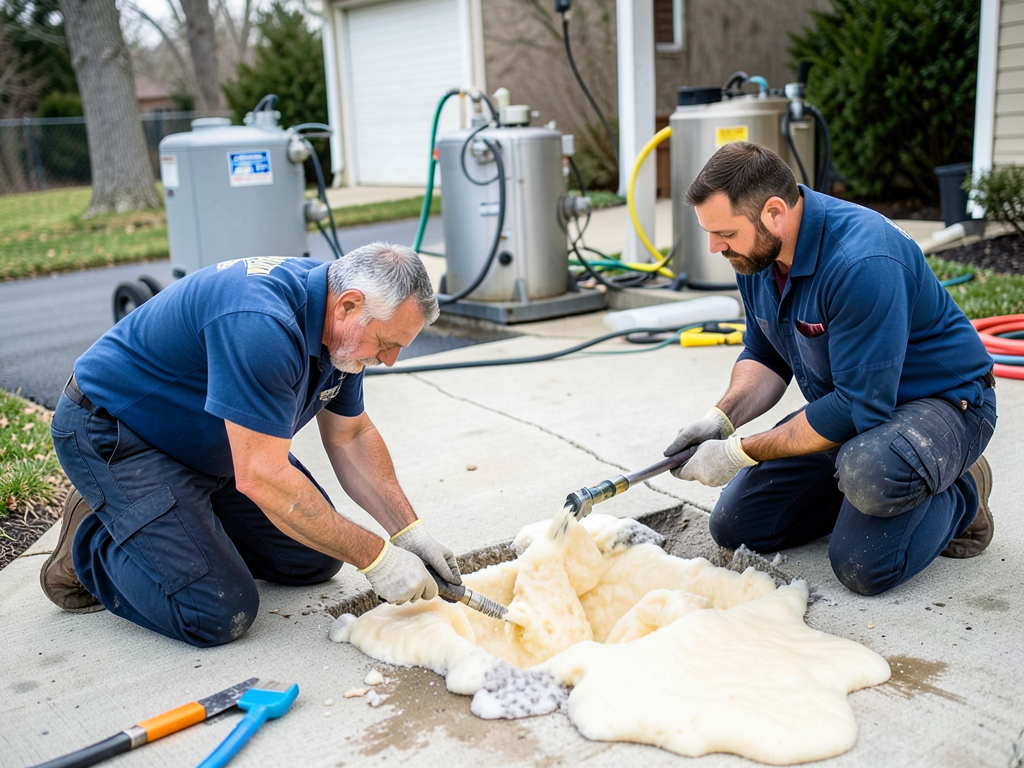
What Happens When a Water Main Break Erodes the Soil Under Your Mason City Driveway When a water main breaks beneath your Mason City driveway the damage happens fast. High-pressure water blasts through the soil…
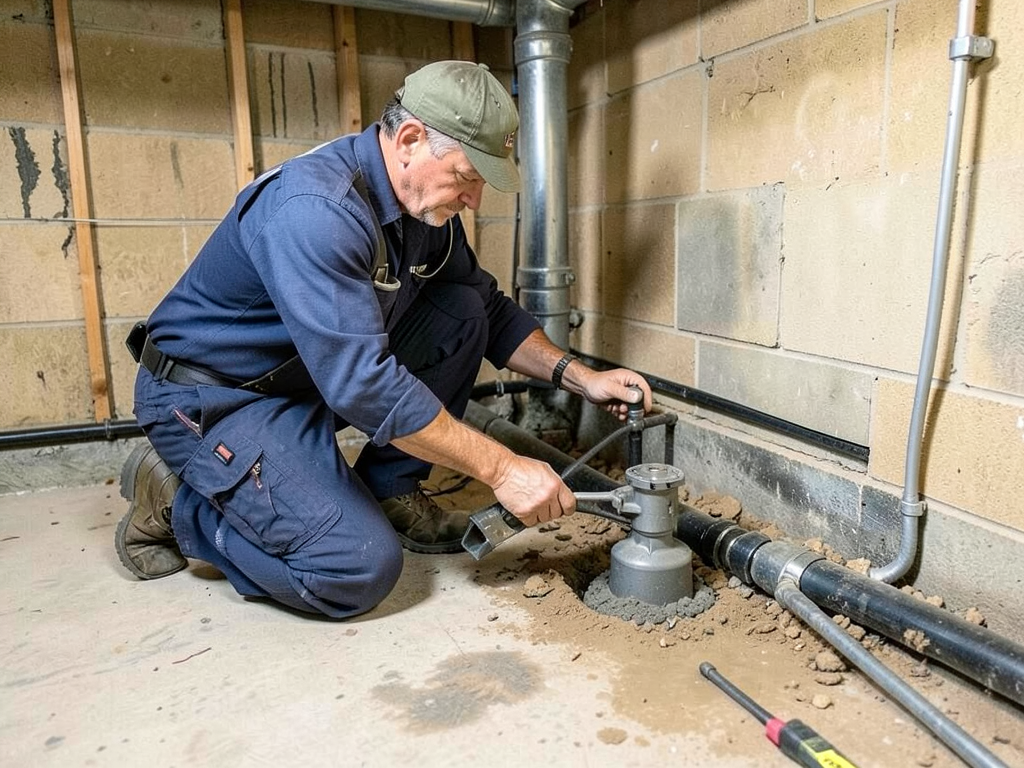
Comparing Interior vs Exterior Waterproofing for Your Central Park Basement Living in Central Park means…
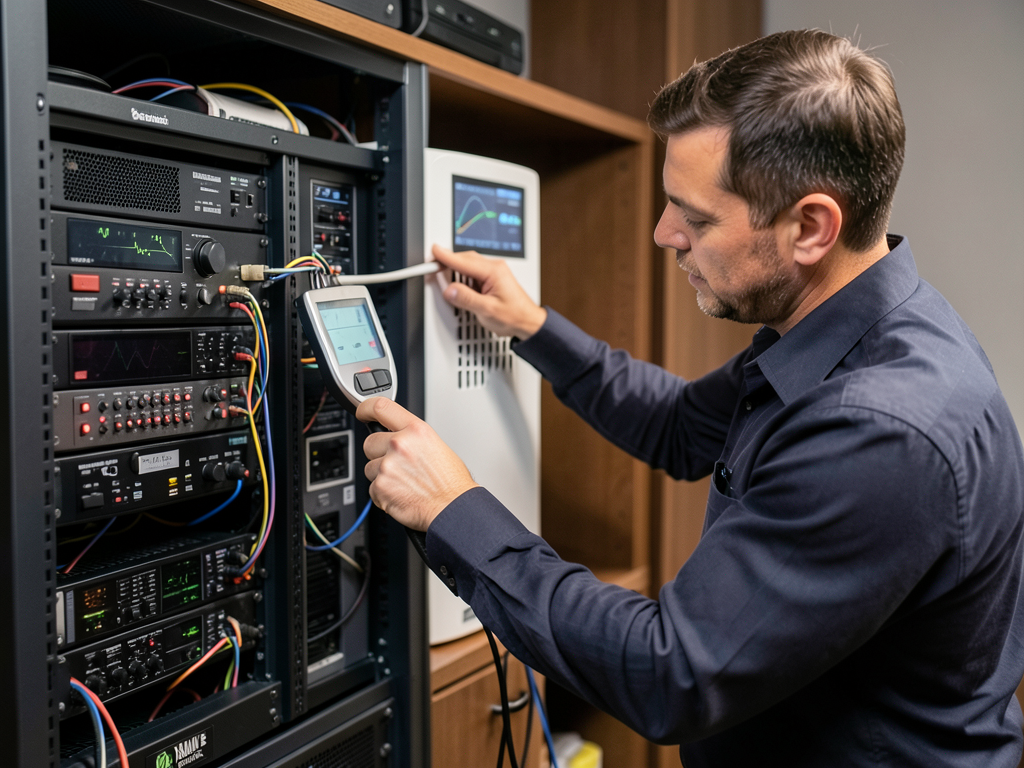
Keeping Your Rising West Princeton Home Theater Dry and Mold Free Birmingham’s humid subtropical climate…
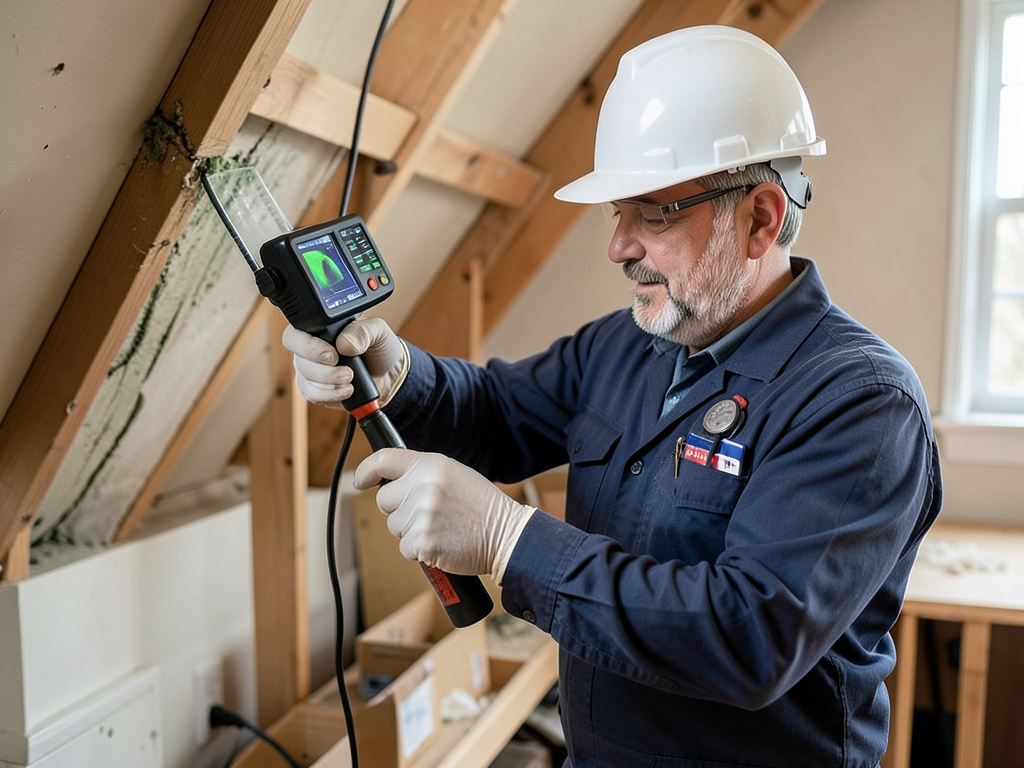
How High Humidity and Birmingham Pollen Create the Perfect Storm for Attic Mold in Airport…
Water damage gets worse every hour you wait. Call Grand Water Damage Restoration Birmingham now at (659) 234-8188 for immediate dispatch to your Fairfield property. Our crews respond within 60 minutes with the equipment and expertise to stop damage progression and start drying your home today.