Menu

Commercial Sewage Cleanup in Birmingham | Industrial-Grade Solutions That Keep Your Business Operational

Grand Water Damage Restoration Birmingham delivers rapid commercial sewage remediation that minimizes business interruption, ensures regulatory compliance, and protects your bottom line with industrial-grade extraction and decontamination protocols.

Slider Image 1
Slider Image 2
Slider Image 3
Slider Image 4
Slider Image 5
Slider Image 7
Slider Image 8
Slider Image 9
Slider Image 10
Slider Image 11

Why Birmingham Commercial Properties Face Elevated Sewage Contamination Risks

Birmingham's aging municipal infrastructure combined with high water table conditions creates significant vulnerability for commercial facilities. Many commercial buildings in the Five Points South and Downtown districts sit on clay-heavy soil that shifts with seasonal moisture fluctuations, placing constant stress on underground sewer lines and lateral connections.

When a Category 3 water event occurs in a commercial setting, you face immediate operational shutdown risk. Commercial sewage backup cleaning demands a different response protocol than residential work. Your liability exposure increases exponentially when employees or customers encounter black water contamination containing fecal matter, pathogens, and chemical waste.

Industrial sewage cleanup scenarios we encounter throughout Jefferson County typically involve compromised floor drains, backflow from municipal line surges during heavy rainfall, or failed ejector pumps in below-grade spaces. Birmingham's summer humidity compounds microbial growth rates post-contamination, creating secondary health code violations if remediation delays exceed 24 hours.

Commercial property managers cannot afford extended downtime. A restaurant forced to close for sewage remediation loses revenue by the hour. Manufacturing facilities with contaminated production floors face supply chain disruptions that ripple through client relationships. Retail spaces lose customer confidence when visible contamination or odors persist.

Your commercial sewage removal strategy must address regulatory compliance under Alabama Department of Public Health standards, proper disposal of contaminated materials at approved facilities, and documentation that satisfies insurance requirements and potential litigation discovery requests. Generic water damage protocols fail when dealing with pathogen-laden black water in occupied commercial spaces.

Why Birmingham Commercial Properties Face Elevated Sewage Contamination Risks
Our Commercial Black Water Extraction Methodology

Our Commercial Black Water Extraction Methodology

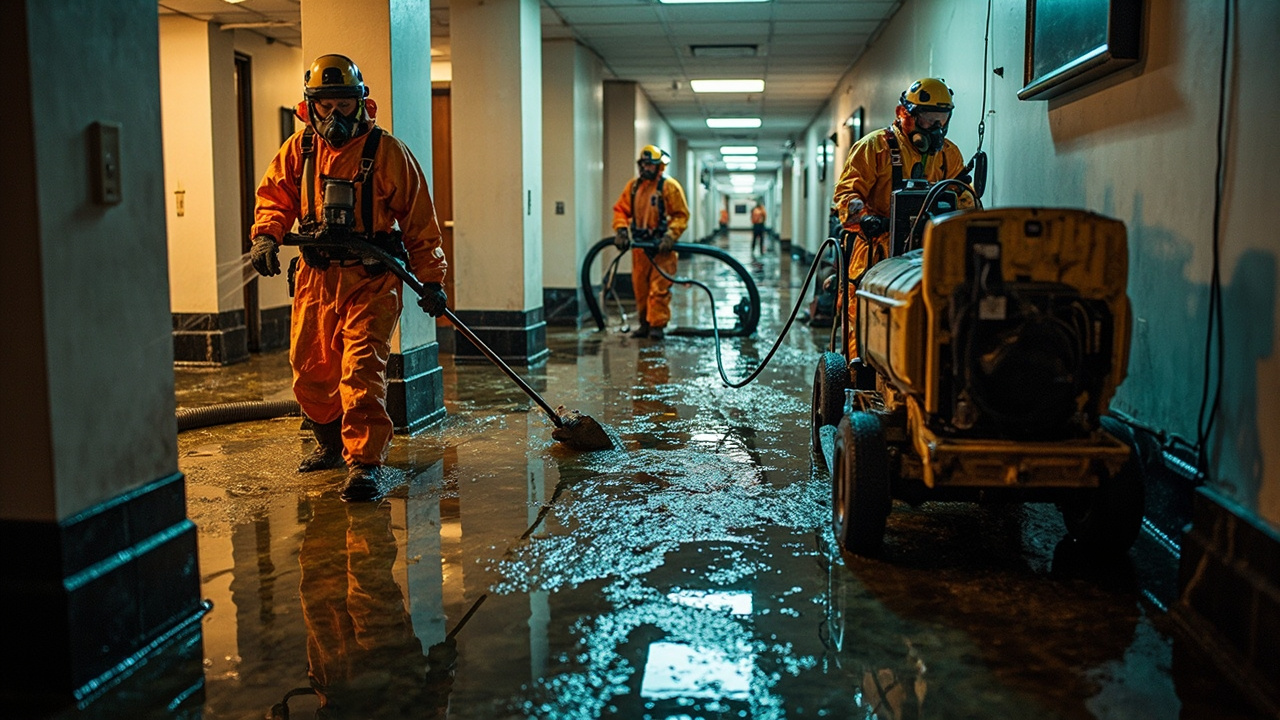
Grand Water Damage Restoration Birmingham uses truck-mounted extraction systems capable of removing thousands of gallons per hour, critical when commercial facilities experience main line backflows or lift station failures. We establish containment barriers using negative air pressure systems that prevent cross-contamination to unaffected zones, allowing partial facility operation during remediation.

Our industrial sewage cleanup protocol begins with safety zoning. We designate hot zones requiring full PPE with respirators, transition zones for decontamination procedures, and cold zones for staging equipment. This prevents pathogen transfer and protects your employees from exposure liability.

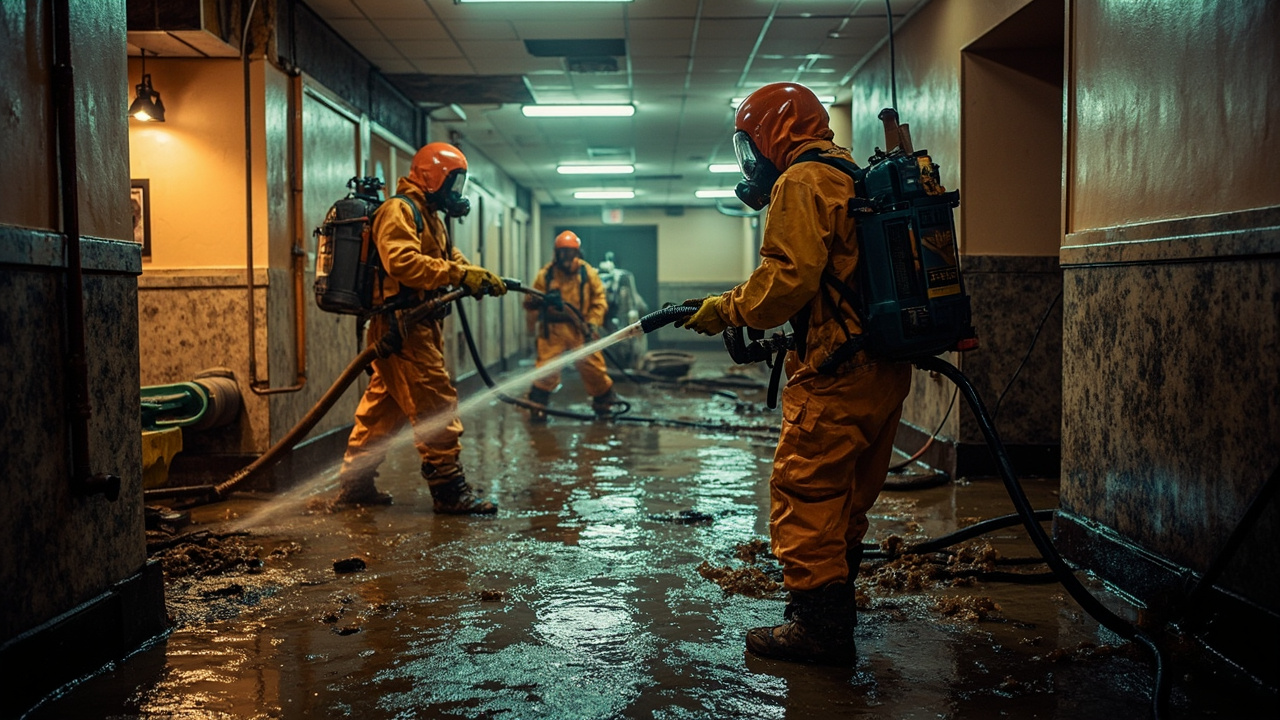
We use EPA-registered disinfectants specifically formulated for Category 3 water events, not generic cleaning products. Surfaces receive multi-stage treatment including initial debris removal, antimicrobial application with dwell time for pathogen kill rates, and post-cleaning verification testing. Hard surfaces undergo pressure washing at 3000 PSI minimum to ensure proper decontamination.

Your facility's HVAC system receives immediate attention. Sewage events release aerosolized pathogens that contaminate ductwork and filtration systems. We inspect air handling units, replace contaminated filters, and apply antimicrobial fogging to prevent airborne pathogen circulation that creates ongoing health risks.

Documentation forms the backbone of commercial sewage remediation. We photograph all affected areas pre-remediation and post-completion, maintain chain of custody logs for disposed materials, and provide detailed scope reports that satisfy insurance adjusters and regulatory inspectors. Your risk management team receives documentation that withstands scrutiny during audits or legal proceedings.

We coordinate with industrial hygienists for post-remediation clearance testing when required by your insurance carrier or corporate policy. Third-party verification eliminates disputes about completion standards and protects you from future liability claims.

How Commercial Facilities Return to Full Operation

Commercial Sewage Cleanup in Birmingham | Industrial-Grade Solutions That Keep Your Business Operational
01

Emergency Response and Containment

Our dispatch team mobilizes within 90 minutes of your call with commercial-grade extraction equipment and containment materials. We immediately stop sewage spread using physical barriers and begin extraction to prevent structural absorption into concrete slabs and wall assemblies. Source identification occurs simultaneously to prevent continued contamination while extraction proceeds. Critical documentation begins at first contact, establishing the timeline that insurance carriers require for claims processing.
02

Decontamination and Material Disposal

All porous materials contacted by black water require removal and proper disposal at approved facilities. This includes drywall, insulation, carpet, and ceiling tiles. We extract these materials using controlled demolition techniques that prevent secondary contamination. Non-porous surfaces undergo multi-stage disinfection using hospital-grade antimicrobials with verified pathogen kill rates. Air scrubbers with HEPA filtration run continuously to capture airborne contaminants during the cleaning process.
03

Verification and Facility Clearance

Post-remediation testing confirms surface decontamination meets health department standards before we authorize facility reopening. Moisture readings ensure structural drying reached acceptable levels to prevent mold colonization. We provide detailed photographic documentation showing completed work and material disposal manifests proving proper hazardous waste handling. Your facility receives a completion report that satisfies insurance requirements and demonstrates due diligence for potential third-party exposure claims.

Why Birmingham Businesses Choose Local Commercial Sewage Specialists

Grand Water Damage Restoration Birmingham maintains relationships with Jefferson County health inspectors and understands local commercial code enforcement protocols. We know which violations trigger mandatory closure orders and how to expedite re-inspection scheduling to minimize your downtime.

Birmingham's commercial real estate landscape includes everything from historic warehouse conversions in Avondale to modern office complexes in Grandview. Each building type presents unique remediation challenges. Older buildings often lack proper backflow prevention devices, making them vulnerable during storm events when municipal systems reach capacity. Our crews understand the plumbing configurations common to different construction eras throughout Birmingham's commercial districts.

We maintain disposal relationships with Alabama-approved facilities for Category 3 contaminated materials. Improper disposal creates regulatory violations and potential EPA scrutiny. Your business cannot afford shortcuts that generate future liability.

Commercial sewage events often occur outside business hours when failures go undetected. Our 24-hour dispatch means your facility gets immediate attention, not a voicemail promising next-day callback. Every hour of delay increases contamination spread and extends your operational shutdown.

We work directly with commercial insurance carriers that insure Birmingham properties. Our estimates align with Xactimate pricing standards that adjusters expect, eliminating the negotiation delays that extend claim resolution. Your business needs operational restoration, not protracted insurance disputes that delay reconstruction.

Many commercial property managers in Birmingham maintain our contact information specifically for sewage emergencies because they understand that generic water damage firms lack the extraction capacity and decontamination protocols required for commercial black water events. Your facility requires industrial-grade response, not residential equipment scaled up inadequately.

What Your Commercial Facility Can Expect During Sewage Remediation

Response Time and Operational Impact

Our crews arrive on-site within 90 minutes with commercial extraction equipment capable of handling large-volume sewage removal. We establish work zones that allow unaffected areas to remain operational when possible, minimizing revenue loss. Most commercial sewage cleanup projects require 3-7 days depending on contamination extent and material removal needs. We provide daily progress updates to your management team and adjust crew size to meet critical reopening deadlines. Emergency situations receive priority scheduling with crews working extended shifts to accelerate completion when business continuity demands it.

Initial Assessment and Scope Development

Our commercial assessment evaluates contamination extent, structural damage, HVAC system exposure, and regulatory compliance requirements. We use moisture meters and thermal imaging to identify hidden saturation in wall cavities and subflooring that visual inspection misses. You receive a detailed scope document within 24 hours outlining required demolition, disposal needs, and estimated completion timeline. This documentation goes directly to your insurance carrier and risk management team. We identify code upgrade requirements that remediation triggers, preventing surprise expenses during reconstruction. Assessment includes sampling protocols when your insurance policy or corporate guidelines require third-party verification testing.

Final Decontamination Standards

Your facility receives EPA-compliant decontamination that eliminates pathogen risks and odor issues that damage customer confidence. We apply antimicrobial treatments to all affected surfaces with proper dwell times to ensure pathogen elimination, not cosmetic cleaning. Post-remediation moisture readings confirm structural drying reached levels that prevent secondary microbial growth. Air quality testing verifies ventilation systems are free from contamination before facility reopening. You receive photographic documentation showing completed work alongside disposal manifests proving proper hazardous waste handling. This documentation package protects you during insurance audits and potential liability claims from employees or customers exposed to contamination.

Post-Remediation Follow-Up

Commercial facilities require ongoing monitoring after sewage events to ensure remediation effectiveness. We schedule follow-up inspections at 30 and 90 days post-completion to verify moisture levels remain stable and no secondary issues develop. Your facility manager receives direct contact information for our project supervisor if concerns arise during facility reoccupation. We maintain detailed project files for five years, providing documentation support if insurance disputes or legal questions emerge long after completion. Many Birmingham commercial clients contract annual facility inspections after sewage events to identify plumbing vulnerabilities before they cause future contamination incidents. Preventive maintenance programs reduce emergency event frequency and associated business interruption costs.

Frequently Asked Questions

You Have Questions,
We Have Answers

How much does sewage cleanup cost? +

Commercial sewage cleanup costs vary based on contamination category, affected square footage, and structural damage. Expect pricing to reflect the severity of the biohazard, the need for demolition, and disposal costs for contaminated materials. Category 3 water (raw sewage) requires specialized containment, antimicrobial treatment, and often full buildout replacement. Factors includeAfter-hours emergency response, depth of contamination in concrete floors or subflooring, and necessary air quality testing post-remediation. Birmingham's older commercial infrastructure can complicate costs if cast iron or clay pipes fail. Request a detailed scope before work begins to manage business continuity budgets.

Does insurance cover sewage cleanup? +

Most commercial property policies cover sudden and accidental sewage backups, but read your policy exclusions carefully. Coverage depends on the cause of the backup. Mainline failures due to tree root intrusion or pipe collapse are typically covered. Gradual damage from poor maintenance, lack of backwater valve installation, or repeated small backups may be denied. Service line endorsements extend coverage beyond the building foundation. Birmingham businesses should verify whether their policy includes business interruption coverage, as sewage events often force temporary closures. Document everything immediately and contact your adjuster before cleanup starts to avoid claim disputes.

How often should sewage be cleaned? +

Routine sewage line maintenance prevents catastrophic backups. Commercial properties should schedule hydro-jetting or mechanical cleaning every 18 to 24 months, depending on usage volume and pipe material. High-volume facilities like restaurants, laundromats, or medical offices need more frequent service due to grease, lint, and biosolid buildup. Birmingham's clay soil expansion and tree root intrusion accelerate blockages in older sewer laterals. Schedule video camera inspections annually to identify cracks, offsets, or bellied sections before they fail. Proactive maintenance reduces liability, minimizes downtime, and extends the lifespan of aging infrastructure. Do not wait for slow drains or odors to appear.

Do plumbers clean up sewage? +

Plumbers address the mechanical cause of sewage backups but rarely handle biohazard remediation. They clear blockages, repair broken pipes, and restore flow. Actual sewage cleanup requires certified restoration technicians trained in Category 3 water extraction, antimicrobial application, and contaminated material disposal. Commercial sewage contains pathogens, viruses, and chemical waste that demand PPE, containment protocols, and EPA-compliant disposal. A plumber fixes the pipe. A restoration company decontaminates the space, dries structural materials, and restores code-compliant conditions. Birmingham businesses need both trades working in sequence to minimize downtime and meet OSHA standards for employee safety.

How long does sewage cleanup take? +

Commercial sewage cleanup timelines range from three to ten days, depending on contamination spread and structural involvement. Initial extraction and containment occur within hours. Drying structural materials takes 48 to 72 hours using commercial dehumidifiers and air movers. If sewage penetrates subfloors, drywall, or insulation, demolition and disposal extend the timeline. Post-remediation air quality testing and antimicrobial verification add another day. Birmingham's humidity slows drying times compared to arid climates. Factor in permitting delays if structural repairs require city inspection. Fast response limits damage spread, but thorough decontamination cannot be rushed without risking liability or future microbial growth.

Why is my sewer bill 200 dollars? +

Your Birmingham sewer bill reflects both usage volume and fixed infrastructure fees. Commercial accounts pay higher base rates than residential users due to assumed higher discharge volumes and strain on municipal treatment capacity. If your bill spiked suddenly, check for leaks, faulty fixtures, or unauthorized water use. Birmingham Water Works bills for both water consumed and wastewater discharged. Some properties pay sewer charges based on winter water usage, assuming minimal irrigation. Submetering can reduce costs if you have high non-discharge water use. Review your billing cycle and request a usage audit if charges seem inconsistent with your operations.

What is the average lifespan of a sewer line? +

Sewer line lifespan depends on material and installation quality. Cast iron pipes, common in older Birmingham commercial buildings, last 50 to 75 years before corrosion causes failures. Clay tile pipes, prevalent in pre-1980 construction, last 50 to 60 years but are vulnerable to tree root intrusion and joint separation. PVC pipes installed after 1980 can exceed 100 years with minimal degradation. Orangeburg fiber pipes, used mid-century, fail within 30 to 50 years. Birmingham's reactive clay soil accelerates pipe movement and joint failure. Video inspection reveals remaining lifespan better than age alone. Plan capital replacement budgets proactively.

How much does sewage insurance cost? +

Sewage insurance coverage is typically bundled into commercial property policies, not sold separately. Premiums vary based on building age, pipe material, claims history, and proximity to municipal mainlines. Endorsements for sewer backup or service line coverage add minimal cost, often 50 to 150 dollars annually, but provide significant protection. Birmingham properties with older infrastructure or located in flood-prone areas near creeks or low-lying zones may face higher premiums. Insurers may require proof of routine maintenance, backwater valve installation, or recent video inspections to extend coverage. Review your policy annually and adjust limits based on current replacement costs.

Are trenchless sewer repairs worth it? +

Trenchless sewer repairs deliver ROI for Birmingham commercial properties with restricted access or high-value hardscaping. Pipe bursting or cured-in-place pipe lining eliminates excavation, minimizes downtime, and avoids damage to parking lots, landscaping, or adjacent structures. Costs run higher per linear foot than open-cut methods, but total project costs drop when you factor in surface restoration, lost business days, and permitting complexity. Trenchless methods work best for pipes with minimal offset or collapse. If your lateral runs under structures or Historic District streetscapes, trenchless options preserve site integrity while meeting city code requirements.

How do professionals clean sewer lines? +

Professional sewer line cleaning uses hydro-jetting, mechanical augering, or hybrid methods depending on blockage type. Hydro-jetting delivers high-pressure water streams up to 4,000 PSI to scour grease, scale, and biofilm from pipe walls. Mechanical augers cut through roots and solid obstructions. Video camera inspection precedes cleaning to identify pipe condition and blockage location. After clearing the line, technicians perform a post-clean inspection to verify flow restoration and document pipe integrity. Birmingham's older cast iron and clay pipes require careful pressure management to avoid damage. Professionals follow confined space protocols and dispose of waste per local regulations.

Birmingham's Aging Sewer Infrastructure and Commercial Facility Vulnerability

Birmingham's downtown and industrial corridor sewer systems date to the 1920s in many sections, creating elevated backflow risk during storm events when municipal capacity reaches maximum flow rates. Commercial properties in flood-prone zones near Valley Creek and Village Creek face compound risk from both overland flooding and sewer system surges. The city's combined sewer overflow system means heavy rainfall events push untreated sewage into lateral connections, particularly affecting commercial facilities in lower elevation areas. Commercial sewage backup cleaning becomes critical when these infrastructure limitations create contamination events that threaten business operations and employee safety.

Grand Water Damage Restoration Birmingham maintains working relationships with Jefferson County Department of Health inspectors who oversee commercial facility re-occupancy after sewage contamination. We understand local enforcement priorities regarding proper decontamination documentation and clearance testing requirements. Our crews know Birmingham's commercial building stock from decades of restoration work throughout Five Points South, Lakeview, Crestwood, and industrial zones near the airport. This local expertise means faster problem diagnosis and remediation strategies tailored to the specific construction methods and plumbing configurations common to Birmingham commercial properties.
Water Damage Restoration Services in The Birmingham Area

Grand Water Damage Restoration is proud to serve the entire Birmingham area. Our convenient location ensures we can respond to your emergency needs with speed and efficiency. Whether you're a homeowner or business owner, we’re ready to bring our expertise directly to you. View our service area on the map to see how we can provide prompt, professional assistance and restore your property quickly and effectively.

Address:
Grand Water Damage Restoration Birmingham, 401 7th St N, Birmingham, AL, 35203

Additional Services We Offer

Our news updates

Latest Articles & News from The Blogs

Comparing Interior vs Exterior Waterproofing for Your Central Park Basement Living in Central Park means dealing with Birmingham’s heavy rainfall…

Comparing Interior vs Exterior Waterproofing for Your Central Park Basement

Comparing Interior vs Exterior Waterproofing for Your Central Park Basement Living in Central Park means dealing with Birmingham’s heavy rainfall…

Keeping Your Rising West Princeton Home Theater Dry and Mold Free

Keeping Your Rising West Princeton Home Theater Dry and Mold Free Birmingham’s humid subtropical climate creates unique challenges for home…

How High Humidity and Birmingham Pollen Create the Perfect Storm for Attic Mold in Airport Highlands

How High Humidity and Birmingham Pollen Create the Perfect Storm for Attic Mold in Airport Highlands Airport Highlands homeowners face…

Contact Us

Every hour your business stays closed costs revenue and damages customer relationships. Call Grand Water Damage Restoration Birmingham now at (659) 234-8188 for immediate commercial sewage remediation. We respond 24 hours a day with industrial-grade extraction and decontamination capabilities that minimize your operational downtime.