Menu

Visible Mold Growth on Walls in Birmingham – Expert Detection and Permanent Remediation

Certified mold inspectors diagnose the moisture source behind black mold spots on drywall and fungal growth on wall surfaces, then eliminate visible mildew on painted walls using containment, antimicrobial treatment, and structural drying to prevent recurrence.

Slider Image 1
Slider Image 2
Slider Image 3
Slider Image 4
Slider Image 5
Slider Image 7
Slider Image 8
Slider Image 9
Slider Image 10
Slider Image 11

Why Birmingham Homes Develop Wall Mold Faster Than You Think

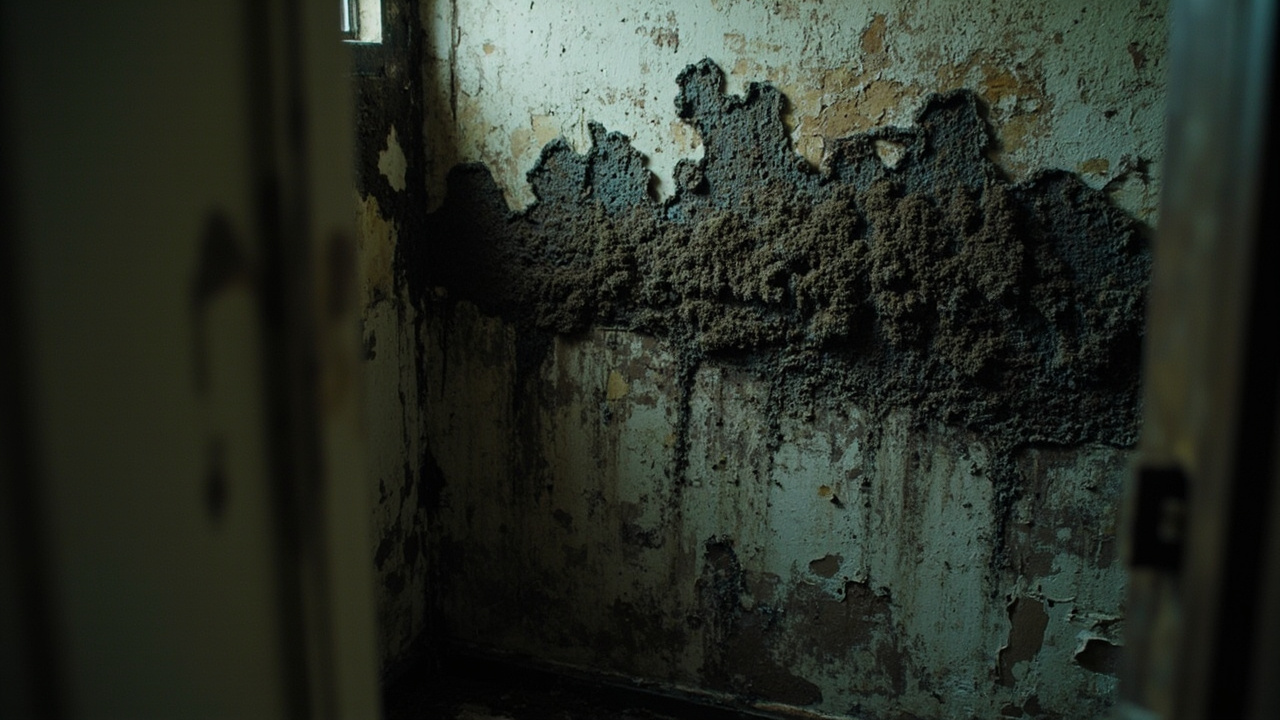
Birmingham's high humidity throughout spring and summer creates the perfect breeding ground for mold patches on sheetrock. When relative humidity stays above 60 percent for days on end, moisture condenses on cooler interior walls, especially in poorly ventilated bathrooms, basements, and north-facing rooms that never see direct sun.

The clay soil common across Jefferson County shifts with seasonal rain cycles. These shifts crack foundation walls and allow groundwater intrusion, which saturates drywall from the inside. You might not see water pooling, but you will notice black mold spots on drywall near baseboards or corners where air circulation is weakest.

Older homes in neighborhoods like Forest Park and Crestwood often have outdated insulation and no vapor barriers. Cold winter air chills exterior walls, causing warm indoor air to condense against the surface. This invisible moisture feeds fungal growth on wall surfaces, often hidden behind furniture or inside closets until the infestation spreads.

Roof leaks from summer thunderstorms can drip into wall cavities for weeks before you notice staining. By the time visible mildew on painted walls appears, the framing studs and insulation are already compromised. The real danger is not the surface growth you see, but the hidden colonization behind the drywall.

If you smell musty odors or see discoloration spreading across painted surfaces, you are looking at active wall mold infestation. The longer you wait, the deeper the spores penetrate porous materials and the higher your remediation costs climb.

Why Birmingham Homes Develop Wall Mold Faster Than You Think
How We Eliminate Mold Growth and Prevent It From Returning

How We Eliminate Mold Growth and Prevent It From Returning

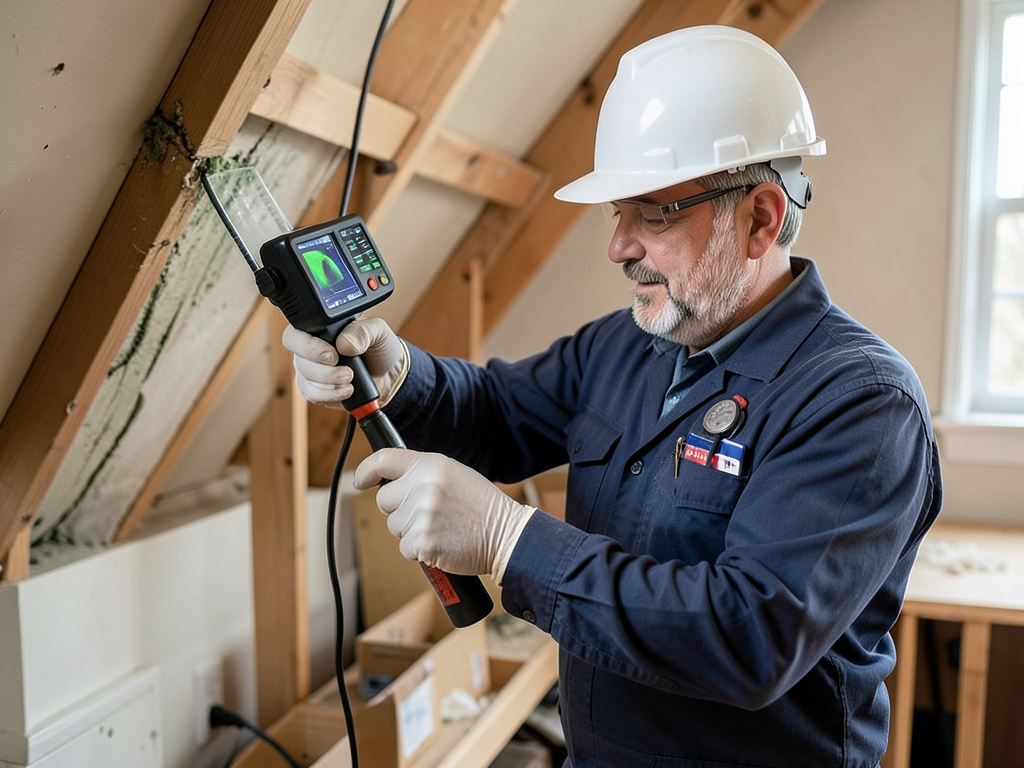
We do not just scrub visible mold and repaint. That approach ignores the moisture source and guarantees regrowth within months. Our protocol starts with thermal imaging and moisture meters to map hidden water intrusion behind walls, under flooring, and in ceiling cavities. We identify whether the problem stems from plumbing leaks, condensation, foundation seepage, or roof penetration.

Once we locate the moisture source, we establish negative air containment using HEPA-filtered air scrubbers to prevent cross-contamination into unaffected rooms. We remove and dispose of porous materials that cannot be salvaged, including soaked drywall, insulation, and baseboards. Non-porous surfaces like studs and concrete get treated with EPA-registered antimicrobial agents that kill existing colonies and inhibit future growth.

After mold removal, we deploy commercial dehumidifiers and air movers to bring structural materials below 15 percent moisture content, the threshold where mold cannot survive. We monitor humidity levels with hygrometers and adjust equipment placement based on real-time readings, not guesswork.

The final step is addressing the root cause. If your wall mold came from a leaking roof valley, we coordinate with roofers to replace damaged flashing. If condensation on cold walls is the culprit, we recommend upgraded insulation with proper vapor barriers. If foundation cracks allowed groundwater seepage, we refer you to structural specialists who understand Birmingham's expansive clay soil behavior.

We also conduct post-remediation verification using surface sampling or air quality testing to confirm spore counts are back to normal ambient levels. This documentation is critical if you plan to sell your home or file an insurance claim.

What Happens During a Wall Mold Remediation

Visible Mold Growth on Walls in Birmingham – Expert Detection and Permanent Remediation
01

Moisture Source Investigation

We use infrared cameras to detect temperature anomalies that indicate hidden water behind drywall. Moisture meters measure saturation levels in wall studs and insulation. We inspect plumbing penetrations, window seals, and exterior cladding for entry points. This diagnostic phase determines whether you need a plumber, roofer, or foundation repair before we begin mold removal, preventing wasted remediation work.
02

Containment and Removal

We seal off affected rooms with polyethylene sheeting and create negative air pressure using HEPA air scrubbers. This prevents airborne spores from spreading during demolition. We remove compromised drywall, insulation, and trim, then treat framing lumber with antimicrobial solutions. All moldy materials go into sealed bags for proper disposal. We never sand mold, which aerosolizes spores and worsens contamination throughout your home.
03

Drying and Verification

After removal, we dry structural components using industrial dehumidifiers and air movers until moisture readings drop below 15 percent. This typically takes two to four days depending on material thickness and humidity levels. Once dry, we conduct surface sampling or air testing to verify spore counts match normal outdoor levels. You receive a clearance report documenting safe reoccupation before reconstruction begins.

Why Birmingham Homeowners Trust Local Mold Specialists

Birmingham's housing stock includes everything from 1920s bungalows in Highland Park to new construction in Hoover. Each era brings different mold challenges. Pre-1960 homes often lack vapor barriers and have outdated plumbing prone to pinhole leaks. Homes built during the 1980s boom frequently have inadequate attic ventilation, causing condensation on roof sheathing that drips onto insulation and top-floor ceilings. Newer homes with modern air sealing can trap humidity if bathroom exhaust fans vent into attics instead of outside.

We have worked in every Birmingham neighborhood and understand how local construction practices affect mold risk. We know that homes near Red Mountain or along Valley Creek face higher groundwater intrusion during spring rains. We recognize that properties shaded by mature oak trees in English Village stay damp longer after storms, increasing mold likelihood on north-facing walls.

Our familiarity with Jefferson County building codes ensures remediation work meets requirements for permits and inspections if your project requires structural modifications. We coordinate with local adjusters who handle claims for State Farm, Allstate, and Farmers policies common in this area, streamlining your insurance process with proper documentation and scope-of-loss reports.

You need a remediation team that understands Birmingham's clay soil expansion, seasonal humidity swings, and aging housing stock. National franchises send rotating technicians with no local knowledge. We live here, work here, and have solved wall mold problems in homes just like yours for years. That experience translates into faster diagnosis, more accurate estimates, and permanent solutions instead of temporary cosmetic fixes that fail within months.

What to Expect During Your Mold Remediation Project

Response Time and Availability

We schedule inspections within 24 hours of your call. Most assessments take 60 to 90 minutes depending on the size of the affected area and accessibility of wall cavities. You receive a written scope of work and estimate within 48 hours. Once you approve the plan, we typically begin containment and removal within two to three business days. Emergency situations involving active water intrusion or health concerns get priority scheduling. Our crews work Monday through Saturday to minimize disruption to your routine.

Initial Assessment Process

During the inspection, we photograph all visible growth, document moisture readings, and map the extent of contamination using thermal imaging. We ask about health symptoms, recent water events, and HVAC operation patterns. We inspect attics, crawl spaces, and mechanical rooms to identify contributing factors like blocked soffit vents or disconnected ductwork. You receive a detailed report explaining the moisture source, affected materials, and recommended scope of work. We answer every question and explain technical terms in plain language so you understand exactly what needs to happen and why.

Final Results and Quality

After remediation, your walls will be free of visible growth and musty odors. Structural materials will read dry on moisture meters, and air quality testing will confirm spore counts are normal. You receive before-and-after photos, moisture logs, and lab reports documenting successful remediation. The space will be clean, safe, and ready for reconstruction. We haul away all contaminated materials and leave the work area broom-clean. Our goal is not just mold removal, but restored indoor air quality and peace of mind that the problem will not return if you address the underlying moisture issue.

Post-Remediation Support

We provide written recommendations for preventing future mold growth, including humidity control strategies, ventilation improvements, and plumbing maintenance tips. If reconstruction is needed, we can refer trusted local contractors who understand proper mold-resistant building practices. We remain available to answer questions during your rebuild and can conduct follow-up moisture checks if you have concerns about specific areas. While we cannot offer guarantees against future water events beyond our control, we stand behind the quality of our remediation work and will address any issues related to our scope of work.

Frequently Asked Questions

You Have Questions,
We Have Answers

What to do if you see mold on a wall? +

Stop spreading the spores. Do not scrub or disturb the mold. Open windows if outdoor humidity is low, which is rare in Birmingham's muggy climate. Turn off HVAC systems to prevent spore circulation. Document the growth with photos for insurance claims. If the affected area exceeds 10 square feet, or if mold appears after flooding or plumbing failures, call a certified remediation company. Small surface mold might seem manageable, but Birmingham's high humidity often means hidden growth behind drywall. Professional testing identifies the mold type and moisture source, which prevents regrowth.

Can mold make a baby cough? +

Yes. Mold spores irritate developing respiratory systems. Babies exposed to mold may cough persistently, wheeze, or develop respiratory infections. Infants are particularly vulnerable because their immune systems are immature. Birmingham's humid climate accelerates mold growth in homes, especially in crawlspaces and poorly ventilated bathrooms. If your baby coughs without other illness signs, inspect walls, ceilings, and hidden areas for visible growth or musty odors. Remove the baby from the affected room immediately. Consult a pediatrician and schedule professional mold testing. Do not attempt DIY removal near nurseries. Cross-contamination spreads spores to clean areas.

Can mold cause twitching? +

Some mold species produce mycotoxins that affect the nervous system. Prolonged exposure to toxic mold can cause neurological symptoms, including muscle twitching, tremors, and numbness. Black mold (Stachybotrys) is notorious for producing trichothecene mycotoxins. If you experience unexplained twitching alongside headaches, memory issues, or fatigue, and you see mold growth in your Birmingham home, seek medical evaluation. Document your symptoms and environment. Professional mold testing identifies toxic species. Remediation removes the source, but neurological symptoms require medical treatment. Chronic exposure increases severity, so act quickly if you suspect mold-related health effects.

Does black mold affect pregnancy? +

Yes. Pregnant women exposed to mold face increased risks. Mold spores and mycotoxins can trigger respiratory distress, asthma attacks, and immune suppression. Some studies link prenatal mold exposure to low birth weight and developmental issues. Birmingham's humidity creates ideal conditions for mold growth in older homes and after water damage. If you are pregnant and discover mold, leave the area immediately. Do not attempt removal yourself. Hire certified professionals to contain and eliminate the growth. Ensure proper ventilation during remediation. Consult your obstetrician if you experience breathing problems, persistent coughing, or allergic reactions after mold exposure.

What kills mold permanently on walls? +

Nothing kills mold permanently if the moisture source remains. Surface treatments like bleach only address visible growth. Mold roots (hyphae) penetrate porous materials like drywall and wood. Effective remediation requires removing affected materials, fixing leaks, and controlling humidity below 50 percent. Birmingham's humid climate demands dehumidifiers and proper ventilation. Antimicrobial solutions like concrobium or borax-based products inhibit regrowth on non-porous surfaces, but professionals use HEPA vacuums and air scrubbers to remove spores. Without moisture control and source elimination, mold returns. Address plumbing failures, roof leaks, and condensation issues first.

Will mold go away if it dries out? +

No. Dormant mold does not disappear. When mold dries out, it becomes inactive but remains alive. Spores survive for years in dry conditions. Once moisture returns, and Birmingham's humidity guarantees it will, mold reactivates and spreads rapidly. Dried mold is also dangerous. Disturbing it releases concentrated spores into the air, triggering allergic reactions and respiratory issues. Visible mold growth indicates a moisture problem that needs correction. Simply drying the area is not remediation. You must remove contaminated materials, fix the water source, and verify complete spore elimination with testing. Dormant mold is still hazardous mold.

What are the first signs of mold sickness? +

Early mold sickness mimics allergies or a cold. Watch for persistent sneezing, runny nose, itchy eyes, and throat irritation. You may develop a chronic cough or wheezing, especially at night. Headaches, fatigue, and difficulty concentrating appear with prolonged exposure. Skin rashes and sinus congestion are common. Birmingham residents often mistake mold symptoms for seasonal allergies due to high pollen counts, but mold symptoms persist year-round and worsen indoors. If symptoms improve when you leave your home, mold is likely the cause. Document symptom patterns and inspect your home for musty odors or visible growth.

Can air purifiers remove mold spores? +

Air purifiers with true HEPA filters capture airborne mold spores but do not eliminate the source. HEPA filters trap particles as small as 0.3 microns, including most mold spores. However, purifiers cannot remove mold growing on walls, in HVAC ducts, or behind drywall. Birmingham's humidity requires addressing moisture problems first. Use air purifiers as a supplemental tool during and after professional remediation. Place units in affected rooms to reduce airborne spore counts. Replace filters regularly, as trapped spores can colonize saturated filters. Purifiers improve air quality but are not a substitute for proper mold removal and moisture control.

Can I clean up mold myself? +

Only if the affected area is smaller than 10 square feet and the mold resulted from minor surface condensation, not flooding or sewage. Use an N95 mask, gloves, and eye protection. Scrub non-porous surfaces with detergent and water, then dry completely. Bag and discard contaminated materials. However, Birmingham's high humidity often means hidden growth. If mold appears on drywall, wood, or after plumbing failures, hire professionals. DIY attempts spread spores throughout your home and fail to address root causes. If you have respiratory conditions, are pregnant, or suspect toxic mold, do not attempt removal yourself.

Is brain damage from mold reversible? +

Potentially, but it depends on exposure duration and mold type. Short-term exposure to mycotoxins may cause reversible cognitive symptoms like brain fog, memory issues, and difficulty concentrating. Once exposure stops and the body detoxifies, many people recover with medical intervention. However, prolonged exposure to toxic mold can cause lasting neurological damage. Studies show chronic mycotoxin exposure damages neurons and disrupts brain function. If you experience cognitive decline alongside mold exposure in your Birmingham home, seek immediate medical evaluation and professional remediation. Neurologists and environmental medicine specialists can assess damage. Early intervention improves recovery outcomes, but severe cases may result in permanent effects.

How Birmingham's Humidity and Clay Soil Drive Wall Mold Problems

Birmingham averages 54 inches of rain annually, with July humidity often exceeding 70 percent. This moisture load keeps basements and crawl spaces damp year-round, especially in areas like Homewood and Mountain Brook where homes are built into hillsides. The expansive clay soil underlying most of Jefferson County swells when wet and shrinks when dry, creating seasonal foundation movement that cracks basement walls and allows groundwater seepage. These cracks remain invisible until black mold spots on drywall appear along baseboards or corner studs. Without proper exterior drainage and interior dehumidification, fungal growth on wall surfaces becomes inevitable in below-grade spaces.

Local building codes now require vapor barriers in new construction, but thousands of older Birmingham homes were built before these standards existed. Neighborhoods like Avondale, Woodlawn, and Ensley contain pre-1950 housing stock with no moisture protection between exterior walls and interior finishes. This makes proper mold remediation critical, not just cosmetic fixes. Grand Water Damage Restoration Birmingham technicians understand how local construction methods affect moisture intrusion patterns and can recommend solutions tailored to your home's age and design. Choosing a remediation company familiar with Birmingham's housing stock means faster diagnosis and more effective long-term solutions.

Water Damage Restoration Services in The Birmingham Area

Grand Water Damage Restoration is proud to serve the entire Birmingham area. Our convenient location ensures we can respond to your emergency needs with speed and efficiency. Whether you're a homeowner or business owner, we’re ready to bring our expertise directly to you. View our service area on the map to see how we can provide prompt, professional assistance and restore your property quickly and effectively.

Address:
Grand Water Damage Restoration Birmingham, 401 7th St N, Birmingham, AL, 35203

Additional Services We Offer

Our news updates

Latest Articles & News from The Blogs

Comparing Interior vs Exterior Waterproofing for Your Central Park Basement Living in Central Park means dealing with Birmingham’s heavy rainfall…

Comparing Interior vs Exterior Waterproofing for Your Central Park Basement

Comparing Interior vs Exterior Waterproofing for Your Central Park Basement Living in Central Park means dealing with Birmingham’s heavy rainfall…

Keeping Your Rising West Princeton Home Theater Dry and Mold Free

Keeping Your Rising West Princeton Home Theater Dry and Mold Free Birmingham’s humid subtropical climate creates unique challenges for home…

How High Humidity and Birmingham Pollen Create the Perfect Storm for Attic Mold in Airport Highlands

How High Humidity and Birmingham Pollen Create the Perfect Storm for Attic Mold in Airport Highlands Airport Highlands homeowners face…

Contact Us

Wall mold spreads quickly and compromises structural integrity and indoor air quality. Call Grand Water Damage Restoration Birmingham at (659) 234-8188 for a thorough inspection and written estimate. We respond within 24 hours and explain every step in plain language.