Menu

Condensation on Windows & Walls in Birmingham – Expert Diagnosis and Permanent Moisture Solutions

Stop guessing about condensation on windows and walls. Our certified moisture experts use thermal imaging and hygrometers to find the root cause and implement permanent solutions that protect your Birmingham home from hidden water damage.

Slider Image 1
Slider Image 2
Slider Image 3
Slider Image 4
Slider Image 5
Slider Image 7
Slider Image 8
Slider Image 9
Slider Image 10
Slider Image 11

Why Birmingham Homes Battle Persistent Window Sweating and Wall Moisture

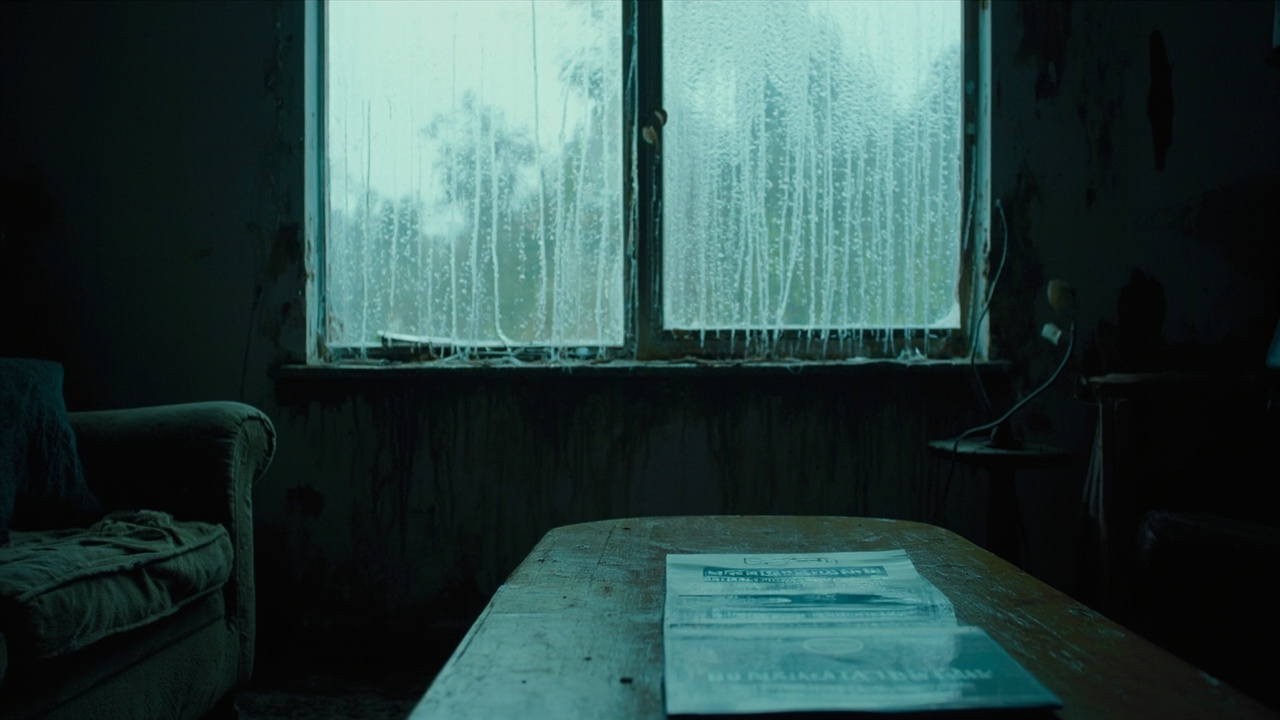
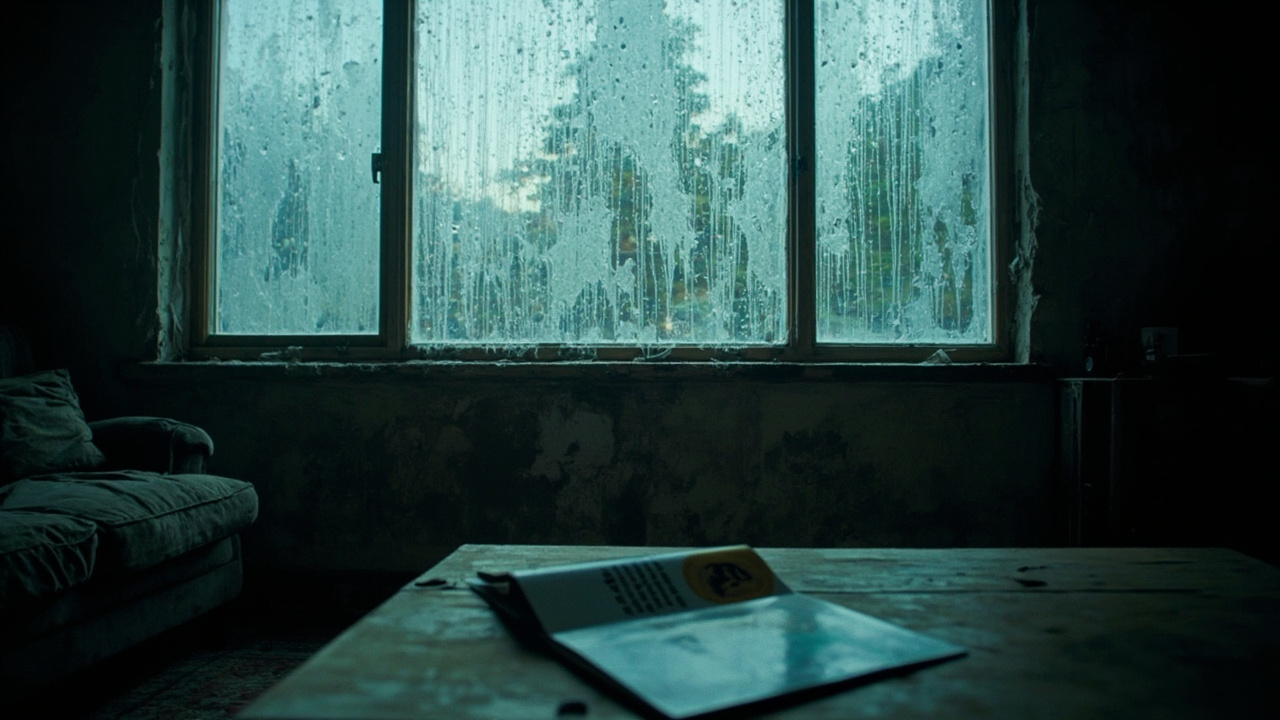
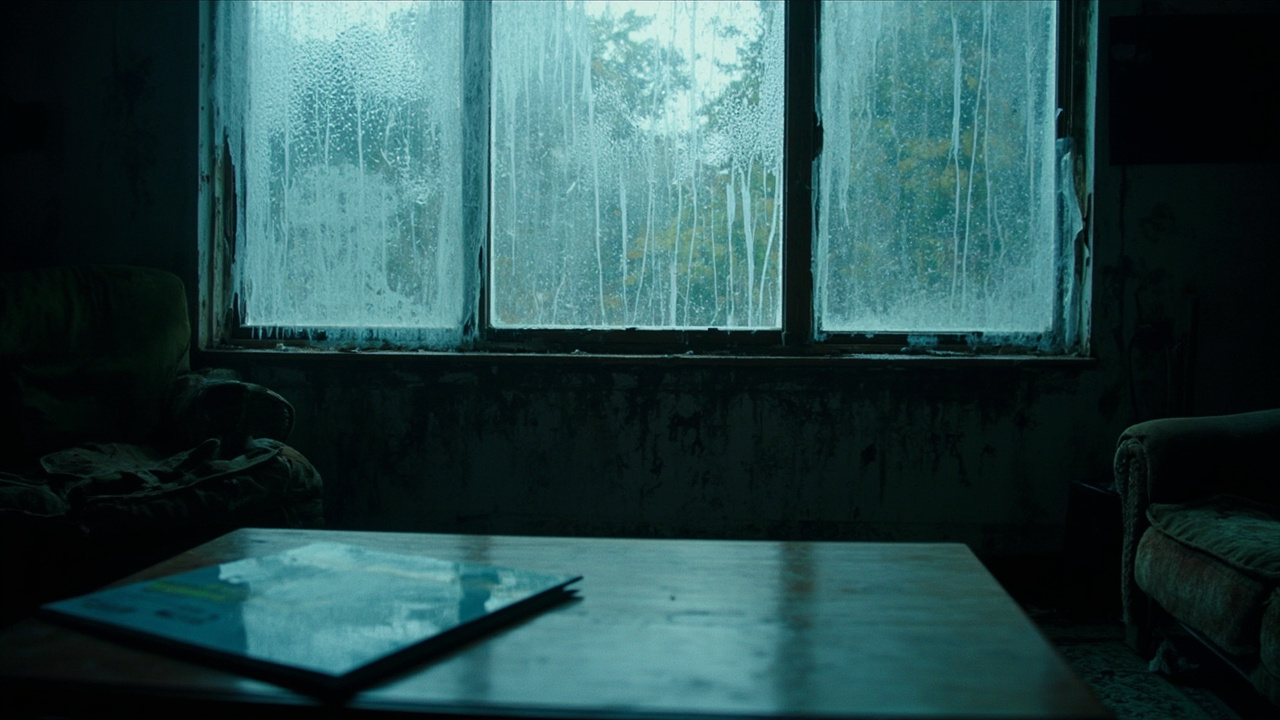
You wake up to weeping window panes. You notice damp drywall patches near exterior walls. You wipe down interior glass condensation every morning. This is not normal, and ignoring it invites mold growth and structural decay.

Birmingham's humid subtropical climate creates the perfect storm for moisture buildup on walls and windows. Summer humidity regularly exceeds 70 percent, while winter temperature swings cause interior surfaces to hit dew point. When warm indoor air meets cold glass or poorly insulated walls, water vapor condenses instantly. The result is window sweating, visible dampness, and eventually, hidden water damage inside your wall cavities.

Many Birmingham homes were built before modern vapor barrier standards. Older brick veneer construction, common in neighborhoods like Forest Park and Crestwood North, often lacks proper air sealing between the exterior and interior walls. This allows humid outdoor air to infiltrate wall assemblies during summer months. In winter, the reverse happens. Heated indoor air escapes through gaps and condenses on cold surfaces.

Your HVAC system plays a role too. Oversized air conditioners cycle off too quickly, failing to remove humidity even when cooling the air. Poor attic ventilation traps moisture in the building envelope. Bathroom and kitchen exhaust fans vented into attics instead of outdoors dump gallons of water vapor into your home's structure daily.

Damp drywall patches near windows often indicate failed window flashing or missing sill pan liners. Water tracks down the framing and saturates the gypsum board. By the time you see the stain, the studs and insulation behind it are already soaked. This is not a cosmetic issue. This is active water intrusion that demands immediate assessment before rot and mold take hold.

Why Birmingham Homes Battle Persistent Window Sweating and Wall Moisture
How We Diagnose and Eliminate Condensation Problems Permanently

How We Diagnose and Eliminate Condensation Problems Permanently

Most contractors wipe the glass and tell you to run a dehumidifier. That addresses the symptom, not the cause. We use moisture mapping and building science to find why your home is producing condensation in the first place.

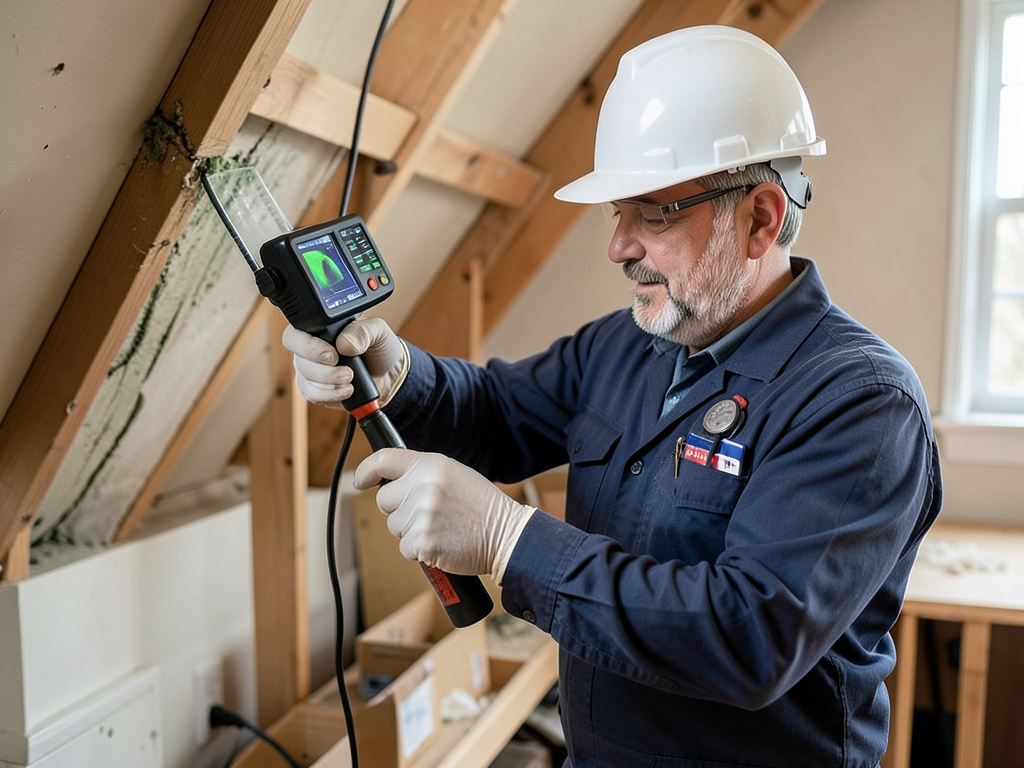
Our assessment starts with FLIR thermal imaging cameras. We scan every exterior wall, window frame, and ceiling junction to identify temperature differentials that signal air leakage or insulation voids. Cold spots on interior surfaces are condensation magnets. A two-degree temperature difference between your wall and the room air is enough to trigger moisture buildup.

We measure indoor relative humidity and compare it to outdoor conditions using calibrated hygrometers. We test airflow patterns with smoke pencils to trace draft paths from attics, crawlspaces, and wall cavities. We inspect your HVAC system for proper sizing, duct leakage, and dehumidification capacity. We examine window installation details, looking for missing flashing, improperly sloped sills, and failed sealant joints.

Once we identify the moisture source, we address it at the building envelope level. For window sweating caused by single-pane glass, we recommend thermal upgrades or interior storm windows to raise surface temperatures above dew point. For wall condensation, we seal air leaks with spray foam or caulk, add vapor barriers where missing, and improve attic ventilation to balance moisture pressure.

If your HVAC system is the culprit, we coordinate with mechanical contractors to right-size equipment or install dedicated dehumidification systems. Whole-home dehumidifiers maintain 45 to 50 percent relative humidity year-round, eliminating condensation regardless of outdoor conditions.

We also remediate existing water damage. Damp drywall gets cut out, framing is dried with air movers and dehumidifiers, and we treat exposed wood with antimicrobial solutions to prevent mold. We do not patch over wet materials. We restore the assembly to dry, stable conditions before closing walls.

What Happens During Your Condensation Assessment

Condensation on Windows & Walls in Birmingham – Expert Diagnosis and Permanent Moisture Solutions
01

On-Site Moisture Mapping

We arrive with thermal cameras and moisture meters to scan every affected area. This includes all exterior walls, window frames, attic access points, and crawlspace boundaries. We document temperature and humidity readings in each room, creating a moisture profile of your home. This data reveals where condensation is forming and why.
02

Root Cause Analysis

After mapping moisture patterns, we trace the source. Is it air leakage, failed insulation, HVAC imbalance, or window installation defects? We test airflow with smoke pencils and inspect building assemblies for missing vapor barriers. We review your HVAC system's dehumidification capacity and runtime data. Every condensation problem has a specific cause. We find it.
03

Solution Implementation

Once we identify the problem, we execute the fix. This can involve air sealing, insulation upgrades, window flashing repairs, or HVAC modifications. We dry out existing water damage, treat affected materials, and restore walls to pre-loss condition. You receive a detailed report explaining what we found, what we fixed, and how to prevent recurrence.

Why Birmingham Property Owners Trust Grand Water Damage Restoration Birmingham

Condensation problems require building science expertise, not guesswork. Grand Water Damage Restoration Birmingham has spent years diagnosing moisture issues in Birmingham's unique housing stock. We understand how local climate interacts with older construction methods. We know which neighborhoods have chronic humidity problems and why.

We do not sell you services you do not need. If your condensation is caused by a $50 caulk joint repair, we tell you. If it requires a $5,000 vapor barrier retrofit, we explain exactly why and show you the data. Our thermal imaging reports and moisture readings give you objective evidence of the problem and the solution.

We work directly with insurance adjusters when condensation has caused hidden water damage. Many homeowners do not realize their policy covers water intrusion from failed window flashing or ice dams. We document the loss, quantify the damage, and help you navigate the claims process. Our detailed moisture mapping and photo documentation strengthen your claim and speed up approval.

Birmingham's building codes have evolved significantly over the past 30 years. Older homes lack modern air sealing and insulation standards. We bring your building envelope up to current best practices without requiring a full gut renovation. Strategic air sealing, targeted insulation upgrades, and proper ventilation can eliminate condensation problems for a fraction of the cost of replacement windows or siding.

We also understand the risks of improper repairs. Sealing up a home without addressing mechanical ventilation can create negative pressure and backdraft combustion appliances. Adding insulation without vapor barriers can trap moisture and accelerate rot. We balance moisture control with indoor air quality and combustion safety. Your home becomes drier, healthier, and more energy efficient.

Our work is backed by post-repair moisture verification. We return 30 days after completion to re-scan treated areas and confirm condensation has stopped. You receive before-and-after thermal images showing the temperature increase on interior surfaces. This is proof the problem is solved, not just covered up.

What to Expect When You Contact Us About Condensation Issues

Fast Response and Scheduling

We schedule condensation assessments within 48 hours of your call. If you have active water intrusion causing damp drywall patches, we expedite the visit. Emergency moisture issues that threaten mold growth get same-day response. Our assessment takes two to three hours, depending on home size and problem complexity. You receive a verbal summary on-site and a written report within 24 hours. We do not leave you waiting for answers.

Thorough Diagnostic Process

Our assessment is comprehensive, not a quick visual inspection. We use thermal imaging to scan 100 percent of exterior walls and ceilings. We measure indoor humidity in every room and compare it to outdoor conditions. We inspect attic ventilation, crawlspace vapor barriers, and HVAC system performance. We test window installations for proper flashing and drainage. You get a complete picture of what is causing your condensation problem, not a guess.

Clear, Actionable Solutions

We deliver a prioritized action plan with cost estimates for each recommendation. If your problem requires multiple fixes, we tell you which one to tackle first for maximum impact. Our solutions are tailored to your home's construction type, age, and budget. We do not push unnecessary upgrades. We focus on what will actually stop your window sweating and wall moisture. Most condensation problems are resolved with targeted air sealing and dehumidification, not major construction.

Post-Repair Verification

We do not consider the job complete until we verify condensation has stopped. After repairs, we return to re-scan treated areas with thermal imaging. We measure surface temperatures and humidity levels to confirm they are within safe ranges. If condensation persists, we investigate further at no additional diagnostic charge. You also receive guidance on HVAC settings, ventilation habits, and humidity monitoring to maintain long-term moisture control.

Frequently Asked Questions

You Have Questions,
We Have Answers

How to stop condensation on windows and walls? +

Control indoor humidity levels first. Run exhaust fans in bathrooms and kitchens during and after use. Use a dehumidifier to keep humidity between 30-50%. Birmingham's humid climate makes this harder, so check your HVAC system is properly sized and functioning. Improve air circulation by opening interior doors and using ceiling fans. Upgrade to double-pane windows if you have single-pane glass. Seal air leaks around window frames with weatherstripping. Move furniture and drapes away from exterior walls to allow airflow. If condensation persists despite these steps, you may have hidden moisture intrusion requiring professional assessment.

Is it normal to have condensation on the inside of house windows? +

Some interior condensation is normal during temperature extremes, but frequent or heavy condensation signals a problem. In Birmingham winters, when outdoor temps drop into the 30s and indoor heating runs constantly, you may see temporary fogging. This becomes abnormal when condensation pools on sills, drips down walls, or appears daily. Excessive interior condensation means your indoor humidity is too high or ventilation is inadequate. Older homes with single-pane windows see more condensation than newer construction. If condensation leaves water stains or causes mold growth, address the humidity source immediately.

Does condensation always indicate a problem? +

Not always, but frequent condensation reveals an imbalance. Occasional fogging during a cold snap is normal. Persistent condensation indicates high indoor humidity, poor ventilation, or failing window seals. Birmingham's clay soil and high water tables can drive moisture into basements and crawl spaces, raising whole-house humidity. Check for hidden sources like plumbing leaks, improperly vented dryers, or wet crawl spaces. Even cooking and showering add moisture. If condensation appears regularly in the same spots or leads to water damage, it signals a problem needing correction before mold or rot develops.

Should you wipe condensation off windows? +

Yes, wipe it off to prevent damage. Use a squeegee or absorbent cloth to remove standing water from glass and sills. Leaving condensation causes water to seep into window frames, sills, and adjacent drywall. This leads to wood rot, paint peeling, and mold growth. Pay attention to corners where water pools. Wiping condensation is a short-term fix. You must address the root cause by lowering indoor humidity and improving ventilation. If you are wiping windows daily, your humidity levels are too high. Install hygrometers to monitor levels and adjust dehumidifiers accordingly.

Does condensation on windows mean poor insulation? +

Not necessarily. Condensation forms when warm, moist indoor air contacts cold surfaces. Poor insulation makes windows colder, increasing condensation risk, but high indoor humidity is often the main culprit. Single-pane windows condensate more than insulated glass regardless of wall insulation quality. In Birmingham's older neighborhoods, homes may have adequate wall insulation but outdated windows. Check your attic and wall insulation, but also measure indoor humidity. If humidity exceeds 50% in winter, condensation will occur even with good insulation. Address both factors for best results.

What to put on walls to stop condensation? +

Do not apply products to walls. Fix the humidity source instead. Vapor barriers and moisture-resistant paints trap moisture inside walls, worsening problems. In Birmingham homes, wall condensation often indicates poor ventilation, hidden leaks, or inadequate vapor barriers installed backward during construction. Check crawl spaces and attics for moisture intrusion. Install proper exhaust fans in bathrooms. Use dehumidifiers to control indoor humidity. If condensation appears on interior walls regularly, you may have thermal bridging or missing insulation. A professional moisture assessment identifies the root cause before you treat symptoms with surface products.

When should I be worried about condensation on windows? +

Worry when condensation appears daily, pools on sills, or causes visible damage. Single occurrences during extreme weather are normal. Persistent condensation that leaves water stains, causes paint to peel, or creates musty odors signals a serious moisture problem. In Birmingham homes, watch for condensation in corners, along baseboards, or on north-facing walls where mold grows fastest. If condensation appears in summer when air conditioning runs, you have a different problem like duct leakage or oversized AC equipment. Any condensation accompanied by mold growth, wood rot, or water damage requires immediate professional attention.

What are signs of excessive condensation? +

Water pooling on sills, foggy windows that never clear, musty odors, visible mold growth, peeling paint, warped window frames, and water stains on walls or ceilings. In Birmingham's humid climate, check for condensation in closets along exterior walls and in corners where air circulation is poor. Black or green spots around window frames indicate mold from chronic moisture. Frost buildup on windows during cold snaps shows severe condensation issues. High humidity readings above 60% confirm excessive moisture. If you see multiple signs simultaneously, your home has a serious moisture imbalance needing immediate correction.

How to stop condensation on windows overnight in winter? +

Lower indoor humidity before bed by running exhaust fans and turning off humidifiers. Crack open a window slightly to introduce fresh air if outdoor temps are not too extreme. Use thermal curtains pulled back at night to allow warm air circulation across glass. Run a dehumidifier in bedrooms to maintain 40% humidity. Adjust thermostat to avoid sharp temperature drops overnight. In Birmingham's mild winters, outdoor temps rarely drop below freezing, so ventilation works better than in northern climates. Move furniture away from exterior walls. If condensation persists, upgrade to insulated windows or install storm windows.

Does condensation mean my house is too cold? +

Not usually. Condensation means warm, humid indoor air contacts cold surfaces. Your house may be adequately heated but poorly ventilated or too humid. In Birmingham homes, condensation often appears when heating systems run intermittently during mild winters, creating temperature swings. If your thermostat reads 68-72 degrees but condensation appears, indoor humidity is the problem, not temperature. Cold walls or windows indicate poor insulation or air leaks, not inadequate heating. Check humidity levels with a hygrometer. If readings exceed 50%, reduce moisture sources and improve ventilation regardless of indoor temperature.

How Birmingham's Red Mountain Clay Soil Amplifies Interior Condensation Problems

Birmingham sits on expansive red clay soil that retains moisture and wicks it toward home foundations. This creates persistently high humidity in crawlspaces and basements, especially after spring rains. That moisture migrates upward through floor assemblies via capillary action and stack effect. It raises indoor humidity levels and contributes to interior glass condensation and damp drywall patches in first-floor rooms. Homes built on slab foundations fare better, but raised foundations without proper vapor barriers and ventilation become moisture generators. The clay soil beneath your home is likely making your condensation problem worse.

Birmingham's building codes now require enhanced moisture management, but most homes were built before these standards existed. Neighborhoods like Homewood, Mountain Brook, and Vestavia Hills contain thousands of homes from the 1950s through 1980s that lack modern vapor barriers and air sealing. We have diagnosed condensation issues in every major Birmingham neighborhood and understand the common defects in each era of construction. Our familiarity with local building practices means we can identify problems faster and recommend solutions that work within your home's existing structure.

Water Damage Restoration Services in The Birmingham Area

Grand Water Damage Restoration is proud to serve the entire Birmingham area. Our convenient location ensures we can respond to your emergency needs with speed and efficiency. Whether you're a homeowner or business owner, we’re ready to bring our expertise directly to you. View our service area on the map to see how we can provide prompt, professional assistance and restore your property quickly and effectively.

Address:
Grand Water Damage Restoration Birmingham, 401 7th St N, Birmingham, AL, 35203

Additional Services We Offer

Our news updates

Latest Articles & News from The Blogs

A Guide to Safe Water Extraction for Local Birmingham Daycares and Preschools Water damage in a daycare facility creates immediate…

A Guide to Safe Water Extraction for Local Birmingham Daycares and Preschools

A Guide to Safe Water Extraction for Local Birmingham Daycares and Preschools Water damage in a daycare facility creates immediate…

Why Your Wylam Rental Might Be at Risk for Mold Due to Poor Window Sealant

Why Your Wylam Rental Might Be at Risk for Mold Due to Poor Window Sealant Window sealant failure in Wylam…

How to Manage a Multi Unit Water Leak in a Highland Park Condominium

How to Manage a Multi Unit Water Leak in a Highland Park Condominium Water damage in a Highland Park condominium…

Contact Us

Condensation is not a minor annoyance. It is active water intrusion. Call Grand Water Damage Restoration Birmingham at (659) 234-8188 for a professional moisture assessment. We will find the source, show you the evidence, and fix it permanently.