Menu

Peeling Paint & Wallpaper in Birmingham – Expert Diagnosis of Hidden Water Damage Before Cosmetic Fixes Fail Again

Stop covering up symptoms with fresh paint. We identify the moisture source causing peeling paint and wallpaper damage in Birmingham homes, then fix the root problem so your walls stay pristine.

Slider Image 1
Slider Image 2
Slider Image 3
Slider Image 4
Slider Image 5
Slider Image 7
Slider Image 8
Slider Image 9
Slider Image 10
Slider Image 11

Why Your Paint and Wallpaper Keep Failing in Birmingham Homes

You repaint. The bubbling paint returns within months. You smooth down lifting wallpaper, and it peels again by next season. The problem is not your paint quality or application technique.

Birmingham's humid subtropical climate creates persistent moisture problems that most homeowners miss. Summer humidity regularly exceeds 70 percent, and afternoon thunderstorms dump moisture into crawl spaces and attics. Add in older homes with compromised vapor barriers, and you get chronic condensation inside wall cavities.

The flaking paint on your bathroom ceiling tells a story. The blistering wall paint near exterior corners reveals another. These are not cosmetic issues. They are diagnostic indicators of active water intrusion.

Loose wallpaper in your dining room might trace back to a slow roof leak three rooms away. That bubbling paint along your baseboard could signal a foundation crack letting groundwater seep through your slab. The steam from your daily shower might be condensing inside walls if your exhaust fan vents into the attic instead of outside.

Birmingham's red clay soil expands and contracts with moisture cycles, creating foundation movement that cracks exterior masonry and allows rain penetration. Homes in Five Points South and Highland Park built before 1960 often have inadequate flashing around windows and doors. Water enters during driving rainstorms, saturates wall cavities, and pushes paint and wallpaper adhesive away from drywall and plaster.

You cannot fix peeling finishes without addressing moisture. Every cosmetic repair fails until you eliminate the water source. That requires proper diagnosis, not guesswork.

Why Your Paint and Wallpaper Keep Failing in Birmingham Homes
How We Find and Fix the Water Problem Behind Failed Finishes

How We Find and Fix the Water Problem Behind Failed Finishes

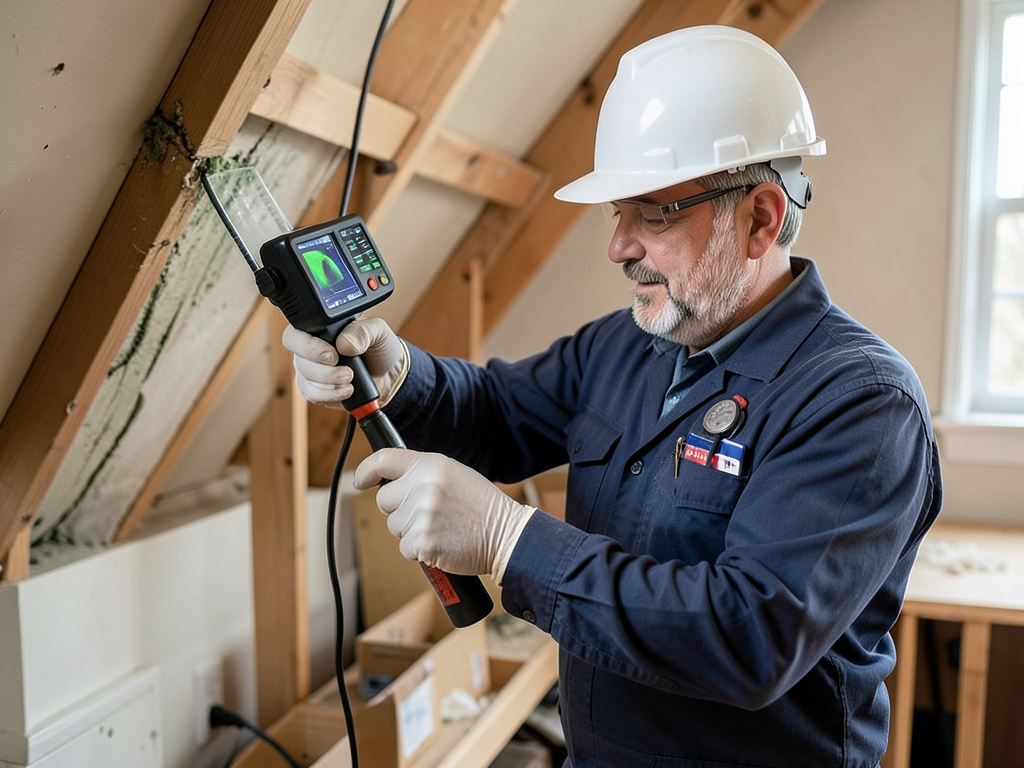
We do not start by scraping paint or removing wallpaper. We start with moisture mapping using calibrated hygrometers and thermal imaging cameras. These tools reveal elevated moisture content inside wall assemblies before visible damage appears.

A thermal camera detects temperature differentials caused by wet building materials. Evaporation creates cooling. Active leaks show as distinct thermal signatures. We scan entire wall planes to identify moisture patterns, then use pin-type and non-invasive moisture meters to quantify water content in drywall, plaster, and framing members.

This diagnostic phase answers the critical question: Where is the water coming from? We trace moisture back to its source. A second-floor bathroom with peeling paint might have a leaking shower pan. A first-floor bedroom with bubbling paint could have exterior brick veneer allowing water past deteriorated weep holes. An interior wall with blistering wall paint often indicates a roof leak or plumbing failure inside the wall cavity.

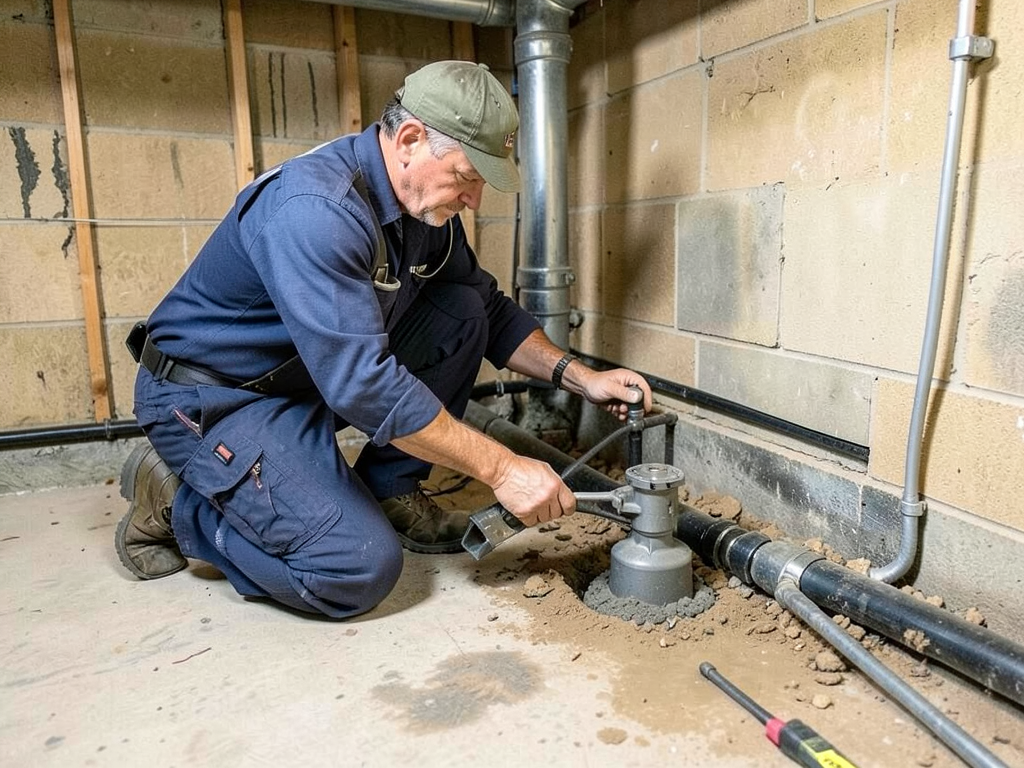
Once we identify the source, we address it. That might mean repairing a plumbing leak, sealing foundation cracks with epoxy injection, replacing damaged flashing, or improving attic ventilation to reduce condensation. We extract standing water, remove saturated materials that cannot be salvaged, and establish drying conditions using commercial dehumidifiers and air movers.

We monitor moisture levels daily until readings return to normal ranges. Only after structural drying is complete do we address cosmetic repairs. We apply antimicrobial treatments to prevent mold colonization on dried surfaces, then prime with vapor-barrier primers designed for high-humidity environments. This ensures paint and wallpaper adhere to stable, dry substrates. The work lasts because we fixed the cause, not just the symptom.

What Happens When You Call About Peeling Paint or Wallpaper

Peeling Paint & Wallpaper in Birmingham – Expert Diagnosis of Hidden Water Damage Before Cosmetic Fixes Fail Again
01

Moisture Assessment and Source Detection

We arrive with diagnostic equipment and begin thermal scanning of affected areas. Moisture meters quantify water content in walls, ceilings, and floors. We document baseline readings, photograph damage patterns, and trace moisture migration paths back to entry points. This reveals whether you have active leaks, condensation problems, or residual moisture from past events. The assessment typically takes 45 to 90 minutes depending on your home size and extent of visible damage.
02

Water Removal and Structural Drying

After identifying the moisture source, we stop active water intrusion and begin extraction. Saturated drywall, insulation, or baseboards that cannot dry properly get removed to prevent mold growth. We position commercial-grade dehumidifiers and air movers to create optimal drying conditions. Moisture readings get checked daily. Structural drying usually takes three to five days in Birmingham's humidity, longer if wall cavities retained water for weeks before you called. We adjust equipment placement based on daily readings to ensure complete drying.
03

Surface Preparation and Protective Coatings

Once moisture levels normalize, we treat dried surfaces with antimicrobial solutions to inhibit mold and mildew. Damaged drywall gets replaced. We prime all affected surfaces with moisture-resistant primers that create vapor barriers and improve paint adhesion. This prep work prevents future peeling by addressing the conditions that caused the original failure. Your painter or wallpaper installer then has a stable, dry substrate. We provide documentation of final moisture readings so you have baseline data for future reference.

Why Birmingham Homeowners Choose Local Water Damage Specialists Over Painters

Painters fix surfaces. We fix buildings. That distinction matters when peeling paint and wallpaper signal deeper problems.

A painting contractor will scrape, prime, and repaint. If moisture remains in the wall, the new finish fails within months. You pay twice for the same cosmetic work without solving anything. Worse, ongoing moisture creates conditions for mold growth inside wall cavities where you cannot see it.

Grand Water Damage Restoration Birmingham approaches failing finishes as diagnostic clues. We have worked in Homewood bungalows with plaster walls, Forest Park brick colonials with no vapor barriers, and Crestwood ranch homes with slab foundations. Each architectural style presents distinct moisture vulnerabilities.

Homes near Red Mountain often have elevated groundwater during wet seasons, creating hydrostatic pressure against foundations. Older neighborhoods like Avondale have homes built before building codes required proper flashing and moisture barriers. We recognize these patterns because we work in Birmingham every day.

Our familiarity with local construction methods helps us diagnose problems faster. We know that homes built in the 1950s often have inadequate attic ventilation. We know that Birmingham's freeze-thaw cycles can crack exterior masonry, creating water entry points. We know that summer humidity creates condensation problems in poorly insulated walls.

This local knowledge translates to accurate diagnosis and effective repairs. We also work directly with insurance companies to document water damage properly. Most homeowner policies cover sudden water damage but exclude maintenance issues. Proper documentation and clear communication with adjusters increase claim approval rates. We photograph damage, provide moisture readings, and explain causation in terms insurance professionals understand.

You get specialized expertise, proper equipment, and someone who knows Birmingham buildings. That combination solves problems instead of covering them up temporarily.

What You Can Expect From Start to Finish

Response Time and Availability

We answer calls seven days a week and typically arrive for assessments within four hours during business days, longer on weekends depending on call volume. Emergency water damage gets priority response because delays increase damage severity. For non-emergency situations like chronic peeling paint, we schedule assessments within 24 to 48 hours. The initial visit takes 45 to 90 minutes. We provide a written scope of work before any repair begins so you understand what needs to happen and why. If insurance coverage applies, we walk you through the claims process and provide documentation your adjuster needs.

Diagnostic Process and Moisture Testing

Every job starts with comprehensive moisture assessment. We use thermal imaging to identify temperature anomalies caused by wet materials, then confirm with calibrated moisture meters. Pin-type meters measure moisture content in wood framing and drywall. Non-invasive meters scan through paint and wallpaper without causing damage. We document baseline readings, photograph all affected areas, and create a moisture map of your home. This data guides our drying strategy and provides objective evidence of progress. You receive copies of all readings and thermal images. We explain findings in clear terms, not technical jargon you need a translator to understand.

Quality of Repairs and Final Results

We return your home to dry, stable conditions suitable for reconstruction. That means documented moisture levels below 15 percent in wood framing and below 1.0 percent in drywall, which are industry standards for dried conditions in the Southeast. Structural repairs meet or exceed code requirements. We replace damaged materials with equivalent or better products. All work areas get cleaned daily, and we protect unaffected areas with plastic barriers to contain dust. Final moisture readings get documented in writing. You receive a summary report showing before and after conditions, source of water intrusion, repairs completed, and recommendations for preventing recurrence.

Prevention and Ongoing Monitoring

We provide specific recommendations based on your home and the problems we found. That might include improving attic ventilation, upgrading bathroom exhaust fans, sealing foundation cracks, or improving exterior drainage. These recommendations prevent future moisture problems. We do not push unnecessary services, but we tell you what will likely cause problems down the road if left unaddressed. Some clients schedule annual moisture inspections to catch problems early, especially if they have had previous water damage. We keep records of all moisture readings so we can compare future readings to baseline data and identify trends before visible damage appears.

Frequently Asked Questions

You Have Questions,
We Have Answers

Why is my paint peeling off the wall like wallpaper? +

Paint peels in thick sheets when moisture gets trapped behind the film. In Birmingham, high humidity and water intrusion from roof leaks or plumbing failures cause this damage. The paint loses adhesion to the substrate because water seeps between layers, breaking the bond. You may also see this if the wall was not prepped correctly before painting, leaving dirt or grease under the paint. Check for hidden water damage, mold growth, or leaks. Peeling paint signals a bigger moisture problem that needs fixing before you repaint, or the issue will return.

What to do if paint is peeling off the wall? +

First, stop the moisture source. Check for roof leaks, plumbing failures, or condensation problems common in Birmingham's humid climate. Scrape off all loose paint down to a stable edge. Sand the area smooth, then wipe clean. Prime bare spots with a moisture-blocking primer. Let everything dry completely before repainting. If you see mold or widespread damage, you need professional water damage restoration. Do not paint over wet or damaged drywall. Fix the root cause first, or you waste time and money when the paint peels again within months.

Is it cheaper to paint or peel and stick wallpaper? +

Painting costs less upfront for most rooms. Peel and stick wallpaper runs higher per square foot, but you skip primer and multiple coats. In Birmingham homes with humidity issues, paint often performs better long term because wallpaper adhesive can fail when moisture penetrates walls. Paint also hides imperfections better on older plaster walls common in historic neighborhoods. Wallpaper works well for accent walls in dry, climate-controlled spaces. For whole rooms or water-prone areas, paint delivers better value and durability. Calculate material costs for your specific square footage before deciding.

Can I paint over paint that is peeling? +

No. Painting over peeling paint guarantees failure. The new coat will peel with the old layer because the underlying adhesion problem remains unresolved. You must scrape off all loose paint first, sand edges smooth, and prime bare spots. Birmingham's humidity makes this step critical. Trapped moisture under old paint will push through fresh coats within weeks. Remove peeling sections completely, address any water damage or mold, let surfaces dry fully, then prime and repaint. Skipping prep work wastes money when you repaint sooner than expected.

Will Kilz stop peeling paint? +

Kilz primer blocks stains and seals porous surfaces, but it will not fix peeling paint. You must remove all loose, flaking paint before applying Kilz. The primer needs a stable surface to bond properly. In Birmingham, where moisture causes most peeling, Kilz can help seal the substrate after you address water intrusion. Use Kilz on clean, scraped, dry surfaces to prevent future adhesion problems. It works well on older plaster walls or water-stained drywall once you fix the leak. Prime first, then paint for lasting results.

Should I scrape off all the peeling paint? +

Yes. Remove every loose piece of paint before repainting. Use a scraper to lift all flaking sections until you reach paint that adheres firmly to the wall. Sand the edges where old paint meets bare wall to create a smooth transition. This step prevents new paint from lifting at the seams. In Birmingham homes, moisture damage often extends beyond visible peeling. Scrape thoroughly, check for soft drywall or mold, and let everything dry completely. Skipping this prep guarantees the problem returns quickly, wasting your effort and materials.

What is the difference between flaking and peeling paint? +

Flaking paint comes off in small chips or fragments, while peeling paint lifts in larger sheets or curls. Both signal adhesion failure, but peeling usually indicates more severe moisture intrusion. In Birmingham, flaking often results from age or poor surface prep, while peeling points to active water damage from leaks or high humidity. Flaking appears more scattered, peeling more continuous. Both require scraping and repainting, but peeling demands that you find and fix the moisture source first. Address the underlying cause before repainting, or the damage will spread.

What do you put on walls to stop paint peeling? +

Apply a moisture-blocking primer after fixing the water source. In Birmingham, high humidity and water intrusion cause most paint adhesion problems. Scrape all loose paint, sand smooth, and clean the surface completely. Use a primer designed to seal porous surfaces and block moisture migration. Products with shellac or oil-based formulas work well on problem walls. Let the primer dry fully before applying finish coats. You can also improve ventilation, run dehumidifiers, and repair leaks to control moisture long term. Primer alone will not stop peeling if water keeps penetrating the wall.

Can you put primer over peeling paint? +

No. Primer needs a stable surface to bond correctly. If you prime over peeling paint, the primer will lift with the old paint when adhesion fails. Scrape off all loose sections first, then prime bare spots. Birmingham's humidity makes this step critical. Primer works by sealing porous substrates and improving topcoat adhesion, but it cannot fix an already-failing surface. Remove peeling paint, sand edges smooth, clean thoroughly, then prime. This process takes more time upfront but prevents repeated failures. Proper prep ensures your paint job lasts years instead of months.

What is the cost of painting a 1000 sq ft house? +

Costs vary based on wall height, surface condition, and paint quality. For a 1000 square foot house in Birmingham, expect material and labor costs to differ significantly if you need extensive prep work. Peeling paint, water damage, or plaster repairs increase the total. Geographic factors like humidity may require specialized primers. Get multiple quotes from local contractors who understand Birmingham's climate challenges. Budget for scraping, priming, and two finish coats. Cheaper estimates often skip critical prep steps, leading to premature failure. Quality work costs more upfront but lasts longer in Birmingham's humid conditions.

How Birmingham's Humidity and Clay Soil Create Chronic Paint and Wallpaper Failure

Birmingham averages 56 inches of rainfall annually, 16 inches above the national average. Summer dew points regularly reach 70 degrees, creating conditions where condensation forms on any surface below ambient temperature. Combine that humidity with expansive red clay soil that swells when wet and shrinks when dry, and you get constant foundation movement. Homes in Glen Iris, Forest Park, and Redmont Park built on clay soils experience seasonal cracking in foundations and masonry veneer. These cracks allow water entry during heavy rains. Interior moisture from cooking, showering, and laundry then cannot escape through walls, so it saturates drywall and loosens paint adhesion.

Older Birmingham neighborhoods have homes built before vapor barriers became standard practice in the 1970s. Many lack adequate attic ventilation or have bathroom fans that vent into attics instead of outside. These conditions create chronic moisture problems that reappear every summer. Local building codes now require proper moisture management, but existing homes remain vulnerable unless upgraded. We work with Birmingham homeowners daily to retrofit older homes with modern moisture control systems. Our familiarity with pre-1970 construction methods common in Southside, Norwood, and Woodlawn helps us identify vulnerabilities that out-of-town contractors miss. That local knowledge translates to repairs that last.
Water Damage Restoration Services in The Birmingham Area

Grand Water Damage Restoration is proud to serve the entire Birmingham area. Our convenient location ensures we can respond to your emergency needs with speed and efficiency. Whether you're a homeowner or business owner, we’re ready to bring our expertise directly to you. View our service area on the map to see how we can provide prompt, professional assistance and restore your property quickly and effectively.

Address:
Grand Water Damage Restoration Birmingham, 401 7th St N, Birmingham, AL, 35203

Additional Services We Offer

Our news updates

Latest Articles & News from The Blogs

Comparing Interior vs Exterior Waterproofing for Your Central Park Basement Living in Central Park means dealing with Birmingham’s heavy rainfall…

Comparing Interior vs Exterior Waterproofing for Your Central Park Basement

Comparing Interior vs Exterior Waterproofing for Your Central Park Basement Living in Central Park means dealing with Birmingham’s heavy rainfall…

Keeping Your Rising West Princeton Home Theater Dry and Mold Free

Keeping Your Rising West Princeton Home Theater Dry and Mold Free Birmingham’s humid subtropical climate creates unique challenges for home…

How High Humidity and Birmingham Pollen Create the Perfect Storm for Attic Mold in Airport Highlands

How High Humidity and Birmingham Pollen Create the Perfect Storm for Attic Mold in Airport Highlands Airport Highlands homeowners face…

Contact Us

Stop wasting money on cosmetic fixes that fail. Call (659) 234-8188 now for a comprehensive moisture assessment. We identify the water source, fix the problem, and prepare surfaces properly so your next paint job lasts. Schedule your inspection today.