Menu

Hardwood Floor Water Damage Birmingham – Expert Wood Floor Drying and Structural Repair

When water seeps into your hardwood floors, you need specialized drying equipment and structural assessment to prevent permanent cupping, buckling, and subfloor rot. Grand Water Damage Restoration Birmingham delivers the technical expertise to salvage your investment.

Slider Image 1
Slider Image 2
Slider Image 3
Slider Image 4
Slider Image 5
Slider Image 7
Slider Image 8
Slider Image 9
Slider Image 10
Slider Image 11

Why Birmingham's Climate and Construction Turn Minor Leaks into Major Hardwood Floor Disasters

Birmingham's subtropical humidity sits at 72% on average. When water hits your hardwood floors from a burst pipe, roof leak, or appliance failure, that ambient moisture slows evaporation and accelerates damage. You have a 24 to 48 hour window before wet hardwood flooring begins to cup, swell, and delaminate.

Many Birmingham homes built before 1980 feature original oak and pine floors with minimal vapor barriers beneath. When water infiltrates these installations, it spreads laterally through subfloors and joists. Water damaged wood floors in older Forest Park and Highland Park homes often show cupping along the edges where planks absorb moisture unevenly. In newer construction around Inverness and Greystone, engineered hardwood reacts differently. The veneer layer separates from the plywood core when saturated.

Birmingham's red clay soil creates another problem. Foundation settling and minor shifts happen constantly. These micro-movements create gaps where water pools beneath hardwood. A small leak from an upstairs bathroom can travel through floor assemblies and resurface two rooms away. By the time you notice the water damaged wood floors, the subfloor may already be compromised.

Wood floor water damage repair demands immediate extraction and controlled drying. You cannot air-dry hardwood in Birmingham's humidity. The longer water sits, the deeper it penetrates. Cupping turns into crowning. Surface damage becomes structural failure. Drying hardwood floors requires commercial dehumidifiers, moisture meters that measure depth of saturation, and thermal imaging to track hidden water in subfloors and wall cavities.

Why Birmingham's Climate and Construction Turn Minor Leaks into Major Hardwood Floor Disasters
How We Stop Hardwood Floor Water Damage Before Replacement Becomes Your Only Option

How We Stop Hardwood Floor Water Damage Before Replacement Becomes Your Only Option

Most homeowners try to dry wet hardwood flooring with fans and open windows. This fails because surface drying traps moisture in the wood core and subfloor. Hardwood floor cupping happens when the bottom of the plank stays wet while the top dries. The board edges lift. The floor becomes uneven. Within days, the damage is irreversible.

We use thermal hygrometry to map moisture content across the entire floor. A moisture meter tells us surface readings. Thermal imaging shows us where water has migrated into floor joists, insulation, and HVAC chases. We measure relative humidity at the floor level and compare it to dew point. This data tells us whether the environment will support drying or continue feeding moisture back into the wood.

Extraction happens first. We remove standing water with truck-mounted extraction units that pull water from surface and seams. Then we inject desiccant dehumidifiers that process 150 pints per day. These units are not the same as residential models. They create a controlled environment where relative humidity drops below 30%, forcing moisture out of the wood grain.

For severe saturation, we use injectidry systems. These tools blow heated, dry air into the subfloor cavity through small access holes. The airflow moves beneath the hardwood, drying from the bottom up. This prevents cupping and reduces drying time by 60%. We monitor moisture levels every 12 hours and adjust airflow and dehumidification based on the data.

Wood floor water damage repair also means addressing the source. We identify whether the water came from a supply line, drain line, or external intrusion. If the subfloor shows rot or mold growth, we document it for insurance and remediate before reinstalling any flooring.

What Happens When You Call Us for Wet Hardwood Floors

Hardwood Floor Water Damage Birmingham – Expert Wood Floor Drying and Structural Repair
01

Emergency Water Extraction

We arrive within 90 minutes and begin extracting standing water from the hardwood surface and between planks. Our truck-mounted extractors generate 500 PSI of suction to remove water from seams and subfloor gaps. We use moisture meters to establish baseline saturation levels across the affected area. This initial reading determines the drying strategy and equipment deployment. You receive a moisture map showing saturation depth in the wood and subfloor.
02

Controlled Structural Drying

We install commercial dehumidifiers and air movers in a configuration that creates negative pressure drying. Heated air moves across the floor surface while desiccant dehumidifiers pull moisture from the air. For subfloor saturation, we use injectidry mats that force dry air beneath the hardwood without removing planks. Thermal imaging tracks moisture migration every 12 hours. We adjust temperature and airflow based on wood species, plank thickness, and subfloor composition. The drying environment stays between 28% and 35% relative humidity.
03

Damage Assessment and Restoration

Once moisture levels stabilize below 12% wood moisture content, we evaluate the hardwood for permanent deformation. Minor cupping often self-corrects as the wood re-acclimates. Severe cupping, crowning, or finish damage requires sanding and refinishing. If planks have delaminated or the subfloor shows rot, we coordinate selective board replacement with your insurance adjuster. You receive a final moisture certification report and documentation of all salvaged versus replaced materials for your claim.

Why Birmingham Homeowners Trust Us with Their Original Hardwood Floors

Birmingham's historic neighborhoods feature irreplaceable heart pine and old-growth oak flooring. When water threatens these floors, you need a restoration team that understands wood behavior and structural drying science. Grand Water Damage Restoration Birmingham specializes in salvaging original hardwood in homes throughout Crestwood, Homewood, and Mountain Brook.

We understand Birmingham's building practices. Homes built before central air conditioning have different subfloor construction than modern slab foundations. Crawl space moisture, inadequate vapor barriers, and seasonal humidity swings all affect how water damaged wood floors respond to drying. We adjust our approach based on your home's age, foundation type, and HVAC system.

Our technicians hold IICRC Water Damage Restoration certifications and complete continuing education in wood floor drying techniques. We use the same moisture monitoring protocols that insurance adjusters rely on. This means your documentation is accurate, your claim is supported, and your floors are dried to industry standards.

We also work directly with Birmingham hardwood flooring contractors for finish work. If your floors need sanding and refinishing after drying, we coordinate that process. If selective plank replacement is necessary, we source matching wood species and grade. You get a single point of contact from emergency extraction through final refinishing.

Speed matters with hardwood floor water damage. We operate 24 hours a day because we know that every hour of delayed drying increases the chance of permanent damage. When you call us, you reach a technician who can dispatch equipment immediately, not an answering service that takes messages.

What to Expect When We Restore Your Water Damaged Hardwood Floors

Response Time and Initial Setup

We deploy a technician to your Birmingham property within 90 minutes of your call. Emergency extraction equipment arrives on the first visit. Our truck-mounted units remove standing water immediately. Drying equipment including commercial dehumidifiers and air movers are installed within two hours. You receive an initial moisture assessment report before we leave. Drying typically runs continuously for three to seven days depending on saturation depth and wood species. We check moisture levels every 12 hours and document progress for your insurance adjuster.

Moisture Testing and Monitoring

We use pin-type and pinless moisture meters to measure wood moisture content at multiple depths. Surface readings tell us about the top veneer. Deep probe readings measure moisture in the core and subfloor. Thermal imaging cameras identify hidden water in wall cavities and beneath baseboards. We map moisture across the entire affected area and track drying rates. You receive daily updates showing moisture reduction percentages. Our target is below 12% wood moisture content before we remove equipment. This matches the equilibrium moisture content for Birmingham's climate and prevents future warping.

Final Condition and Restoration Options

After controlled drying, hardwood floors often show minor cupping or raised grain. Many of these issues self-correct as the wood acclimates to normal humidity levels. We wait 10 to 14 days post-drying before recommending sanding or refinishing. This acclimation period allows the wood to stabilize. If planks remain cupped or the finish is damaged, we provide a detailed scope of work for sanding and refinishing. For floors with delaminated planks or subfloor damage, we coordinate selective board replacement. You receive photos documenting before, during, and after conditions for your records and insurance claim.

Insurance Documentation and Support

We provide comprehensive documentation for your insurance claim including moisture readings, thermal images, equipment logs, and drying charts. Our reports follow IICRC S500 Water Damage Restoration standards, the same protocol insurance adjusters use to evaluate claims. We communicate directly with your adjuster and provide technical explanations of the drying process. If your policy covers water damage, we help you understand what restoration costs are covered. We do not provide cost estimates for finish work until drying is complete and the final floor condition is assessed. This protects you from over-scoping or under-scoping the repair.

Frequently Asked Questions

You Have Questions,
We Have Answers

Can hardwood floors be repaired after water damage? +

Yes, hardwood floors can often be repaired after water damage, but success depends on how long water sat and the extent of penetration. Minor surface water may only require drying and refinishing. Deep saturation that causes cupping, warping, or buckling may require selective board replacement. Birmingham's high humidity slows drying and increases risk of secondary damage. A certified water damage technician should assess within 24 hours to determine if drying, sanding, or replacement is needed. Quick response prevents mold growth under the flooring, which thrives in our humid climate and destroys subfloors.

What to do if water gets under hardwood floors? +

Shut off the water source immediately and remove any standing water with towels or a wet vac. Pull up area rugs and furniture to allow airflow. Do not wait. Water under hardwood floors spreads quickly through seams and can saturate the subfloor. Contact a water damage restoration company fast. They will use moisture meters to map the damage and deploy commercial dehumidifiers and air movers. Birmingham's humidity makes air drying ineffective. Professionals extract trapped moisture from beneath boards using specialized equipment before mold colonizes the subfloor, which happens within 24 to 48 hours.

What happens to hardwood floors when they get wet? +

Hardwood floors absorb water through seams, edges, and end grain. The wood swells, causing boards to cup (edges rise) or crown (centers rise). Prolonged exposure leads to warping, buckling, and separation. Finish coatings blister or peel. In Birmingham, our humid climate compounds the problem because moisture does not evaporate quickly. Water also seeps into the subfloor, weakening structural integrity and creating conditions for mold growth. Dark staining indicates tannin leaching or microbial activity. The longer water sits, the more irreversible the damage becomes. Fast extraction and controlled drying are critical.

How to flatten a wood floor after water damage? +

Flattening water-damaged hardwood requires professional drying first. Remove all surface water and run commercial dehumidifiers and air movers for several days to extract moisture from the wood and subfloor. Boards must return to normal moisture content, typically 6 to 9 percent in Birmingham. If cupping persists after complete drying, a flooring contractor can sand the surface flat once the wood stabilizes. Never sand wet or damp floors. If boards remain warped or buckled after drying, replacement is necessary. Subfloor damage must also be addressed before refinishing.

How much does it cost to repair a water-damaged hardwood floor? +

Repair costs depend on damage severity, square footage affected, and whether you need drying, refinishing, or replacement. Minor water damage requiring drying and refinishing runs less than major buckling that demands board replacement and subfloor repair. Birmingham's humidity increases drying time, which affects labor costs. Mold remediation adds expense if water sat too long. Insurance often covers sudden water damage like burst pipes, but not long-term leaks. Get a professional assessment with moisture mapping before budgeting. Costs vary widely based on wood species, finish type, and structural damage underneath.

Can mold grow under hardwood floors? +

Yes, mold grows aggressively under hardwood floors when moisture is present. Birmingham's high humidity and warm temperatures create perfect conditions. Mold colonizes damp subfloors, underlayment, and the underside of hardwood within 24 to 48 hours of water exposure. You may not see it initially because growth happens in hidden cavities. Warning signs include musty odors, visible surface mold around edges, or discoloration. Mold destroys subfloors and releases spores into your home. Professional water extraction and antimicrobial treatment are necessary to prevent colonization. Do not ignore water under hardwood. Mold remediation is expensive.

Will a one-time water leak cause mold? +

A one-time water leak can cause mold if water is not fully dried within 24 to 48 hours. Mold needs moisture, organic material, and warmth. Hardwood subfloors provide food, and Birmingham's climate provides warmth and ambient humidity. Even a small leak that seeps under flooring creates a trapped, dark environment where mold thrives. If water is extracted immediately and the subfloor is dried with professional equipment, mold risk drops significantly. Visible surface drying does not mean hidden moisture is gone. Moisture meters confirm complete drying. Skip this step and mold will grow.

How long does it take for water to dry under hardwood floors? +

Drying time depends on water volume, wood species, subfloor material, and humidity levels. Surface drying happens in hours, but moisture trapped under hardwood floors takes 3 to 7 days with professional equipment. Birmingham's humidity extends drying time because ambient moisture slows evaporation. Technicians use industrial dehumidifiers, air movers, and moisture meters to track progress. Subfloors, especially plywood or OSB, hold water longer than surface boards. Do not rely on fans alone. Incomplete drying causes mold growth, warping, and structural rot. Professionals confirm moisture content matches pre-loss levels before stopping equipment.

Is there a way to reverse water damage on wood? +

Reversing water damage depends on how long water sat and how deeply it penetrated. Light surface water caught early can be dried and refinished with minimal visible damage. Deep saturation that causes cupping, warping, or dark staining is harder to reverse. Once wood fibers swell and distort, some dimensional change is permanent. Sanding can flatten minor cupping after complete drying, but severe warping or buckling requires board replacement. Mold staining and tannin bleed cannot always be sanded out. Speed matters. The faster you dry the floor, the better your chance of full recovery.

What pulls moisture out of wood floors? +

Commercial dehumidifiers and air movers pull moisture from wood floors by lowering ambient humidity and increasing airflow. Dehumidifiers extract water vapor from the air, forcing moisture out of the wood through evaporation. Air movers accelerate surface drying and push humid air toward the dehumidifier. In Birmingham, standard household fans are insufficient because our humid climate resists evaporation. Moisture meters guide the process, tracking moisture content in the wood and subfloor. Professionals may use injection drying systems to target trapped moisture under boards. Controlled drying prevents warping and mold growth.

How Birmingham's Red Clay Soil and Seasonal Flooding Patterns Increase Hardwood Floor Water Damage Risk

Birmingham sits in the Ridge and Valley region where red clay soil expands and contracts with moisture changes. This movement creates foundation shifts that stress plumbing connections and HVAC drain lines. A minor foundation settlement can crack a supply line or separate a drain fitting, sending water directly onto hardwood floors. Birmingham also receives 54 inches of rain annually, with heavy downpours in March and July. Flash flooding in low-lying areas near Valley Creek and Village Creek pushes water into crawl spaces and basements, where it wicks up into hardwood subfloors. Homes near Shades Mountain and Red Mountain experience runoff that pools against foundations during storms, increasing the risk of water intrusion beneath hardwood installations.

Grand Water Damage Restoration Birmingham operates under Alabama building codes and follows IICRC restoration standards. We understand local construction practices including pier and beam foundations common in older Birmingham neighborhoods and post-tension slab foundations used in newer developments. Our technicians are trained in Alabama moisture regulations and work with local insurance adjusters who require specific documentation standards. We maintain relationships with Birmingham hardwood suppliers and refinishing contractors, which speeds up the restoration process when selective plank replacement or refinishing is necessary. Choosing a local provider means faster response, better understanding of Birmingham's environmental challenges, and seamless coordination with the local contractors who will complete finish work.
Water Damage Restoration Services in The Birmingham Area

Grand Water Damage Restoration is proud to serve the entire Birmingham area. Our convenient location ensures we can respond to your emergency needs with speed and efficiency. Whether you're a homeowner or business owner, we’re ready to bring our expertise directly to you. View our service area on the map to see how we can provide prompt, professional assistance and restore your property quickly and effectively.

Address:
Grand Water Damage Restoration Birmingham, 401 7th St N, Birmingham, AL, 35203

Additional Services We Offer

Our news updates

Latest Articles & News from The Blogs

Comparing Interior vs Exterior Waterproofing for Your Central Park Basement Living in Central Park means dealing with Birmingham’s heavy rainfall…

Comparing Interior vs Exterior Waterproofing for Your Central Park Basement

Comparing Interior vs Exterior Waterproofing for Your Central Park Basement Living in Central Park means dealing with Birmingham’s heavy rainfall…

Keeping Your Rising West Princeton Home Theater Dry and Mold Free

Keeping Your Rising West Princeton Home Theater Dry and Mold Free Birmingham’s humid subtropical climate creates unique challenges for home…

How High Humidity and Birmingham Pollen Create the Perfect Storm for Attic Mold in Airport Highlands

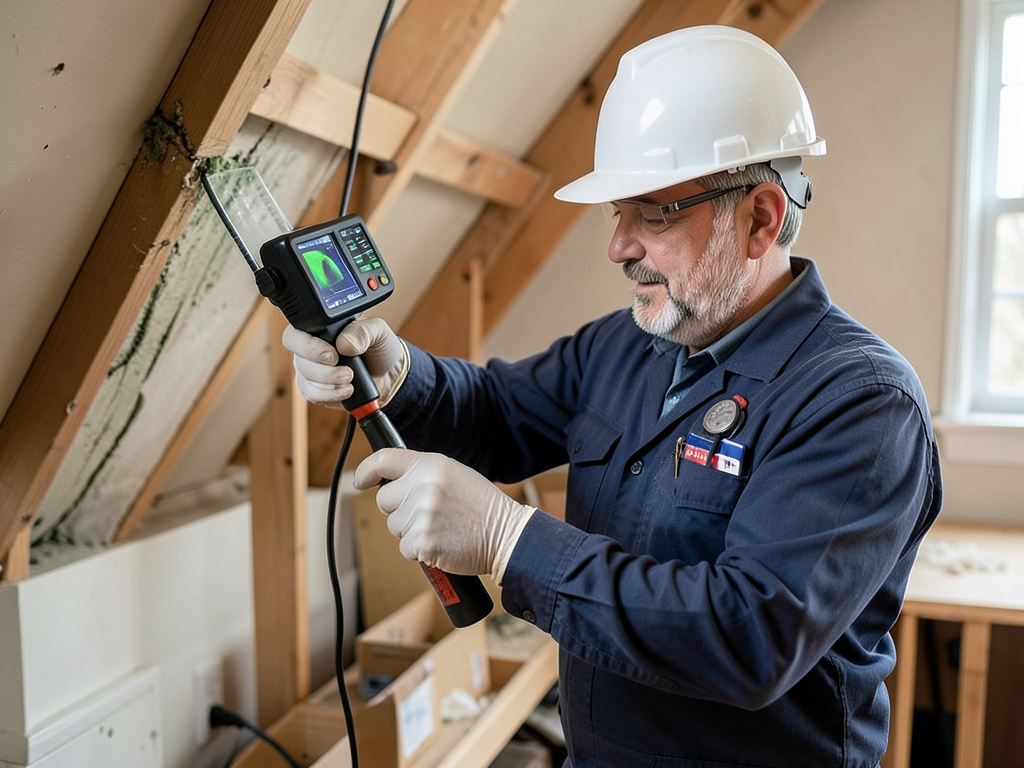
How High Humidity and Birmingham Pollen Create the Perfect Storm for Attic Mold in Airport Highlands Airport Highlands homeowners face…

Contact Us

Water spreads through hardwood and subfloors every minute you wait. Call Grand Water Damage Restoration Birmingham now at (659) 234-8188. We deploy extraction and drying equipment within 90 minutes. Our technicians operate 24 hours a day to protect your floors and your investment.