Menu

Signs of Hidden Mold in Birmingham – Expert Detection Resources to Protect Your Health and Property

Comprehensive guides, diagnostic tools, and professional insights for identifying symptoms of concealed mold in Birmingham homes and businesses before it threatens your indoor air quality and structural integrity.

Slider Image 1
Slider Image 2
Slider Image 3
Slider Image 4
Slider Image 5
Slider Image 7
Slider Image 8
Slider Image 9
Slider Image 10
Slider Image 11

Why Hidden Mold Thrives in Birmingham Properties

Birmingham's humid subtropical climate creates perfect conditions for concealed mold growth. With average humidity levels reaching 70 to 85 percent during summer months and frequent thunderstorms dumping heavy rainfall, moisture infiltrates wall cavities, crawl spaces, and attic insulation without visible warning signs.

The red clay soil throughout Jefferson County shifts during wet seasons, causing foundation cracks that allow groundwater seepage. This moisture migrates upward through concrete slabs and into drywall, creating hidden breeding grounds for mold spores. You will not see the problem until it has spread significantly.

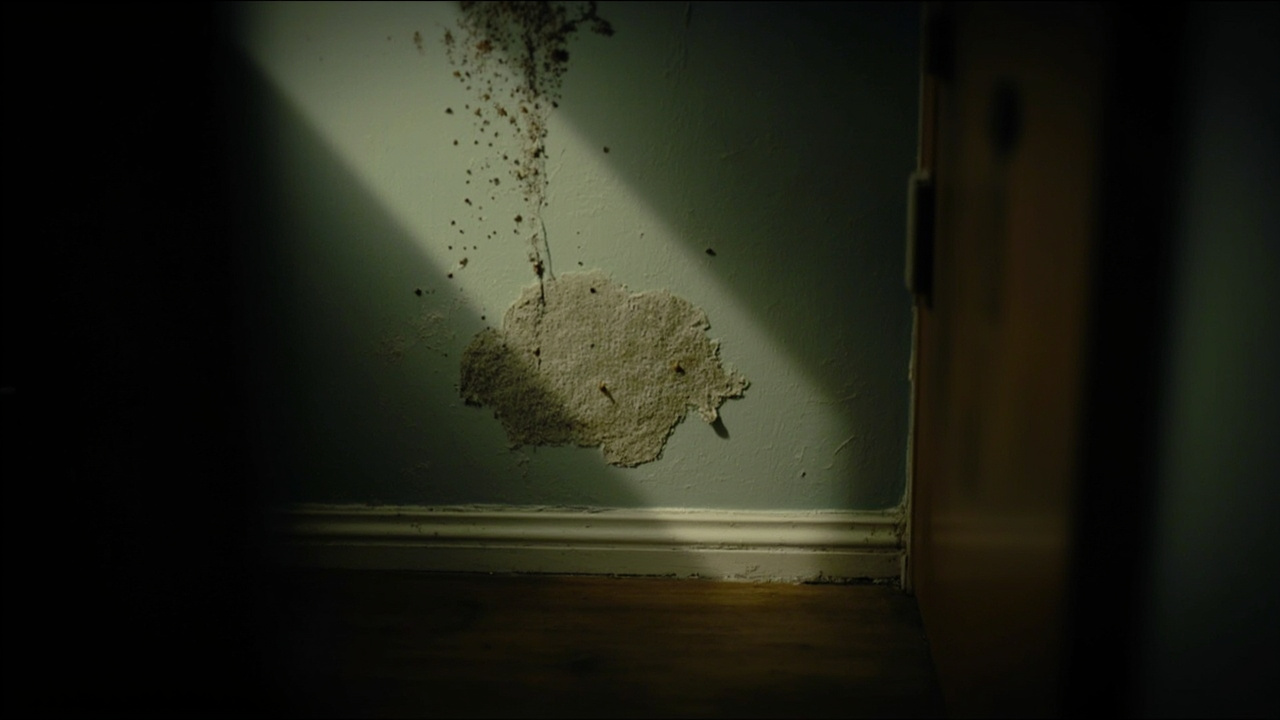
Indicators of invisible mold include persistent musty odors that intensify after rain, unexplained respiratory issues among occupants, and warped baseboards or bubbling paint on exterior walls. Detecting hidden mold requires understanding how Birmingham's climate interacts with building materials common to the area.

Older homes in neighborhoods like Forest Park and Ensley feature pier and beam foundations with poor ventilation underneath. Modern homes in Hoover and Vestavia Hills often have sealed crawl spaces that trap condensation. Both scenarios hide mold growth from view.

Evidence of unseen mold appears through secondary symptoms. You might notice increased allergy symptoms, a spike in asthma attacks, or recurring sinus infections among family members. These health signals often precede visible mold discovery by months. Water stains on ceilings after roof leaks, condensation patterns around windows during humid months, and dampness in closets against exterior walls all point to moisture problems that fuel mold colonization behind surfaces you cannot inspect without proper equipment.

Why Hidden Mold Thrives in Birmingham Properties
Professional Mold Detection Methodology

Professional Mold Detection Methodology

Identifying signs of mold behind walls requires specialized equipment and systematic investigation protocols. Thermal imaging cameras detect temperature differentials that indicate moisture accumulation inside wall cavities. Cool spots on interior walls often signal water intrusion or poor insulation combined with condensation, both of which support mold growth.

Moisture meters measure the water content percentage in building materials. Drywall should register below 16 percent moisture content. Readings above this threshold indicate active moisture problems that enable mold colonization. We test multiple points across suspected areas to map moisture distribution patterns.

Air quality sampling captures airborne mold spore concentrations throughout your property. We compare indoor spore counts against outdoor baseline samples to determine if indoor mold growth exceeds normal environmental levels. High spore concentrations of Stachybotrys, Aspergillus, or Penicillium species indicate hidden contamination requiring further investigation.

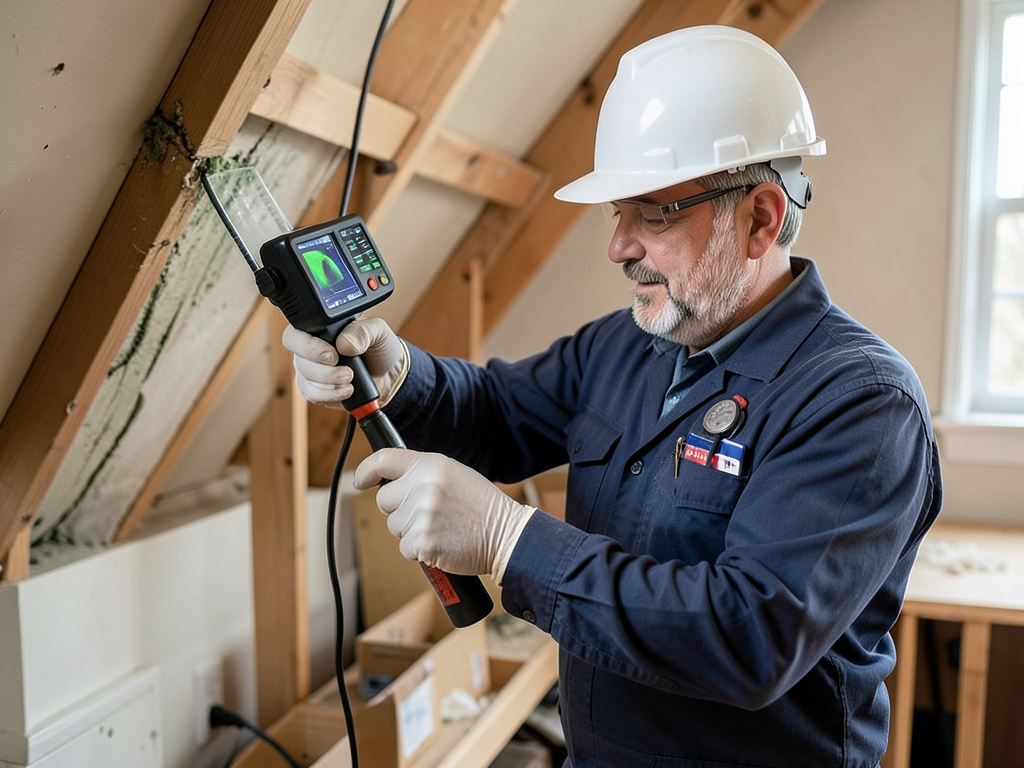
Borescope inspection allows visual confirmation without destructive testing. We drill small access holes and insert fiber optic cameras into wall cavities, under flooring, and above ceiling tiles to directly observe mold growth and moisture damage.

Surface sampling through tape lifts or swab tests identifies mold species present on visible surfaces. Laboratory analysis confirms whether growth patterns match species typically associated with water damage or indicate other moisture sources.

The detection process follows a systematic approach. We start with visual inspection of water intrusion indicators, then deploy moisture mapping to locate hidden wet areas, followed by air sampling to quantify contamination levels. This layered methodology ensures we locate all affected areas before remediation begins. You get a complete picture of the mold problem, not just treatment of visible symptoms.

How We Help You Identify Hidden Mold

Signs of Hidden Mold in Birmingham – Expert Detection Resources to Protect Your Health and Property
01

Initial Assessment and History

We document your health symptoms, property history, and suspected problem areas. You provide information about past water damage events, plumbing repairs, roof leaks, and HVAC performance issues. This background guides our investigation focus and helps correlate symptoms with likely source locations. We review your concerns about specific rooms, odors, or health patterns that prompted your call.
02

Diagnostic Testing and Mapping

Our technicians deploy thermal imaging and moisture meters throughout your property. We create moisture maps showing elevated readings in walls, ceilings, and floors. Air samples capture spore counts in multiple rooms. Borescope cameras inspect wall cavities in high-risk areas. You receive real-time explanations of findings as we work through each testing phase, building a complete diagnostic picture.
03

Documentation and Recommendations

You receive a detailed report with thermal images, moisture readings, laboratory analysis results, and photographic evidence. We explain which areas require remediation, what caused the moisture intrusion, and how to prevent recurrence. The report includes scope of work recommendations, material replacement needs, and repair priorities. This documentation supports insurance claims and contractor estimates for necessary repairs.

Why Birmingham Property Owners Trust Local Mold Detection Experts

Grand Water Damage Restoration Birmingham understands the specific construction methods and moisture challenges facing properties throughout Jefferson and Shelby counties. We know that homes built before 1980 in neighborhoods like Crestwood and Homewood often lack vapor barriers in crawl spaces, creating chronic moisture problems. We recognize that properties in low-lying areas near Valley Creek or Village Creek face elevated flood risk during severe weather.

Our technicians understand local building code requirements for moisture control and ventilation. Birmingham adopted the 2018 International Residential Code with amendments specific to our climate zone. Proper mold remediation must address these standards to ensure your property remains compliant and your repairs hold up long-term.

We have worked throughout the Birmingham metro area and recognize the moisture patterns specific to different neighborhoods. Properties in Trussville built on sloped lots face different drainage challenges than homes in Mountain Brook with mature tree canopies that block sunlight and slow evaporation. This local knowledge informs our diagnostic approach.

The relationship between your HVAC system performance and hidden mold growth requires understanding Birmingham's cooling demands. Oversized air conditioning units cycle too quickly, failing to remove humidity effectively. This leaves moisture in the air that condenses on cool surfaces inside wall cavities, particularly in closets and bathrooms against exterior walls. We evaluate mechanical systems as part of mold investigations because equipment issues often drive moisture problems.

You need someone who can identify whether your mold growth stems from construction defects, storm damage, plumbing failures, or HVAC inadequacy. Each cause requires different remediation strategies and different conversations with your insurance carrier. Local experience means accurate diagnosis and appropriate solutions the first time.

What to Expect During Professional Mold Detection

Response Time and Scheduling

We schedule mold inspections within 24 to 48 hours of your call. The assessment takes two to four hours depending on property size and complexity. You can remain present during the entire inspection process. We explain findings in real time and answer questions as we work through each testing phase. For urgent situations involving significant health symptoms or recent water damage events, same-day inspections can be arranged. Laboratory analysis of air and surface samples typically requires three to five business days for complete results.

Comprehensive Property Evaluation

Our assessment covers all areas where moisture intrusion and mold growth commonly occur. We inspect attics, crawl spaces, bathrooms, kitchens, laundry rooms, basements, and exterior envelope penetrations. Thermal imaging scans exterior walls, particularly north-facing surfaces that receive less direct sunlight. We check HVAC systems for condensate drainage issues and ductwork for condensation problems. You receive documentation of every tested area with corresponding moisture readings and thermal images. Problem areas are photographed and measured to support remediation planning.

Detailed Findings Report

Your inspection report includes laboratory analysis results, thermal imaging documentation, moisture content readings, and professional interpretation of findings. We identify mold species present, quantify contamination levels, and explain health risk factors associated with detected species. The report specifies which building materials require removal, what structural repairs are necessary, and how to address the underlying moisture source. You can provide this documentation to remediation contractors, insurance adjusters, and real estate professionals. The report meets industry standards for third-party mold assessments.

Post-Remediation Verification Testing

After remediation work completes, we perform clearance testing to verify successful mold removal. This includes visual inspection, air sampling, and moisture verification in previously affected areas. Clearance testing confirms spore counts have returned to normal levels and no residual contamination remains. You receive documentation proving your property is safe for occupancy. This verification protects you from incomplete remediation and provides assurance that the problem has been properly resolved. Most insurance carriers and real estate transactions require clearance testing documentation.

Frequently Asked Questions

You Have Questions,
We Have Answers

How do you know if you have hidden mold in your house? +

You might have hidden mold if you notice a musty, earthy smell that persists even after cleaning. Check for water stains on ceilings or walls, peeling paint, or warping baseboards. Birmingham's high humidity often traps moisture in crawl spaces, attics, and behind drywall. Feel for damp spots near windows or HVAC vents. If your allergies worsen indoors or you see condensation patterns, mold may be growing where you cannot see it. Look behind appliances, under sinks, and inside wall cavities near plumbing. Trust your nose and investigate any persistent odor.

What are signs of mold sickness? +

Mold sickness symptoms include persistent sneezing, coughing, watery eyes, and nasal congestion that worsen indoors. You may experience headaches, fatigue, or skin rashes without clear cause. Some people develop throat irritation, wheezing, or shortness of breath. In Birmingham's humid climate, these symptoms often mimic seasonal allergies but do not improve with antihistamines. Brain fog, difficulty concentrating, and joint pain can also signal mold exposure. If symptoms improve when you leave your home and return when you come back, hidden mold may be the culprit. Consult a doctor if symptoms persist.

Can mold cause croup? +

Mold does not directly cause croup, but it can worsen respiratory inflammation in children already prone to the condition. Croup is a viral infection that causes airway swelling and a barking cough. Mold spores irritate airways and weaken immune response, making children more vulnerable to respiratory infections. In Birmingham homes with poor ventilation and humidity issues, mold exposure can trigger asthma-like symptoms that complicate croup recovery. If your child has recurring croup or breathing difficulties, inspect your home for hidden mold and consult a pediatrician to rule out environmental triggers.

Can mold cause UTIs? +

Mold does not cause urinary tract infections. UTIs result from bacteria entering the urinary tract. However, some mycotoxins from toxic mold can weaken your immune system, making you more susceptible to infections, including UTIs. If you live in a Birmingham home with persistent mold problems and experience recurring UTIs, the mold may be compromising your overall health. Address the mold issue through professional remediation and consult your doctor about the UTIs. The two problems are separate but can compound each other when immune function drops due to chronic mold exposure.

What are the 10 warning signs of mold toxicity? +

Ten warning signs of mold toxicity include chronic fatigue, brain fog, difficulty concentrating, headaches, joint pain, muscle aches, unexplained rashes, sensitivity to light, memory problems, and mood swings. You may also experience digestive issues, numbness or tingling, increased urination, or metallic taste. In Birmingham homes with crawl space moisture or attic condensation, these symptoms often develop gradually. They worsen over time and improve when you leave the environment. Not everyone reacts the same way. If you experience multiple symptoms without clear medical explanation, consider professional mold testing and consult a healthcare provider.

How do you get rid of mold that you can't see? +

You cannot effectively remove hidden mold yourself because you cannot reach it or verify full removal. Professional remediation companies use moisture meters, thermal imaging, and air sampling to locate hidden mold behind walls, under flooring, or in HVAC systems. They remove contaminated materials, treat affected areas with antimicrobial solutions, and address the moisture source. In Birmingham, crawl space encapsulation and dehumidification often prevent regrowth. Attempting DIY removal without proper containment spreads spores throughout your home. Hire certified professionals who follow IICRC standards to safely eliminate hidden mold and prevent future growth.

What kills mold permanently? +

Nothing kills mold permanently if the moisture source remains. Effective mold elimination requires removing contaminated materials, treating surfaces with EPA-registered antimicrobials, and controlling humidity. Bleach only kills surface mold temporarily and does not penetrate porous materials. Professional remediation uses HEPA vacuums, antimicrobial treatments, and air scrubbers to remove spores. In Birmingham, you must maintain indoor humidity below 60 percent and fix leaks immediately. Proper ventilation, dehumidifiers, and crawl space encapsulation prevent regrowth. Mold needs moisture to survive. Remove the water source and you stop the mold.

How do I test my house for mold? +

Test your house for mold using three methods. Visual inspection checks for discoloration, water stains, or visible growth. Air quality testing measures spore concentration in different rooms. Surface sampling swabs suspected areas for lab analysis. In Birmingham, hire a certified mold inspector to conduct thermal imaging and moisture mapping, especially in crawl spaces and attics where humidity accumulates. Home test kits provide limited information. Professional testing identifies mold type, concentration levels, and hidden growth patterns. Testing costs vary but provides actionable data for remediation. Always test after water damage or if you smell persistent mustiness.

Can air purifiers remove mold spores? +

Air purifiers with true HEPA filters capture airborne mold spores but do not remove the mold source. They reduce spore concentration in the air you breathe, which helps with symptoms. However, purifiers cannot reach mold growing inside walls, under flooring, or in crawl spaces. In Birmingham homes, air purifiers work best as part of a complete strategy that includes professional remediation, dehumidification, and moisture control. Run purifiers continuously in bedrooms and living areas. Replace filters regularly. Air purifiers improve air quality but never replace proper mold removal and moisture management.

How do I tell if mold is in my lungs? +

You cannot self-diagnose mold in your lungs. Symptoms include persistent cough, wheezing, shortness of breath, chest tightness, and coughing up mucus or blood. These symptoms mirror pneumonia, asthma, or bronchitis. Only a doctor can diagnose fungal lung infections through chest X-rays, CT scans, sputum cultures, or bronchoscopy. If you live in a Birmingham home with known mold problems and develop respiratory symptoms, see a pulmonologist immediately. Aspergillosis and other fungal infections require medical treatment. Do not wait. Early diagnosis improves outcomes and prevents permanent lung damage.

How Birmingham's Humidity and Rainfall Patterns Complicate Hidden Mold Detection

Birmingham receives an average of 54 inches of rainfall annually, significantly above the national average of 38 inches. This excessive moisture combines with summer humidity levels that regularly exceed 75 percent, creating persistent condensation risks inside building cavities. During spring and fall, temperature fluctuations cause repeated condensation cycles on cool surfaces behind drywall and inside insulation. Detecting hidden mold becomes critical because symptoms of concealed mold often emerge months after the initial moisture intrusion, once colonies have established throughout wall assemblies and HVAC systems.

Properties throughout Jefferson County face unique inspection challenges due to varied construction methods spanning decades. Homes built during Birmingham's post-war expansion often lack modern moisture barriers and ventilation systems, making them susceptible to chronic humidity problems. Our technicians understand these construction variations and adjust detection protocols accordingly. We recognize that evidence of unseen mold in a 1950s bungalow in Avondale requires different investigation methods than a 2010s home in Greystone. This local expertise ensures we locate all affected areas during the initial assessment.

Water Damage Restoration Services in The Birmingham Area

Grand Water Damage Restoration is proud to serve the entire Birmingham area. Our convenient location ensures we can respond to your emergency needs with speed and efficiency. Whether you're a homeowner or business owner, we’re ready to bring our expertise directly to you. View our service area on the map to see how we can provide prompt, professional assistance and restore your property quickly and effectively.

Address:
Grand Water Damage Restoration Birmingham, 401 7th St N, Birmingham, AL, 35203

Additional Services We Offer

Our news updates

Latest Articles & News from The Blogs

Comparing Interior vs Exterior Waterproofing for Your Central Park Basement Living in Central Park means dealing with Birmingham’s heavy rainfall…

Comparing Interior vs Exterior Waterproofing for Your Central Park Basement

Comparing Interior vs Exterior Waterproofing for Your Central Park Basement Living in Central Park means dealing with Birmingham’s heavy rainfall…

Keeping Your Rising West Princeton Home Theater Dry and Mold Free

Keeping Your Rising West Princeton Home Theater Dry and Mold Free Birmingham’s humid subtropical climate creates unique challenges for home…

How High Humidity and Birmingham Pollen Create the Perfect Storm for Attic Mold in Airport Highlands

How High Humidity and Birmingham Pollen Create the Perfect Storm for Attic Mold in Airport Highlands Airport Highlands homeowners face…

Contact Us

Hidden mold damages your health and property value every day it remains undetected. Call (659) 234-8188 now to schedule your comprehensive mold inspection. Our Birmingham team responds quickly with the diagnostic tools and local expertise you need for accurate answers.