
Menu

How to Handle Insurance Claims in Birmingham – Expert Guidance for Water Damage Documentation and Settlement

Navigate the water damage insurance claim process with confidence using expert strategies for documenting losses, communicating with adjusters, and securing the settlement you deserve in Birmingham.

Slider Image 1
Slider Image 2
Slider Image 3
Slider Image 4
Slider Image 5
Slider Image 7
Slider Image 8
Slider Image 9
Slider Image 10
Slider Image 11

Why Water Damage Insurance Claims in Birmingham Are More Complex Than They Should Be

Birmingham homeowners face unique water damage challenges that make filing a water damage claim more complicated than in drier climates. The city's humid subtropical weather creates year-round moisture stress on buildings, while severe thunderstorms and occasional tropical systems bring flooding that overwhelms aging drainage infrastructure in neighborhoods like Avondale and Crestwood.

When water enters your property, whether from a burst pipe during a winter freeze or storm surge along Valley Creek, the clock starts ticking. Insurance companies know most policyholders do not understand the water damage insurance claim process. They count on you missing documentation deadlines, accepting lowball estimates, or failing to identify hidden damage behind walls.

The reality is stark. Adjusters work for the insurance company, not for you. They minimize payouts by questioning the cause of damage, disputing the scope of repairs, or claiming pre-existing conditions. In Birmingham's older housing stock, where foundation settling and outdated plumbing are common, insurers often try to classify water damage as maintenance-related to deny coverage.

You need documentation that proves the damage timeline, shows the affected areas completely, and demonstrates the repair scope. This means photos taken within hours, moisture readings that map hidden saturation, and contractor estimates that match actual restoration costs. Most homeowners lack the tools and knowledge to build this case effectively.

Navigating water restoration claims requires understanding policy language, knowing what your coverage actually includes, and presenting evidence in the format adjusters expect. Without this expertise, you risk leaving thousands of dollars on the table or facing claim denial entirely.

Why Water Damage Insurance Claims in Birmingham Are More Complex Than They Should Be
The Right Way to Document and File Your Water Damage Claim

The Right Way to Document and File Your Water Damage Claim

The first 24 hours after water damage determine whether you get a fair settlement or fight for months. Insurance policies require immediate notification, but what you say matters. Avoid speculation about causes. State facts only. Report that you discovered water damage, give the location, and request an adjuster visit.

Before cleanup begins, document everything. Take wide-angle shots showing the entire affected area, then close-ups of specific damage. Photograph wet carpeting, stained drywall, damaged baseboards, and affected contents. Capture moisture wicking up walls and any visible mold growth. These images establish the baseline condition.

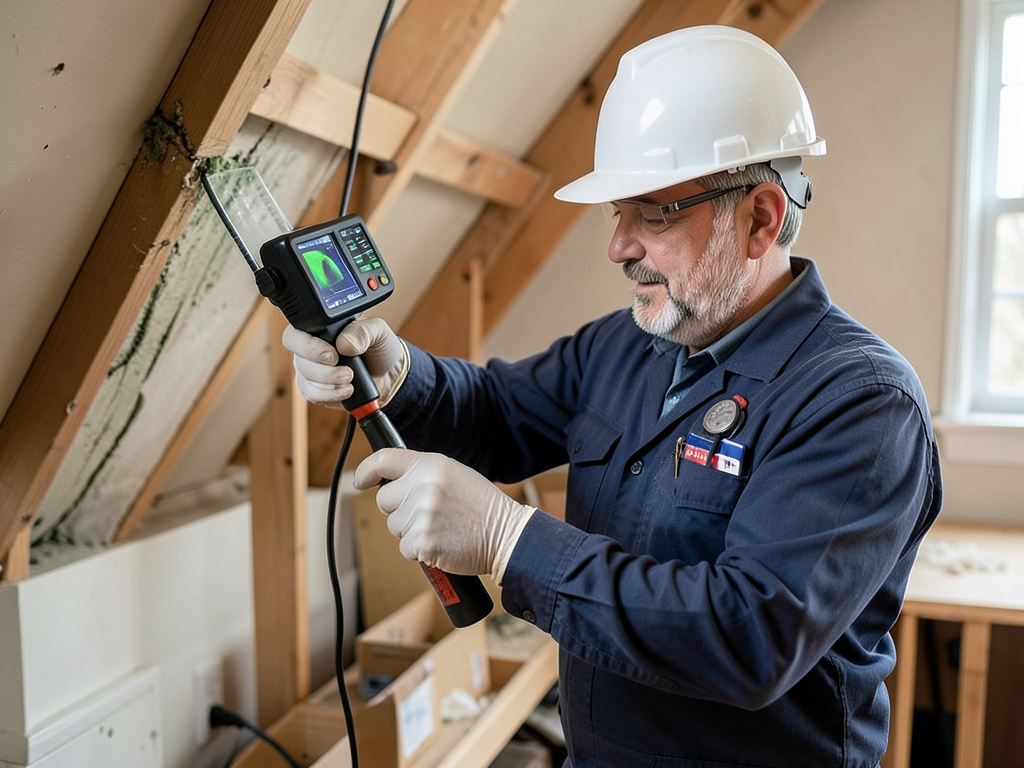
Professional moisture mapping goes beyond what cameras show. Thermal imaging detects water trapped in wall cavities, under flooring, and above ceilings. Moisture meters provide quantifiable readings that prove saturation levels. This data becomes critical when adjusters question the extent of necessary demolition and drying.

Managing water mitigation claims means understanding the difference between emergency mitigation and full restoration. Your policy covers reasonable steps to prevent further damage. This includes water extraction, structural drying, and emergency board-up. These costs get approved quickly because they protect the insurer from larger losses.

Full restoration, including demolition, mold remediation, and reconstruction, requires detailed estimates. Line-item breakdowns showing materials, labor, and equipment prevent disputes. Reference local building codes that may require upgrades during repairs. Birmingham's current codes often mandate electrical and plumbing improvements when walls open, adding legitimate costs to restoration.

Keep a claim journal. Record every conversation with your insurer, noting the date, time, representative name, and what was discussed. Follow phone calls with email confirmation. This paper trail protects you if disputes arise later.

Your Claim Process From Discovery to Settlement

How to Handle Insurance Claims in Birmingham – Expert Guidance for Water Damage Documentation and Settlement
01

Immediate Response and Documentation

Contact your insurance company within hours of discovering water damage. While waiting for their response, photograph all affected areas from multiple angles and document the water source if visible. Stop active water flow if safe to do so by shutting off main valves or isolating broken pipes. This immediate action demonstrates you took reasonable steps to mitigate losses, which strengthens your filing position.
02

Professional Assessment and Estimate

Schedule a professional water damage assessment before the adjuster arrives. This independent evaluation provides moisture readings, identifies hidden damage, and generates a comprehensive repair estimate. When the insurance adjuster inspects your property, you have expert documentation to counter any attempts to minimize the scope. Professional restoration companies understand what adjusters look for and can identify damage homeowners typically miss in crawl spaces and wall cavities.
03

Negotiation and Settlement Approval

Review the adjuster's estimate line by line against your professional assessment. Challenge discrepancies with specific evidence including photos, moisture readings, and industry-standard pricing for Birmingham contractors. If the initial offer is insufficient, request a re-inspection or submit supplemental documentation. Most claims require negotiation before reaching fair settlement. Once approved, ensure the payment covers both mitigation and full restoration before signing any release of liability.

Why Birmingham Property Owners Trust Local Restoration Expertise for Claim Support

Insurance adjusters use national pricing databases that do not reflect Birmingham's actual contractor costs. They reference repair rates from cities with different labor markets and material availability. Local restoration professionals know what demolition, drying equipment rental, and reconstruction actually cost in Jefferson County. This knowledge prevents you from accepting settlements that leave you covering shortfalls out of pocket.

Birmingham's building code requirements add complexity that out-of-town adjusters miss. When water damage requires opening walls in homes built before 1980, current electrical codes often mandate updated wiring and outlet spacing. Plumbing repairs may trigger requirements for shut-off valve installation or pressure-reducing valves. These legitimate code-compliance costs belong in your claim, but you must know to include them.

Grand Water Damage Restoration Birmingham works directly with property owners to build comprehensive claim documentation. We provide thermal imaging, moisture mapping, and detailed estimates that match what restoration actually requires. Our team understands what Birmingham adjusters expect to see in professional assessments.

Local expertise matters when disputes arise. We have worked with adjusters from every major carrier operating in Birmingham. We know which companies dispute mold remediation costs, which question structural drying duration, and which try to exclude contents damage. This experience helps you avoid common pitfalls that delay or reduce settlements.

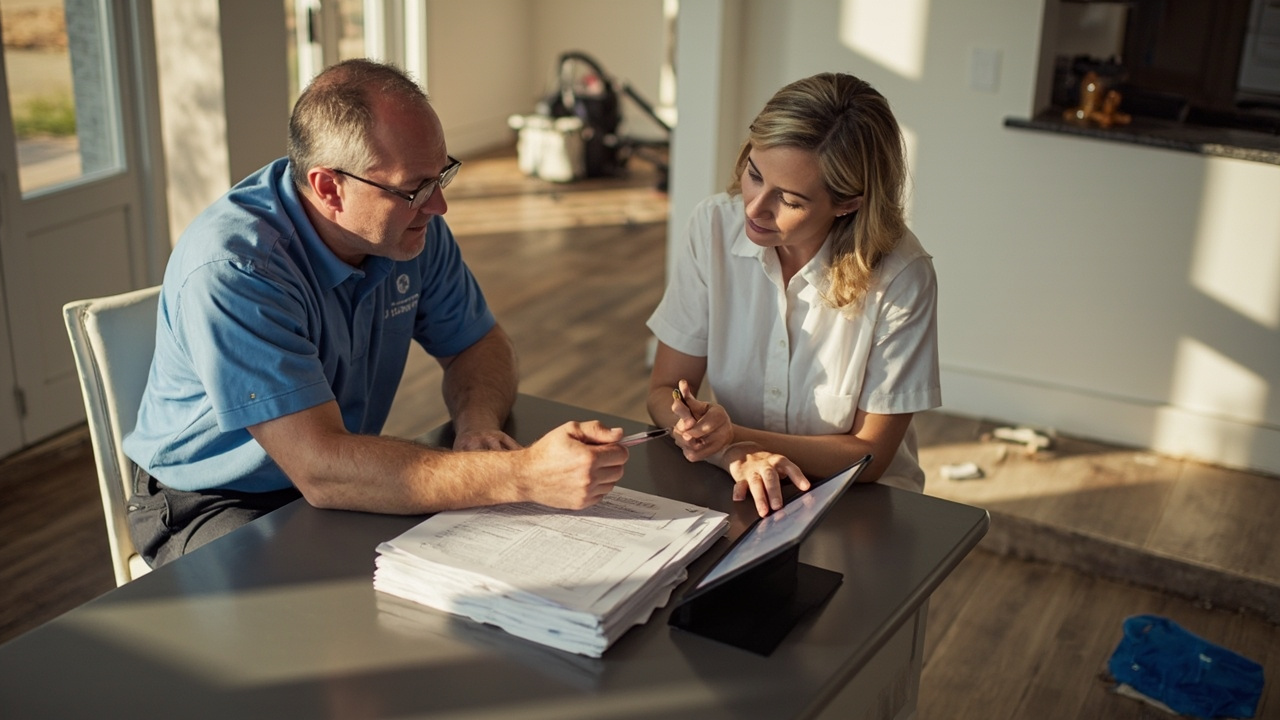
Tips for water damage insurance claims include having your own expert advocate. Insurance companies have teams of adjusters, engineers, and attorneys protecting their interests. You need someone who understands both the restoration work and the claim process. That balance ensures you receive fair compensation without fighting for months.

What to Expect During Your Water Damage Insurance Claim

Claim Timeline and Response Speed

Most insurance companies assign an adjuster within 24 to 48 hours of your claim report. The adjuster inspection typically occurs within three to five business days. However, after major storms affecting multiple Birmingham properties, this timeline extends significantly. Emergency mitigation cannot wait for adjuster approval. Begin water extraction and drying immediately to prevent mold growth and structural deterioration. Document all emergency work with photos and receipts. Policies cover reasonable mitigation costs even before adjuster inspection. Full restoration approval takes longer, usually 7 to 14 days after the initial inspection, depending on damage complexity and whether additional expert evaluation is required.

How the Insurance Inspection Works

The adjuster inspection evaluates damage cause, affected areas, and necessary repairs. Adjusters use moisture meters to verify wet materials and note visible damage for their estimate. Be present during this inspection. Point out all damage including areas you discovered after filing. Ask the adjuster to document everything in their notes. If possible, have your restoration contractor present to discuss the repair scope. This prevents disputes later when the adjuster claims damage was not visible during inspection. The adjuster photographs damage and takes measurements, then generates an estimate using software that calculates repair costs. This estimate forms the basis of your settlement offer.

Settlement Payment and Repair Authorization

Insurance settlements typically come in two payments. The actual cash value payment arrives first, covering depreciated value of damages minus your deductible. This initial check allows restoration work to begin. After repairs complete, you submit final invoices and photos to receive the recoverable depreciation payment. This covers the difference between actual cash value and replacement cost. Some policies pay mortgagees first, requiring their signature for check endorsement. Read your settlement paperwork carefully before signing. Ensure the payment amount matches the approved estimate and covers all documented damage. If repairs reveal hidden damage during restoration, submit a supplemental claim immediately with photos and contractor documentation.

Documentation Requirements and Record Keeping

Maintain organized records throughout the entire claim process. Create a dedicated folder containing your insurance policy, claim number, adjuster contact information, all correspondence, photos, estimates, and receipts. Save every email and document phone conversations in writing sent via email for confirmation. This documentation becomes essential if disputes arise or if you need to involve your state insurance commissioner. Keep receipts for all expenses including temporary housing, emergency repairs, and damaged contents replacement. Many homeowners overlook contents claims that are covered under personal property coverage. Photograph damaged furniture, electronics, and belongings with price documentation when possible. These organized records expedite supplemental claims and provide evidence if you need to challenge a denied claim or insufficient settlement.

Frequently Asked Questions

You Have Questions,
We Have Answers

What not to say during an insurance claim? +

Never admit fault or speculate about the cause of damage. Avoid exaggerating the extent of damage or downplaying it. Do not say "I think" or "maybe" when describing what happened. Stick to facts you can verify. Avoid discussing prior claims or unrelated property issues. Do not accept a settlement offer immediately without documentation review. In Birmingham, where storm damage and burst pipes are common, resist the urge to blame aging infrastructure without evidence. Your words create a record. Be factual, brief, and let documentation speak for you.

What are the 3 D's of insurance claims? +

The 3 D's are Detect, Document, and Defend. First, detect the damage immediately. Birmingham's humidity accelerates mold growth after water intrusion, so early detection matters. Second, document everything with photos, videos, and written notes before cleanup. Capture timestamps and damage angles. Third, defend your claim by providing thorough evidence to your adjuster. This means itemized loss lists, repair estimates, and correspondence records. These steps protect your payout when dealing with carriers who scrutinize every detail. Follow this sequence to strengthen your position from the start.

What is the 80% rule in insurance? +

The 80% rule means you must insure your property for at least 80% of its replacement cost to avoid a coinsurance penalty. If you underinsure, the carrier reduces your payout proportionally. For example, if your Birmingham home requires $200,000 to rebuild but you only carry $120,000 in coverage, you are underinsured. The insurer will pay only a percentage of the loss, leaving you to cover the gap. Review your policy limits annually. Birmingham's real estate appreciation and construction cost increases can quickly make older policies inadequate.

What are the 5 W's when submitting a claim? +

The 5 W's are Who, What, When, Where, and Why. Who was affected or involved? What type of damage occurred? When did it happen? Where on your property did the damage start? Why did it occur, based on observable facts? Answer these questions clearly when filing your claim. In Birmingham, where severe weather and plumbing failures are frequent, precise answers prevent delays. For example, stating "burst supply line under the kitchen sink at 3 a.m. on March 10" is stronger than vague descriptions. Clarity speeds processing and reduces disputes.

What's the biggest mistake people often make when dealing with an insurance claim? +

The biggest mistake is failing to document damage immediately and thoroughly. Many Birmingham homeowners start cleanup before taking photos or videos, destroying evidence the adjuster needs. Without documentation, you cannot prove the extent of loss. Insurance companies rely on physical proof. Take wide shots and close-ups. Record serial numbers on damaged appliances. Note water lines on walls. Save damaged materials if possible. Quick cleanup is understandable after a flood or storm, but those first hours of documentation determine whether you receive full compensation or fight for months over underpayment.

What are the 7 rules of insurance? +

The 7 rules are insurable interest, utmost good faith, indemnity, subrogation, contribution, proximate cause, and loss minimization. You must have a financial stake in the property. Both parties must act honestly. The payout should restore you to pre-loss condition, not profit you. The insurer can pursue responsible third parties. Multiple policies share the cost. Only direct damage from a covered peril counts. You must prevent further damage. In Birmingham, loss minimization means tarping a roof after storm damage or shutting off water during a pipe burst. Neglect voids coverage.

What are the three most common mistakes on a claim that will cause denials? +

The three most common mistakes are incomplete documentation, missed filing deadlines, and failure to mitigate further damage. Incomplete documentation means no photos, missing receipts, or vague descriptions. Alabama insurers require prompt notice, and Birmingham policies often have strict timelines after storms or water events. Missing a 72-hour reporting window can void coverage. Failure to mitigate means ignoring a leaking roof or standing water, which allows mold growth. Carriers will deny secondary damage you could have prevented. Avoid these errors by acting fast, documenting everything, and protecting your property immediately.

What not to say to an insurance claim adjuster? +

Never say you are unsure about details, admit any negligence, or agree their damage estimate seems fair without verification. Avoid casual statements like "the roof was old anyway" or "I forgot to check the pipes." Do not sign anything on the spot. Adjusters work for the carrier, not you. In Birmingham, where adjusters handle high claim volumes after storms, they move quickly. Do not let urgency pressure you into statements that undermine your claim. Provide facts, answer directly, and request everything in writing. Protect your position by staying precise and guarded.

How long should an insurance company take to settle a claim? +

Alabama law does not mandate a specific settlement timeline, but most carriers resolve straightforward claims within 30 to 60 days. Complex claims involving structural damage, mold remediation, or disputes can take 90 days or longer. Birmingham storm claims after severe weather may experience delays due to adjuster backlogs. If your insurer stalls without explanation beyond 60 days, follow up in writing and document all communication. Unreasonable delays may violate good faith obligations. Track every interaction and deadline to hold the carrier accountable and escalate if needed.

What is the golden rule of insurance? +

The golden rule is to insure what you cannot afford to lose. Coverage should reflect true replacement cost, not market value. In Birmingham, where older homes and rising construction costs are common, underinsurance is a real risk. If a total loss would financially devastate you, carry adequate limits. This means updating your policy as property values and rebuild costs increase. Do not skimp on coverage to save on premiums. A low premium means nothing if a major claim leaves you undercompensated. Evaluate your policy annually and adjust limits to match current risks.

How Birmingham's Storm Patterns and Aging Infrastructure Impact Your Water Damage Claim

Birmingham receives an average of 54 inches of rain annually, with intense thunderstorms concentrating in spring and fall. This heavy rainfall overwhelms drainage systems in older neighborhoods where combined sewers still serve areas of downtown and surrounding communities. When heavy rains cause sewer backup into basements, insurance companies often deny coverage by claiming the damage resulted from groundwater infiltration rather than sudden pipe failure. Understanding how to present storm timeline data and rain accumulation records from nearby weather stations becomes critical for navigating water restoration claims. The city's position in the Jones Valley also creates flood risks along creeks and tributaries that insurance adjusters frequently classify as flood damage requiring separate flood insurance coverage.

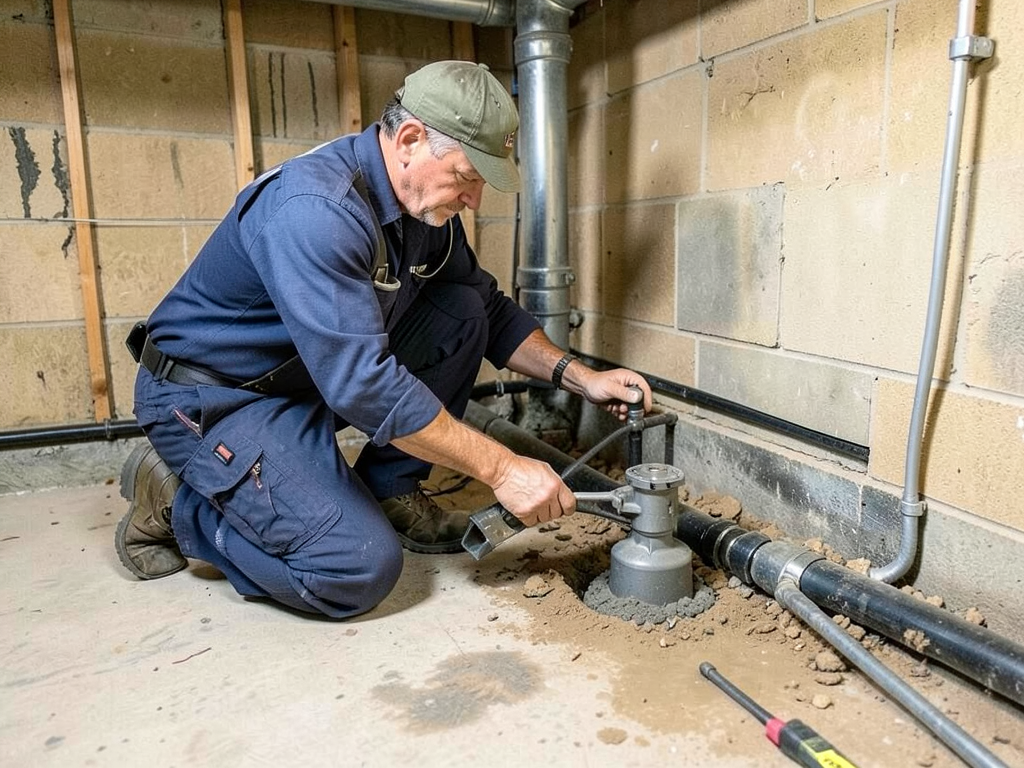
Birmingham's housing stock includes numerous homes built before 1960 with cast iron drain pipes and galvanized supply lines. These aging systems fail regularly, but insurers try to deny claims by arguing that gradual deterioration is not covered under sudden and accidental damage provisions. Local restoration professionals understand Birmingham's plumbing challenges and document evidence proving sudden failure rather than long-term neglect. Working with contractors familiar with Jefferson County building codes and typical residential construction methods ensures your claim includes all necessary repairs to bring damaged areas up to current standards. This local knowledge prevents you from accepting settlements that cover only partial repairs.

Water Damage Restoration Services in The Birmingham Area

Grand Water Damage Restoration is proud to serve the entire Birmingham area. Our convenient location ensures we can respond to your emergency needs with speed and efficiency. Whether you're a homeowner or business owner, we’re ready to bring our expertise directly to you. View our service area on the map to see how we can provide prompt, professional assistance and restore your property quickly and effectively.

Address:
Grand Water Damage Restoration Birmingham, 401 7th St N, Birmingham, AL, 35203

Additional Services We Offer

Our news updates

Latest Articles & News from The Blogs

Comparing Interior vs Exterior Waterproofing for Your Central Park Basement Living in Central Park means dealing with Birmingham’s heavy rainfall…

Comparing Interior vs Exterior Waterproofing for Your Central Park Basement

Comparing Interior vs Exterior Waterproofing for Your Central Park Basement Living in Central Park means dealing with Birmingham’s heavy rainfall…

Keeping Your Rising West Princeton Home Theater Dry and Mold Free

Keeping Your Rising West Princeton Home Theater Dry and Mold Free Birmingham’s humid subtropical climate creates unique challenges for home…

How High Humidity and Birmingham Pollen Create the Perfect Storm for Attic Mold in Airport Highlands

How High Humidity and Birmingham Pollen Create the Perfect Storm for Attic Mold in Airport Highlands Airport Highlands homeowners face…

Contact Us

Do not navigate the water damage insurance claim process alone. Contact Grand Water Damage Restoration Birmingham at (659) 234-8188 for professional documentation, comprehensive estimates, and expert claim support. We help Birmingham property owners secure fair settlements and complete restoration.