Menu

Industrial Drying Services in Birmingham – Minimize Downtime with High-Capacity Commercial Solutions

When water infiltrates your Birmingham facility, you need industrial drying services that work fast and at scale. We deploy truck-mounted extractors, desiccant dehumidifiers, and structural drying protocols designed to restore operations without interrupting your bottom line.

Slider Image 1
Slider Image 2
Slider Image 3
Slider Image 4
Slider Image 5
Slider Image 7
Slider Image 8
Slider Image 9
Slider Image 10
Slider Image 11

Why Birmingham Facilities Require Specialized Industrial Drying Infrastructure

Birmingham's industrial and commercial sectors face a unique convergence of water intrusion risks. The region's proximity to the Cahaba River and its tributaries increases flood exposure during spring storm cycles. High ambient humidity, which averages 72 percent year-round, accelerates secondary damage in warehouses, manufacturing plants, and distribution centers. When a pipe bursts or a roof membrane fails, moisture does not simply evaporate. It migrates through porous concrete slabs, seeps into insulation batts, and creates microbial growth vectors within 48 hours.

Your facility cannot afford a residential-grade response. Commercial structural drying requires equipment that moves thousands of cubic feet per minute through occupied spaces without disrupting workflow. Industrial dehumidification services must address vapor pressure differentials in climates where outdoor air introduces more moisture than it removes. A 50,000-square-foot warehouse in Birmingham demands a coordinated deployment of low-grain refrigerant dehumidifiers, axial air movers, and infrared moisture mapping to target hidden water pockets behind racking systems and below mezzanine decks.

Delayed drying compounds liability. Steel components corrode. Inventory becomes unsalvageable. OSHA-reportable mold exposures trigger regulatory scrutiny. Commercial water drying services in Birmingham must account for the city's mixed-use zoning, where older brick-and-timber structures neighbor tilt-up concrete facilities. Each building envelope responds differently to drying protocols, and missteps lead to structural warping or delamination of finishes.

Why Birmingham Facilities Require Specialized Industrial Drying Infrastructure
How Professional Industrial Structural Drying Protocols Restore Operational Capacity

How Professional Industrial Structural Drying Protocols Restore Operational Capacity

We approach commercial drying solutions with the same rigor applied to critical infrastructure. The first step involves psychrometric assessment. We measure temperature, relative humidity, and dew point across all affected zones. This data informs equipment staging decisions. A refrigerant dehumidifier may suffice in conditioned spaces, but unconditioned warehouses require desiccant units capable of processing air down to 10-percent relative humidity.

Next, we establish containment barriers. Unlike residential extraction, industrial drying services often involve isolating wet sections while maintaining airflow to dry areas. Negative air machines with HEPA filtration prevent cross-contamination of clean zones. We position air movers to create laminar flow patterns that push moisture-laden air toward dehumidifier intakes, then exhaust dry air back across wet surfaces. This circulation accelerates evaporation rates without creating turbulence that spreads particulates.

Thermal imaging guides precision drying. Infrared cameras reveal temperature gradients that indicate trapped moisture inside wall cavities or beneath epoxy floor coatings. We drill targeted weep holes and insert drying mats or injecti-dry systems to wick water from substrates that cannot be removed. Real-time moisture content monitoring via pin-type and non-invasive meters tracks drying progress against IICRC S500 standards. We document daily readings to satisfy insurance adjusters and risk management teams.

Commercial structural drying also requires electrical load management. A large-scale deployment can draw 200 amps across multiple circuits. We coordinate with facility managers to balance drying equipment against production loads, preventing breaker trips that halt operations.

How We Execute Industrial Drying Projects in Birmingham Facilities

Industrial Drying Services in Birmingham – Minimize Downtime with High-Capacity Commercial Solutions
01

Emergency Mobilization and Site Assessment

We dispatch a project manager and equipment trailer within two hours of your call. Our team conducts a walk-through to identify water sources, affected materials, and operational constraints. We map the facility layout, photograph damage for documentation, and collect baseline psychrometric data. This initial assessment informs equipment selection and establishes a scope of work that aligns with your business continuity requirements. You receive a written action plan before we begin extraction.
02

Equipment Deployment and Drying Execution

We stage industrial dehumidifiers, air movers, and extraction units according to the facility's moisture profile. Our technicians position equipment to maximize airflow while minimizing obstruction to forklifts, conveyor systems, and foot traffic. We run power from dedicated circuits or portable generators if existing infrastructure cannot support the load. Monitoring devices track temperature, humidity, and moisture content every 12 hours. Adjustments to equipment placement or airflow direction occur in real time based on drying curves and environmental feedback.
03

Verification and Operational Handoff

Drying concludes when moisture levels match pre-loss conditions and meet industry standards for the affected materials. We conduct final thermal scans and document moisture readings in structural components, insulation, and finishes. A post-mitigation report provides photographic evidence, equipment logs, and psychrometric charts for insurance claims and internal records. We remove all equipment and restore the space to its operational state. You regain full use of the facility with zero residual moisture risk or microbial liability.

Why Birmingham Businesses Choose Local Expertise for Industrial Drying Services

Birmingham's commercial building stock ranges from historic downtown warehouses with unreinforced masonry to modern pre-engineered metal buildings in the Airport Industrial Area. Each structure requires a tailored drying approach. Ace Water Damage Restoration Cincinnati brings deep familiarity with Birmingham's building typologies and local code enforcement practices. We understand that facilities near the Cahaba River watershed face different flood dynamics than properties in the Red Mountain foothills. This geographic literacy allows us to anticipate moisture behavior and deploy equipment efficiently.

Our team holds IICRC certifications in Applied Structural Drying and Water Damage Restoration. We maintain relationships with Birmingham's industrial insurance adjusters, third-party administrators, and risk consultants. When claims exceed policy thresholds, we provide the technical documentation and loss quantification needed to support coverage negotiations. Our project managers speak the language of facility directors, general contractors, and property engineers. We coordinate with your existing vendors to schedule drying around production shifts, minimizing revenue loss.

We also recognize Birmingham's role as a logistics hub. Distribution centers cannot afford multi-day closures. Manufacturing plants operate on tight tolerances where environmental changes affect product quality. Our industrial drying services prioritize speed without sacrificing thoroughness. We deploy redundant equipment to compress timelines and use desiccant dehumidification to achieve dry conditions faster than passive ventilation or refrigerant-only systems. You get aggressive drying that respects your operational calendar.

Local responsiveness matters. We do not dispatch crews from regional hubs hours away. Our Birmingham-based team arrives quickly, works efficiently, and remains available for post-project consultations or follow-up moisture inspections.

What to Expect When You Partner with Us for Commercial Drying Solutions

Rapid Deployment and Around-the-Clock Monitoring

Water damage escalates quickly in commercial environments. We guarantee equipment on-site within four hours of your initial call. Our technicians work in rotating shifts to provide 24-hour supervision during active drying phases. You receive twice-daily progress updates via email or phone, including moisture readings and projected completion timelines. If conditions change or new water intrusion occurs, we adjust the drying plan immediately. No waiting for callbacks or next-business-day responses. Your facility gets the attention it requires to prevent compounding losses.

Comprehensive Moisture Mapping and Documentation

We do not guess where water hides. Thermal imaging and moisture meters guide every decision. Our technicians map affected areas room by room, documenting readings in structural framing, insulation, and finish materials. You receive detailed floor plans marked with moisture gradients, equipment placement diagrams, and daily psychrometric logs. This documentation satisfies insurance requirements and provides a defensible record if disputes arise. We also photograph pre-loss conditions, active drying operations, and post-mitigation results. Transparency eliminates ambiguity about scope, progress, and outcomes.

Certified Dry Standards and Third-Party Verification

We define success by objective criteria. Drying concludes when all affected materials reach moisture content levels specified in IICRC S500 guidelines. Our technicians verify dryness using calibrated pin-type and non-invasive meters. If your risk management team or insurance carrier requests independent verification, we coordinate with hygienists or engineers to conduct post-mitigation inspections. You receive a certificate of completion that documents compliance with industry standards. No shortcuts, no subjective assessments, no lingering moisture that creates future liability.

Post-Project Consultation and Preventative Recommendations

Industrial drying services should include lessons learned. After equipment demobilization, we schedule a debrief with your facility team to review the water intrusion source, contributing factors, and mitigation outcomes. We provide written recommendations for infrastructure improvements, maintenance protocols, or monitoring systems that reduce future risk. If you operate multiple Birmingham locations, we apply insights from one site to strengthen others. Our goal extends beyond restoring your current facility. We help you build resilience against the next event.

Frequently Asked Questions

You Have Questions,
We Have Answers

How Birmingham's Humidity and Flood Geography Complicate Industrial Drying Timelines

Birmingham sits in a humid subtropical zone where outdoor air rarely assists evaporative drying. Summer dew points frequently exceed 70 degrees, meaning ventilation introduces more moisture than it removes. This forces reliance on mechanical dehumidification rather than passive air exchange. Facilities near Valley Creek or Village Creek face additional challenges. Spring flooding can saturate soils around slab-on-grade buildings, creating persistent wicking through concrete foundations. Commercial structural drying must address both interior water intrusion and exterior hydrostatic pressure. Without proper sequencing, moisture migrates back into dried areas, restarting the damage cycle.

Birmingham's industrial zones include structures built across eight decades of construction practices. Pre-1980 warehouses often lack vapor barriers beneath slabs. Older roof membranes use ballasted EPDM systems prone to ponding and leaks. Modern tilt-up buildings feature different vulnerabilities, such as inadequate flashing at panel joints. Ace Water Damage Restoration Cincinnati understands these local building nuances. We adjust drying protocols based on construction era, occupancy type, and site-specific conditions. Our technicians know when to apply surface drying versus subsurface injection systems. This local knowledge prevents over-drying, under-drying, and the costly mistakes that follow generic approaches.
Water Damage Restoration Services in The Birmingham Area

Grand Water Damage Restoration is proud to serve the entire Birmingham area. Our convenient location ensures we can respond to your emergency needs with speed and efficiency. Whether you're a homeowner or business owner, we’re ready to bring our expertise directly to you. View our service area on the map to see how we can provide prompt, professional assistance and restore your property quickly and effectively.

Address:
Grand Water Damage Restoration Birmingham, 401 7th St N, Birmingham, AL, 35203

Additional Services We Offer

Our news updates

Latest Articles & News from The Blogs

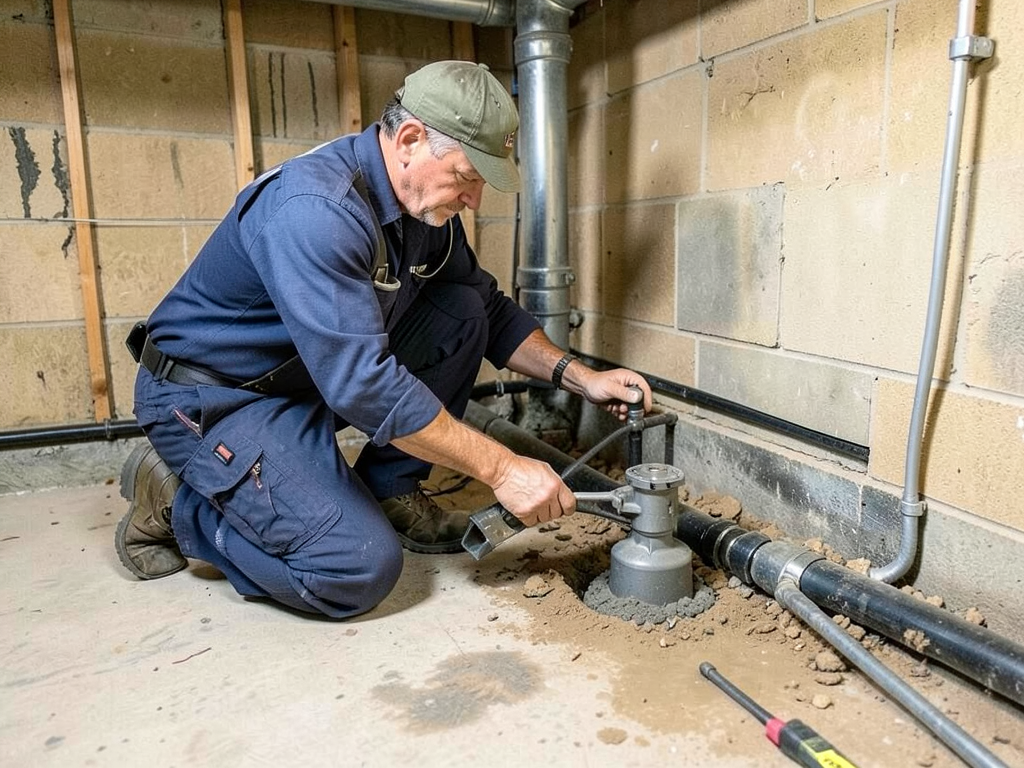
Comparing Interior vs Exterior Waterproofing for Your Central Park Basement Living in Central Park means dealing with Birmingham’s heavy rainfall…

Comparing Interior vs Exterior Waterproofing for Your Central Park Basement

Comparing Interior vs Exterior Waterproofing for Your Central Park Basement Living in Central Park means dealing with Birmingham’s heavy rainfall…

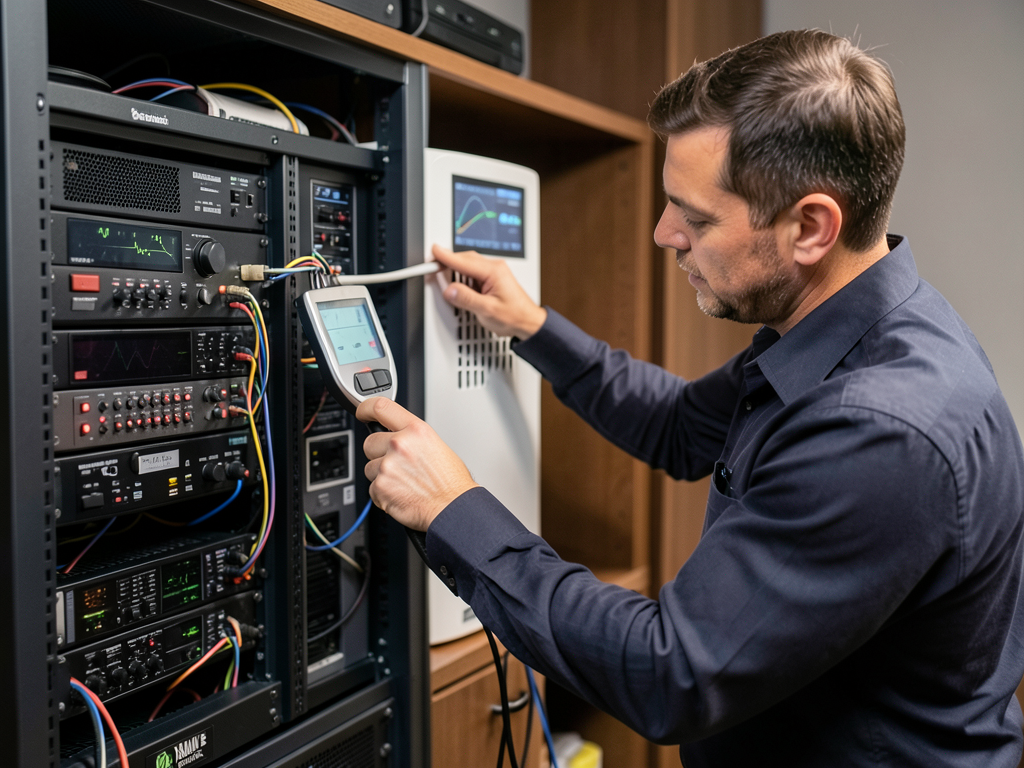
Keeping Your Rising West Princeton Home Theater Dry and Mold Free

Keeping Your Rising West Princeton Home Theater Dry and Mold Free Birmingham’s humid subtropical climate creates unique challenges for home…

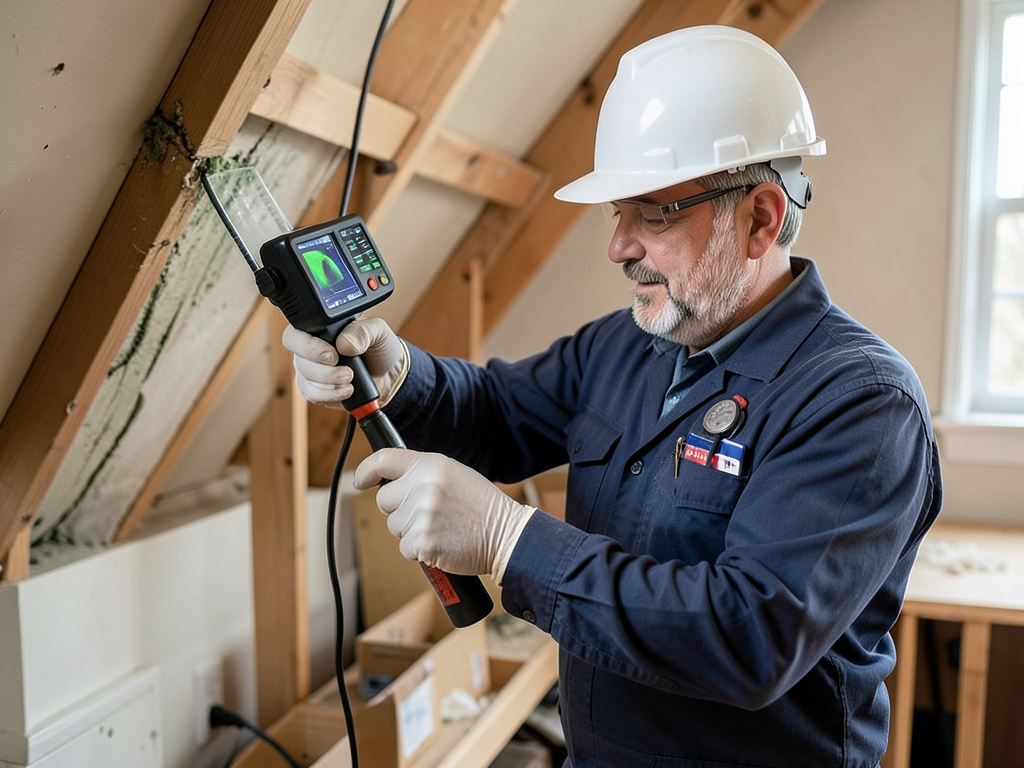
How High Humidity and Birmingham Pollen Create the Perfect Storm for Attic Mold in Airport Highlands

How High Humidity and Birmingham Pollen Create the Perfect Storm for Attic Mold in Airport Highlands Airport Highlands homeowners face…

Contact Us

Water damage does not wait for convenient timing. Call (659) 234-8188 now to mobilize our Birmingham industrial drying team. We deploy equipment fast, document thoroughly, and restore your facility to certified dry standards. Stop secondary damage before it compounds your losses.