Menu

Allergic Reactions in Home in Birmingham – Expert Diagnosis and Complete Water Damage Remediation

Birmingham homeowners suffering from unexplained allergic reactions often trace the root cause to hidden water damage and mold growth. Grand Water Damage Restoration Birmingham provides comprehensive moisture detection, mold remediation, and indoor air quality restoration to eliminate water damage allergy triggers at the source.

Slider Image 1
Slider Image 2
Slider Image 3
Slider Image 4
Slider Image 5
Slider Image 7
Slider Image 8
Slider Image 9
Slider Image 10
Slider Image 11

Why Birmingham Homes Trigger Sudden Allergic Reactions

You wake up with a scratchy throat. Your kids cough through the night. Eyes water for no reason. You blame pollen or dust, but the symptoms never stop, even with windows closed.

Birmingham's humid subtropical climate creates the perfect breeding ground for household mold allergies. Summer humidity regularly exceeds 70 percent, and our clay soil shifts during wet seasons, cracking foundation walls and letting groundwater seep into crawl spaces and basements. When moisture infiltrates your home, mold spores colonize within 24 to 48 hours.

Indoor mold symptoms mimic seasonal allergies: sneezing, congestion, itchy eyes, skin rashes, and persistent coughing. The difference is these mildew allergic reactions never go away. They worsen when you run the HVAC system, sleep in certain rooms, or open closets. You may notice a musty smell in your bathroom or laundry room, or see discoloration on walls near windows.

Water damage allergy triggers are not always visible. Mold grows behind drywall, under flooring, inside wall cavities, and in attic insulation. A slow roof leak from storm damage, a pinhole pipe leak, or condensation from poor ventilation can fuel hidden colonies for months before you spot the problem.

If your allergic reactions started after a plumbing issue, roof leak, or flooding event, you are dealing with mold exposure symptoms. The longer you wait, the worse your health suffers and the more expensive the remediation becomes. Birmingham homes built before 1980 often lack vapor barriers, making them especially vulnerable to moisture intrusion and mold growth.

Why Birmingham Homes Trigger Sudden Allergic Reactions
How We Identify and Eliminate Water Damage Allergy Triggers

How We Identify and Eliminate Water Damage Allergy Triggers

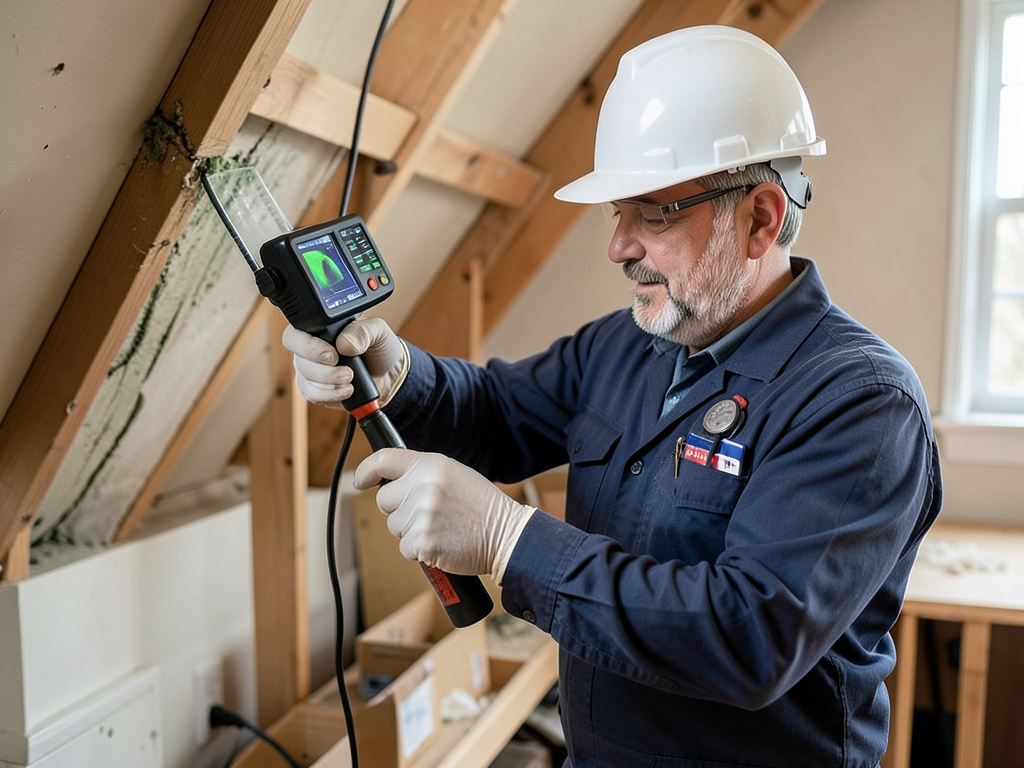
Grand Water Damage Restoration Birmingham does not guess. We use moisture meters, thermal imaging cameras, and hygrometers to map exactly where water has infiltrated your home. We measure relative humidity in each room, check vapor pressure differentials in wall cavities, and inspect HVAC ductwork for condensation and microbial growth.

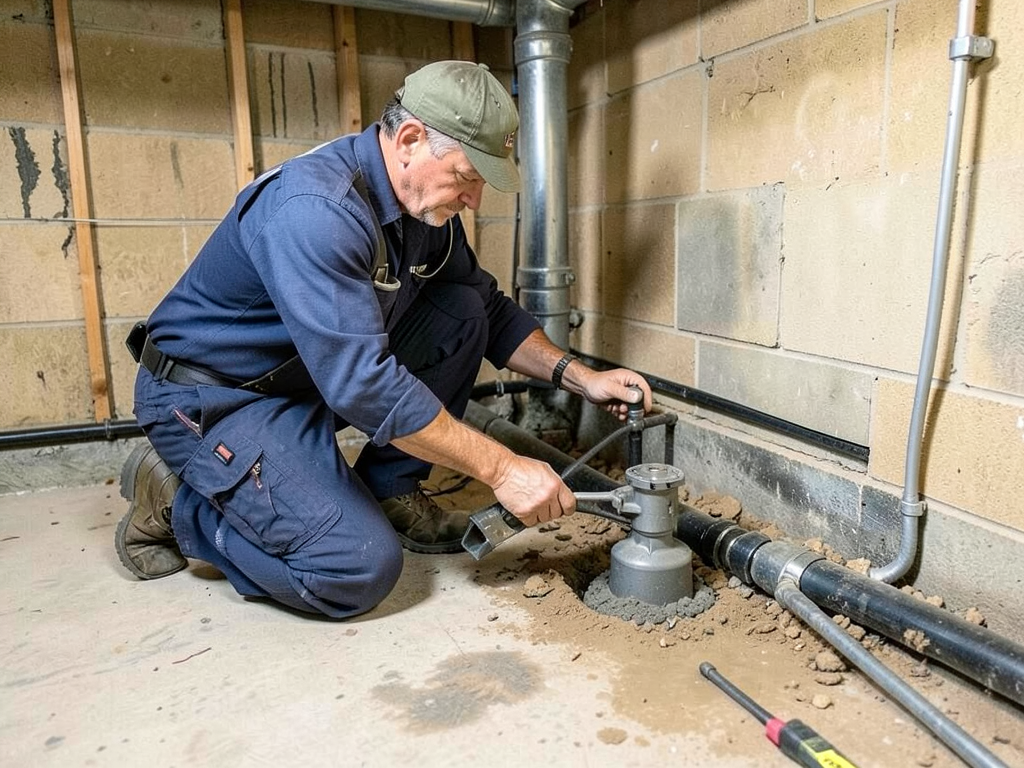
Once we locate the moisture source, we address the root cause first. A leaking supply line gets replaced. A compromised roof flashing gets sealed. A foundation crack gets waterproofed. Treating mold without fixing the water intrusion is pointless. The mold will return.

We then establish containment zones using polyethylene sheeting and negative air pressure to prevent cross-contamination. HEPA-filtered air scrubbers run continuously during remediation to capture airborne spores. We remove porous materials that cannot be salvaged, like wet drywall, insulation, and carpet padding. Non-porous surfaces get treated with antimicrobial agents that kill mold at the cellular level.

Our drying process uses commercial-grade dehumidifiers and air movers to reduce humidity below 50 percent. We monitor moisture levels daily using pin-type and non-invasive moisture meters until all building materials reach equilibrium moisture content. This prevents secondary mold growth after we leave.

After remediation, we recommend post-testing by a third-party industrial hygienist to verify that spore counts have returned to normal outdoor levels. We also address ventilation deficiencies, recommend dehumidification systems for basements and crawl spaces, and provide maintenance plans to prevent future moisture problems. You cannot fix household mold allergies with medication alone. You need to remove the source.

What Happens During Your Mold and Water Damage Assessment

Allergic Reactions in Home in Birmingham – Expert Diagnosis and Complete Water Damage Remediation
01

Initial Inspection and Moisture Mapping

We start by interviewing you about when symptoms began, where they worsen, and any known water events. We then inspect your entire home with thermal imaging cameras and moisture meters, checking behind appliances, inside closets, and in hidden wall cavities. We map moisture levels and document all findings with photos. This diagnostic phase identifies the scope of contamination and the source of water intrusion.
02

Containment and Safe Removal

We seal off affected areas using polyethylene barriers and negative air machines to prevent spores from spreading to clean zones. Technicians wear respirators and protective suits. We remove contaminated materials using HEPA vacuums to capture particulates. All waste is double-bagged and disposed of according to EPA guidelines. Air scrubbers run continuously to filter the air during demolition and cleaning. This step protects your family from exposure.
03

Drying and Air Quality Restoration

After removal, we dry all structural materials to safe moisture levels using industrial dehumidifiers and airflow equipment. We monitor progress daily until readings stabilize. Surfaces get treated with antimicrobial solutions. Once dry, we recommend air quality testing to confirm spore counts are normal. You receive a detailed remediation report and recommendations to prevent future moisture problems. Your home becomes safe to occupy again.

Why Birmingham Residents Choose Grand Water Damage Restoration

You need someone who understands how Birmingham's climate and construction styles create mold problems. Homes in historic neighborhoods like Highland Park and Forest Park were built with pier-and-beam foundations and crawl spaces. These designs allow airflow but also let moisture accumulate when ground vapor barriers are missing or damaged. Newer homes in Hoover and Vestavia Hills often have slab foundations with inadequate drainage, causing water to pool against exterior walls during heavy rains.

We have worked in every Birmingham neighborhood and know the common failure points: undersized gutters that overflow during thunderstorms, HVAC systems that condense moisture in poorly insulated attics, and old cast-iron plumbing that corrodes and leaks behind walls. We also understand that Birmingham homeowners value their properties and want repairs done right the first time, without unnecessary demolition or inflated costs.

Grand Water Damage Restoration Birmingham uses the same protocols followed by certified industrial hygienists and mold remediators. We adhere to IICRC S520 standards for mold remediation and follow EPA guidelines for safe containment and disposal. Our technicians receive ongoing training in moisture science, building diagnostics, and indoor air quality management.

We also coordinate with your insurance company if your water damage is covered. We document everything, provide detailed estimates, and work directly with adjusters to streamline the claims process. You should not have to fight your insurer while dealing with health symptoms and property damage.

Choosing a local company means faster response times and accountability. We live and work in Birmingham. Our reputation depends on solving your problem correctly, not just selling you a service.

What You Can Expect During Remediation

Response Time and Scheduling

We respond to service requests within two hours and can schedule inspections the same day or next day, depending on your availability. Emergency water intrusion events receive immediate attention because mold begins growing within 24 hours. Non-emergency assessments are scheduled at your convenience. The initial inspection takes one to two hours, depending on home size and the extent of suspected damage. After the inspection, you receive a written estimate within 24 hours. Remediation work typically begins within 48 hours of approval. We understand that living with allergic reactions is miserable, so we move quickly.

The Assessment Process

Our assessment includes a room-by-room visual inspection, moisture readings of walls and floors, thermal imaging to detect hidden leaks, and an HVAC inspection to check for microbial growth in ductwork. We also evaluate your ventilation system, check attic insulation for condensation staining, and inspect crawl spaces or basements for standing water or high humidity. You receive a detailed report with photos, moisture readings, and a remediation plan. We explain what needs to be removed, what can be salvaged, and what repairs are necessary to prevent recurrence. No surprises, no upselling.

The Quality of Our Work

We do not cut corners. Contaminated materials are removed completely, not just surface-cleaned. We use hospital-grade HEPA filtration and follow strict containment protocols to protect unaffected areas. All drying equipment is calibrated and monitored daily. Antimicrobial treatments are applied to all affected surfaces after cleaning. When we finish, your home is safe to occupy. We provide documentation showing moisture levels have returned to normal and that containment was maintained throughout the project. Many clients choose to have a third-party air quality test performed after remediation for added peace of mind.

Post-Remediation Support

After remediation, we provide a written summary of all work performed, including moisture readings before and after drying. We also give you recommendations to prevent future moisture problems, such as installing a crawl space dehumidifier, improving attic ventilation, or re-grading soil around your foundation. If you need HVAC duct cleaning or mold-resistant insulation installed, we coordinate with trusted local contractors. We also offer follow-up inspections to ensure your home remains dry and mold-free. You are not left to figure out next steps alone. We make sure the problem is solved.

Frequently Asked Questions

You Have Questions,
We Have Answers

What could be causing allergies in my house? +

Birmingham homes often harbor dust mites, mold spores, pet dander, and cockroach droppings. High humidity levels in Alabama create ideal conditions for mold growth in attics, crawl spaces, and around leaky pipes. Dust accumulates in HVAC systems, carpets, and upholstery. Pollen enters through open windows and on clothing. Water damage from roof leaks or foundation issues promotes mold colonies behind walls. Older homes in Birmingham's historic districts may have outdated ventilation, trapping allergens inside. Pet hair and dander settle into fabrics and air ducts, circulating continuously through your home's heating and cooling system.

How do I figure out what I am allergic to in my house? +

Start by tracking when symptoms worsen. Notice if reactions happen in specific rooms or after certain activities. Remove one potential trigger at a time for two weeks and monitor changes. Clean thoroughly to eliminate dust and pet dander, then observe your symptoms. Check for visible mold in bathrooms, basements, and around windows. Birmingham's humidity makes moisture problems common. An allergist can perform skin prick tests or blood tests to identify specific allergens. Professional mold testing can detect hidden contamination in walls or HVAC systems. Keep a symptom diary noting time, location, and severity to identify patterns.

How to manage an allergic reaction at home? +

Remove yourself from the allergen source immediately. Move to fresh air if possible. For mild reactions, take an over-the-counter antihistamine like cetirizine or loratadine. Rinse nasal passages with saline solution to flush out allergens. Apply a cool compress to itchy skin or eyes. Drink plenty of water to help your body process and eliminate the allergen. If you experience difficulty breathing, throat swelling, or dizziness, call 911 immediately. These signs indicate anaphylaxis, which requires emergency epinephrine treatment. Keep your prescribed EpiPen accessible if you have known severe allergies.

How do you treat an allergy cough? +

Identify and remove the allergen source first. Birmingham's climate keeps allergens active year-round, so indoor triggers need immediate attention. Use an antihistamine to reduce histamine response causing the cough. A dehumidifier helps control moisture that promotes mold and dust mites. Drink warm liquids like herbal tea with honey to soothe throat irritation. Run a cool-mist humidifier to ease breathing if air feels dry. Elevate your head while sleeping to prevent postnasal drip. Avoid irritants like strong fragrances or smoke. If the cough persists beyond two weeks or worsens, see a doctor to rule out infection.

How to test your house for allergens? +

Hire a professional inspector to test for mold, especially in Birmingham homes with moisture issues from humidity or water damage. Air quality tests measure airborne particles like dust, pollen, and pet dander. HVAC inspections reveal contaminants in ductwork. Dust mite test kits check bedding and carpets for mite proteins. Mold test kits sample suspicious areas, though professional lab analysis provides more accurate results. Check humidity levels with a hygrometer. Readings above 50 percent promote mold growth. Inspect visible areas for water stains, musty odors, or discoloration indicating hidden allergen sources behind walls or under flooring.

What could I be allergic to in my own house? +

Common indoor allergens include dust mites living in mattresses, pillows, and carpets. Pet dander from cats and dogs circulates through air and settles on surfaces. Mold grows in damp areas like bathrooms, basements, and around leaky pipes. Birmingham's humidity accelerates mold development. Cockroach droppings trigger allergic reactions, particularly in older buildings. Pollen enters through windows and doors, clinging to clothing and shoes. Cleaning products, air fresheners, and scented candles contain chemicals that irritate sensitive respiratory systems. HVAC systems recirculate these allergens throughout your home if filters are not changed regularly.

Do air purifiers help allergies? +

Yes, quality air purifiers with HEPA filters remove 99.97 percent of airborne particles including dust, pollen, pet dander, and mold spores. They work best in sealed rooms where contaminated air passes through the filter multiple times. Place units in bedrooms or main living areas where you spend most time. HEPA filters capture particles as small as 0.3 microns. Replace filters according to manufacturer guidelines, typically every 6 to 12 months. Air purifiers do not eliminate allergen sources like dust mites in bedding or mold behind walls. Combine air filtration with regular cleaning and moisture control for maximum effectiveness.

Can mold cause allergic reactions? +

Yes, mold triggers allergic reactions in sensitive individuals. Mold spores release proteins that your immune system mistakes for threats, causing sneezing, congestion, itchy eyes, and skin rashes. Birmingham's high humidity creates ideal mold conditions in homes with poor ventilation or water damage. Black mold, aspergillus, and penicillium are common indoor varieties. Prolonged exposure can worsen asthma or cause hypersensitivity pneumonitis. Mold grows in hidden areas like behind drywall, under carpets, and inside HVAC systems. If you smell musty odors or see visible growth, professional remediation removes contamination at the source to prevent ongoing exposure.

Why am I congested in my house but not outside? +

Your home likely contains concentrated allergens that outdoor air dilutes. Poor ventilation traps dust mites, pet dander, and mold spores inside. Birmingham homes often seal tightly for air conditioning efficiency, reducing fresh air exchange. Dust accumulates in carpets, upholstery, and bedding where you spend extended time. HVAC systems recirculate contaminated air without proper filtration. Mold grows in humid spaces like bathrooms and crawl spaces. Outdoor air disperses allergens, reducing your exposure. Check for water damage, clean air ducts, replace HVAC filters monthly, and improve ventilation to reduce indoor allergen concentration.

How do you flush an allergic reaction out of your system? +

Drink plenty of water to help your kidneys and lymphatic system eliminate allergens from your bloodstream. Flush nasal passages with saline rinse to remove trapped particles. Shower and wash hair to eliminate allergens on skin and clothing. Change clothes after exposure to prevent spreading allergens throughout your home. Eat anti-inflammatory foods like leafy greens and omega-3 rich fish. Antihistamines block histamine receptors, reducing symptoms while your body processes the allergen naturally. This typically takes 24 to 48 hours. Exercise increases circulation and lymphatic drainage. Avoid alcohol, which impairs immune function and slows recovery.

How Birmingham's Humidity and Clay Soil Worsen Indoor Mold Exposure

Birmingham averages 54 inches of rainfall per year, well above the national average. Summer months bring high humidity and frequent thunderstorms that saturate soil and overwhelm drainage systems. The expansive clay soil common throughout Jefferson County swells when wet and shrinks when dry, causing foundation movement and cracks that allow groundwater intrusion. Homes in low-lying areas near Shades Creek or Valley Creek face additional flooding risks during heavy rains. These conditions make Birmingham homes especially vulnerable to chronic moisture problems and mold growth. If your allergic reactions started during or after a wet season, water damage is the likely cause.

Birmingham residents expect straightforward answers and honest service. Grand Water Damage Restoration Birmingham has built a reputation by solving problems correctly, not overselling services or creating unnecessary fear. We follow the same remediation standards used by certified industrial hygienists and work transparently with homeowners and insurance adjusters. Our familiarity with Birmingham's building codes, common construction practices, and local climate challenges allows us to diagnose problems faster and recommend solutions that work long-term. When your health is affected by indoor mold symptoms, you need a local company that understands the root causes specific to this region.

Water Damage Restoration Services in The Birmingham Area

Grand Water Damage Restoration is proud to serve the entire Birmingham area. Our convenient location ensures we can respond to your emergency needs with speed and efficiency. Whether you're a homeowner or business owner, we’re ready to bring our expertise directly to you. View our service area on the map to see how we can provide prompt, professional assistance and restore your property quickly and effectively.

Address:
Grand Water Damage Restoration Birmingham, 401 7th St N, Birmingham, AL, 35203

Additional Services We Offer

Our news updates

Latest Articles & News from The Blogs

Comparing Interior vs Exterior Waterproofing for Your Central Park Basement Living in Central Park means dealing with Birmingham’s heavy rainfall…

Comparing Interior vs Exterior Waterproofing for Your Central Park Basement

Comparing Interior vs Exterior Waterproofing for Your Central Park Basement Living in Central Park means dealing with Birmingham’s heavy rainfall…

Keeping Your Rising West Princeton Home Theater Dry and Mold Free

Keeping Your Rising West Princeton Home Theater Dry and Mold Free Birmingham’s humid subtropical climate creates unique challenges for home…

How High Humidity and Birmingham Pollen Create the Perfect Storm for Attic Mold in Airport Highlands

How High Humidity and Birmingham Pollen Create the Perfect Storm for Attic Mold in Airport Highlands Airport Highlands homeowners face…

Contact Us

Call Grand Water Damage Restoration Birmingham today at (659) 234-8188 to schedule your water damage and mold assessment. We will identify the source of your symptoms, eliminate the contamination, and restore safe indoor air quality to your home.