Menu

Risks of DIY Water Cleanup in Birmingham | Avoid Hidden Health Hazards and Structural Damage

Before you grab a wet vac and towels to tackle standing water yourself, understand the hidden dangers of do-it-yourself water removal that can endanger your family's health and your home's structural integrity in Birmingham.

Slider Image 1
Slider Image 2
Slider Image 3
Slider Image 4
Slider Image 5
Slider Image 7
Slider Image 8
Slider Image 9
Slider Image 10
Slider Image 11

Why DIY Water Cleanup Puts Birmingham Homes at Serious Risk

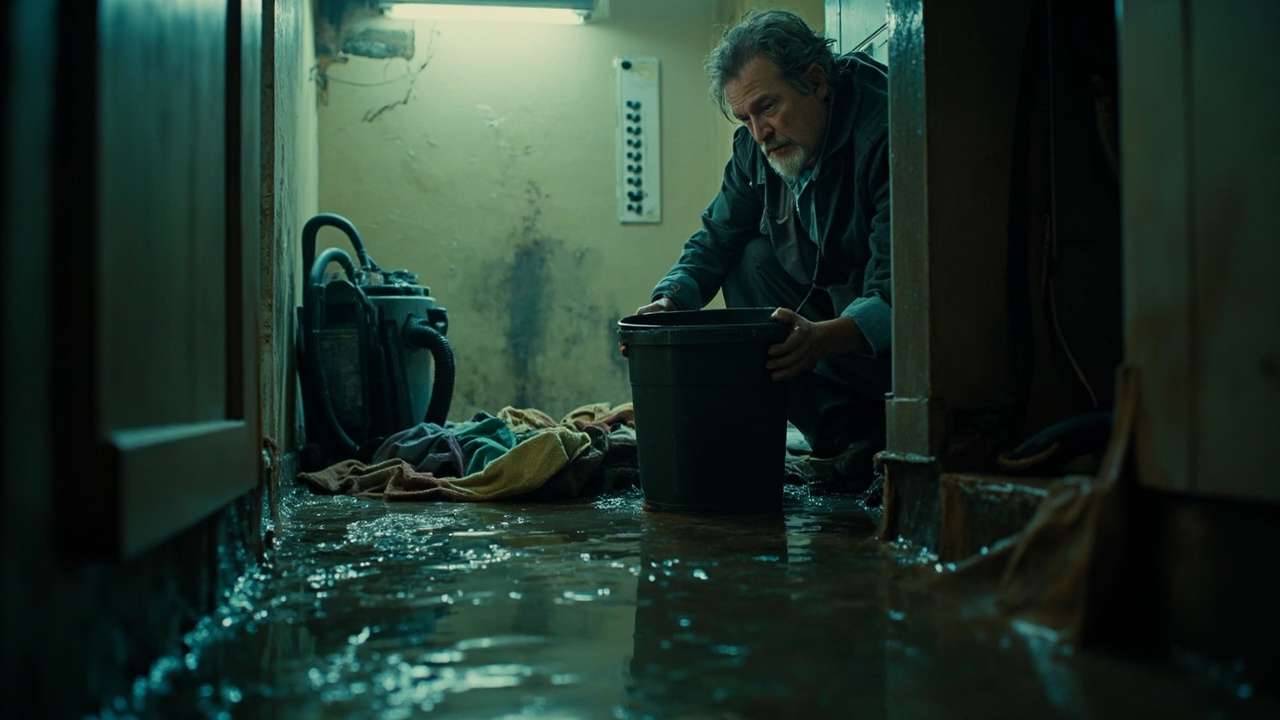
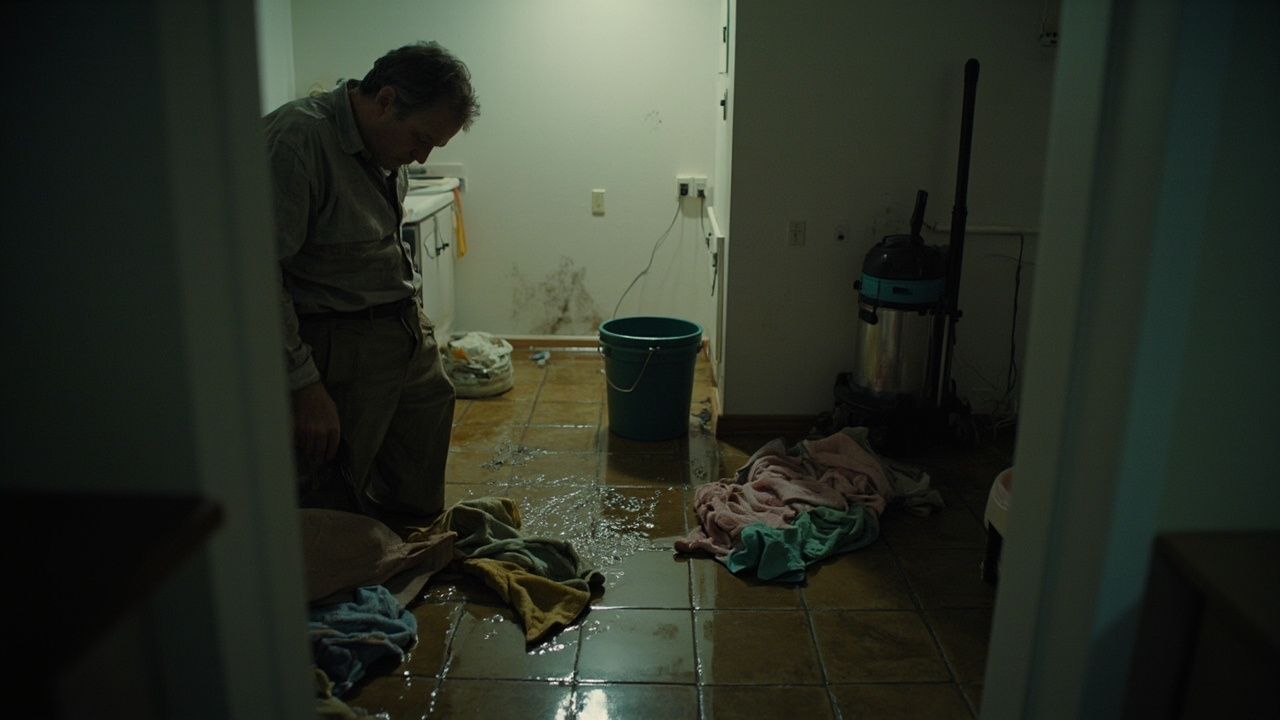
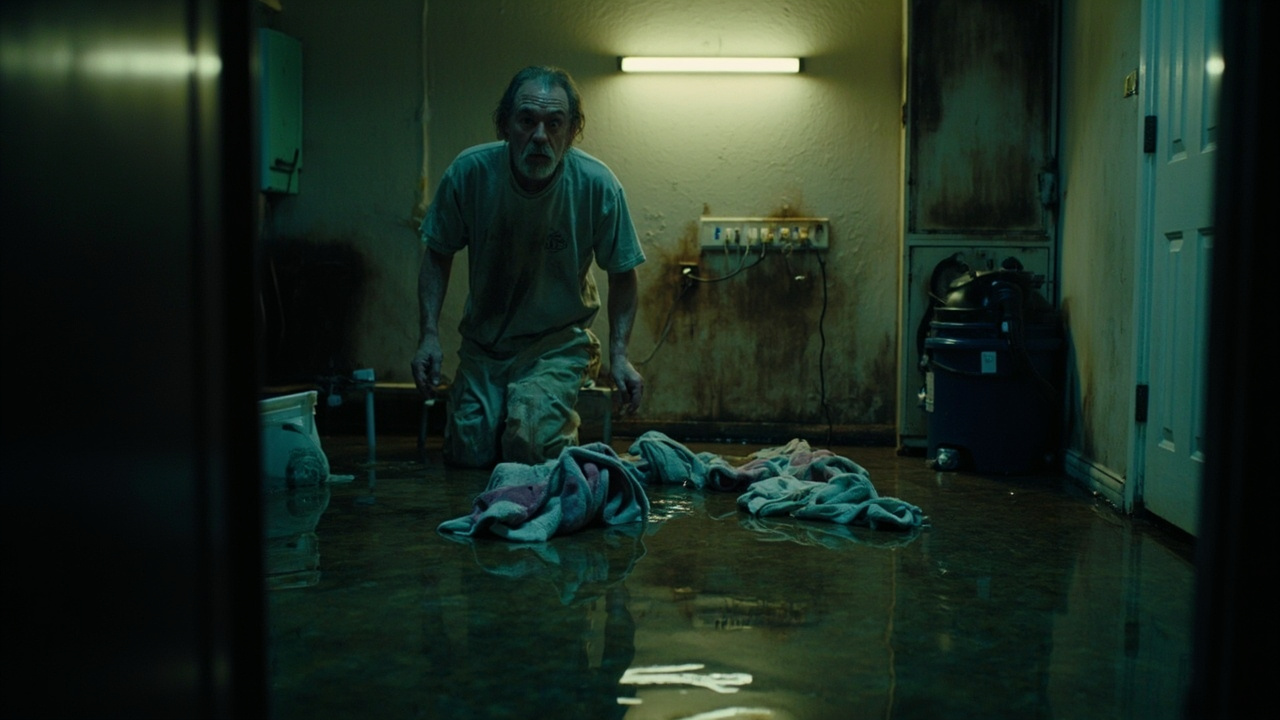
You walk into your basement and see two inches of standing water. Your first instinct is to grab towels, a shop vac, and start cleaning. That decision could cost you thousands of dollars in hidden damage and put your family's health at risk.

Birmingham's humid subtropical climate creates the perfect breeding ground for mold growth after water intrusion. Within 24 to 48 hours of water exposure, mold spores colonize drywall, insulation, and subflooring. The dangers of DIY water damage restoration start here. You cannot see microbial growth inside wall cavities or beneath flooring. A wet vac pulls surface water, but moisture meters and thermal imaging cameras reveal the saturation you miss.

The hazards of do-it-yourself water removal extend beyond mold. Water from sewage backups, which are common in older Birmingham neighborhoods with aging cast iron pipes, contains bacteria like E. coli and viruses. Amateur water cleanup exposes you to Category 2 and Category 3 contaminated water without proper personal protective equipment or disinfection protocols.

Birmingham homes built on expansive clay soil face another challenge. When water saturates the ground beneath your foundation, the soil swells. When you extract surface water but leave structural moisture, the drying cycle causes soil shrinkage. This cycle creates foundation movement that leads to cracked slabs and bowed walls.

The consequences of amateur water cleanup include incomplete drying, which allows secondary damage to progress silently. You think the problem is solved because the carpet feels dry. Meanwhile, the pad beneath holds moisture against the subfloor, causing wood rot and delamination.

Why DIY Water Cleanup Puts Birmingham Homes at Serious Risk
The Professional Approach to Safe Water Damage Mitigation

The Professional Approach to Safe Water Damage Mitigation

Professional water damage restoration follows Institute of Inspection, Cleaning and Restoration Certification standards that address hazards most homeowners never consider. The process starts with water classification and contamination category assessment. This determines whether the water is clean, gray, or black, which dictates the required safety protocols and disposal procedures.

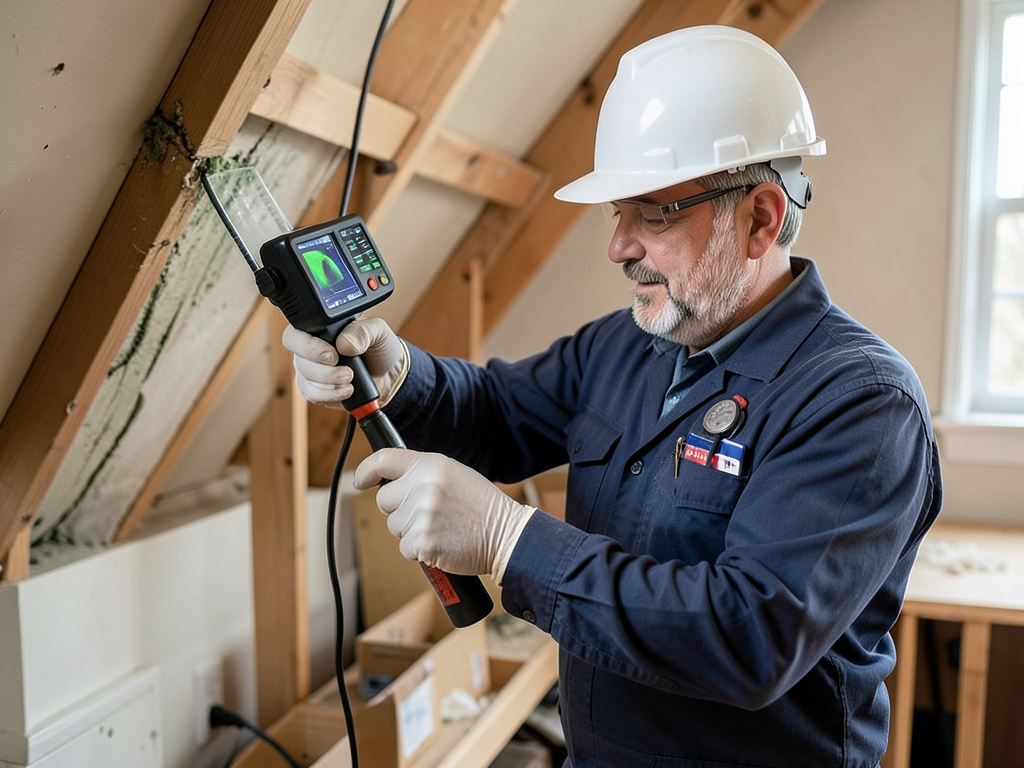
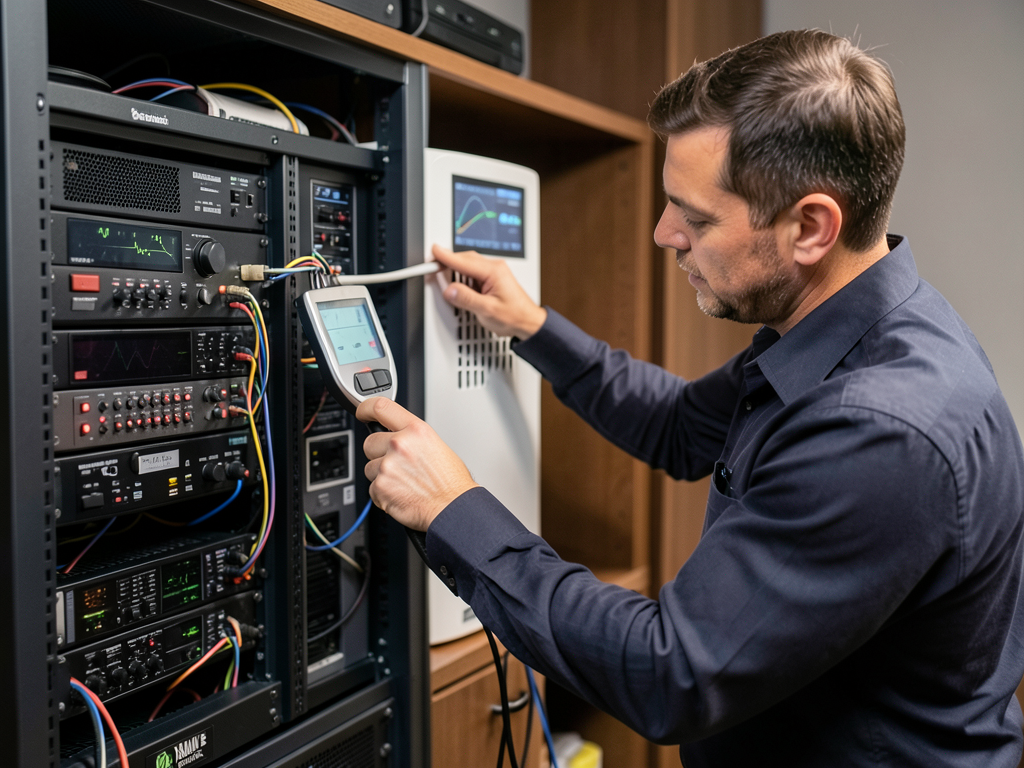
Moisture mapping creates a complete picture of water migration through your structure. Water does not respect room boundaries. It travels through wall cavities, beneath flooring transitions, and into adjacent spaces. We use non-invasive moisture meters to measure moisture content in wood framing, drywall, and concrete. Thermal imaging cameras detect temperature differentials that indicate hidden moisture pockets.

Controlled drying prevents the hidden risks of self-managed water mitigation. Rapid, uncontrolled drying causes secondary damage like hardwood cupping, drywall cracking, and paint delamination. Professional-grade dehumidifiers and air movers create the right balance of airflow and moisture removal. We monitor daily psychrometric readings to track drying progress and adjust equipment placement.

Antimicrobial application addresses contamination that wet vacs leave behind. After extracting standing water, we apply EPA-registered antimicrobials to affected surfaces. This step prevents bacterial growth and addresses cross-contamination from sewage or storm water intrusion.

Structural drying extends beyond visible surfaces. We remove baseboards to direct airflow into wall cavities. In severe cases, we perform controlled demolition, removing wet drywall to dry the framing before microbial growth starts. This prevents the pitfalls of DIY water extraction, where you salvage materials that should be discarded, creating long-term indoor air quality problems.

Documentation supports insurance claims. We photograph moisture readings, equipment placement, and daily drying logs. This evidence demonstrates the scope of damage and justifies the restoration cost to your insurance adjuster.

What Happens During Professional Water Damage Assessment in Birmingham

Risks of DIY Water Cleanup in Birmingham | Avoid Hidden Health Hazards and Structural Damage
01

Emergency Contact and Triage

When you call our 24-hour emergency line, we gather critical information about your water source, affected areas, and safety concerns. We dispatch a certified technician to your Birmingham property within 60 minutes. Before arrival, we advise you on immediate safety steps, like shutting off electricity to flooded areas and avoiding contact with contaminated water. This triage call prevents additional exposure to waterborne hazards.
02

Comprehensive Damage Documentation

Our technician performs a room-by-room inspection, measuring moisture levels in all building materials. We classify the water source as Category 1, 2, or 3 based on contamination level. Digital photos document affected areas, moisture readings, and equipment placement. We create a moisture map showing saturation patterns and migration paths. This documentation becomes your evidence for insurance claims and establishes baseline conditions for drying verification.
03

Customized Mitigation Plan

Based on assessment data, we develop a drying plan specific to your property. The plan outlines equipment requirements, expected drying time, and necessary demolition. We explain which materials can be dried in place and which require removal to prevent mold growth. You receive a written scope of work and timeline before we begin mitigation. This eliminates surprises and ensures you understand the restoration process from start to completion.

Why Birmingham Homeowners Trust Grand Water Damage Restoration Birmingham

Birmingham's building stock includes homes from the early 1900s alongside modern construction. This diversity demands local expertise. We understand how water behaves in pier and beam foundations common in Forest Park versus the slab foundations in newer Hoover subdivisions. This knowledge informs our drying strategies and prevents the structural damage that comes from generic approaches.

Our technicians hold certifications from the Institute of Inspection, Cleaning and Restoration Certification. These credentials require ongoing education in water damage science, microbial remediation, and structural drying. We do not send untrained laborers to your home. You get certified professionals who understand psychrometry, vapor pressure, and the relationship between temperature, humidity, and drying time.

We maintain relationships with Birmingham insurance adjusters and understand local claim procedures. When you file a water damage claim, we communicate directly with your adjuster, providing documentation that supports your loss. This streamlines the claims process and reduces the back-and-forth that delays restoration.

Equipment capacity separates professional restoration from amateur efforts. We deploy truck-mounted water extraction units that remove hundreds of gallons per hour. Our dehumidifier inventory includes low-grain refrigerant units and desiccant dehumidifiers for different drying conditions. We own enough air movers to create proper airflow patterns in properties up to 5,000 square feet.

Birmingham's humid climate requires aggressive dehumidification. Ambient humidity stays above 70 percent for much of the year. This slows natural evaporation and extends drying time. Our equipment overcomes these conditions, creating the low-humidity environment needed for complete structural drying regardless of outdoor weather.

We coordinate with licensed contractors for repairs that exceed water damage restoration scope. If your water loss requires a licensed plumber to repair broken supply lines or an electrician to replace damaged wiring, we manage those relationships. You get a single point of contact instead of juggling multiple vendors.

What to Expect When You Choose Professional Water Damage Restoration

Immediate Response and Rapid Deployment

Water damage progresses exponentially. Mold spores begin colonizing porous materials within 24 hours of saturation. We maintain 24-hour dispatch with technicians on call every day of the year. When you call our emergency line at (659) 234-8188, you reach a live person who deploys a crew to your Birmingham property within one hour. We arrive with extraction equipment, moisture detection tools, and personal protective equipment. Emergency water extraction begins immediately to stop additional absorption into building materials. Speed matters. Every hour of delay increases restoration cost and expands the affected area as water migrates through your structure.

Thorough Damage Assessment and Moisture Detection

Surface inspection misses the majority of water damage. Our assessment uses calibrated moisture meters that measure moisture content below the surface of drywall, wood framing, and concrete. Thermal imaging cameras detect temperature variations that indicate hidden moisture pockets behind walls and beneath flooring. We test humidity levels in enclosed spaces like cabinets and closets where moisture concentrates. The assessment identifies the water category based on contamination level, which determines the required safety protocols and disposal procedures. You receive a written report documenting moisture readings, affected areas, and equipment requirements. This documentation supports your insurance claim and establishes baseline conditions for drying verification.

Complete Structural Drying and Verification

Drying is not complete when surfaces feel dry to the touch. Materials hold moisture internally long after surface drying occurs. We monitor moisture levels daily using calibrated meters, adjusting equipment placement to optimize airflow and dehumidification. Professional drying follows psychrometric principles, balancing temperature, humidity, and air movement to achieve the specific evaporation rate needed for each material type. We continue drying until moisture readings return to normal dry standards for your climate zone. Final verification testing confirms all affected materials have reached dry standard before we remove equipment. You receive documentation showing before and after moisture readings that prove complete drying and eliminate future mold risk.

Post-Restoration Monitoring and Prevention Guidance

Water damage restoration does not end when equipment is removed. We provide follow-up contact at 72 hours and seven days post-restoration to verify your property remains dry. You receive written guidance on preventing future water damage specific to the loss you experienced. If your water damage resulted from plumbing failure, we recommend maintenance schedules and early warning systems. For storm-related flooding, we identify drainage improvements and weatherproofing upgrades. We explain the signs of recurring moisture problems so you can identify issues before they become major losses. This consultation protects your investment in restoration and reduces your long-term water damage risk. Our goal is to prevent your next water loss, not just fix the current one.

Frequently Asked Questions

You Have Questions,
We Have Answers

Can you do water remediation yourself? +

You can handle minor spills or clean surface water, but deep water remediation requires professional equipment. DIY efforts miss hidden moisture in wall cavities, subfloors, and insulation. Birmingham's high humidity accelerates mold growth within 24 to 48 hours. Without moisture meters, thermal imaging, and industrial dehumidifiers, you risk structural damage and health hazards. Category 2 or 3 water (sewage, floodwater) contains bacteria and pathogens you cannot safely remove without protective gear and EPA-registered disinfectants. Professional water restoration prevents long-term damage and protects your investment.

Can mold from water damage make you sick? +

Yes. Mold releases spores and mycotoxins that trigger respiratory issues, allergic reactions, and chronic inflammation. You may experience coughing, wheezing, sinus congestion, skin rashes, or headaches. People with asthma, weakened immune systems, or mold allergies face greater risk. Black mold (Stachybotrys chartarum) produces particularly harmful mycotoxins. Birmingham's humid climate creates ideal mold conditions, especially after water damage. Exposure duration matters. Prolonged contact increases severity. If you smell musty odors or see visible growth after flooding, avoid the area and call a certified mold remediation specialist immediately.

How long can drywall be wet before mold? +

Mold begins growing on wet drywall within 24 to 48 hours in Birmingham's humid climate. Drywall is porous and absorbs water quickly. Once saturated, the paper backing provides food for mold spores already present in the air. Temperature and airflow affect growth speed. If drywall stays wet beyond 48 hours, mold colonization accelerates. You may not see visible growth immediately, but spores are multiplying inside wall cavities. Professional water extraction and drying within the first 24 hours prevents mold. Delaying cleanup guarantees costly remediation and potential health risks.

How long does it take for water to damage foundation? +

Standing water damages foundations within hours to days, depending on soil type and drainage. Birmingham sits on clay soil, which expands when wet and contracts when dry. This cycle creates hydrostatic pressure against foundation walls, causing cracks and shifting. Prolonged saturation erodes mortar joints and weakens concrete. You may notice foundation cracks, bowing walls, or basement seepage within 48 hours of flooding. Chronic water exposure from poor drainage causes gradual settling and structural failure over months. Fast water removal and proper grading protect your foundation from irreversible damage.

Can a DIY filter remove all contaminants? +

No. DIY filters like pitcher systems or faucet attachments remove chlorine, sediment, and some heavy metals, but they do not eliminate all contaminants. They cannot remove bacteria, viruses, or chemical pollutants from floodwater or sewage backups. Category 3 water (blackwater) contains pathogens, pesticides, and industrial chemicals that require professional-grade filtration and disinfection. Birmingham floodwaters may carry agricultural runoff and urban pollutants. Drinking or using contaminated water causes severe illness. After water damage, professionals test and treat water sources with EPA-approved methods before declaring areas safe.

Can I safely remove black mold myself? +

No. Black mold removal requires containment, negative air pressure, HEPA filtration, and protective equipment. Disturbing mold releases thousands of airborne spores that spread contamination and trigger respiratory distress. DIY cleaning pushes spores into HVAC systems and adjacent rooms. Black mold often grows inside walls and under flooring where you cannot see it. Birmingham's humidity ensures spores thrive. Certified mold remediators follow IICRC S520 standards, using antimicrobial treatments and proper disposal methods. Attempting removal yourself risks cross-contamination, incomplete remediation, and ongoing health exposure. Always hire professionals for black mold.

What are the 10 warning signs of mold toxicity? +

Watch for these mold toxicity warning signs: chronic fatigue, brain fog, memory problems, difficulty concentrating, headaches, sinus congestion, coughing, wheezing, skin rashes, joint pain. You may also experience mood swings, sensitivity to light, numbness or tingling, and digestive issues. Symptoms worsen in damp environments and improve when you leave contaminated spaces. Birmingham residents often mistake mold illness for allergies or chronic fatigue syndrome. Multiple symptoms appearing together after water damage indicate possible mold exposure. Document your symptoms and consult a physician familiar with mold-related illnesses. Professional mold testing identifies the contamination source.

Is brain damage from mold reversible? +

Brain damage from mold exposure varies by severity and duration. Mild cognitive issues like brain fog and memory problems often improve after removing mold exposure and detoxification. Severe or prolonged mycotoxin exposure may cause lasting neurological damage. Research shows mycotoxins cross the blood-brain barrier, triggering inflammation and oxidative stress. Recovery depends on exposure length, mold type, and individual sensitivity. Some people regain function with medical treatment, while others experience chronic symptoms. Birmingham's humid climate increases mold risk. Early detection and professional remediation prevent serious health consequences. Consult a physician specializing in environmental medicine for evaluation.

How long before water damage becomes mold? +

Water damage becomes mold within 24 to 48 hours in Birmingham's humid conditions. Mold spores exist everywhere, waiting for moisture to activate. Once building materials stay wet beyond this window, spores colonize and multiply rapidly. Porous materials like drywall, carpet, and insulation absorb water quickly and provide ideal mold habitat. Temperature between 60 and 80 degrees accelerates growth. You may smell musty odors before seeing visible mold. Professional water extraction and dehumidification within the first 24 hours prevents mold. Waiting longer guarantees expensive remediation and potential health risks.

Does running the AC help with mold? +

Running AC helps control humidity, but it does not remove mold. Air conditioning lowers indoor moisture levels, slowing mold growth. However, AC systems do not dry saturated materials or kill existing mold colonies. Birmingham's summer humidity requires AC to run continuously, but flooded areas need industrial dehumidifiers and air movers to extract moisture from walls, floors, and contents. Mold inside HVAC ducts spreads spores throughout your home when the system runs. After water damage, professionals inspect ductwork and use HEPA filtration during drying. AC alone cannot solve a mold problem.

How Birmingham's Clay Soil and Humidity Amplify DIY Water Cleanup Risks

Birmingham sits on expansive clay soil that swells when wet and shrinks when dry. This soil type creates foundation stress during water events that amateur cleanup misses entirely. When you extract surface water with a shop vac but leave moisture in the subfloor and soil, you create an uneven drying pattern. The dried areas shrink while saturated areas remain expanded. This differential movement cracks foundation slabs and shifts pier and beam supports. Professional mitigation addresses subslab moisture and controls the drying rate to minimize soil movement. The hidden risks of self-managed water mitigation in Birmingham include foundation damage that shows up months after you think the problem is solved. Combined with our 60-inch annual rainfall and 70 percent average humidity, Birmingham creates conditions where incomplete drying guarantees mold growth and structural problems. The consequences of amateur water cleanup extend far beyond the initial water event in this climate.

Grand Water Damage Restoration Birmingham has mitigated water damage in homes from Avondale to Mountain Brook for years. We understand the quirks of Birmingham construction, from the crawlspace foundations in older neighborhoods to the concrete slabs in newer developments. Our technicians know how water behaves differently in these structures and adjust drying strategies accordingly. We maintain relationships with local insurance agents and adjusters who trust our documentation and rely on our expertise to assess complex losses. When you choose local professionals who understand Birmingham's specific challenges, you get restoration that addresses the real risks, not generic solutions that leave you vulnerable to secondary damage. The dangers of DIY water damage restoration multiply in Birmingham's climate. Professional mitigation is not optional, it is essential for protecting your home and your family.
Water Damage Restoration Services in The Birmingham Area

Grand Water Damage Restoration is proud to serve the entire Birmingham area. Our convenient location ensures we can respond to your emergency needs with speed and efficiency. Whether you're a homeowner or business owner, we’re ready to bring our expertise directly to you. View our service area on the map to see how we can provide prompt, professional assistance and restore your property quickly and effectively.

Address:
Grand Water Damage Restoration Birmingham, 401 7th St N, Birmingham, AL, 35203

Additional Services We Offer

Our news updates

Latest Articles & News from The Blogs

Why Your Wylam Rental Might Be at Risk for Mold Due to Poor Window Sealant Window sealant failure in Wylam…

Why Your Wylam Rental Might Be at Risk for Mold Due to Poor Window Sealant

Why Your Wylam Rental Might Be at Risk for Mold Due to Poor Window Sealant Window sealant failure in Wylam…

How to Manage a Multi Unit Water Leak in a Highland Park Condominium

How to Manage a Multi Unit Water Leak in a Highland Park Condominium Water damage in a Highland Park condominium…

Comparing Air Scrubbers and Dehumidifiers for Improving Air Quality After a Leak in Midfield

Comparing Air Scrubbers and Dehumidifiers for Improving Air Quality After a Leak in Midfield When water invades your Midfield home…

Contact Us

Do not let DIY water cleanup put your Birmingham home and family at risk. Call Grand Water Damage Restoration Birmingham now at (659) 234-8188 for immediate dispatch and professional assessment. We arrive within 60 minutes with the equipment and expertise to stop damage progression and restore your property safely.