


Bessemer sits in the humid subtropical climate of central Alabama, where annual rainfall exceeds 54 inches and summer humidity regularly tops 90 percent. This constant moisture creates the perfect environment for water intrusion and mold growth. The area's red clay soil expands when wet and contracts when dry, putting pressure on foundation walls and creating cracks that channel groundwater into basements and crawl spaces. Homes near Valley Creek or along drainage corridors in neighborhoods like Pipe Shop and Westwood face elevated flood risk during Alabama's intense spring thunderstorms.
The city's aging housing stock, much of it built during Bessemer's industrial boom in the early 1900s, features outdated plumbing systems prone to failure. Cast iron pipes corrode from the inside out, and galvanized supply lines develop pinhole leaks that spray water inside walls for weeks before anyone notices. When a washing machine hose bursts or a water heater fails in these older homes, the damage spreads fast through original hardwood floors and plaster walls. Jefferson County building codes require proper water damage mitigation to prevent structural decay and mold contamination, making professional restoration essential for insurance claims and future property sales.
We've extracted water from hundreds of Bessemer homes, from historic bungalows near downtown to brick ranches in Jonesboro. Our technicians know exactly how water behaves in Alabama's clay soil conditions and how humidity affects drying times in this climate. We don't subcontract the work or send different crews each day. The same IICRC-certified technicians who assess your damage stay on the job until moisture readings hit zero and your insurance adjuster signs off.
Our response time matters when you're standing in three inches of water at 2 AM. We stage equipment throughout the Birmingham metro area, which means our trucks reach most Bessemer addresses within 60 minutes of your call. We arrive with truck-mounted extractors that pull thousands of gallons per hour, not small shop vacuums that take all day. Our thermal imaging cameras find hidden moisture in wall cavities and under flooring that other companies miss, preventing mold growth that shows up months later.
We handle the insurance paperwork that frustrates most homeowners. Our estimators document every damaged material with photos, moisture readings, and detailed scope sheets that meet insurance company standards. We know what State Farm, Allstate, and Farmers require for approval in Alabama, and we communicate directly with adjusters to answer questions and justify our recommendations. You get one point of contact who coordinates the entire claim from emergency service through final rebuild, not a dozen different subcontractors pointing fingers when something goes wrong.
Our work protects your biggest investment. We follow IICRC S500 standards for water damage restoration and use EPA-registered antimicrobials to prevent mold on all affected surfaces. Every job gets moisture mapping, daily monitoring, and final verification testing before we remove equipment. You receive documentation showing exactly when your home reached safe moisture levels, which protects you if mold appears later or if you sell the property.

Our trucks reach most Bessemer addresses within one hour of your emergency call, day or night. We start extracting water and setting up drying equipment immediately, not tomorrow morning when other companies open. Fast response means less damage, lower repair costs, and better insurance claim outcomes for your family.

We document damage with detailed photos, thermal imaging, and moisture readings that insurance companies accept without argument. Our estimators communicate directly with your adjuster, answer their questions, and justify every line item. You get one experienced advocate handling your entire claim, not conflicting information from multiple contractors.
Every crew member holds current Water Restoration Technician certification from the Institute of Inspection, Cleaning and Restoration Certification. We follow industry standards for moisture mapping, antimicrobial application, and final verification testing. Your restoration gets done right the first time, with documentation proving safe moisture levels before we leave.
We serve every Bessemer neighborhood from historic downtown to suburban developments near the airport. Our technicians understand how local clay soil affects foundations, how Alabama humidity impacts drying times, and which Jefferson County permits your restoration requires. We know Bessemer because we work here every single day.
Water damage restoration involves much more than mopping floors and running fans. Proper mitigation requires immediate water extraction, structural drying, antimicrobial treatment, and complete documentation for insurance claims. Grand Water Damage Restoration Birmingham handles every phase of recovery, from the middle-of-the-night emergency call through final reconstruction and permit approval.
Our services cover all water damage categories, from clean supply line breaks to contaminated sewage backups. We extract standing water with truck-mounted pumps, dry structural materials with commercial dehumidifiers and air movers, remove unsalvageable materials following health department guidelines, treat all surfaces with EPA-registered antimicrobials, and rebuild your home to pre-loss condition. Every job includes moisture mapping, thermal imaging, and daily monitoring until moisture readings reach safe levels.
We coordinate with your insurance company throughout the process, providing detailed documentation, communicating with adjusters, and justifying our scope of work. Our project managers handle permit applications, subcontractor scheduling, and final inspections so you deal with one point of contact instead of a dozen different trades. Whether you need emergency water removal at 3 AM or complete reconstruction after flood damage, we provide every service under one roof.
When water floods your home, immediate extraction prevents damage from spreading through floors, walls, and belongings. Our crews arrive within 60 minutes with truck-mounted extractors that remove thousands of gallons per hour, not small vacuums that take all day. We pull water from carpets, hardwood floors, and tile, then use thermal imaging to find hidden moisture in wall cavities and subfloors. Emergency extraction includes moisture mapping, antimicrobial application, and equipment setup to start drying immediately.
Removing standing water is just the first step. Structural materials like drywall, insulation, and framing lumber absorb moisture deep inside where it causes mold growth and wood rot. We use commercial dehumidifiers, high-velocity air movers, and specialty drying equipment to remove moisture from materials completely. Daily monitoring with moisture meters tracks progress until readings reach safe levels. Proper structural drying takes three to five days on average, depending on materials affected and Alabama's humidity levels.
Alabama's heat and humidity create ideal conditions for mold growth within 48 hours of water damage. We treat all affected surfaces with EPA-registered antimicrobials that kill existing mold spores and prevent future growth. Treatment includes visible surfaces and hidden areas inside walls, under flooring, and in HVAC systems. Our protocols follow IICRC S520 mold remediation standards and meet Jefferson County health department requirements. Prevention treatment costs a fraction of full mold remediation down the road.
Bessemer's combination of aging infrastructure, heavy rainfall, and expansive clay soil creates specific water damage challenges that affect homes throughout the city. Properties built during the early industrial era feature outdated plumbing systems that fail without warning, while newer homes battle foundation issues caused by soil movement during Alabama's wet-dry seasonal cycles. Understanding these common problems helps homeowners recognize warning signs before minor leaks become major disasters.
The Valley Creek watershed and local drainage patterns put certain neighborhoods at higher risk during spring storms and flash flooding. Homes in low-lying areas near the creek or in poorly graded subdivisions experience repeated water intrusion that insurance companies eventually refuse to cover. Foundation cracks develop as clay soil expands and contracts, creating pathways for groundwater to enter basements and crawl spaces. Old cast iron drain lines corrode from inside, causing sewage backups that require specialized contamination cleanup. Recognizing these issues early and addressing them properly protects your home's value and your family's health.
Bessemer's red clay soil expands significantly when wet and shrinks when dry, putting constant pressure on foundation walls. This movement creates cracks that channel groundwater into basements and crawl spaces during heavy rain. Water enters through hairline cracks in poured concrete or through mortar joints in block foundations, causing recurring dampness, musty odors, and mold growth in below-grade spaces.
Many Bessemer homes built before 1960 still have original cast iron drain lines and galvanized supply pipes. Cast iron corrodes from inside over decades, eventually developing holes that leak sewage inside walls. Galvanized pipes develop pinhole leaks that spray water for weeks before homeowners notice damage. These failures often happen inside walls or under floors, causing extensive hidden damage before anyone sees visible water.
Properties near Valley Creek and in poorly graded neighborhoods experience flooding during Alabama's intense thunderstorms. Bessemer receives over 54 inches of annual rainfall, with spring storms dropping several inches in hours. Inadequate drainage systems overwhelm quickly, sending water into garages, basements, and ground-level living spaces. Repeated flooding leads to chronic moisture problems, mold contamination, and eventually denial of insurance coverage.
Air conditioning systems remove gallons of moisture from Alabama's humid air every day. Condensate drain lines clog with algae and sediment, causing overflow that damages ceilings, walls, and insulation. Many homeowners don't notice the problem until water stains appear or the ceiling collapses. Attic-mounted air handlers cause the worst damage because water drips through insulation and ceiling materials before becoming visible.
Water damage creates panic, but the restoration process doesn't have to. When you call Grand Water Damage Restoration Birmingham, you get a clear explanation of what happens next, realistic timelines for each phase, and one point of contact who coordinates everything from emergency service through final reconstruction. We answer your questions in plain language, not industry jargon, and we keep you updated daily as work progresses.
Our process starts with your emergency call. Our dispatcher collects key information about the water source, affected areas, and any immediate safety concerns. We send a crew immediately, usually arriving within 60 minutes. The crew chief inspects damage, explains what needs to happen, and starts mitigation work right away. We contact your insurance company within hours to report the claim and schedule an adjuster inspection. Throughout the job, you communicate with one project manager who coordinates all crews, answers questions, and resolves any issues. You never wonder what's happening or who to call when you need information.
Your emergency call triggers immediate crew dispatch. Our technicians arrive with extraction equipment, moisture meters, and thermal imaging cameras. The crew chief inspects all affected areas, identifies the water source, documents damage with photos and measurements, and explains the entire restoration process. You receive a detailed plan covering emergency mitigation, structural drying timeline, and reconstruction scope. We answer all questions and address immediate concerns before starting any work.
Water damage restoration takes three to seven days on average, depending on affected materials and moisture levels. Our technicians visit daily to monitor equipment, take moisture readings, and adjust drying strategy as needed. Your project manager calls or texts with updates, shares progress photos, and answers questions. You always know what's happening, when crews will arrive, and how long until moisture levels reach safe ranges. No surprises, no disappearing contractors, no wondering if the job is progressing properly.
We document everything for your insurance company and your records. You receive photos of all damage, daily moisture readings showing drying progress, thermal images proving complete moisture removal, and final verification reports confirming safe conditions. This documentation protects you if mold appears later, supports your insurance claim, and provides proof of proper restoration if you sell the property. We don't remove equipment until testing confirms your home is completely dry and safe.
Water damage restoration follows a specific sequence that stops damage from spreading, removes all moisture completely, and returns your home to pre-loss condition. Our three-phase approach handles everything from emergency water extraction through final reconstruction and insurance claim settlement.
We arrive within 60 minutes and immediately start removing standing water with truck-mounted extractors. Thermal imaging cameras locate moisture hidden in walls, under flooring, and in ceiling cavities. We extract water from all affected materials, document damage with detailed photos and measurements, apply antimicrobial treatment to prevent mold growth, and set up commercial dehumidifiers and air movers to begin structural drying. Emergency extraction happens the same day you call, usually within the first few hours.
Drying structural materials completely takes three to five days on average in Alabama's humid climate. Our technicians visit daily to take moisture readings, adjust equipment placement, and monitor progress. High-velocity air movers and commercial dehumidifiers run continuously, removing moisture from drywall, insulation, framing lumber, and subfloors. We track readings with moisture meters and thermal imaging until all materials reach safe levels. Proper drying prevents mold growth, wood rot, and structural damage down the road.
Once moisture readings confirm complete drying, we remove unsalvageable materials and begin reconstruction. Our crews handle everything from drywall replacement and flooring installation to painting and trim work. We coordinate permits, inspections, and final walkthroughs with Jefferson County officials. You work with one project manager who schedules all trades, orders materials, and ensures work meets code requirements. Your home returns to pre-loss condition, often with upgrades that improve on the original construction.
Professional water damage restoration follows specific technical standards established by the Institute of Inspection, Cleaning and Restoration Certification and enforced through Alabama contractor licensing requirements. The IICRC S500 Standard and Reference Guide for Professional Water Damage Restoration defines proper procedures for water extraction, structural drying, antimicrobial application, and final verification testing. These protocols ensure complete moisture removal and prevent long-term problems like mold growth, wood rot, and structural deterioration.
Water damage classification determines restoration procedures and insurance coverage. Category 1 water comes from clean sources like supply line breaks and requires standard extraction and drying. Category 2 water contains contaminants from sources like washing machine discharge or toilet overflow and requires additional antimicrobial treatment. Category 3 water involves sewage or outdoor flooding and demands complete removal of porous materials, intensive antimicrobial application, and contamination testing before reconstruction begins. Jefferson County health department regulations require licensed contractors for Category 3 restoration work.
Moisture measurement drives the entire restoration process. IICRC standards require daily monitoring with calibrated moisture meters until readings reach documented dry standards for each material type. Drywall should read below 12 percent moisture content, wood framing below 15 percent, and concrete below 4 percent before reconstruction begins. Thermal imaging cameras verify complete drying by detecting temperature differences that indicate hidden moisture. Skipping proper monitoring leads to trapped moisture, mold growth behind new finishes, and failed insurance claims months after work is completed.
Alabama's humid subtropical climate complicates structural drying compared to drier regions. Summer humidity often exceeds 90 percent, which slows evaporation and extends drying times. Commercial dehumidifiers must run continuously to maintain indoor humidity below 50 percent, creating conditions where moisture can evaporate from structural materials into the air. Air movers positioned according to IICRC guidelines create airflow across all wet surfaces, speeding evaporation. Proper equipment placement and daily adjustments based on moisture readings separate professional restoration from amateur attempts that leave homes damp and vulnerable to mold.
The Institute of Inspection, Cleaning and Restoration Certification publishes detailed standards for water damage restoration that define proper procedures for extraction, drying, and verification testing. IICRC S500 compliance ensures complete moisture removal, prevents mold growth, and meets insurance company requirements for claims approval. Alabama contractor licensing requires IICRC certification for water restoration work, protecting homeowners from unlicensed operators who cut corners.
Water damage classification determines restoration procedures and costs. Category 1 clean water requires standard drying. Category 2 gray water needs antimicrobial treatment. Category 3 black water demands complete removal of porous materials and intensive decontamination. Insurance coverage varies by category, with some policies excluding certain contamination types. Proper classification protects your health and ensures appropriate treatment for the contamination level involved.
Complete structural drying takes three to seven days in Alabama's humid climate, depending on affected materials and weather conditions. Drywall dries faster than hardwood floors. Summer humidity extends drying times compared to winter. Rushing the process traps moisture inside walls and under flooring, causing mold growth and wood rot months later. Professional restoration includes daily monitoring until moisture meters confirm safe levels in all structural materials.
Alabama requires state contractor licensing for water damage restoration work exceeding basic cleanup. Jefferson County requires building permits for reconstruction involving structural repairs, plumbing work, or electrical systems. Licensed contractors carry proper insurance, follow building codes, and pass final inspections that protect your investment. Using unlicensed operators voids insurance coverage, violates lending agreements, and creates liability if work fails or causes additional damage.
This video explains the complete water damage restoration process for Bessemer, Alabama homeowners, covering emergency water extraction, structural drying procedures, mold prevention treatment, insurance claim documentation, and reconstruction timelines. Grand Water Damage Restoration Birmingham demonstrates IICRC-certified restoration techniques, Alabama licensing requirements, and specific challenges created by local climate conditions and clay soil. Viewers learn what to expect during professional water damage mitigation, how long structural drying takes in humid conditions, and why proper moisture measurement prevents mold growth and structural damage.
Grand Water Damage Restoration Birmingham serves every corner of Bessemer, from the historic downtown district to newer developments near the Bessemer Airport. Our response vehicles reach addresses throughout the city within 60 minutes, ensuring fast water extraction that minimizes damage and reduces restoration costs.
We handle water damage emergencies in established neighborhoods like Pipe Shop, where homes built during Bessemer's early industrial boom feature brick construction and original plumbing systems prone to failure. The area's older infrastructure and mature trees create specific challenges with root intrusion into sewer lines and aging cast iron pipes that corrode from inside. Properties in Westwood and Jonesboro face similar issues with aging plumbing, plus foundation movement caused by expansive clay soil throughout central Alabama.
Homes near Valley Creek and in low-lying areas south of the downtown corridor experience elevated flood risk during Alabama's intense spring thunderstorms and flash flood events. We've extracted thousands of gallons from properties along these drainage paths, where poorly graded lots and overwhelmed storm sewers send water into garages, basements, and ground-level living spaces. Our crews understand local drainage patterns and soil conditions that affect foundation waterproofing and long-term moisture control.
Northern Bessemer neighborhoods closer to the airport and newer residential developments around Academy Drive face different challenges. Modern construction standards improve drainage and plumbing reliability, but rapid development sometimes outpaces infrastructure capacity. HVAC condensate line failures and appliance supply line breaks cause the majority of water damage in these areas. We respond to emergencies throughout the greater Bessemer metro area, including nearby communities in Jefferson County where residents need fast, professional water damage restoration.
Our service area extends along Highway 150 and Interstate 20/59, reaching homes in surrounding communities that rely on Bessemer for emergency services. Whether you own property in the historic city center, suburban neighborhoods on the north side, or rural areas just outside city limits, our crews arrive fast with commercial extraction equipment and industrial drying systems. We know Bessemer's streets, neighborhoods, and common water damage issues because we work here every single day.
Water damage restoration in Bessemer AL takes 3 to 7 days for most residential projects. Minor water damage from a small leak needs 2 to 3 days. Severe flooding or extensive damage requires 1 to 2 weeks. The timeline depends on the water category, affected square footage, and materials involved. Your restoration team extracts water on day one, then runs dehumidifiers for 3 to 5 days. Drywall replacement and painting add another 2 to 3 days. Weather conditions in Bessemer affect drying times due to humidity levels.
Water damage restoration pricing in Bessemer varies based on damage severity and affected area size. A small bathroom leak costs less than whole-home flooding. Factors affecting price include water category, affected square footage, materials needing replacement, and mold presence. Clean water damage costs less than sewage contamination. Most companies offer free inspections and provide detailed estimates before starting work. Your homeowner's insurance often covers water damage restoration expenses depending on your policy and the damage cause. Get multiple quotes from local Bessemer companies to compare services and pricing structures.
Your homeowners insurance typically covers sudden and accidental water damage in Bessemer AL. Burst pipes, appliance malfunctions, and storm damage usually qualify for coverage. Insurance does not cover gradual damage from neglected maintenance or flooding without separate flood insurance. Review your policy declarations page to understand your water damage coverage limits and deductibles. Document all damage with photos before cleanup begins. Contact your insurance company within 24 hours of discovering damage. Most Bessemer restoration companies work directly with insurance adjusters to streamline your claims process and paperwork.
Water damage restoration in Bessemer AL takes 3 to 7 days for most residential projects. Minor water damage from a small leak needs 2 to 3 days. Severe flooding or extensive damage requires 1 to 2 weeks. The timeline depends on the water category, affected square footage, and materials involved. Your restoration team extracts water on day one, then runs dehumidifiers for 3 to 5 days. Drywall replacement and painting add another 2 to 3 days. Weather conditions in Bessemer affect drying times due to humidity levels.
Water damage restoration pricing in Bessemer varies based on damage severity and affected area size. A small bathroom leak costs less than whole-home flooding. Factors affecting price include water category, affected square footage, materials needing replacement, and mold presence. Clean water damage costs less than sewage contamination. Most companies offer free inspections and provide detailed estimates before starting work. Your homeowner's insurance often covers water damage restoration expenses depending on your policy and the damage cause. Get multiple quotes from local Bessemer companies to compare services and pricing structures.
Your homeowners insurance typically covers sudden and accidental water damage in Bessemer AL. Burst pipes, appliance malfunctions, and storm damage usually qualify for coverage. Insurance does not cover gradual damage from neglected maintenance or flooding without separate flood insurance. Review your policy declarations page to understand your water damage coverage limits and deductibles. Document all damage with photos before cleanup begins. Contact your insurance company within 24 hours of discovering damage. Most Bessemer restoration companies work directly with insurance adjusters to streamline your claims process and paperwork.
You need water damage restoration in Bessemer when you notice visible standing water, wet carpets, or water stains on walls and ceilings. Other signs include musty odors, warped flooring, peeling paint, and increased humidity levels. Check for soft or spongy drywall and look for mold growth in corners and under sinks. Water meters showing unusual usage indicate hidden leaks. Even small amounts of water cause structural damage and mold within 24 to 48 hours. Professional restoration prevents secondary damage and protects your home's structural integrity.
Staying in your Bessemer home during water damage restoration depends on damage severity and location. Minor water damage confined to one room allows you to stay home. Extensive flooding affecting multiple rooms or your entire first floor requires temporary relocation. Sewage contamination always requires evacuation due to health hazards. If restoration teams remove drywall or run loud equipment 24 hours daily, staying becomes difficult. Mold growth necessitates leaving until remediation completes. Your restoration company assesses safety conditions and advises whether relocation is necessary for your specific situation.
Water damage cleanup in Bessemer removes standing water and dries visible moisture. Cleanup stops at extraction and basic drying. Water damage restoration includes cleanup plus repairing and rebuilding damaged structures. Restoration teams remove damaged drywall, replace insulation, treat for mold, repair flooring, and repaint affected areas. Restoration returns your home to pre-damage condition. Cleanup alone leaves you with dry but damaged materials. Professional restoration addresses hidden moisture in wall cavities and subfloors. Choose restoration over cleanup to prevent future mold growth and structural problems in your Bessemer home.
Call a water damage restoration company in Bessemer AL within 1 hour of discovering water damage. Water spreads quickly through flooring, walls, and belongings. Mold begins growing within 24 to 48 hours in Bessemer's humid climate. Every hour of delay increases restoration complexity and expense. Immediate response prevents secondary damage to structural components and personal property. Bessemer restoration companies offer 24-hour emergency services for this reason. While you wait for professionals, stop the water source if safe and move valuables to dry areas. Quick action protects your home and reduces overall damage.
Water damage restoration companies in Bessemer use industrial-grade equipment for effective drying. Truck-mounted extractors remove standing water from carpets and flooring. Commercial dehumidifiers pull moisture from air and materials. Air movers create airflow to speed evaporation. Moisture meters detect hidden water in walls and subfloors. Infrared cameras identify wet areas behind surfaces. HEPA air scrubbers remove airborne mold spores and contaminants. Hydroxyl generators eliminate odors. Professional equipment dries your home faster than household fans and dehumidifiers, preventing mold growth and additional damage to your Bessemer property.
Choose a water damage restoration company in Bessemer AL with local experience and proper credentials. Verify the company holds IICRC certification for water damage restoration. Check online reviews on Google and Better Business Bureau. Ask for references from recent Bessemer customers. Confirm 24-hour emergency availability and response times under 2 hours. Request detailed written estimates before work begins. Select companies with experience handling insurance claims. Avoid companies demanding full payment upfront. Local Bessemer companies understand area-specific challenges like humidity levels and common water damage causes in Alabama homes.
Mold grows after water damage in Bessemer homes when moisture remains for 24 to 48 hours. Bessemer's humid climate accelerates mold growth on wet drywall, insulation, and wood. Poor ventilation traps moisture inside walls and under flooring. Delayed restoration response allows mold spores to colonize damp materials. Hidden water in wall cavities and crawl spaces creates ideal mold conditions. Organic materials like drywall paper and wood framing provide food sources for mold. Preventing mold requires immediate water extraction, thorough drying, and dehumidification. Professional restoration eliminates moisture before mold establishes in your home.
You need water damage restoration in Bessemer when you notice visible standing water, wet carpets, or water stains on walls and ceilings. Other signs include musty odors, warped flooring, peeling paint, and increased humidity levels. Check for soft or spongy drywall and look for mold growth in corners and under sinks. Water meters showing unusual usage indicate hidden leaks. Even small amounts of water cause structural damage and mold within 24 to 48 hours. Professional restoration prevents secondary damage and protects your home's structural integrity.
Staying in your Bessemer home during water damage restoration depends on damage severity and location. Minor water damage confined to one room allows you to stay home. Extensive flooding affecting multiple rooms or your entire first floor requires temporary relocation. Sewage contamination always requires evacuation due to health hazards. If restoration teams remove drywall or run loud equipment 24 hours daily, staying becomes difficult. Mold growth necessitates leaving until remediation completes. Your restoration company assesses safety conditions and advises whether relocation is necessary for your specific situation.
Water damage cleanup in Bessemer removes standing water and dries visible moisture. Cleanup stops at extraction and basic drying. Water damage restoration includes cleanup plus repairing and rebuilding damaged structures. Restoration teams remove damaged drywall, replace insulation, treat for mold, repair flooring, and repaint affected areas. Restoration returns your home to pre-damage condition. Cleanup alone leaves you with dry but damaged materials. Professional restoration addresses hidden moisture in wall cavities and subfloors. Choose restoration over cleanup to prevent future mold growth and structural problems in your Bessemer home.
Call a water damage restoration company in Bessemer AL within 1 hour of discovering water damage. Water spreads quickly through flooring, walls, and belongings. Mold begins growing within 24 to 48 hours in Bessemer's humid climate. Every hour of delay increases restoration complexity and expense. Immediate response prevents secondary damage to structural components and personal property. Bessemer restoration companies offer 24-hour emergency services for this reason. While you wait for professionals, stop the water source if safe and move valuables to dry areas. Quick action protects your home and reduces overall damage.
Water damage restoration companies in Bessemer use industrial-grade equipment for effective drying. Truck-mounted extractors remove standing water from carpets and flooring. Commercial dehumidifiers pull moisture from air and materials. Air movers create airflow to speed evaporation. Moisture meters detect hidden water in walls and subfloors. Infrared cameras identify wet areas behind surfaces. HEPA air scrubbers remove airborne mold spores and contaminants. Hydroxyl generators eliminate odors. Professional equipment dries your home faster than household fans and dehumidifiers, preventing mold growth and additional damage to your Bessemer property.
Choose a water damage restoration company in Bessemer AL with local experience and proper credentials. Verify the company holds IICRC certification for water damage restoration. Check online reviews on Google and Better Business Bureau. Ask for references from recent Bessemer customers. Confirm 24-hour emergency availability and response times under 2 hours. Request detailed written estimates before work begins. Select companies with experience handling insurance claims. Avoid companies demanding full payment upfront. Local Bessemer companies understand area-specific challenges like humidity levels and common water damage causes in Alabama homes.
Mold grows after water damage in Bessemer homes when moisture remains for 24 to 48 hours. Bessemer's humid climate accelerates mold growth on wet drywall, insulation, and wood. Poor ventilation traps moisture inside walls and under flooring. Delayed restoration response allows mold spores to colonize damp materials. Hidden water in wall cavities and crawl spaces creates ideal mold conditions. Organic materials like drywall paper and wood framing provide food sources for mold. Preventing mold requires immediate water extraction, thorough drying, and dehumidification. Professional restoration eliminates moisture before mold establishes in your home.
Grand Water Damage Restoration is proud to serve the entire Birmingham area. Our convenient location ensures we can respond to your emergency needs with speed and efficiency. Whether you're a homeowner or business owner, we’re ready to bring our expertise directly to you. View our service area on the map to see how we can provide prompt, professional assistance and restore your property quickly and effectively.
Address:
Bessemer, AL, 35020
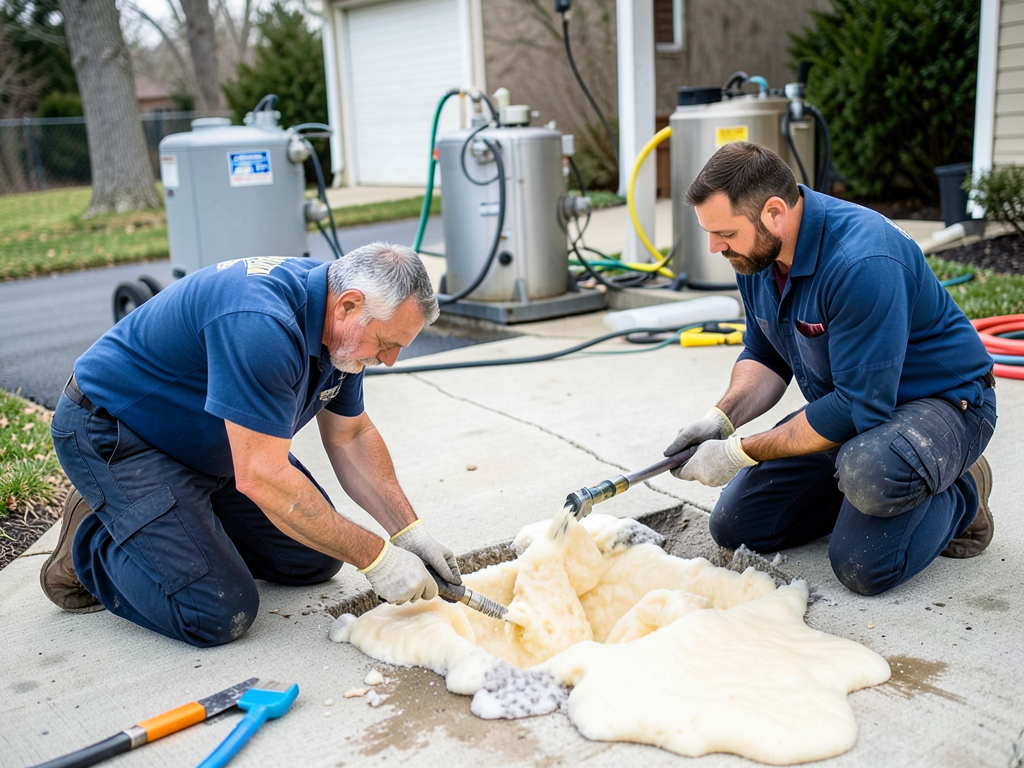
What Happens When a Water Main Break Erodes the Soil Under Your Mason City Driveway When a water main breaks beneath your Mason City driveway the damage happens fast. High-pressure water blasts through the soil…
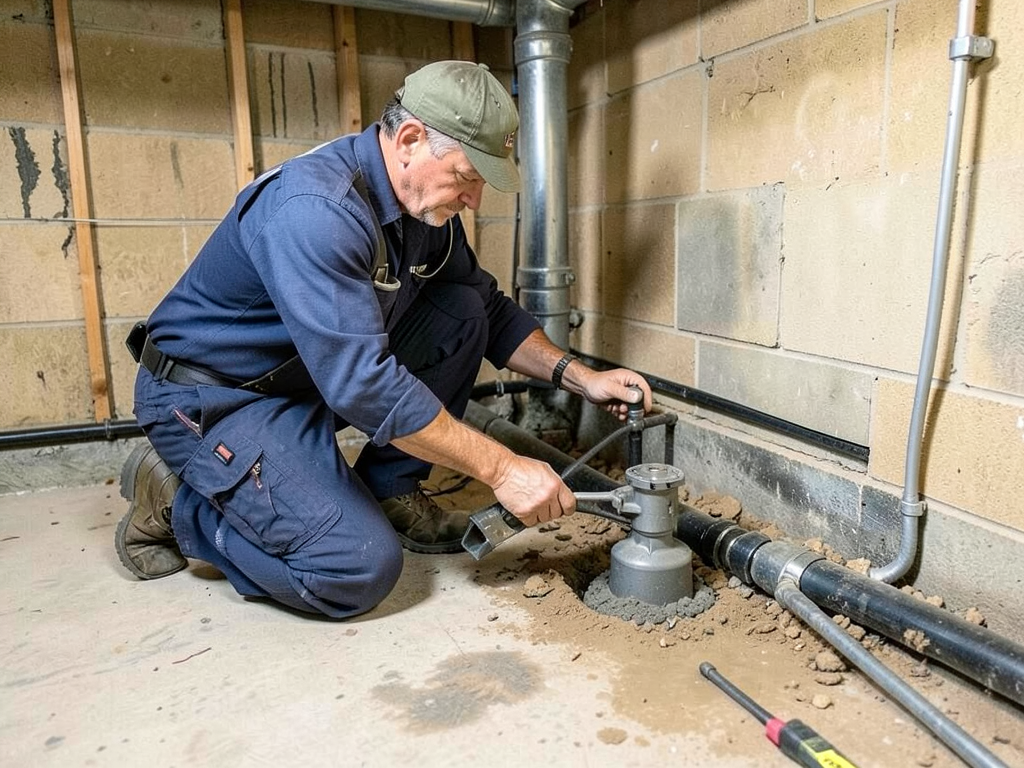
Comparing Interior vs Exterior Waterproofing for Your Central Park Basement Living in Central Park means…
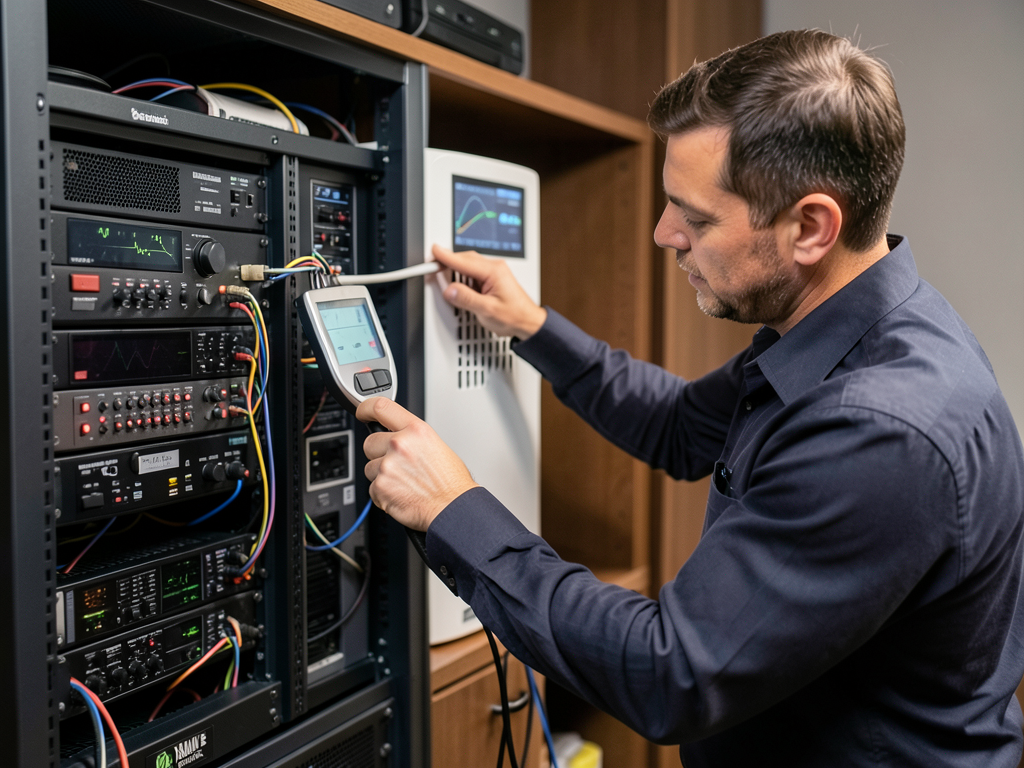
Keeping Your Rising West Princeton Home Theater Dry and Mold Free Birmingham’s humid subtropical climate…
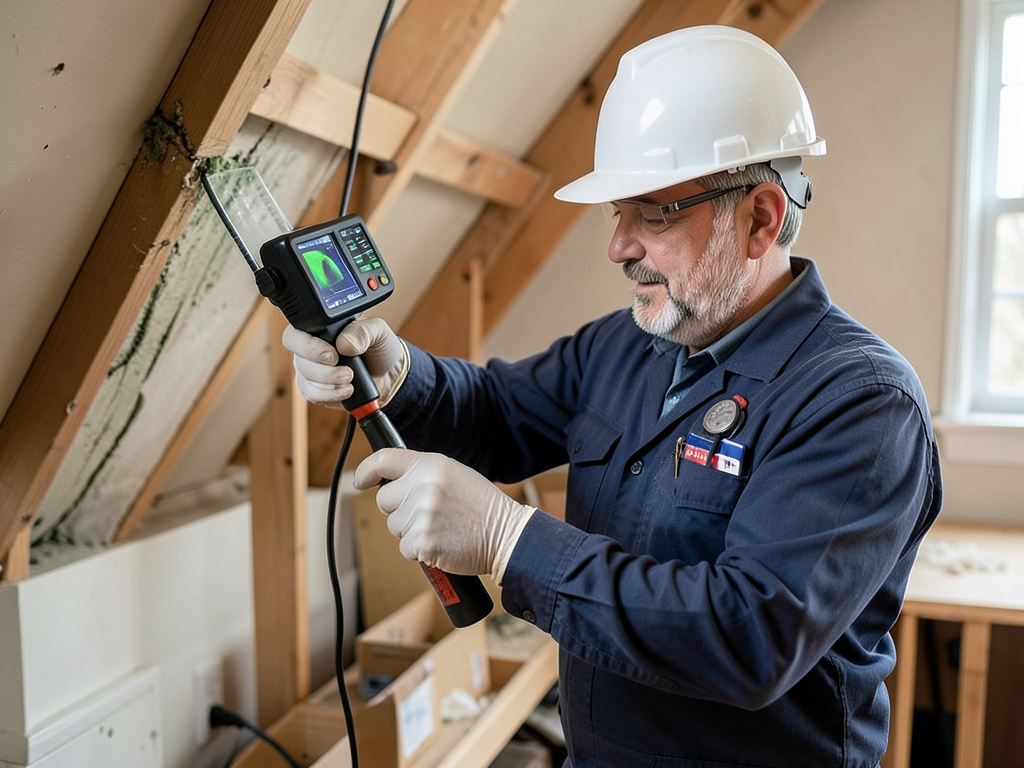
How High Humidity and Birmingham Pollen Create the Perfect Storm for Attic Mold in Airport…
Water damage spreads fast. Every hour increases repair costs and mold risk. Our crews are standing by right now to respond to your emergency. Call (659) 234-8188 for immediate dispatch. We'll have trucks rolling to your Bessemer address within minutes, not tomorrow morning when it's too late.