


Homewood sits in the heart of Alabama's humid subtropical climate where summer storms dump inches of rain in hours and aging infrastructure struggles to keep up. The red clay soil under Homewood foundations holds water like a sponge, pushing moisture through basement walls and crawlspaces throughout Edgewood, Rosedale, and the neighborhoods near Samford University. When thunderstorms roll through Shades Valley, overwhelmed stormwater systems back up into homes along Green Springs Highway and Oxmoor Road.
The age of Homewood housing stock compounds the problem. Many homes date to the 1950s and 1960s, built before modern waterproofing standards. Original plumbing lines corrode and burst. Cast iron sewer pipes collapse. HVAC condensate lines clog and overflow into ceilings. In properties near Shades Creek, spring flooding regularly threatens finished basements. Winter freeze events, though rare, crack exposed pipes in attics and garages. Every property in Homewood faces water damage risk, whether from storms, plumbing failures, appliance leaks, or foundation seepage. The question is not if water will invade, but when you'll need rapid response to stop the damage.
Grand Water Damage Restoration Birmingham has removed water from hundreds of Homewood properties, from flooded basements in Edgewood to burst pipe disasters near Brookwood Medical Center. We understand how water behaves in Homewood's older homes and how Alabama's humidity slows drying if you don't use commercial equipment correctly. When you call, we dispatch crews immediately with truck-mounted extractors, industrial dehumidifiers, and thermal imaging cameras to find every pocket of hidden moisture.
Our technicians train specifically on water damage mitigation and structural drying protocols. We don't just remove standing water and leave. We monitor moisture levels in walls, subfloors, and insulation daily until readings confirm complete dryness. If we leave moisture behind, mold grows within 48 hours. We prevent that by doing the job correctly the first time. We document the entire process with photos, moisture readings, and detailed notes that satisfy insurance adjusters and get your claim approved without delays.
We know Homewood. We know which neighborhoods flood during heavy rain. We know the plumbing problems common in homes built in different decades. We know how to navigate Jefferson County permit requirements for reconstruction work. When disaster hits your property, you need a crew that responds fast and knows exactly what to do. We've handled everything from small toilet overflows to catastrophic pipe bursts that flood entire floors. Our trucks carry enough equipment to start extraction and drying immediately, not hours later after we drive back to a warehouse.

We dispatch crews to Homewood properties within 60 minutes of your call, 24 hours a day. Water damage worsens by the hour. Standing water soaks into drywall, warps hardwood floors, and ruins furniture. Our rapid response stops damage from spreading and reduces total restoration costs. When you call, we come immediately.

We don't just extract water and leave. Our teams place commercial dehumidifiers and air movers throughout affected areas, then monitor moisture levels daily with calibrated meters. We track drying progress in walls, floors, and hidden cavities until thermal imaging confirms zero moisture remains. Complete drying prevents mold growth and structural damage.
We document every aspect of damage and restoration with detailed photos, moisture readings, and itemized reports that insurance adjusters need for claim approval. Our teams communicate directly with your insurance company, providing documentation that speeds the claims process and reduces your stress during a difficult situation.
We've restored water damage in properties throughout Edgewood, Rosedale, West Homewood, and neighborhoods near Samford University. We understand the specific challenges Homewood properties face, from basement seepage in older homes to storm flooding near Shades Creek. Local knowledge matters when seconds count.
Grand Water Damage Restoration Birmingham handles every type of water emergency in Homewood, from minor leaks to catastrophic flooding. Our service range covers emergency water extraction, structural drying, mold prevention, content restoration, and complete reconstruction. Water damage rarely affects just one area. A burst pipe in an upstairs bathroom floods the ceiling below. A failed water heater soaks drywall, insulation, and flooring. Storm water that enters through a roof leak travels through walls to lower floors.
We provide end-to-end restoration, managing your entire project from emergency response through final reconstruction. Our crews extract standing water, remove damaged materials, dry the structure completely, treat for mold prevention, and rebuild everything to original condition. You work with one company throughout the process, not multiple contractors passing responsibility. We categorize our water damage services into three main areas based on the type of emergency and required response. Each category demands specific equipment, techniques, and timelines.
When water floods your property, every minute counts. Our emergency extraction teams mobilize immediately with truck-mounted pumps and portable extractors to remove standing water from all affected areas. We extract water from carpets, pad, hardwood floors, tile, and concrete. After extraction, we remove saturated materials that cannot be saved, including soaked drywall, insulation, and baseboards. We place commercial air movers and dehumidifiers to begin structural drying immediately. Fast extraction prevents water from wicking into framing, spreading to adjacent rooms, and causing secondary damage throughout your property.
Removing standing water is just the first step. Moisture soaks into walls, subfloors, insulation, and framing where it cannot be extracted. Our structural drying process uses industrial dehumidifiers and high-velocity air movers positioned strategically to pull moisture from porous materials. We monitor moisture levels daily with calibrated meters, checking wall cavities, subfloors, and hidden spaces with thermal imaging cameras. Drying continues until moisture readings match unaffected areas. Complete structural drying typically takes three to five days, depending on materials affected and humidity levels. Proper drying prevents mold growth and structural rot.
After complete drying, we rebuild your property to original condition. Our reconstruction crews replace drywall, insulation, flooring, baseboards, trim, cabinets, and fixtures damaged by water. We match existing finishes, textures, and paint colors to blend repairs seamlessly with unaffected areas. Reconstruction includes plumbing repairs if pipe failure caused the damage, roof repairs for storm damage, and HVAC ductwork replacement if necessary. We handle all required permits and inspections for work in Jefferson County. You get your property back in move-in condition, not a partially dried structure with holes in the walls.
Homewood properties face water damage from multiple sources, each requiring different response strategies. The humid Alabama climate keeps moisture levels high year-round, which slows drying and promotes mold growth if water intrusion is not addressed immediately. Older homes built before modern building codes lack proper waterproofing in basements and crawlspaces. Clay soil holds water and pushes it through foundation walls during wet periods. Aging plumbing systems corrode and fail without warning.
Storm water management struggles to keep pace with intense summer thunderstorms that dump several inches of rain in short periods. Properties near Shades Creek face flooding risks during heavy rain events. Homes built on sloped lots experience water runoff that enters through foundation cracks or overwhelms perimeter drainage systems. Every Homewood property owner should understand the most common water damage scenarios and how to recognize warning signs before small problems become catastrophic failures.
Homewood's clay soil and high water table push groundwater through basement walls and floor cracks, especially after heavy rain. Inadequate exterior drainage, failed sump pumps, and cracked foundation walls allow water to enter below-grade spaces. Standing water damages stored belongings, promotes mold growth, and compromises structural integrity if not removed quickly.
Aging galvanized and copper supply lines corrode from the inside and burst without warning, flooding rooms in minutes. Pinhole leaks spray water inside walls where damage goes unnoticed for weeks. Frozen pipes during rare cold snaps crack and flood attics and crawlspaces when temperatures rise. Water pressure surges stress weak points in old plumbing until failure occurs.
Water heaters rust through and dump 40 to 50 gallons across floors. Washing machine supply hoses burst under constant pressure. Dishwasher connections loosen and leak under cabinets. Refrigerator ice maker lines crack and spray water inside walls. HVAC condensate lines clog and overflow into ceilings. These failures happen suddenly and cause extensive damage before anyone notices.
Severe thunderstorms tear shingles off roofs and drive rain through compromised areas into attics and ceilings. Clogged gutters overflow and pour water down exterior walls into basements. Wind-driven rain enters through window and door openings. Flash flooding overwhelms storm drains and pushes water into low-lying properties near Shades Creek and Green Springs Highway.
Water damage creates chaos and panic. You need clear communication about what happens next and realistic timelines for getting your property back to normal. When you call Grand Water Damage Restoration Birmingham, you talk immediately with a restoration professional who gathers information about your emergency and dispatches a crew to your Homewood property within the hour. We bring enough equipment on the first visit to handle most water removal and begin structural drying immediately.
Our process focuses on transparency, communication, and setting realistic expectations. Water damage restoration takes time to do correctly. Rushing the drying process or skipping critical steps leads to mold growth and structural problems later. We explain each phase of restoration, how long it takes, and why specific steps matter. You stay informed throughout the project, from initial water extraction through final reconstruction. We coordinate directly with your insurance company, keeping them updated on progress and providing documentation they need for your claim.
You reach a restoration professional when you call, not an answering service or voicemail. We gather details about your water damage emergency and dispatch the nearest available crew to your Homewood property immediately. Our technicians call you en route with an estimated arrival time. We respond 24 hours a day, seven days a week. Emergency crews arrive with water extraction equipment, moisture meters, thermal cameras, and everything needed to stop damage progression and begin drying your property.
We walk you through the entire restoration timeline during our initial assessment, explaining how long each phase takes and what to expect. You receive daily updates on drying progress with actual moisture readings from walls, floors, and affected materials. If timelines change because we discover hidden damage or encounter unexpected moisture, we explain why and adjust plans immediately. You always know exactly where your project stands and when you can return to your property.
We manage your entire restoration project from emergency water extraction through final reconstruction and cleaning. You work with one company throughout the process, not multiple contractors. We coordinate all required permits, schedule inspections, and ensure work meets Jefferson County building codes. When we complete your restoration, your property looks exactly as it did before water damage occurred. We don't leave you with a dried-out shell to finish yourself.
Water damage restoration follows a structured process designed to remove all moisture, prevent mold growth, and restore your property completely. We break restoration into three main phases based on urgency and requirements at each stage.
Our crews arrive at your Homewood property within 60 minutes of your call with water extraction equipment ready to deploy. We conduct a detailed assessment, documenting all affected areas with photos and moisture readings. We identify the water source, stop active leaks or intrusion, and classify the damage category. Then we extract all standing water using truck-mounted pumps and portable extractors. We remove saturated materials that cannot be saved and begin placing drying equipment throughout affected areas.
After initial extraction, we position commercial dehumidifiers and air movers strategically to dry all affected materials completely. Our technicians visit daily to check moisture levels in walls, subfloors, and hidden cavities using calibrated meters and thermal imaging cameras. We document moisture readings and adjust equipment placement as drying progresses. Drying typically takes three to five days but continues until moisture levels match unaffected areas. We never rush drying because incomplete moisture removal causes mold growth and structural damage.
Once the structure is completely dry, our reconstruction crews rebuild all areas damaged by water. We replace drywall, insulation, flooring, baseboards, cabinets, and fixtures. We match paint colors, textures, and finishes to blend repairs with existing areas. We handle all plumbing repairs, electrical work, and HVAC repairs needed to return your property to full function. Final cleaning removes all dust and debris, leaving your property move-in ready.
Water damage restoration follows standards established by the Institute of Inspection, Cleaning and Restoration Certification. These standards classify water damage into three categories based on contamination level and define proper remediation protocols for each. Category 1 water comes from sanitary sources like supply lines and rainwater. Category 2 water contains contaminants that can cause discomfort or illness, such as washing machine discharge or toilet overflow with urine. Category 3 water is grossly contaminated and contains pathogenic bacteria, such as sewage backups or flooding from rivers and streams.
The category determines how we handle affected materials. Category 1 water allows us to save most porous materials through proper drying. Category 2 water requires more aggressive treatment and removal of some porous materials. Category 3 water mandates removal and disposal of all porous materials that contacted the water, including drywall, insulation, carpet, and pad. Water category can change over time. Clean water becomes Category 2 after 48 hours if not removed because bacteria multiply in stagnant water.
Proper structural drying requires controlling four variables: temperature, humidity, airflow, and time. We raise temperature to speed evaporation, reduce humidity with dehumidifiers to increase drying potential, create airflow across wet surfaces with air movers, and allow sufficient time for complete moisture removal. Moisture meters measure water content in materials on a scale from 0 to 100 percent. Wood framing should read below 15 percent. Drywall should read below 1 percent. We take readings in multiple locations daily and track drying curves to verify progress. If readings plateau before reaching acceptable levels, we adjust equipment or investigate hidden moisture pockets with thermal cameras.
The IICRC S500 Standard and Reference Guide for Professional Water Damage Restoration defines proper protocols for water extraction, structural drying, and moisture monitoring. We follow these standards on every project to ensure complete drying and prevent mold growth. Proper restoration prevents long-term structural damage and protects indoor air quality.
Water damage restoration costs depend on water volume, affected square footage, water category, materials damaged, and drying time required. Category 3 sewage backups cost more than Category 1 supply line leaks because of contamination and disposal requirements. Hardwood floor damage costs more to restore than carpet damage. Insurance typically covers sudden and accidental water damage but excludes gradual leaks and maintenance issues.
Structural drying takes three to five days for most water damage scenarios in Homewood's humid climate. Extensive flooding or water damage affecting multiple floors may require seven to ten days. Concrete and tile dry slower than wood framing. We cannot rush drying without risking mold growth and structural damage. Equipment runs continuously until moisture readings confirm complete dryness in all affected materials and hidden cavities.
Mold grows on any organic material with moisture content above 20 percent within 48 to 72 hours. Preventing mold requires complete drying within this window and treating affected areas with antimicrobial solutions. If water damage sits longer than 48 hours before remediation begins, mold growth has likely started. We test for mold, contain affected areas, and follow remediation protocols to remove contamination safely.
This video explains the professional water damage restoration process in Homewood, Alabama, covering emergency water extraction, structural drying protocols, moisture monitoring techniques, and complete reconstruction services. Viewers learn about IICRC restoration standards, water damage categories, drying timelines, mold prevention, and insurance coordination. The video demonstrates equipment used for water removal and moisture detection in residential and commercial properties throughout Homewood.
Grand Water Damage Restoration Birmingham responds to water damage emergencies throughout Homewood and the surrounding Jefferson County communities. We know this area intimately from years of restoring properties throughout Shades Valley. Our crews respond rapidly to homes and businesses in Edgewood, where older properties built in the 1940s and 1950s face basement seepage and aging plumbing failures. We regularly service properties in Rosedale, addressing water damage from storm runoff and foundation drainage issues common to sloped lots in this established neighborhood.
Properties near Samford University, including student housing and faculty residences, call us for rapid water extraction from appliance failures and plumbing emergencies. West Homewood properties along Green Springs Highway experience flooding during severe storms when stormwater systems overwhelm. We respond immediately to prevent damage from spreading throughout these homes and commercial properties. The neighborhoods surrounding Homewood's downtown business district face unique challenges from older commercial buildings with outdated plumbing and roof systems prone to storm damage.
We serve properties along Oxmoor Road near the Birmingham city limits, where newer construction meets older infrastructure. Water damage in this area often results from failed water heaters, HVAC condensate overflow, and supply line leaks. Properties near Shades Creek face periodic flooding risks during heavy rain events when the creek exceeds its banks. We've dried out countless basements and crawlspaces in homes along the creek corridor.
Our service area extends throughout Jefferson County, including Mountain Brook, Vestavia Hills, Hoover, and Birmingham. We understand how water damage patterns differ across neighborhoods based on elevation, soil type, home age, and construction methods. Properties built on Red Mountain face different drainage challenges than homes in the valley. Older neighborhoods have different plumbing systems than recent developments. This local knowledge helps us respond faster and work more efficiently because we know what to expect before we arrive at your property.
Most water damage restoration companies in Homewood offer 24/7 emergency response. Many arrive within 60 to 90 minutes of your call. Response time matters because water spreads quickly through your home. Each hour of delay increases damage to floors, walls, and belongings. Fast response also reduces mold risk. When you call, expect an immediate dispatch. Technicians will assess damage severity and start water extraction right away. Keep your restoration company's number accessible for true emergencies.
Water damage restoration expenses vary widely based on damage extent and affected areas. A small leak repair costs less than flooding across multiple rooms. Factors affecting price include water category, square footage, materials affected, and required services. Category 1 water from clean sources needs less treatment than Category 3 from sewage. Extraction, drying, sanitizing, and reconstruction all influence final expenses. Most Homewood companies provide free inspections and detailed estimates. Your insurance policy often covers significant portions of restoration work.
Most homeowners insurance policies cover sudden and accidental water damage in Homewood. This includes burst pipes, appliance malfunctions, and storm damage. Your policy typically excludes gradual leaks, maintenance issues, and flood damage. Flood damage requires separate flood insurance. Review your policy details or call your insurance agent to confirm coverage. Many restoration companies work directly with insurers to streamline claims. Document all damage with photos before cleanup begins. This documentation helps support your insurance claim and speeds up approval.
Most water damage restoration companies in Homewood offer 24/7 emergency response. Many arrive within 60 to 90 minutes of your call. Response time matters because water spreads quickly through your home. Each hour of delay increases damage to floors, walls, and belongings. Fast response also reduces mold risk. When you call, expect an immediate dispatch. Technicians will assess damage severity and start water extraction right away. Keep your restoration company's number accessible for true emergencies.
Water damage restoration expenses vary widely based on damage extent and affected areas. A small leak repair costs less than flooding across multiple rooms. Factors affecting price include water category, square footage, materials affected, and required services. Category 1 water from clean sources needs less treatment than Category 3 from sewage. Extraction, drying, sanitizing, and reconstruction all influence final expenses. Most Homewood companies provide free inspections and detailed estimates. Your insurance policy often covers significant portions of restoration work.
Most homeowners insurance policies cover sudden and accidental water damage in Homewood. This includes burst pipes, appliance malfunctions, and storm damage. Your policy typically excludes gradual leaks, maintenance issues, and flood damage. Flood damage requires separate flood insurance. Review your policy details or call your insurance agent to confirm coverage. Many restoration companies work directly with insurers to streamline claims. Document all damage with photos before cleanup begins. This documentation helps support your insurance claim and speeds up approval.
Water damage restoration timelines range from three days to several weeks. Simple water extraction and drying takes three to five days. Extensive damage requiring reconstruction extends the timeline to two or three weeks. Factors affecting duration include water volume, affected materials, humidity levels, and structural damage. Hardwood floors need longer drying than carpet. Your restoration team monitors moisture levels daily until readings return to normal. They use industrial equipment to speed drying. The timeline also depends on material availability for reconstruction work.
Look for IICRC certification when choosing a Homewood restoration company. The Institute of Inspection, Cleaning and Restoration Certification sets industry standards for water damage work. IICRC-certified technicians complete specialized training in water extraction, structural drying, and microbial remediation. Other valuable certifications include water damage restoration technician and applied structural drying specialist credentials. These certifications show the company invests in proper training. Ask about technician experience levels and ongoing education. Certified professionals follow proven protocols for safe and effective restoration.
You might stay home during minor water damage restoration work. Small affected areas allow restoration in one room while you occupy others. Extensive damage often requires temporary relocation. Factors include noise from drying equipment, safety concerns, and mold contamination. Dehumidifiers and air movers run 24/7 and create significant noise. Category 3 water damage from sewage requires you to leave for health reasons. Your restoration company will assess safety and recommend whether you should relocate. Many insurance policies cover temporary housing expenses during major restoration projects.
Homewood restoration companies use specialized equipment to find hidden water damage. Infrared thermal cameras detect temperature differences behind walls and under floors. Moisture meters measure water content in materials without causing damage. Hygrometers track humidity levels in enclosed spaces. Technicians check wall cavities, subfloors, insulation, and ceiling spaces. These tools identify wet areas invisible to your eye. Hidden moisture causes long-term structural damage and mold growth. Thorough detection prevents future problems. Professional inspection finds all affected areas before restoration begins.
Water damage mitigation stops damage from getting worse. This includes emergency water extraction, temporary repairs, and initial drying. Mitigation happens immediately after water intrusion. Restoration brings your home back to pre-damage condition. This includes complete drying, sanitizing, repairs, and reconstruction. Mitigation focuses on preventing additional harm. Restoration focuses on rebuilding. Both processes work together in a complete recovery plan. Your insurance claim often covers both mitigation and restoration services. Most Homewood companies provide comprehensive service from emergency response through final reconstruction.
Most Homewood water damage restoration companies work with major insurance providers. They understand claim procedures for different insurers. Many companies offer direct billing to insurance companies. This simplifies payment for you. Experienced restoration firms document damage thoroughly for claims. They provide detailed estimates and progress reports. Some companies have preferred relationships with specific insurers. Ask your restoration company about their insurance experience before starting work. You always choose your restoration company regardless of insurance recommendations. Clear communication between all parties speeds up the claims process.
Quick action prevents mold growth after water damage in your Homewood home. Remove standing water within 24 to 48 hours. Mold spores need moisture to grow. Run dehumidifiers to reduce humidity below 50 percent. Increase air circulation with fans. Remove wet materials like carpet padding and drywall if needed. Clean all affected surfaces with antimicrobial solutions. Monitor your home for musty odors or visible mold. Professional restoration companies use industrial equipment for thorough drying. They also apply antimicrobial treatments to prevent mold development.
Water damage restoration timelines range from three days to several weeks. Simple water extraction and drying takes three to five days. Extensive damage requiring reconstruction extends the timeline to two or three weeks. Factors affecting duration include water volume, affected materials, humidity levels, and structural damage. Hardwood floors need longer drying than carpet. Your restoration team monitors moisture levels daily until readings return to normal. They use industrial equipment to speed drying. The timeline also depends on material availability for reconstruction work.
Look for IICRC certification when choosing a Homewood restoration company. The Institute of Inspection, Cleaning and Restoration Certification sets industry standards for water damage work. IICRC-certified technicians complete specialized training in water extraction, structural drying, and microbial remediation. Other valuable certifications include water damage restoration technician and applied structural drying specialist credentials. These certifications show the company invests in proper training. Ask about technician experience levels and ongoing education. Certified professionals follow proven protocols for safe and effective restoration.
You might stay home during minor water damage restoration work. Small affected areas allow restoration in one room while you occupy others. Extensive damage often requires temporary relocation. Factors include noise from drying equipment, safety concerns, and mold contamination. Dehumidifiers and air movers run 24/7 and create significant noise. Category 3 water damage from sewage requires you to leave for health reasons. Your restoration company will assess safety and recommend whether you should relocate. Many insurance policies cover temporary housing expenses during major restoration projects.
Homewood restoration companies use specialized equipment to find hidden water damage. Infrared thermal cameras detect temperature differences behind walls and under floors. Moisture meters measure water content in materials without causing damage. Hygrometers track humidity levels in enclosed spaces. Technicians check wall cavities, subfloors, insulation, and ceiling spaces. These tools identify wet areas invisible to your eye. Hidden moisture causes long-term structural damage and mold growth. Thorough detection prevents future problems. Professional inspection finds all affected areas before restoration begins.
Water damage mitigation stops damage from getting worse. This includes emergency water extraction, temporary repairs, and initial drying. Mitigation happens immediately after water intrusion. Restoration brings your home back to pre-damage condition. This includes complete drying, sanitizing, repairs, and reconstruction. Mitigation focuses on preventing additional harm. Restoration focuses on rebuilding. Both processes work together in a complete recovery plan. Your insurance claim often covers both mitigation and restoration services. Most Homewood companies provide comprehensive service from emergency response through final reconstruction.
Most Homewood water damage restoration companies work with major insurance providers. They understand claim procedures for different insurers. Many companies offer direct billing to insurance companies. This simplifies payment for you. Experienced restoration firms document damage thoroughly for claims. They provide detailed estimates and progress reports. Some companies have preferred relationships with specific insurers. Ask your restoration company about their insurance experience before starting work. You always choose your restoration company regardless of insurance recommendations. Clear communication between all parties speeds up the claims process.
Quick action prevents mold growth after water damage in your Homewood home. Remove standing water within 24 to 48 hours. Mold spores need moisture to grow. Run dehumidifiers to reduce humidity below 50 percent. Increase air circulation with fans. Remove wet materials like carpet padding and drywall if needed. Clean all affected surfaces with antimicrobial solutions. Monitor your home for musty odors or visible mold. Professional restoration companies use industrial equipment for thorough drying. They also apply antimicrobial treatments to prevent mold development.
Grand Water Damage Restoration is proud to serve the entire Birmingham area. Our convenient location ensures we can respond to your emergency needs with speed and efficiency. Whether you're a homeowner or business owner, we’re ready to bring our expertise directly to you. View our service area on the map to see how we can provide prompt, professional assistance and restore your property quickly and effectively.
Address:
Homewood, AL, 35209
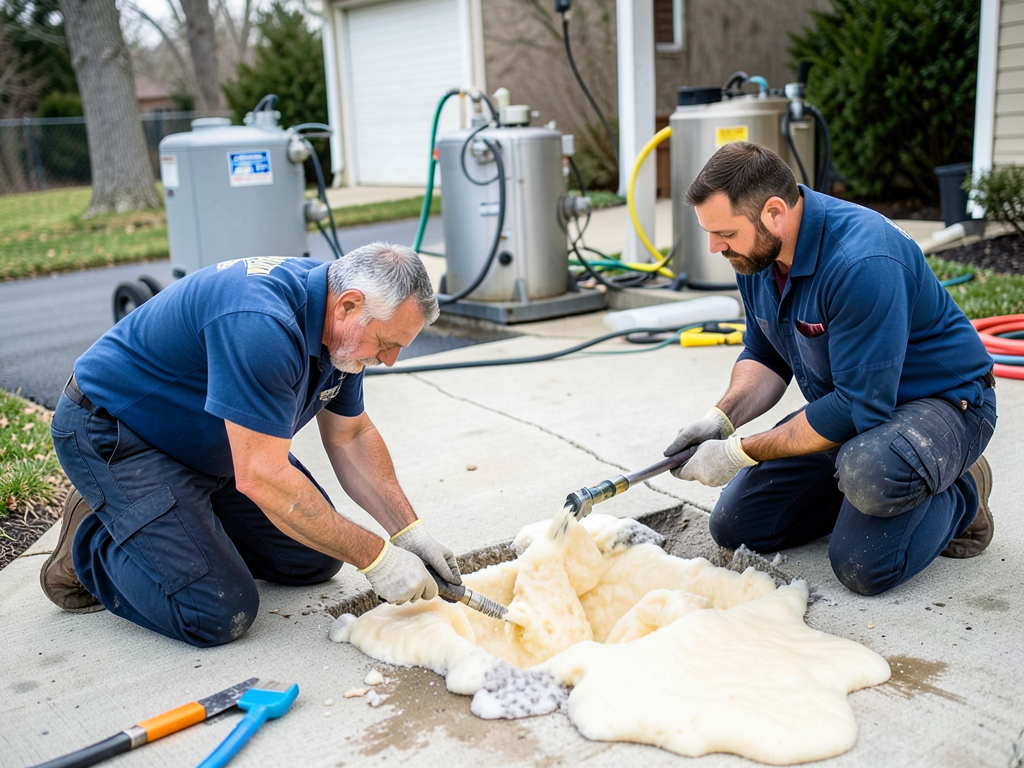
What Happens When a Water Main Break Erodes the Soil Under Your Mason City Driveway When a water main breaks beneath your Mason City driveway the damage happens fast. High-pressure water blasts through the soil…
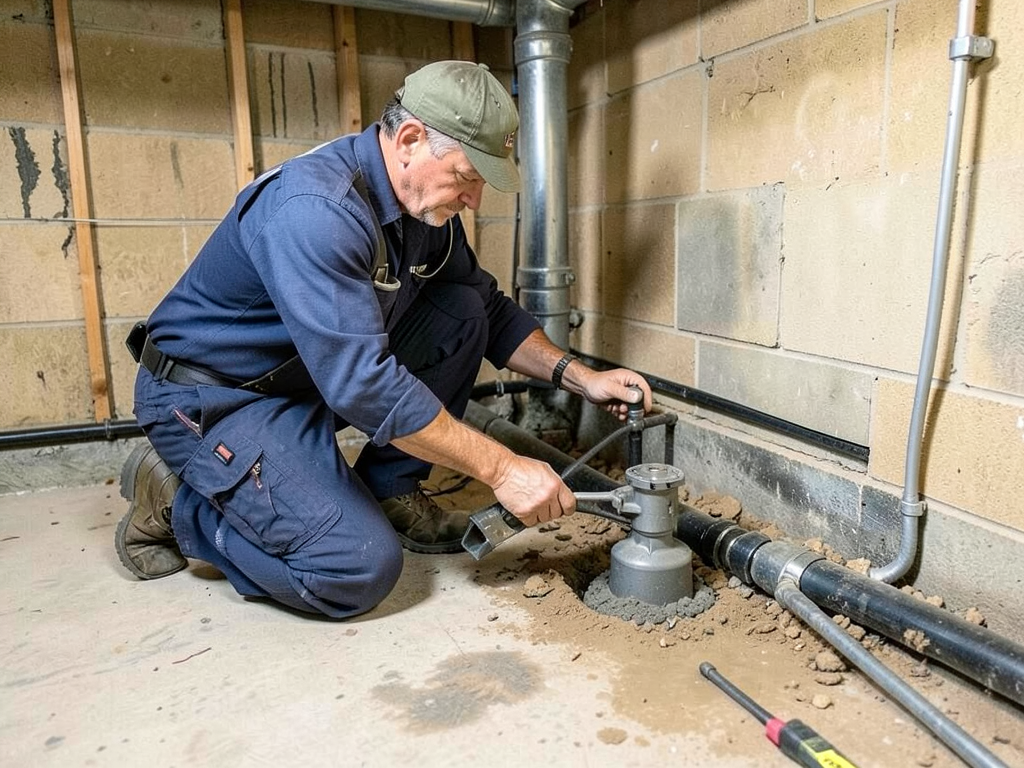
Comparing Interior vs Exterior Waterproofing for Your Central Park Basement Living in Central Park means…

Keeping Your Rising West Princeton Home Theater Dry and Mold Free Birmingham’s humid subtropical climate…
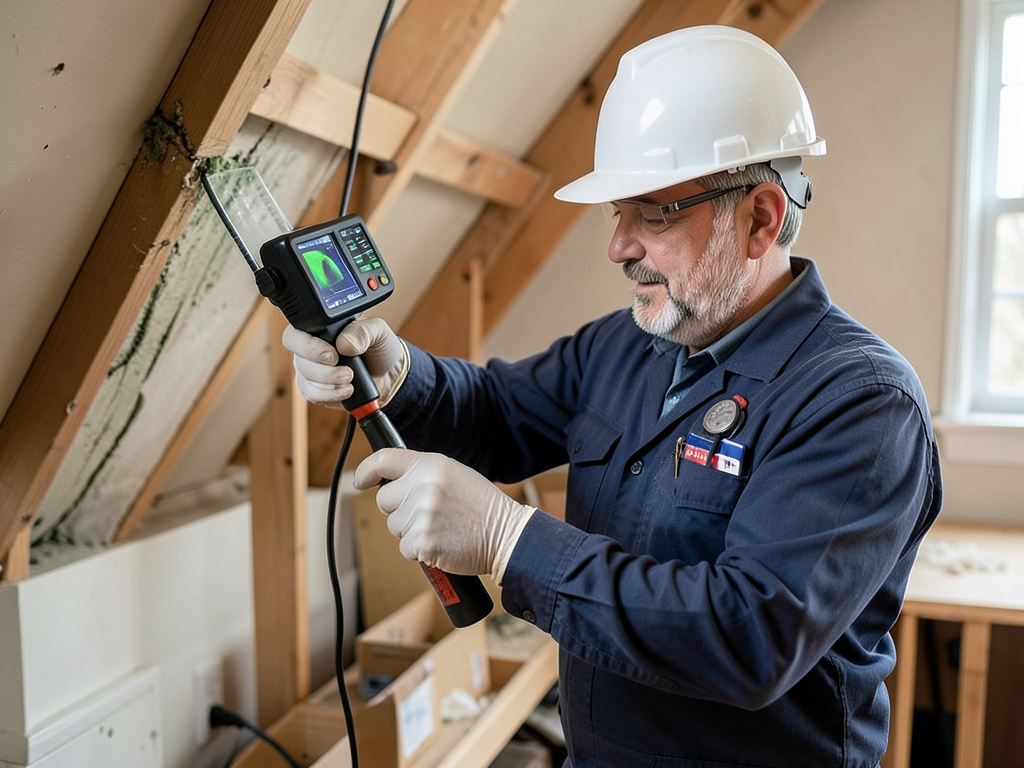
How High Humidity and Birmingham Pollen Create the Perfect Storm for Attic Mold in Airport…
Every hour matters when water invades your property. Grand Water Damage Restoration Birmingham responds immediately with the equipment and expertise to stop damage and restore your Homewood property completely. Call us now at (659) 234-8188 for emergency water extraction and restoration services.