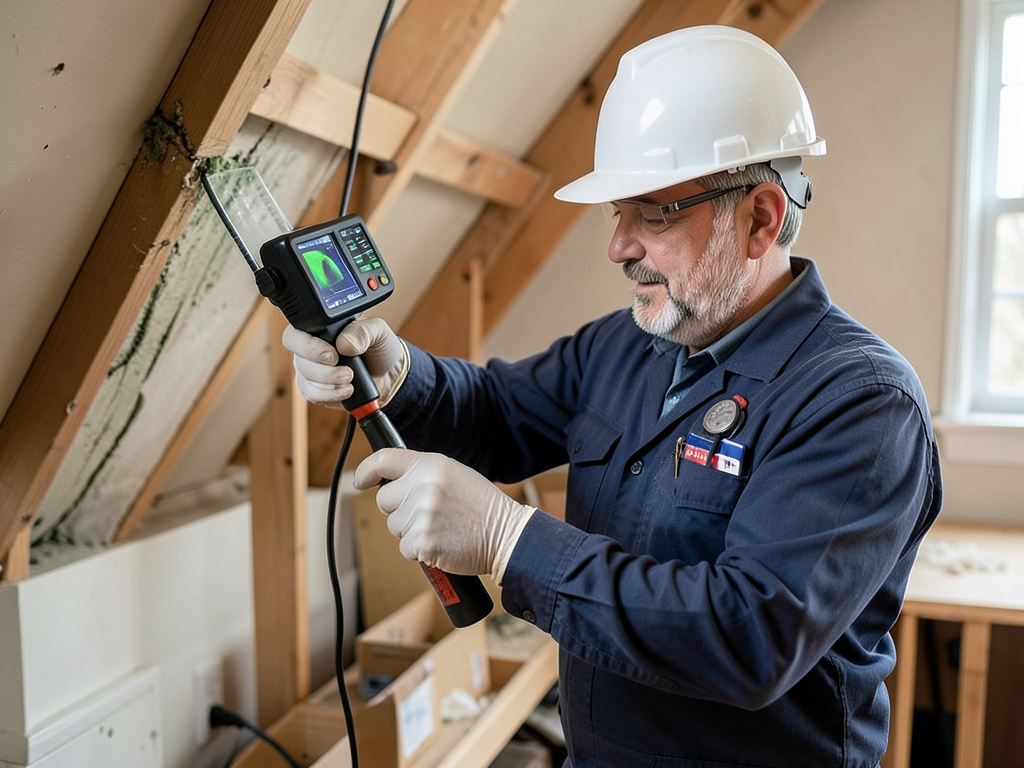

Birmingham's average humidity stays above 65% year-round, with summer peaks reaching 75% to 80%. This moisture-saturated air accelerates every form of post-fire degradation. Soot residue becomes sticky and penetrates deeper into porous surfaces. Metal components corrode within days instead of weeks. Mold colonizes water-damaged materials in under 48 hours. The acidic compounds in smoke residue become more corrosive in humid conditions, etching glass and permanently staining surfaces if not neutralized quickly. Your post-fire safety steps must account for this accelerated damage timeline. What might be a three-day window in arid climates becomes a 24-hour critical period in Birmingham. Professional fire recovery safety protocols include aggressive dehumidification as standard procedure, not optional enhancement.
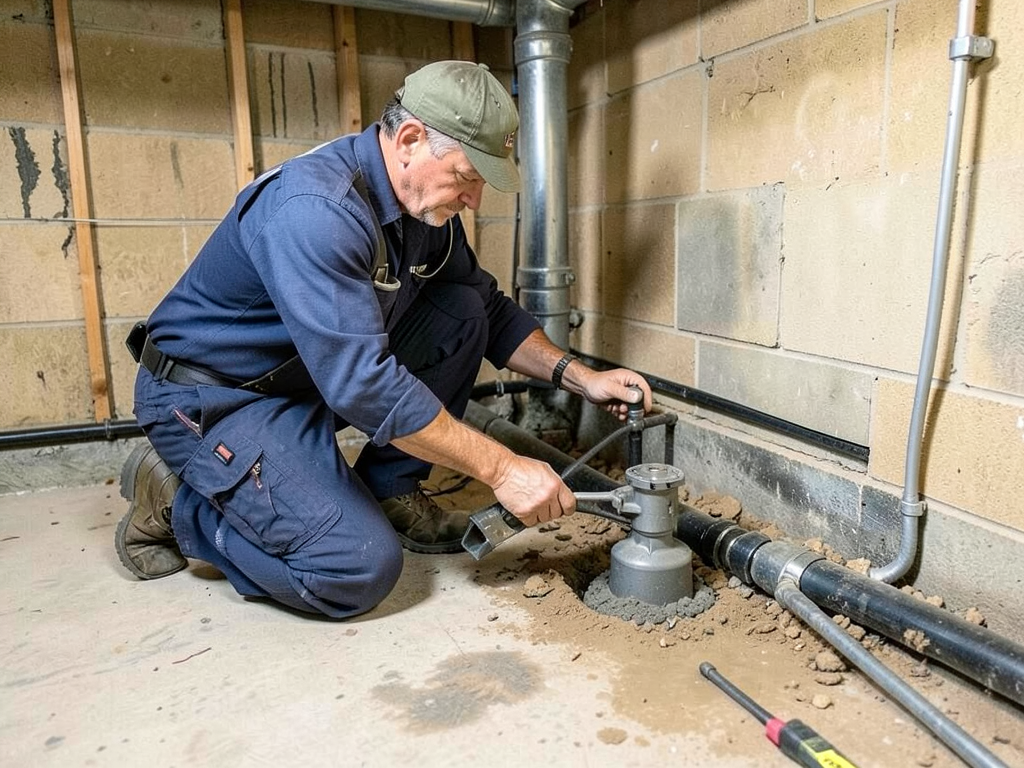
Birmingham's mix of historic and modern construction requires assessment expertise that recognizes different building methods. Homes in Redmont Park feature balloon framing that creates vertical fire spread paths different from platform framing in newer subdivisions. Properties near Red Mountain have basement configurations uncommon in other Birmingham areas. Local building codes governing fire-damaged structure repairs follow Alabama state requirements with Jefferson County amendments. Our technicians understand these regional variations and work with city inspectors who enforce specific standards for occupancy certificates after fire damage. This local knowledge prevents code violations that delay recovery and ensures your post-fire hazard checklist addresses requirements specific to Birmingham properties.