Menu

High Indoor Humidity Levels in Birmingham – Expert Diagnosis and Permanent Solutions for Moisture Problems

Grand Water Damage Restoration Birmingham identifies the root cause of elevated home humidity and excessive indoor moisture, then implements targeted solutions that protect your property and health from ongoing damage.

Slider Image 1
Slider Image 2
Slider Image 3
Slider Image 4
Slider Image 5
Slider Image 7
Slider Image 8
Slider Image 9
Slider Image 10
Slider Image 11

Why Birmingham Homes Battle Persistent Indoor Humidity Issues

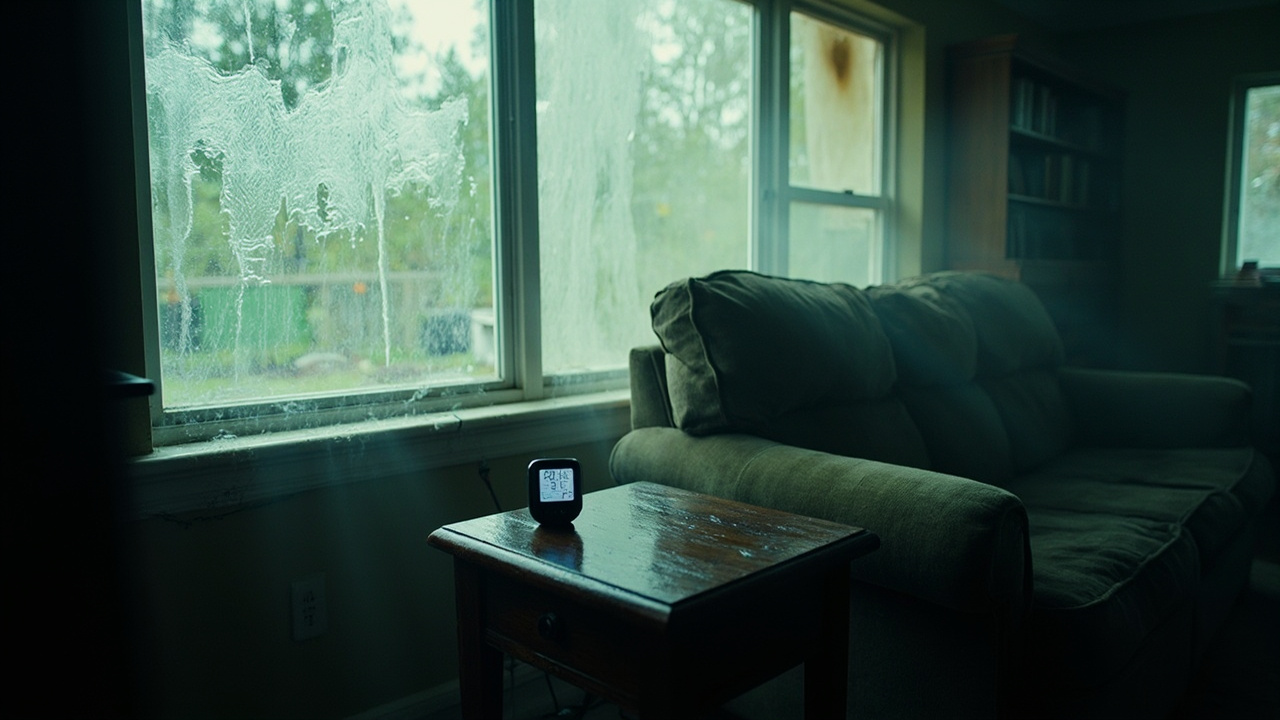
You notice condensation on your windows every morning. Your basement smells musty. The air feels thick and uncomfortable even when the AC runs constantly. These are signs of elevated home humidity that Birmingham residents face more than most.

Birmingham sits in a humid subtropical climate zone where outdoor relative humidity regularly exceeds 70 percent from May through September. When that moisture infiltrates your home through poor ventilation, foundation cracks, or inadequate vapor barriers, it creates excess humidity in house conditions that damage materials and threaten health.

The clay soil throughout Jefferson County compounds the problem. Red clay retains water and expands, creating hydrostatic pressure against basement walls and foundation slabs. This pressure forces groundwater vapor through concrete pores and foundation joints, adding to indoor moisture problems year-round.

Older homes in neighborhoods like Forest Park, Crestwood, and Mountain Brook were built before modern building codes required proper vapor barriers and mechanical ventilation. These homes trap humid air with nowhere to escape. Newer construction in Hoover and Vestavia Hills sometimes suffers from overly tight building envelopes without adequate fresh air exchange, creating different but equally serious excessive indoor moisture conditions.

High relative humidity indoors does real damage. It feeds mold growth within 24 to 48 hours of exposure. It warps hardwood floors, delaminates plywood, and causes paint to peel. It corrodes HVAC components and electrical connections. Most important, it creates respiratory irritants and allergens that affect your family daily.

Understanding the source of your humidity problem requires more than a hygrometer reading. It demands knowledge of Birmingham's specific climate challenges, local construction methods, and the interaction between your home's systems and the environment.

Why Birmingham Homes Battle Persistent Indoor Humidity Issues
How We Solve Indoor Humidity Problems Permanently

How We Solve Indoor Humidity Problems Permanently

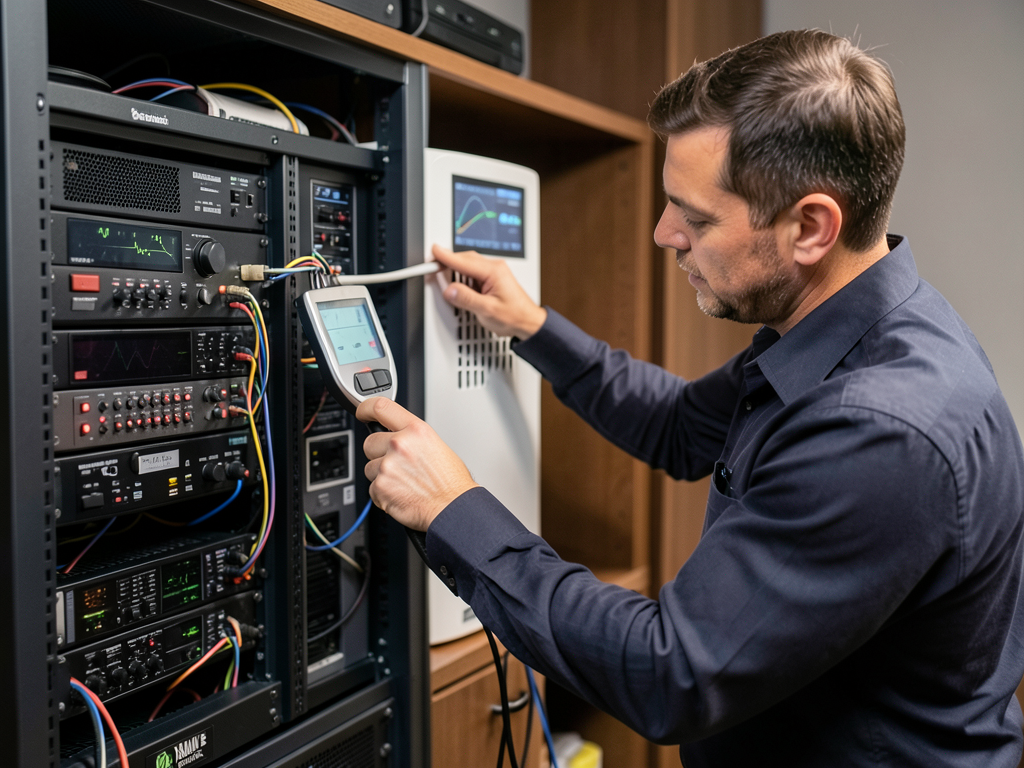
Fixing elevated home humidity requires diagnostic precision, not guesswork. Grand Water Damage Restoration Birmingham uses calibrated thermo-hygrometers to measure relative humidity levels in every room and zone of your home. We document readings at multiple heights because warm, humid air stratifies differently than cool air.

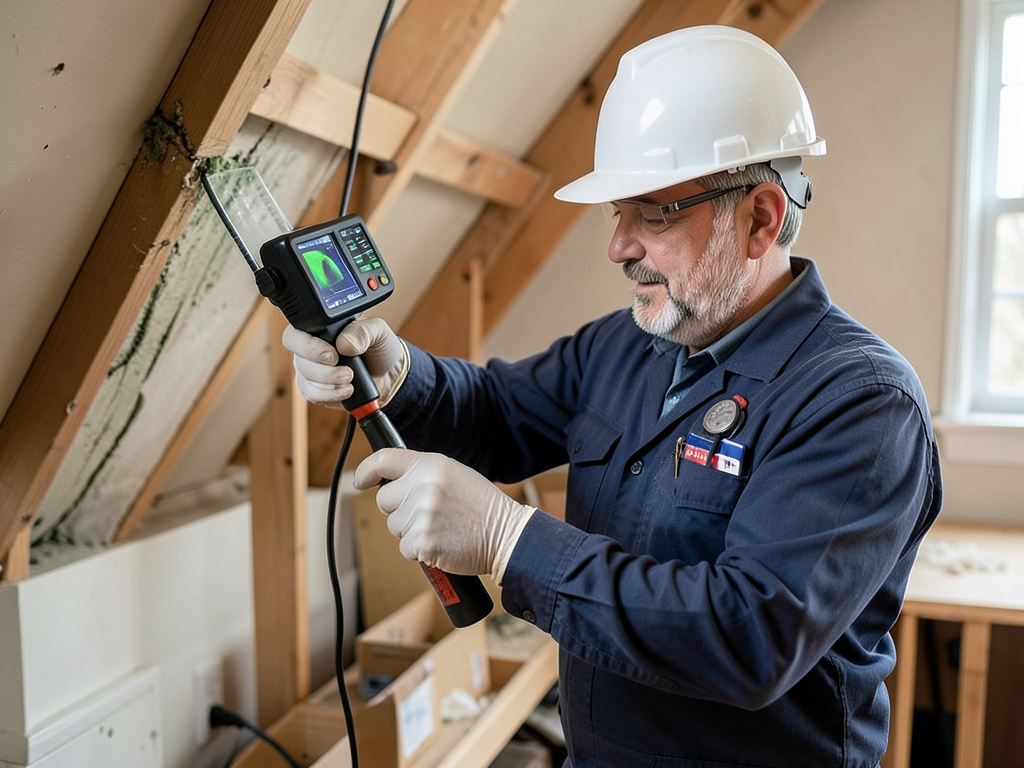
We perform blower door tests to measure air infiltration rates and identify where outdoor humidity enters your home. We use thermal imaging cameras to locate hidden moisture intrusion points in walls, ceilings, and floors that standard inspections miss. These tools reveal the difference between humidity caused by poor ventilation versus active water intrusion from plumbing leaks or foundation issues.

Your crawlspace or basement gets special attention. We measure soil moisture levels, check for groundwater seepage, and inspect vapor barriers for gaps or damage. Most excess humidity in house problems originate below the main living space, where moisture wicks upward through the stack effect.

We evaluate your HVAC system capacity and ductwork integrity. An oversized AC unit short cycles without removing humidity effectively. Leaky return ducts pull humid air from attics or crawlspaces directly into your living space. We measure supply and return temperatures to calculate your system's actual dehumidification capacity.

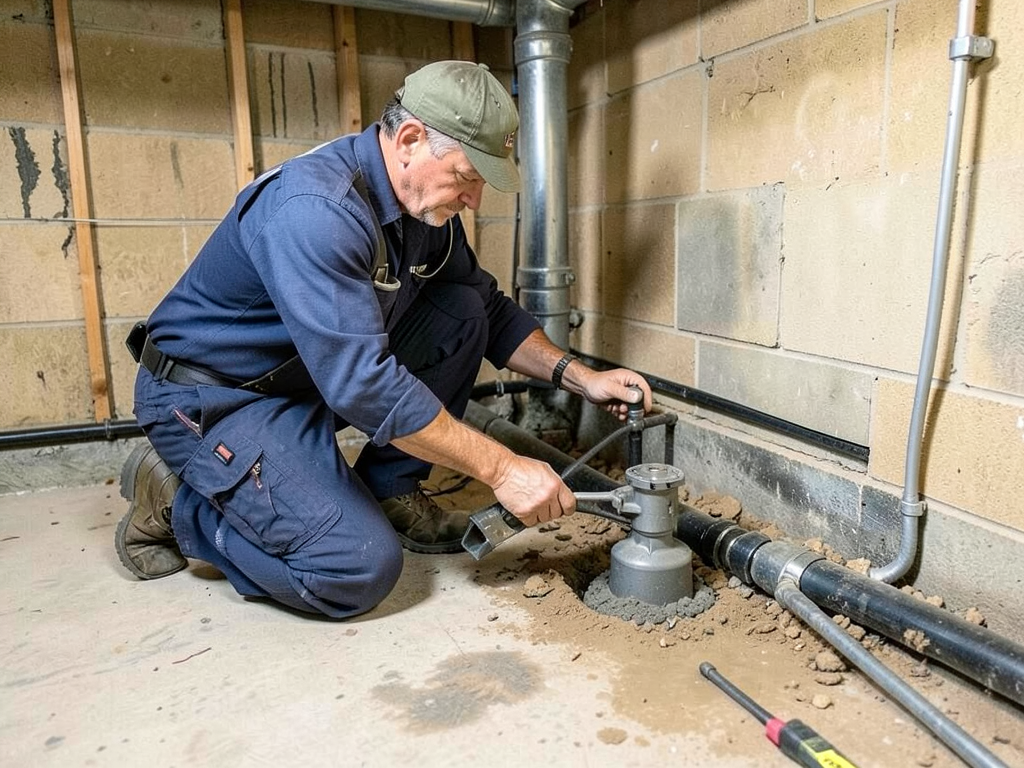
After diagnosis, we implement solutions matched to your specific moisture sources. This might include encapsulating your crawlspace with reinforced vapor barriers, installing dedicated dehumidification systems sized for your cubic footage, sealing foundation cracks with hydraulic cement or epoxy injection, adding mechanical ventilation with heat recovery, or correcting negative air pressure conditions.

We verify results with post-remediation humidity monitoring over multiple days. Your indoor relative humidity should stabilize between 30 and 50 percent year-round. Anything outside that range indicates incomplete remediation or new moisture sources requiring attention.

What Happens During Your Humidity Assessment

High Indoor Humidity Levels in Birmingham – Expert Diagnosis and Permanent Solutions for Moisture Problems
01

Comprehensive Moisture Mapping

We measure humidity levels, temperature, and dew points in every room and concealed space in your home. Our technicians document readings on floor surfaces, wall cavities, attics, and crawlspaces to identify moisture gradients and infiltration patterns. This mapping reveals whether your excessive indoor moisture originates from groundwater, poor ventilation, plumbing leaks, or HVAC inadequacy. We also inspect building materials for water staining, efflorescence, and mold growth that indicate chronic moisture exposure.
02

Source Identification and Testing

Using thermal imaging and moisture meters, we locate active water intrusion points invisible to standard inspection. We test your HVAC system's dehumidification capacity by measuring temperature drops and runtime cycles. We perform pressure diagnostics to identify air leakage paths where humid outdoor air enters your home. For crawlspaces and basements, we check groundwater levels, inspect drainage systems, and evaluate existing vapor barriers. This phase determines the root cause of your high relative humidity indoors, not just the symptoms.
03

Solution Implementation and Verification

Based on diagnostic findings, we install appropriate humidity control systems such as crawlspace encapsulation, supplemental dehumidifiers, improved ventilation, or foundation waterproofing. We seal air leakage points and correct HVAC deficiencies contributing to indoor moisture problems. After completion, we place data-logging hygrometers to monitor humidity levels over 72 hours, confirming your home maintains healthy relative humidity between 30 and 50 percent. You receive a detailed report showing before and after readings with maintenance recommendations to prevent future issues.

Why Birmingham Homeowners Trust Our Humidity Solutions

Grand Water Damage Restoration Birmingham built its reputation solving the specific moisture challenges that Birmingham's climate and geology create. We understand how Red Mountain's elevation affects moisture patterns differently than homes in low-lying areas near Valley Creek or the Cahaba River. We know which neighborhoods have recurring groundwater issues and which suffer from poor original construction techniques.

Birmingham adopted updated building codes in recent years addressing vapor barriers and ventilation requirements, but thousands of homes predate these standards. We work within the constraints of older construction without compromising effectiveness. When we encapsulate a crawlspace in a 1960s ranch home, we account for fieldstone foundations and inadequate perimeter drainage common to that era.

Our technicians receive ongoing training in building science, psychrometrics, and moisture dynamics. They understand the relationship between temperature, relative humidity, and dew point. They know that lowering air temperature without removing moisture just shifts where condensation occurs. This knowledge separates effective humidity control from temporary fixes that fail within months.

We use commercial-grade equipment calibrated to ANSI and ASTM standards. Our thermo-hygrometers measure within plus or minus 2 percent accuracy. Our moisture meters distinguish between surface condensation and material saturation. Our thermal cameras detect temperature differentials as small as 0.1 degrees Fahrenheit, revealing moisture intrusion other contractors miss entirely.

You receive documentation of every measurement and finding. Our reports include thermal images, humidity readings, and specific recommendations prioritized by impact and urgency. If your elevated home humidity stems from multiple sources, we explain which issues require immediate attention and which can be addressed over time.

We also coordinate with your insurance carrier when humidity problems result from covered water damage events. We provide detailed moisture mapping and material damage assessments that support claims and prevent disputes over causation or extent of loss.

What to Expect from Our Humidity Control Service

Rapid Assessment Scheduling

We schedule initial humidity assessments within 24 to 48 hours of your call. Most diagnostic visits take two to four hours depending on your home's size and complexity. You receive preliminary findings the same day with a detailed written report within 24 hours. For urgent situations where high indoor humidity levels have caused visible mold growth or material damage, we can dispatch technicians for same-day emergency assessment. Our diagnostic equipment travels with every truck, so we complete testing during the first visit without requiring follow-up appointments for measurements.

Thorough Diagnostic Process

Your assessment begins with a detailed interview about when you first noticed humidity issues, which areas feel most humid, and whether problems worsen during specific weather conditions or seasons. We inspect your entire home including attics, crawlspaces, basements, and mechanical rooms. We document humidity readings, measure HVAC performance, check ductwork integrity, and test for air leakage. We take thermal images of exterior walls, rim joists, and foundation areas where moisture typically infiltrates. You stay informed throughout the process as we explain findings in real time and answer questions about what specific readings mean for your home.

Measurable Humidity Reduction

Effective humidity control produces specific, measurable results. Your indoor relative humidity drops to the 30 to 50 percent range and stays there regardless of outdoor conditions. Condensation on windows stops. Musty odors disappear as moisture sources are eliminated. Materials that showed water staining or mold growth dry completely and remain dry. HVAC systems run more efficiently because they are not fighting constant moisture infiltration. You notice improved comfort as sticky, heavy air gives way to properly conditioned indoor environments. We verify these results with post-installation monitoring that documents sustained humidity control over time.

Ongoing Monitoring Guidance

After we resolve your excess humidity in house problems, we provide guidance on maintaining proper moisture levels long term. You receive recommendations for affordable hygrometers to monitor humidity yourself. We explain seasonal adjustments for dehumidifier settings as outdoor conditions change. We identify warning signs that indicate new moisture sources developing, such as sudden humidity spikes or condensation in previously dry areas. For comprehensive solutions like crawlspace encapsulation, we recommend annual inspections to check vapor barrier integrity, drainage function, and dehumidifier operation. Most humidity control systems require minimal maintenance, but early detection of new issues prevents small problems from becoming major moisture disasters.

Frequently Asked Questions

You Have Questions,
We Have Answers

Why is my house 75% humidity? +

Your house hits 75% humidity because moisture sources overwhelm your ventilation and climate control. Common culprits in Birmingham include poor attic ventilation trapping hot humid air, undersized or failing HVAC systems, leaking plumbing, wet crawl spaces, or simply cooking and showering without exhaust fans. The clay soil around Birmingham holds water near your foundation, which can wick moisture into basements and crawl spaces. Check your gutters, downspouts, and grading first. Then inspect your HVAC system and ensure bathroom and kitchen fans vent outside, not into your attic. High humidity damages your home and breeds mold.

What happens if indoor humidity is too high? +

High indoor humidity warps wood floors, peels paint, and rusts metal fixtures. You will see condensation on windows and mirrors. The real danger is mold growth, which starts within 24 to 48 hours on damp surfaces. Mold releases spores that trigger allergies, asthma attacks, and respiratory infections. Dust mites thrive above 60% humidity, worsening allergic reactions. Your HVAC system works harder and costs more to cool the sticky air. Insulation loses effectiveness when wet. Birmingham homes with crawl spaces face structural wood rot if humidity stays elevated. Address the moisture source immediately to prevent permanent damage.

Is 70% humidity too high for a house? +

Yes, 70% humidity is too high for any house. The safe indoor range is 30% to 50%. At 70%, mold spores germinate on walls, ceilings, and inside ductwork. You will smell mustiness. Wood swells, causing doors to stick and floors to buckle. Birmingham's summer climate already pushes outdoor humidity above 70%, so your HVAC and dehumidification must compensate. Prolonged exposure to 70% indoor humidity causes respiratory issues and aggravates asthma. Your cooling costs spike because humid air feels hotter. Install a hygrometer to monitor levels, then address ventilation, HVAC capacity, and moisture intrusion from your crawl space or foundation.

Can humidity cause nausea? +

Yes, high humidity can cause nausea and headaches. When indoor humidity exceeds 60%, your body struggles to cool itself through sweat evaporation. This leads to heat exhaustion symptoms like dizziness, nausea, fatigue, and weakness. Mold spores thriving in humid environments release mycotoxins that trigger nausea, brain fog, and flu-like symptoms in sensitive individuals. Poor indoor air quality from trapped moisture and off-gassing materials compounds the problem. Birmingham residents in older homes with poor ventilation report these symptoms frequently during summer months. If you feel sick only at home, test your humidity levels and inspect for hidden mold growth behind walls or in crawl spaces.

How do you fix high humidity in your house? +

Fix high humidity by controlling moisture sources and improving ventilation. Run exhaust fans during showers and cooking, venting them outside. Service your HVAC system to ensure proper sizing and function. Replace clogged air filters monthly. Seal crawl spaces with vapor barriers and ensure gutters drain water away from your foundation. Birmingham's clay soil requires proper grading to prevent pooling. Install a whole-home dehumidifier if your HVAC cannot maintain 30% to 50% humidity. Fix plumbing leaks immediately. Avoid overwatering indoor plants. During humid summer months, keep windows closed and let your air conditioner remove moisture. Address attic ventilation to prevent heat and moisture buildup.

Does opening a window reduce humidity? +

Opening windows in Birmingham usually increases indoor humidity during summer months when outdoor humidity exceeds 70%. This worsens your problem. Windows help only when outdoor humidity is lower than indoor levels, typically during cooler mornings in spring and fall. Cross-ventilation can flush out stale air, but it will not remove moisture if outside air is saturated. Your air conditioner removes humidity as it cools, so closing windows and running your HVAC is more effective. If you lack air conditioning, strategic window placement with box fans can create airflow, but this works only when outdoor conditions cooperate. Monitor humidity with a hygrometer before opening windows.

What is an unsafe indoor humidity level? +

Indoor humidity above 60% is unsafe. Mold begins growing at this level. Above 70%, you face rapid mold colonization, structural wood rot, and serious health risks including respiratory infections and asthma attacks. Levels above 80% create a breeding ground for bacteria and viruses. Your home suffers accelerated deterioration. Birmingham homes with inadequate ventilation or failing HVAC systems routinely hit these dangerous levels during July and August. Below 30% humidity is also problematic, causing dry skin, static electricity, and cracked woodwork, but this rarely occurs here. Maintain 30% to 50% year-round. Install a hygrometer in your main living area to track levels accurately.

Do dehumidifiers really work for humidity? +

Yes, dehumidifiers work by pulling moisture from the air and collecting it in a reservoir or drain line. Portable units handle single rooms, while whole-home dehumidifiers integrate with your HVAC system to treat your entire house. They are effective in Birmingham basements, crawl spaces, and homes where HVAC systems cannot keep up with summer humidity. Choose a unit sized for your square footage. Empty portable units daily or connect a drain hose. Whole-home systems require professional installation but provide consistent control. Dehumidifiers lower humidity to 30% to 50%, preventing mold growth and improving comfort. They work best when combined with proper ventilation and moisture source elimination.

Can you get sick if your house is too humid? +

Yes, you can get sick from high household humidity. Mold spores cause allergic reactions, asthma flare-ups, sinus infections, and chronic coughing. Dust mites multiply rapidly above 60% humidity, triggering allergies and skin rashes. Bacteria and viruses survive longer in moist air, increasing infection risk. Prolonged exposure to damp indoor environments causes respiratory illnesses and weakens your immune system. Birmingham residents in humid homes report chronic fatigue, headaches, and difficulty concentrating due to poor indoor air quality. Children and people with existing respiratory conditions face the highest risk. If symptoms improve when you leave home, high humidity and mold are likely culprits. Test and remediate immediately.

Will mold grow at 70 humidity? +

Yes, mold grows at 70% humidity. Mold spores need only moisture, oxygen, and organic material to colonize. At 70%, spores germinate within 24 to 48 hours on drywall, wood, carpet, and ceiling tiles. You will see black spots on bathroom ceilings, fuzzy growth on basement walls, and smell musty odors. Birmingham homes with poor ventilation and crawl space moisture face aggressive mold growth during summer. Some species produce mycotoxins that cause serious health problems. Once established, mold spreads rapidly through your HVAC ducts.降低 humidity below 60% immediately to stop growth. Remove visible mold and fix the moisture source to prevent recurrence.

How Birmingham's Clay Soil and Humidity Create Year-Round Indoor Moisture Challenges

Birmingham's humid subtropical climate combines with expansive clay soil to create persistent indoor moisture problems that other regions rarely experience. Summer relative humidity regularly exceeds 70 percent outdoors, creating constant infiltration pressure on building envelopes. The red clay soil throughout Jefferson County absorbs water during rain events, then releases moisture vapor through capillary action for weeks afterward. This soil moisture creates hydrostatic pressure against foundation walls and forces water vapor upward through concrete slabs via wicking. Homes built before 1990 often lack adequate vapor barriers beneath slabs or in crawlspaces, allowing this ground moisture direct access to indoor air. The result is elevated home humidity that persists regardless of outdoor weather conditions.

Grand Water Damage Restoration Birmingham has resolved indoor moisture problems throughout the metro area for years, from historic homes in Highlands and Avondale to newer construction in Trussville and Pelham. We understand how Birmingham's specific building practices and environmental conditions create humidity challenges requiring local expertise. Our technicians recognize the difference between moisture issues in homes built on Red Mountain's slopes versus those in low-lying areas near the Cahaba River floodplain. This local knowledge ensures we identify moisture sources accurately and implement solutions that work long term in Birmingham's unique climate and soil conditions. Generic humidity fixes fail here because they ignore the environmental factors that make Birmingham different.
Water Damage Restoration Services in The Birmingham Area

Grand Water Damage Restoration is proud to serve the entire Birmingham area. Our convenient location ensures we can respond to your emergency needs with speed and efficiency. Whether you're a homeowner or business owner, we’re ready to bring our expertise directly to you. View our service area on the map to see how we can provide prompt, professional assistance and restore your property quickly and effectively.

Address:
Grand Water Damage Restoration Birmingham, 401 7th St N, Birmingham, AL, 35203

Additional Services We Offer

Our news updates

Latest Articles & News from The Blogs

Comparing Interior vs Exterior Waterproofing for Your Central Park Basement Living in Central Park means dealing with Birmingham’s heavy rainfall…

Comparing Interior vs Exterior Waterproofing for Your Central Park Basement

Comparing Interior vs Exterior Waterproofing for Your Central Park Basement Living in Central Park means dealing with Birmingham’s heavy rainfall…

Keeping Your Rising West Princeton Home Theater Dry and Mold Free

Keeping Your Rising West Princeton Home Theater Dry and Mold Free Birmingham’s humid subtropical climate creates unique challenges for home…

How High Humidity and Birmingham Pollen Create the Perfect Storm for Attic Mold in Airport Highlands

How High Humidity and Birmingham Pollen Create the Perfect Storm for Attic Mold in Airport Highlands Airport Highlands homeowners face…

Contact Us

High indoor humidity levels damage your home and affect your health daily. Grand Water Damage Restoration Birmingham identifies the source and implements permanent solutions. Call (659) 234-8188 now to schedule your comprehensive humidity assessment and start breathing easier.