


Trussville sits in the humid subtropical zone where summer humidity regularly exceeds 70 percent and average annual rainfall hits 54 inches. When water breaches your home from burst pipes, roof leaks, or appliance failures, that moisture does not evaporate naturally. It migrates into drywall, insulation, and subfloors within hours. The clay-heavy soil throughout neighborhoods like Cahaba Park and Stockton creates drainage issues that compound foundation seepage and crawl space flooding during heavy rain events. Homes built on slabs near Turkey Creek face hydrostatic pressure that forces groundwater through concrete cracks during sustained storms. The combination of high ambient moisture and poor natural drainage means water damage that starts small on Monday becomes a mold remediation project by Thursday. Birmingham's building codes require proper vapor barriers and drainage systems, but older homes in areas near Deerfoot Parkway often lack modern waterproofing standards. Time is the enemy. The longer water sits in contact with building materials, the more categories of damage you face, from clean water extraction to contaminated water cleanup requiring antimicrobial treatment and full material removal.
We built our reputation in Jefferson County by doing one thing right every time: responding fast, extracting completely, and drying to IICRC standards verified by moisture meters, not guesswork. Grand Water Damage Restoration Birmingham operates with Institute of Inspection, Cleaning and Restoration Certification trained technicians who follow S500 Water Damage Restoration standards on every job. That means documenting moisture readings at extraction, during drying, and at project completion so your insurance adjuster sees verified proof of proper mitigation. We do not subcontract the work. Our crews handle water removal, structural drying, dehumidification, and content pack-outs with our own equipment and personnel. When a pipe bursts in your Cahaba Heights home at 2 AM, you call one number and get one team that handles the entire scope from emergency extraction through final clearance testing. We coordinate directly with your insurance carrier, provide detailed photo documentation at every phase, and explain the claim process in plain language instead of industry jargon. Most restoration companies operate as general contractors who hire day laborers for the physical work. We employ full-time restoration techs who train continuously on thermal imaging, psychrometric calculations, and antimicrobial application protocols. You get experienced personnel who know the difference between surface drying and structural drying, and why that difference determines whether you have a mold problem six weeks later.

We dispatch crews to Trussville locations within one hour of your call, 24 hours a day. Our response vehicles carry truck-mounted extraction units, commercial dehumidifiers, and air movers so we start mitigation immediately instead of scheduling a follow-up visit. Fast response stops secondary damage before it doubles your claim.

Every technician on our crew holds current Water Damage Restoration certification through the IICRC. We follow S500 standards for psychrometric drying, antimicrobial treatment, and controlled demolition. Your insurance adjuster recognizes our documentation because we use the same moisture mapping and drying protocols they require for claim approval.
We communicate directly with your insurance carrier and provide the documentation they need: moisture readings, thermal imaging, scope of work, and daily progress photos. You do not translate between the restoration company and the adjuster. We speak their language and provide claim-ready estimates using Xactimate software that matches their pricing databases.
We know the construction types across Trussville, from crawl space homes in older neighborhoods to slab foundations in newer developments near the Pinnacle. We understand how water behaves in local soil conditions and which homes face recurring drainage problems. That local knowledge means faster diagnosis and targeted solutions instead of generic treatment plans.
Water damage restoration involves three distinct phases, each requiring different equipment, expertise, and timing. Grand Water Damage Restoration Birmingham provides the full spectrum from emergency water removal through final reconstruction in one continuous project. We do not hand you off to different contractors at each phase. Our crews handle water extraction, structural drying, mold remediation when needed, and rebuild services under one roof. That continuity means no delays waiting for the next contractor to start, no miscommunication about what work was already completed, and one point of contact who knows your property from day one. We categorize water damage by contamination level and adjust our cleanup protocols accordingly. Clean water from supply line breaks requires different treatment than gray water from appliance overflows or black water from sewage backups. Our technicians assess the water category on arrival, implement the appropriate containment and extraction methods, and document everything for insurance purposes. The goal is always the same: return your property to pre-loss condition as quickly as safety and proper drying science allow.
We respond to emergency calls across Trussville within 60 minutes with truck-mounted extraction units that remove standing water faster than portable pumps. Our crews contain the affected area, extract water from carpets and pad, pull wet baseboards to access wall cavities, and set up air movers and dehumidifiers to begin structural drying immediately. We handle burst pipes, water heater failures, appliance overflows, roof leaks, and storm flooding with the same urgency. Fast extraction prevents secondary damage to subfloors, framing, and personal property.
Proper structural drying requires psychrometric monitoring, not calendar days. We measure moisture content in affected materials using penetrating and non-invasive meters, then calculate the drying equipment needed based on cubic footage, temperature, and humidity levels. Our technicians visit daily to record moisture readings and adjust equipment placement as materials dry. We do not remove equipment based on a three-day standard. We dry until moisture meters confirm all affected materials have returned to normal levels, then document final readings for insurance verification.
When water damage requires removing drywall, flooring, or cabinetry, we handle the controlled demolition and complete reconstruction in one continuous project. Our crews remove only what moisture testing shows is unsalvageable, dry the structure completely, then rebuild with matching materials and finishes. You get new drywall, paint, flooring, trim, and fixtures installed by the same company that performed the water extraction. One contract, one timeline, one warranty covering the entire restoration from emergency response through final walkthrough.
Trussville homes face predictable water intrusion patterns based on local climate, soil conditions, and construction types. Spring storms dump heavy rainfall that overwhelms gutters and saturates clay soil around foundations. Summer humidity keeps crawl spaces damp and creates condensation on cold water pipes and HVAC ducts. Winter freeze events burst exposed pipes in attics and crawl spaces when temperatures drop below 20 degrees for sustained periods. Older homes in established neighborhoods often have original plumbing that corrodes from the inside, creating pinhole leaks that spray water inside wall cavities for weeks before showing visible damage. Newer construction near the Pinnacle and Tutwiler Farm sometimes has improperly installed appliance supply lines or defective fixtures that fail within the first five years. The water problems change based on season and home age, but the need for immediate professional response stays constant. Waiting to see if wet carpet dries on its own or if a small ceiling stain stops growing turns minor extraction jobs into major mold remediation projects.
When overnight temperatures hit the teens, exposed pipes in attics and crawl spaces freeze and rupture. The damage does not appear until the pipe thaws and starts spraying water inside wall cavities or ceiling spaces. We get multiple calls from Trussville neighborhoods every January when hard freezes hit. Prevention means insulating exposed pipes before winter arrives.
Clay soil drains poorly, so heavy rain saturates the ground around foundations and forces water through cracks, cold joints, and unsealed penetrations. Crawl space homes near Turkey Creek face recurring moisture problems after spring storms. We install vapor barriers, sump pumps, and perimeter drainage systems to address chronic foundation water intrusion that standard extraction cannot fix.
Missing shingles, failed flashing around chimneys, and clogged gutters allow rainwater into attic spaces where it saturates insulation and drips onto ceilings. Small leaks create brown stains that grow larger with each rain event. We remove wet insulation, dry the framing, treat for mold if present, then coordinate roof repairs before replacing damaged ceilings.
Water heaters rust through at the bottom and dump 40 gallons across floors. Washing machine hoses burst and flood laundry rooms. Refrigerator ice maker lines crack and leak inside wall cavities for weeks. Dishwasher supply lines fail and spray water under cabinets. These appliance failures happen without warning and require immediate water extraction to prevent subfloor damage.
You call (659) 234-8188 and speak immediately with a live person who asks specific questions about your water damage situation. We need to know the water source if you can identify it, how long water has been present, what materials are affected, and whether electricity is safe in the wet area. That information determines which equipment we load and how we approach the emergency. We dispatch a crew to your Trussville location within 60 minutes. When our technicians arrive, they assess the damage category, identify the moisture migration path, set up containment barriers if needed, and begin water extraction immediately. We do not schedule the work for tomorrow. We start mitigation on the first visit because every hour water sits in contact with your floors and walls adds secondary damage. You receive a detailed scope of work, moisture map, and timeline before we move past emergency extraction. We explain what equipment will run for how many days, what demolition might be necessary, and how we coordinate with your insurance company. The process is transparent from the first phone call through final clearance testing.
Our crews arrive within one hour carrying moisture meters, thermal imaging cameras, and extraction equipment. We identify the water source, stop it if possible, assess how far moisture has migrated, and classify the damage category based on contamination level. You get a detailed explanation of what we found, what needs to happen next, and realistic timeline for drying and restoration. We take photos and moisture readings that document the initial damage state for insurance purposes.
While drying equipment runs, our technicians visit daily to record moisture levels in floors, walls, and structural materials. We adjust air mover placement, empty dehumidifier tanks, and track drying progress on moisture maps. You receive text or call updates showing current readings compared to target levels. We do not guess when materials are dry. We measure until meters confirm moisture content has returned to normal range, then document final readings.
Once structural drying is verified complete, we move into reconstruction if demolition was required. Our crews install new drywall, flooring, baseboards, and paint to match existing finishes. You do not coordinate multiple contractors. We handle the entire project from water extraction through final walkthrough where you inspect completed work and sign off on restoration. Your property returns to pre-loss condition under one warranty covering all phases.
Water damage restoration follows a specific sequence based on IICRC S500 standards. We cannot skip steps or rush timelines because structural materials dry at measurable rates determined by physics, not convenience.
You call (659) 234-8188 and describe the water damage situation. We ask about water source, affected materials, and how long water has been present. Our dispatcher sends the nearest crew to your Trussville location with equipment selected based on your answers. We arrive within 60 minutes carrying truck-mounted extractors, air movers, dehumidifiers, and moisture detection tools. The clock starts immediately because fast response prevents secondary damage.
Our crew removes standing water using truck-mounted extraction units, pulls wet carpet padding, removes soaked baseboards to access wall cavities, and sets up air movers positioned to create proper airflow across wet surfaces. We place commercial dehumidifiers to remove moisture from the air and prevent it from reabsorbing into materials. Moisture meters establish baseline readings in all affected areas. We document everything with photos and detailed notes for insurance claims.
Technicians visit daily to record moisture levels, adjust equipment, and track drying progress. When moisture meters confirm all materials have reached dry standard, we remove equipment and begin reconstruction if needed. We replace drywall, install new flooring, paint, and restore your property to pre-loss condition. You receive documentation showing the complete project from initial damage through verified completion. One company handles the entire process under one contract.
The Institute of Inspection, Cleaning and Restoration Certification publishes the S500 Standard for Professional Water Damage Restoration, which defines proper procedures for water damage mitigation based on building science, not opinion. Grand Water Damage Restoration Birmingham follows S500 protocols because insurance companies, building inspectors, and indoor air quality professionals recognize IICRC standards as the industry benchmark for competent restoration work. Proper water damage restoration requires understanding psychrometrics, which is the study of air and moisture interaction. When water saturates building materials, it does not simply evaporate into the air on its own. The air in your home can only hold a specific amount of moisture at a given temperature. Once that air reaches saturation, evaporation stops and wet materials stay wet. Dehumidifiers remove moisture from the air, lowering the humidity level so materials can continue releasing trapped water. Air movers create airflow across wet surfaces, which speeds evaporation by constantly replacing saturated air with drier air. The combination of dehumidification and airflow creates the conditions necessary for structural drying. We measure this process daily using moisture meters that penetrate materials or scan surfaces without causing damage. Drywall, framing lumber, and subfloors all have specific moisture content ranges that define dry standard. We do not remove drying equipment based on how many days have passed. We dry until moisture readings confirm affected materials have returned to normal levels. That might take three days for surface water on tile floors or ten days for saturated oak subflooring. The timeline depends on material type, initial saturation level, and environmental conditions. Cutting corners on drying time saves a few days but guarantees mold growth within weeks. Proper restoration costs less than doing the job twice.
We use penetrating pin meters to measure moisture content inside materials and non-invasive scanners to detect moisture without creating holes. Every affected area gets documented on a moisture map showing initial readings, target dry standards, and daily progress measurements. Your insurance adjuster sees verified proof that we dried the structure completely, not assumptions based on calendar days.
Proper drying requires calculating the correct number of air movers and dehumidifiers based on affected square footage, ceiling height, initial moisture levels, and temperature. Too little equipment extends drying time and increases mold risk. We follow IICRC guidelines for equipment density, which means one air mover per 100 to 200 square feet of affected area depending on saturation level.
Clean water from supply lines requires extraction and drying. Gray water from appliances requires antimicrobial treatment after extraction. Black water from sewage backups requires removing all porous materials that contacted contaminated water, then disinfecting remaining surfaces. We classify water damage by category on arrival and adjust cleanup protocols to match contamination level. Insurance claims require proper categorization to approve scope.
We provide detailed photo documentation, moisture maps, equipment logs, and daily progress reports that insurance adjusters need to process claims efficiently. Our estimates use Xactimate software, which is the same pricing database most carriers use for claim valuation. Proper documentation prevents claim delays and ensures you receive full coverage for verified damage and necessary restoration work.
Professional explanation of water damage restoration services in Trussville Alabama. Grand Water Damage Restoration Birmingham demonstrates emergency water extraction procedures, IICRC certified structural drying protocols, moisture measurement techniques, and complete restoration processes. Video covers common water damage problems in Trussville including burst pipes, foundation seepage, roof leaks, and appliance failures, plus detailed information about proper drying timelines and insurance coordination.
Grand Water Damage Restoration Birmingham provides emergency water damage response throughout Trussville and neighboring areas across Jefferson County. We serve established neighborhoods near downtown Trussville including Cahaba Park, where mature trees and aging plumbing create unique water damage risks in homes built in the 1970s and 80s. The crawl space construction common throughout this area requires specialized drying techniques and vapor barrier installation to prevent recurring moisture problems. Our crews respond regularly to the residential areas surrounding Hewitt-Trussville High School, where a mix of older ranch homes and newer two-story construction means adapting our restoration approach based on building type and age. Water behaves differently in slab foundations common to newer developments compared to pier and beam construction found in older sections of town. We handle emergency calls from properties along Deerfoot Parkway and the commercial corridor near the Pinnacle shopping district, where water heater failures and roof leaks affect both residential and commercial structures. The newer subdivisions near Tutwiler Farm and Stockton feature modern construction with PEX plumbing and improved building codes, but appliance failures and HVAC condensate line problems still create water damage emergencies that require immediate professional response. Our service area extends into Clay and communities along Highway 11, where rural properties face different challenges including well water systems, septic fields, and greater distances from municipal water shutoffs. We maintain response coverage throughout the greater Trussville metro area because water damage does not respect city limits. Whether your property sits near Turkey Creek, along Chalkville Mountain Road, or in the residential areas surrounding the Trussville Springs development, our crews arrive within 60 minutes carrying the equipment needed to stop damage progression and begin structural drying immediately. Local knowledge matters in water damage restoration because understanding regional construction types, soil conditions, and climate patterns allows faster diagnosis and more effective treatment plans. We know which neighborhoods face recurring foundation seepage, which developments have problematic builder-grade plumbing, and which older areas need complete repiping to prevent future water damage. That experience means better outcomes for Trussville property owners who need restoration done right the first time.
Water damage restoration in Trussville typically takes 3 to 7 days for most residential properties. The timeline depends on the extent of damage, the affected materials, and how quickly you call for help. Small leaks in one room take 2 to 3 days. Extensive flooding affecting multiple rooms or floors takes up to 2 weeks. Drying alone requires 3 to 5 days. Restoration teams work in stages: water extraction, drying, cleaning, and repairs. Your technician provides a detailed timeline after the initial inspection.
Water damage restoration pricing in Trussville varies based on the damage severity, affected square footage, and required services. A minor leak affecting one room costs less than whole-house flooding. Factors affecting price include water category, structural damage, necessary equipment, and restoration duration. Most Trussville restoration companies offer free inspections and detailed estimates. Your insurance coverage significantly impacts your out-of-pocket expenses. Get written estimates from multiple local companies before making your decision. Request itemized quotes to understand what services you need.
Most Trussville homeowners insurance policies cover sudden and accidental water damage. Covered events include burst pipes, appliance malfunctions, and storm damage. Your policy typically excludes gradual leaks, poor maintenance, and flood damage from external sources. Flood damage requires separate flood insurance. Review your policy details or call your insurance agent to confirm coverage. Keep all receipts and documentation. Take photos of the damage before cleanup begins. Your restoration company helps document everything for your insurance claim.
Water damage restoration in Trussville typically takes 3 to 7 days for most residential properties. The timeline depends on the extent of damage, the affected materials, and how quickly you call for help. Small leaks in one room take 2 to 3 days. Extensive flooding affecting multiple rooms or floors takes up to 2 weeks. Drying alone requires 3 to 5 days. Restoration teams work in stages: water extraction, drying, cleaning, and repairs. Your technician provides a detailed timeline after the initial inspection.
Water damage restoration pricing in Trussville varies based on the damage severity, affected square footage, and required services. A minor leak affecting one room costs less than whole-house flooding. Factors affecting price include water category, structural damage, necessary equipment, and restoration duration. Most Trussville restoration companies offer free inspections and detailed estimates. Your insurance coverage significantly impacts your out-of-pocket expenses. Get written estimates from multiple local companies before making your decision. Request itemized quotes to understand what services you need.
Most Trussville homeowners insurance policies cover sudden and accidental water damage. Covered events include burst pipes, appliance malfunctions, and storm damage. Your policy typically excludes gradual leaks, poor maintenance, and flood damage from external sources. Flood damage requires separate flood insurance. Review your policy details or call your insurance agent to confirm coverage. Keep all receipts and documentation. Take photos of the damage before cleanup begins. Your restoration company helps document everything for your insurance claim.
You need emergency water damage restoration in Trussville when you experience burst pipes, sewage backups, storm flooding, or extensive leaks. Call immediately if water spreads rapidly, affects multiple rooms, or soaks into walls and ceilings. Sewage contamination requires immediate professional response. Water from washing machine floods, water heater failures, or roof leaks needs urgent attention. Any standing water deeper than one inch warrants emergency service. Quick response prevents mold growth, structural damage, and increased restoration expenses.
Whether you stay in your Trussville home during water damage restoration depends on the damage extent and location. Minor water damage in one room usually allows you to remain home. Extensive damage affecting multiple rooms, structural issues, or sewage contamination requires temporary relocation. You need to leave if your home lacks electricity, running water, or safe walkways. Strong odors, exposed electrical wiring, or active mold growth make staying unsafe. Your restoration technician advises you about safety and recommends relocation when necessary.
Water removal in Trussville is the first step of water damage restoration. Removal means extracting standing water using pumps and vacuums. Restoration includes the complete process: water extraction, drying, dehumidification, cleaning, sanitizing, and repairs. Removal takes hours. Restoration takes days or weeks. Some companies only remove water and leave. Full restoration companies handle everything from initial extraction through final repairs. Choose a company offering complete restoration services to avoid hiring multiple contractors for one water damage event.
Call a water damage restoration company in Trussville within the first hour of discovering water damage. Every minute matters when water enters your home. Water spreads quickly through floors, walls, and furniture. Mold begins growing within 24 to 48 hours of water exposure. Waiting increases structural damage and restoration expenses. Immediate response prevents secondary damage and reduces drying time. Most Trussville restoration companies offer 24-hour emergency services. Save their number in your phone before an emergency occurs.
Professional Trussville water damage restoration companies regularly work with insurance adjusters. They document damage with photos, moisture readings, and detailed reports. Restoration teams provide itemized estimates your adjuster needs for claim processing. They communicate directly with your insurance company throughout the restoration process. This coordination speeds up your claim approval and payment. Some companies offer direct billing to your insurance carrier. Choose a restoration company experienced in insurance claims to simplify your process and reduce stress.
Trussville water damage restoration companies use specialized equipment for effective drying and restoration. Industrial water extractors remove standing water quickly. Air movers create airflow to speed evaporation. Commercial dehumidifiers pull moisture from the air and materials. Moisture meters measure water content in walls, floors, and ceilings. Thermal imaging cameras detect hidden moisture behind surfaces. Air scrubbers remove airborne contaminants and odors. Professional equipment works faster and more thoroughly than consumer-grade tools you rent or buy yourself.
Prevent mold after water damage in your Trussville home by acting fast. Remove standing water within 24 hours. Run fans and dehumidifiers continuously. Open windows for ventilation when outdoor humidity is low. Remove wet materials like carpets, padding, and damaged drywall. Clean all surfaces with antimicrobial solutions. Monitor humidity levels and keep them below 50 percent. Hire professional restoration services for thorough drying. They use moisture meters to confirm complete drying before reconstruction begins. Complete drying prevents mold growth.
You need emergency water damage restoration in Trussville when you experience burst pipes, sewage backups, storm flooding, or extensive leaks. Call immediately if water spreads rapidly, affects multiple rooms, or soaks into walls and ceilings. Sewage contamination requires immediate professional response. Water from washing machine floods, water heater failures, or roof leaks needs urgent attention. Any standing water deeper than one inch warrants emergency service. Quick response prevents mold growth, structural damage, and increased restoration expenses.
Whether you stay in your Trussville home during water damage restoration depends on the damage extent and location. Minor water damage in one room usually allows you to remain home. Extensive damage affecting multiple rooms, structural issues, or sewage contamination requires temporary relocation. You need to leave if your home lacks electricity, running water, or safe walkways. Strong odors, exposed electrical wiring, or active mold growth make staying unsafe. Your restoration technician advises you about safety and recommends relocation when necessary.
Water removal in Trussville is the first step of water damage restoration. Removal means extracting standing water using pumps and vacuums. Restoration includes the complete process: water extraction, drying, dehumidification, cleaning, sanitizing, and repairs. Removal takes hours. Restoration takes days or weeks. Some companies only remove water and leave. Full restoration companies handle everything from initial extraction through final repairs. Choose a company offering complete restoration services to avoid hiring multiple contractors for one water damage event.
Call a water damage restoration company in Trussville within the first hour of discovering water damage. Every minute matters when water enters your home. Water spreads quickly through floors, walls, and furniture. Mold begins growing within 24 to 48 hours of water exposure. Waiting increases structural damage and restoration expenses. Immediate response prevents secondary damage and reduces drying time. Most Trussville restoration companies offer 24-hour emergency services. Save their number in your phone before an emergency occurs.
Professional Trussville water damage restoration companies regularly work with insurance adjusters. They document damage with photos, moisture readings, and detailed reports. Restoration teams provide itemized estimates your adjuster needs for claim processing. They communicate directly with your insurance company throughout the restoration process. This coordination speeds up your claim approval and payment. Some companies offer direct billing to your insurance carrier. Choose a restoration company experienced in insurance claims to simplify your process and reduce stress.
Trussville water damage restoration companies use specialized equipment for effective drying and restoration. Industrial water extractors remove standing water quickly. Air movers create airflow to speed evaporation. Commercial dehumidifiers pull moisture from the air and materials. Moisture meters measure water content in walls, floors, and ceilings. Thermal imaging cameras detect hidden moisture behind surfaces. Air scrubbers remove airborne contaminants and odors. Professional equipment works faster and more thoroughly than consumer-grade tools you rent or buy yourself.
Prevent mold after water damage in your Trussville home by acting fast. Remove standing water within 24 hours. Run fans and dehumidifiers continuously. Open windows for ventilation when outdoor humidity is low. Remove wet materials like carpets, padding, and damaged drywall. Clean all surfaces with antimicrobial solutions. Monitor humidity levels and keep them below 50 percent. Hire professional restoration services for thorough drying. They use moisture meters to confirm complete drying before reconstruction begins. Complete drying prevents mold growth.
Grand Water Damage Restoration is proud to serve the entire Birmingham area. Our convenient location ensures we can respond to your emergency needs with speed and efficiency. Whether you're a homeowner or business owner, we’re ready to bring our expertise directly to you. View our service area on the map to see how we can provide prompt, professional assistance and restore your property quickly and effectively.
Address:
Trussville, AL, 35173
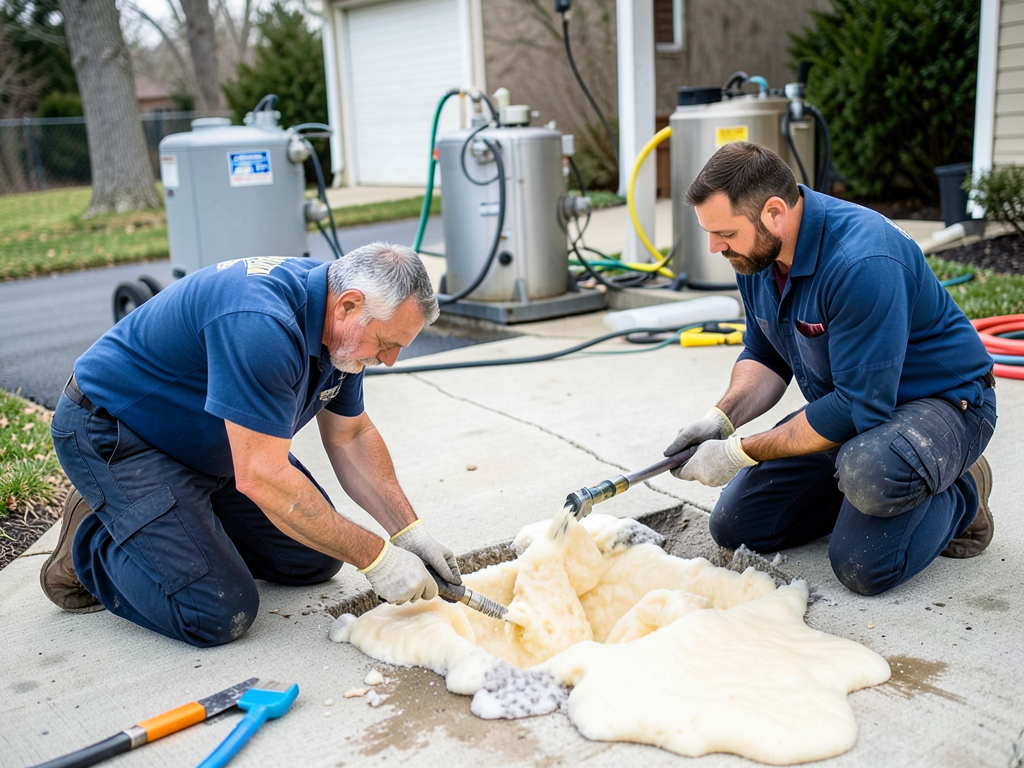
What Happens When a Water Main Break Erodes the Soil Under Your Mason City Driveway When a water main breaks beneath your Mason City driveway the damage happens fast. High-pressure water blasts through the soil…
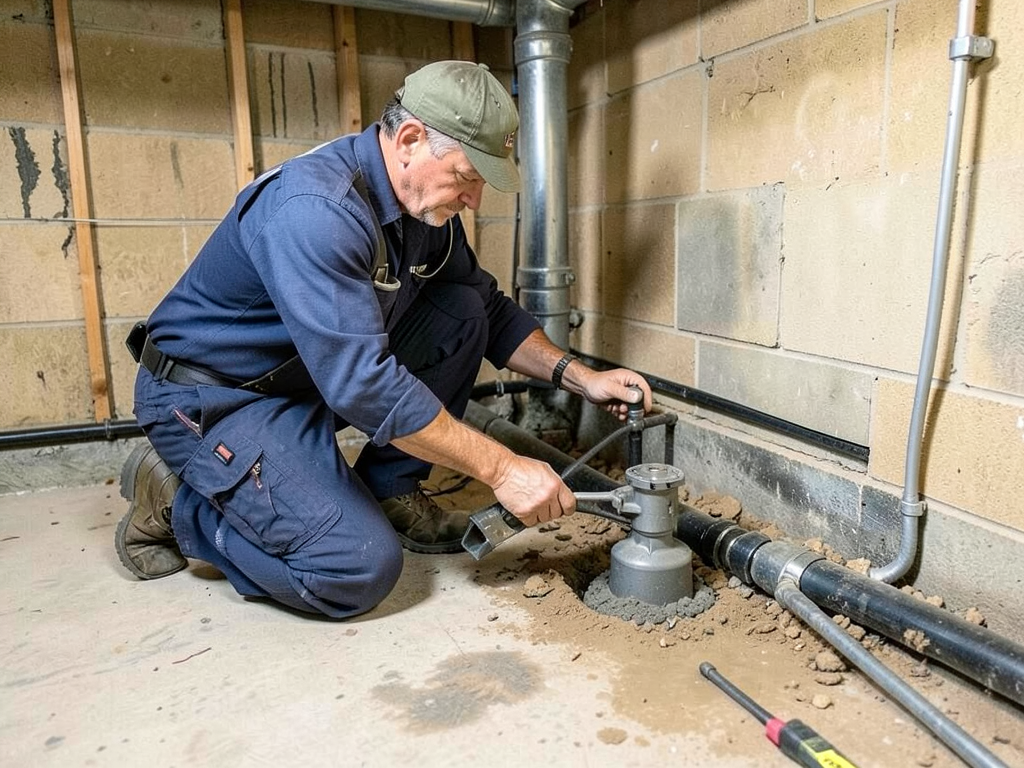
Comparing Interior vs Exterior Waterproofing for Your Central Park Basement Living in Central Park means…
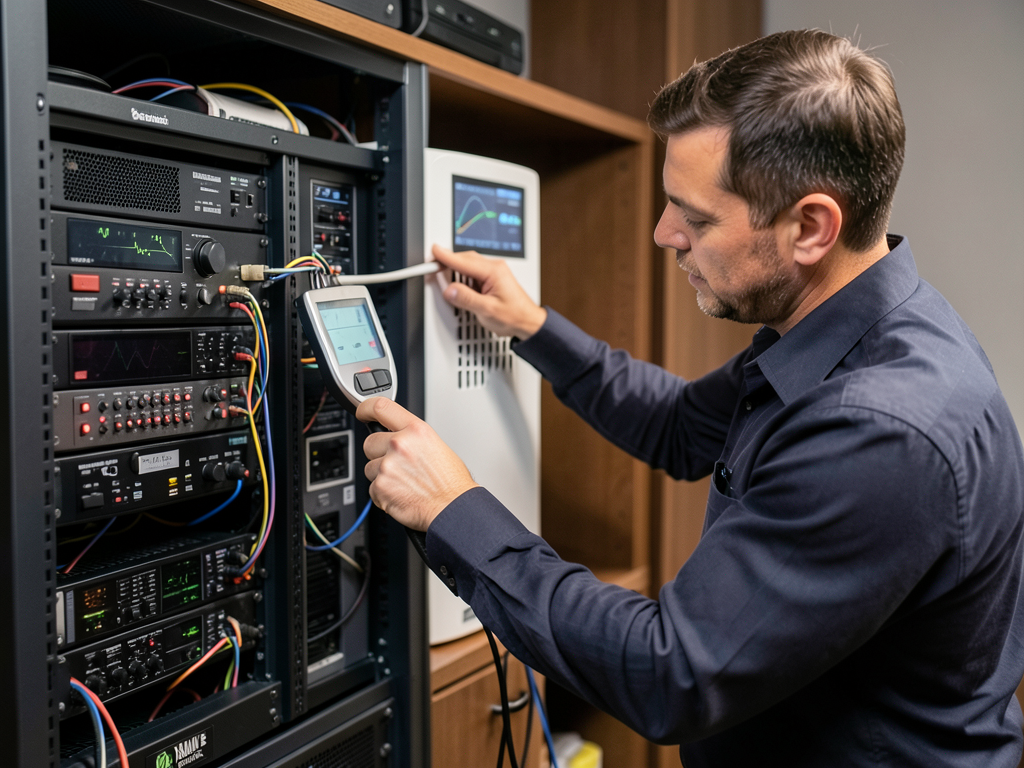
Keeping Your Rising West Princeton Home Theater Dry and Mold Free Birmingham’s humid subtropical climate…
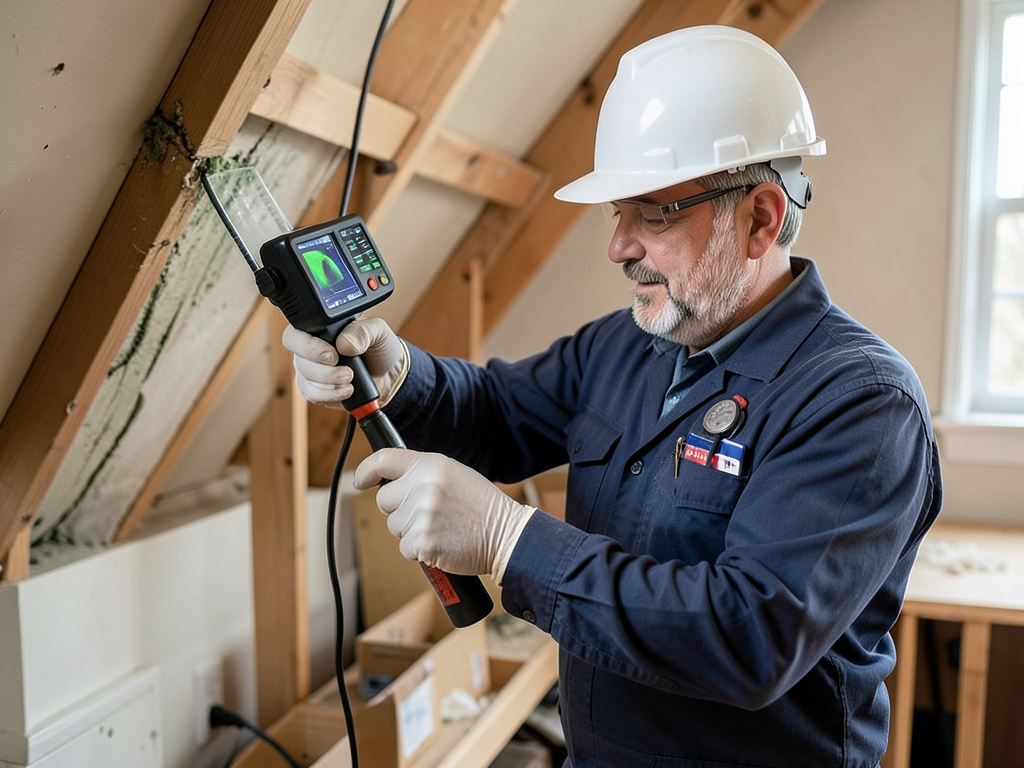
How High Humidity and Birmingham Pollen Create the Perfect Storm for Attic Mold in Airport…
Grand Water Damage Restoration Birmingham responds to Trussville properties 24/7 with certified technicians and professional extraction equipment. We arrive within 60 minutes, extract water immediately, and dry your structure to verified standards. Call (659) 234-8188 now for emergency water damage restoration.