Menu

Basement Waterproofing Guide Birmingham – Expert Solutions for Clay Soil Foundation Protection

Protect your Birmingham home from foundation damage with proven basement sealing techniques designed specifically for Alabama's expansive clay soil and heavy rainfall patterns.

Slider Image 1
Slider Image 2
Slider Image 3
Slider Image 4
Slider Image 5
Slider Image 7
Slider Image 8
Slider Image 9
Slider Image 10
Slider Image 11

Why Birmingham Basements Fail Without Proper Waterproofing

Birmingham sits on clay soil that swells when wet and shrinks during dry periods. This constant expansion and contraction creates hydrostatic pressure against basement walls, forcing water through cracks, joints, and porous concrete. Add Alabama's average 54 inches of annual rainfall, and you have conditions that make basement waterproofing essential, not optional.

The geology of the Birmingham metro area compounds these challenges. Red Mountain's iron-rich soil holds moisture longer than sandy compositions. When heavy rains hit neighborhoods like Homewood, Mountain Brook, or Vestavia Hills, water accumulates around foundations faster than soil can absorb it. Without proper drainage systems, that water finds every weakness in your basement structure.

You might notice damp spots on basement walls after storms. Maybe you smell mildew in your lower level. Perhaps efflorescence, that white chalky substance, appears on concrete surfaces. These are warning signs that ground water is penetrating your foundation. The longer you wait, the worse it gets. Horizontal cracks indicate serious pressure issues. Vertical cracks near corners signal settlement problems common in Birmingham's shifting clay.

Foundation waterproofing methods range from simple to complex. Interior solutions like basement sealing techniques work for minor moisture. Exterior excavation handles severe leaky basement repair situations. The right approach depends on your specific water intrusion pattern, soil conditions, and foundation type. Understanding wet basement solutions starts with identifying where water enters and why your current drainage fails.

Why Birmingham Basements Fail Without Proper Waterproofing
How Professional Waterproofing Systems Stop Water Entry

How Professional Waterproofing Systems Stop Water Entry

Effective basement waterproofing addresses three critical factors: stopping water at the source, redirecting groundwater away from foundations, and managing interior moisture that does penetrate. Surface waterproofing starts with proper grading. Your yard should slope away from the foundation at least six inches over the first ten feet. Birmingham's clay soil makes this challenging because it settles unevenly.

Exterior waterproofing involves excavating around the foundation perimeter, applying rubberized asphalt or polymer membranes directly to foundation walls, and installing drainage board that channels water down to footer drains. These footer drains, typically perforated PVC pipe surrounded by gravel, collect water and direct it away from the structure. The system only works when outlet pipes discharge water at least ten feet from the foundation into proper drainage areas.

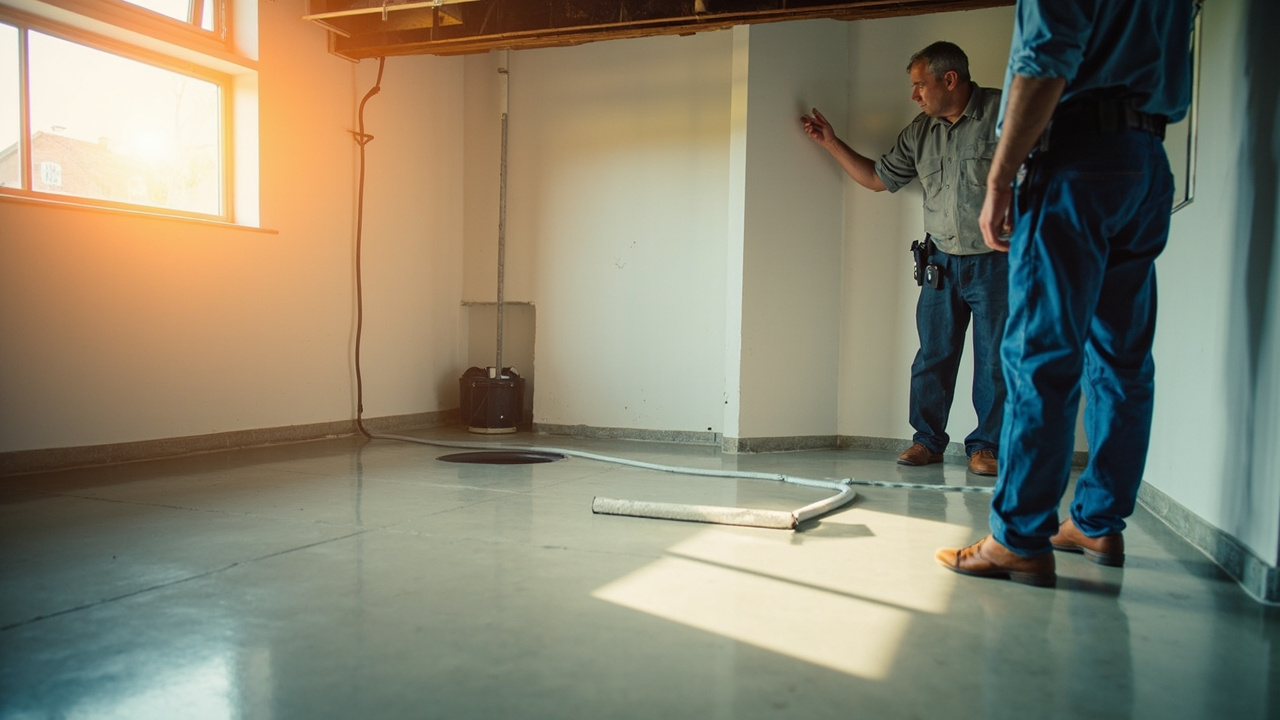
Interior solutions handle water that reaches basement walls. A perimeter drainage system, installed along the interior footer, collects water before it emerges onto the basement floor. This system connects to a sump pump that removes collected water. The pump must have backup power, because Birmingham thunderstorms often cause outages when you need pumping most. Redundant pumps prevent single-point failure.

Vapor barriers on walls control humidity even when bulk water stays outside. Closed-cell spray foam insulation serves double duty by insulating and blocking vapor transmission. Dehumidification systems maintain indoor humidity below 50 percent, preventing mold growth on organic materials like drywall and wood framing.

Grand Water Damage Restoration Birmingham evaluates which combination of techniques your specific situation requires. Cookie-cutter approaches fail because every foundation presents unique challenges based on construction year, soil conditions, and drainage patterns.

What Happens During Professional Basement Waterproofing

Basement Waterproofing Guide Birmingham – Expert Solutions for Clay Soil Foundation Protection
01

Foundation Inspection and Testing

Technicians examine your entire foundation, inside and out, documenting every crack, joint separation, and water stain. Moisture meters measure concrete saturation levels. Hydraulic pressure tests determine if footer drains function properly. We trace water entry points during active leaks and map drainage patterns around your property. This diagnostic phase identifies root causes, not just visible symptoms, so solutions actually work long-term.
02

System Design and Installation

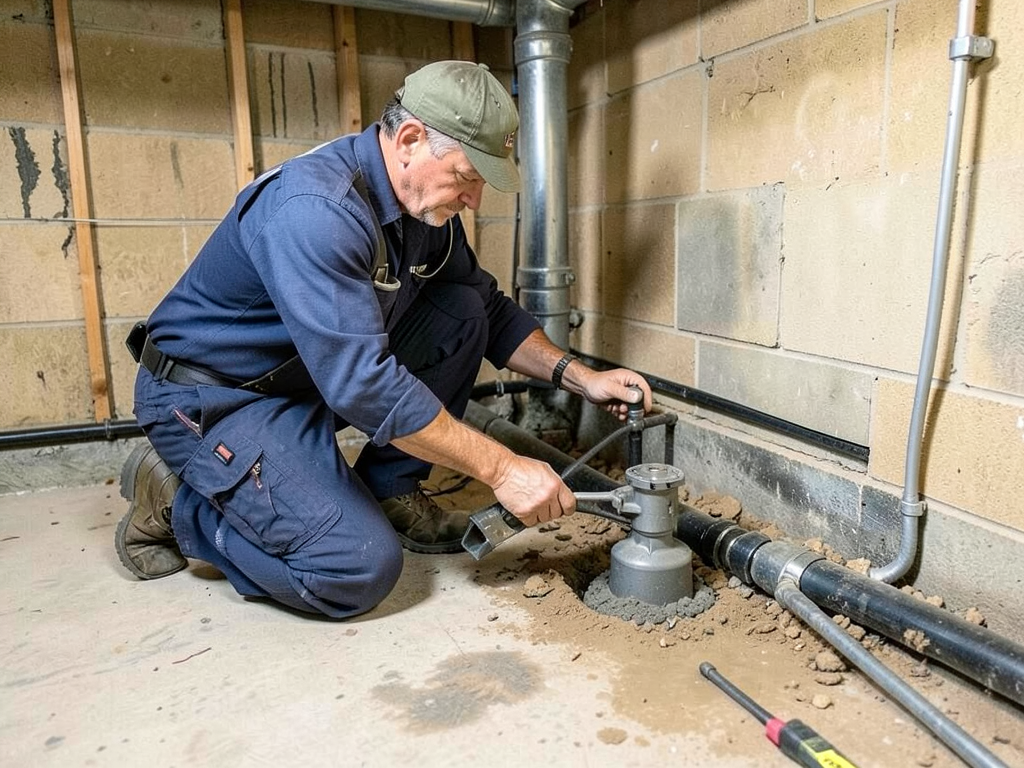
Based on inspection findings, crews design a waterproofing system specific to your foundation type and water intrusion pattern. Interior drain tile installation requires jackhammering the perimeter floor, embedding perforated pipe in gravel, and connecting to a sump basin. Exterior work involves excavation, membrane application, and drain installation. Wall crack injection uses polyurethane or epoxy under pressure to seal fractures permanently. Each technique addresses specific failure modes discovered during inspection.
03

Testing and Maintenance Planning

After installation, systems undergo flood testing to verify proper operation. Sump pumps get tested under load. Discharge lines receive dye tests to confirm proper daylight termination. You receive documentation showing system specifications, maintenance schedules, and operation instructions. Regular maintenance includes cleaning gutters, checking discharge outlets, testing pump operation, and monitoring humidity levels. Properly maintained systems protect basements for decades.

Why Birmingham Homeowners Trust Local Waterproofing Experts

Birmingham's unique geology requires specialized knowledge that national chains lack. The Cahaba Shale formation underlying much of Jefferson County behaves differently than limestone or granite foundations elsewhere. Contractors unfamiliar with local soil mechanics recommend generic solutions that fail within years.

Building codes in Birmingham require specific foundation construction standards. Homes built before 1980 often lack proper footer drains entirely. Post-2000 construction may include interior drainage but inadequate exterior waterproofing. Understanding these construction timeline differences helps technicians predict likely failure points without invasive investigation.

Neighborhoods built on Red Mountain slopes face different challenges than homes in Hoover's flatter terrain. Mountain Brook properties often deal with spring water emerging mid-slope. Trussville homes on flatter ground battle high water tables during wet seasons. Effective solutions account for these microclimate and topography variations.

Local companies understand seasonal patterns. February through April brings Birmingham's heaviest rainfall. Summer thunderstorms deliver intense short-duration downpours that overwhelm inadequate drainage. Fall usually stays drier, making it ideal for exterior excavation work. Winter freezes are rare but can burst exposed pipes if systems lack proper freeze protection.

Grand Water Damage Restoration Birmingham has worked on foundations throughout the metro area. We know which techniques work on 1950s block foundations versus modern poured concrete. We understand how the clay soil in Vestavia Hills differs from sandy loam in Gardendale. That local knowledge means solutions that actually solve your problem instead of temporarily masking symptoms.

Insurance claims for water damage require proper documentation. Local contractors familiar with Alabama insurance requirements help homeowners navigate claims processes, photograph damage correctly, and provide estimates insurance adjusters accept.

What to Expect From Professional Basement Waterproofing Services

Project Timeline and Scheduling

Interior drainage system installation typically takes two to four days depending on basement size and concrete thickness. Exterior excavation waterproofing requires five to seven days for complete perimeter work. Crack injection and minor repairs often complete in one day. Weather affects exterior work schedules, so summer and fall offer more predictable timelines. Emergency water intrusion requires immediate response to prevent ongoing damage. Crews arrive within hours for active flooding situations. Standard waterproofing projects schedule within one to two weeks after inspection. You receive a detailed timeline before work begins, with daily updates if complications arise.

Comprehensive Property Assessment Process

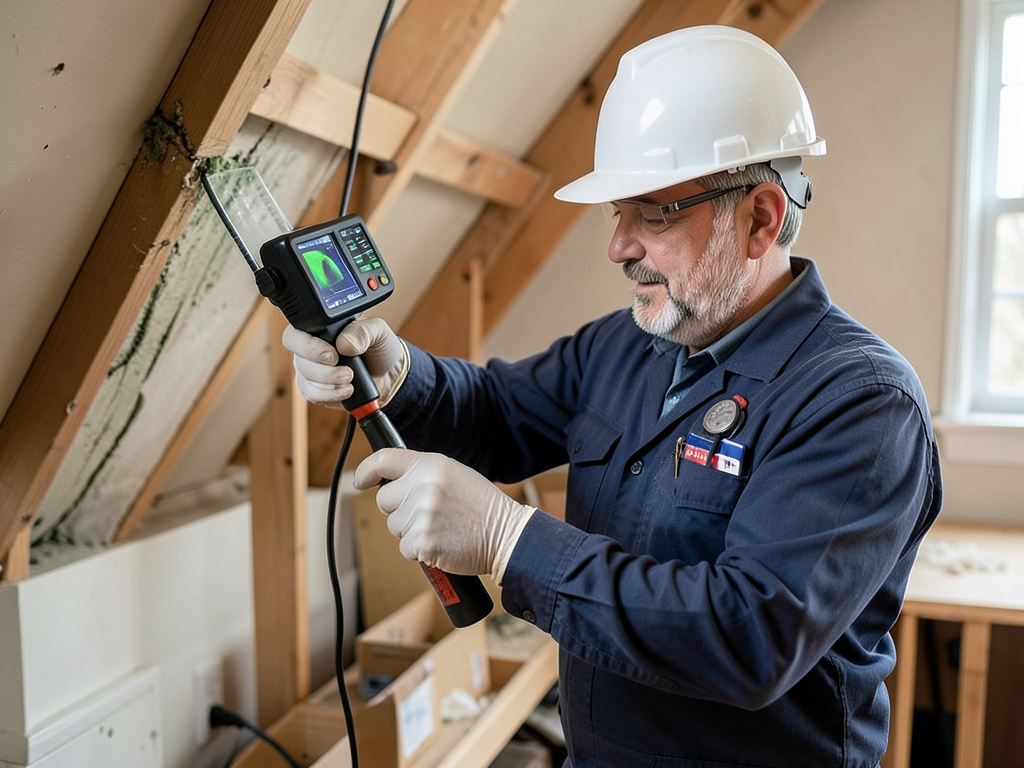
Initial inspections last one to two hours. Technicians examine both interior and exterior conditions, test existing drainage systems, and document foundation conditions with photos and moisture readings. You receive a written report explaining water entry mechanisms, underlying causes, and recommended solutions with priority rankings. The assessment includes soil percolation testing if drainage capacity seems inadequate. Thermal imaging cameras detect hidden moisture behind finished walls. Inspection reports clearly explain technical findings in plain language, showing you exactly what problems exist and why specific solutions will work for your situation.

Quality Standards and Final Results

Completed waterproofing systems undergo pressure testing and simulated flood conditions before final approval. Sump pumps must activate properly at set water levels and discharge completely. Drainage systems must handle Birmingham's typical 2-inch-per-hour storm intensity without backup. All concrete restoration work gets finished smooth and level. Exterior excavations are backfilled with proper drainage aggregate, not clay soil. You receive operation instructions for all installed equipment and system diagrams showing component locations. Final inspections verify every element functions as designed, with no detail overlooked. The work meets Alabama building codes and manufacturer specifications for all materials used.

Ongoing System Maintenance and Support

Waterproofing systems require regular maintenance to function reliably long-term. Sump pumps need annual testing and cleaning. Battery backups require replacement every three to five years. Gutter systems must stay clear to prevent overflow near foundations. You receive a maintenance checklist with recommended service intervals for each system component. Annual inspections catch small problems before they become expensive failures. Maintenance agreements provide scheduled service visits, priority emergency response, and discounted repair rates. Proper maintenance extends system life and protects your investment. Most homeowners schedule spring inspections before heavy rain season and fall checkups after leaves accumulate in gutters.

Frequently Asked Questions

You Have Questions,
We Have Answers

What is the best waterproofing method for basements? +

Interior drainage systems paired with sump pumps work best for Birmingham basements. This method captures water at the footing level before it enters your space. A perimeter drain collects moisture and directs it to a sump basin, which then pumps it away from your foundation. Exterior waterproofing requires excavation and costs more upfront. Birmingham's red clay soil shifts dramatically with rain, which makes interior systems more reliable. They handle hydrostatic pressure from saturated ground without disturbing your yard. Combine drainage with vapor barriers for complete protection. This approach addresses both active water intrusion and ambient humidity common in Jefferson County.

How much does it cost to waterproof a 1000 sq ft basement? +

Cost depends on your current condition and chosen method. Expect a range from budget surface treatments to comprehensive drainage systems. Surface sealers cost the least but offer minimal protection against Birmingham's heavy spring rains. Interior French drain systems with sump pumps provide better value and address the root cause of water intrusion. Exterior excavation costs more due to labor and red clay soil challenges. Your specific needs vary based on existing cracks, foundation age, and water source. Get multiple quotes from local contractors who understand Birmingham's soil and drainage patterns. Avoid companies pushing unnecessary repairs.

What are common waterproofing mistakes? +

Relying on paint-based sealers tops the list. Homeowners apply Drylok or similar products expecting permanent fixes, but these only trap moisture behind basement walls. This creates spalling and mold growth. Another mistake is ignoring grading around your foundation. Birmingham's clay soil needs proper slope to move rainwater away from your home. Skipping interior drainage when you have active seepage fails every time. DIY repairs using hydraulic cement on active leaks waste money. The water finds new entry points. Many ignore gutters and downspouts, which cause most basement water problems in the Birmingham metro area.

Why not use Drylok on basement walls? +

Drylok traps moisture inside your foundation walls instead of stopping it at the source. Birmingham's high humidity and clay soil create constant hydrostatic pressure against basement walls. When you seal the interior surface with Drylok, water vapor gets trapped between the concrete and coating. This causes the paint to bubble and peel within months. Trapped moisture also damages concrete through freeze-thaw cycles and creates hidden mold growth. Drylok works temporarily on minor dampness, but it fails against active water intrusion. You need drainage systems that remove water before it enters, not coatings that hide the problem.

What are the three types of basement waterproofing? +

Interior waterproofing uses drainage systems installed inside your basement perimeter. This method captures water at the footing level and pumps it outside. Exterior waterproofing requires excavating around your foundation to apply membranes and install drain tile at the footing. This stops water before it reaches walls. Drainage improvements focus on moving water away from your foundation through proper grading, gutters, and downspout extensions. Birmingham homes often need interior systems because excavating through red clay costs more and disrupts established landscaping. Most effective approaches combine interior drainage with exterior drainage improvements for complete water management around your foundation.

What is better than Drylok for basement walls? +

Install an interior drainage system with a sump pump. This addresses the actual water source instead of masking symptoms. For minor dampness, use concrete densifiers or silicate-based sealers that penetrate and react with concrete. These products strengthen your walls chemically without creating a surface barrier. Vapor barriers made from reinforced plastic prevent moisture transmission while allowing walls to breathe. Birmingham's humid climate demands solutions that manage water movement, not block it. Hydraulic cement works for small, stable cracks, but fails against active leaks. Focus on removing water from around your foundation first, then address interior moisture control as needed.

Will insurance pay for basement waterproofing? +

Standard homeowners insurance typically excludes waterproofing and foundation repairs. Insurance covers sudden, accidental water damage like burst pipes or storm flooding, but not ongoing seepage or maintenance issues. Your policy views basement waterproofing as preventive maintenance, which falls to you as the homeowner. If water damage results from a covered peril, insurance may pay for restoration but not the waterproofing itself. Birmingham area residents should review their policies for specific exclusions. Some insurers offer separate flood policies through FEMA, but these still exclude foundation work. Document all water damage thoroughly and consult your agent before filing claims.

How to 100% waterproof a basement? +

You cannot achieve absolute waterproofing, but you can manage water effectively. Start with exterior drainage by grading soil away from your foundation and extending downspouts at least ten feet out. Install interior perimeter drains that capture water at the footing level. Add a quality sump pump with battery backup for Birmingham's frequent spring storms. Apply vapor barriers to walls and seal floor-wall joints with hydraulic cement. Install a dehumidifier to control ambient moisture. Address cracks immediately using proper repair methods. Regular maintenance keeps systems working. Even commercial buildings in downtown Birmingham use layered approaches because single solutions fail against persistent hydrostatic pressure.

How much is it to finish a 2000 sq ft basement? +

Finishing costs differ significantly from waterproofing costs. Budget for framing, insulation, drywall, flooring, electrical, and HVAC work separate from water management needs. Birmingham contractors charge varying rates based on material choices and complexity. You must waterproof before finishing to protect your investment. Moisture will destroy finished spaces quickly. Factor in permits required by Jefferson County building codes. Climate control costs more in basements due to Birmingham's humidity. Dehumidification systems run continuously to prevent mold. Get detailed quotes from licensed contractors who address both waterproofing and finishing. Never finish a basement with active water issues or poor drainage.

Why can't you DIY waterproofing? +

Proper waterproofing requires specialized equipment you do not own. Jackhammering concrete floors to install perimeter drains demands power tools and disposal capabilities beyond typical homeowner resources. Birmingham's red clay soil makes excavation difficult without machinery. Sump pump installation requires precise grading and plumbing knowledge to prevent backflow. You risk costlier repairs when DIY attempts fail. Diagnosing water sources needs experience reading foundation cracks, efflorescence patterns, and drainage flows. Professional contractors carry liability insurance protecting you from installation errors. Building codes in Jefferson County require permits and inspections for drainage work. Waterproofing mistakes create mold, structural damage, and health hazards.

How Birmingham's Clay Soil and Rainfall Create Basement Waterproofing Challenges

Birmingham sits in a transition zone where Appalachian foothills meet coastal plain geology. The result is clay-heavy soil with poor drainage characteristics. When rain saturates this clay, it expands up to 10 percent in volume, creating enormous hydrostatic pressure against foundation walls. During dry periods, the same clay shrinks, pulling away from foundations and creating gaps where water rushes in during the next storm. This cycle repeats constantly in Alabama's humid subtropical climate. Basement waterproofing must account for these soil movement patterns, not just block water entry. Static solutions fail because the foundation environment never stays static.

Jefferson County building codes have evolved significantly over decades, but many Birmingham homes predate modern waterproofing standards. Homes built before 1990 often lack exterior dampproofing or have only thin asphalt coatings that deteriorate within 20 years. Understanding local construction practices from different eras helps identify likely failure modes without expensive exploratory excavation. Local contractors recognize common deficiencies in specific neighborhoods and construction periods. That experience translates to more accurate diagnoses and targeted repairs. Choosing contractors familiar with Birmingham construction history means solutions based on proven local performance, not generic national approaches.

Water Damage Restoration Services in The Birmingham Area

Grand Water Damage Restoration is proud to serve the entire Birmingham area. Our convenient location ensures we can respond to your emergency needs with speed and efficiency. Whether you're a homeowner or business owner, we’re ready to bring our expertise directly to you. View our service area on the map to see how we can provide prompt, professional assistance and restore your property quickly and effectively.

Address:
Grand Water Damage Restoration Birmingham, 401 7th St N, Birmingham, AL, 35203

Additional Services We Offer

Our news updates

Latest Articles & News from The Blogs

Comparing Interior vs Exterior Waterproofing for Your Central Park Basement Living in Central Park means dealing with Birmingham’s heavy rainfall…

Comparing Interior vs Exterior Waterproofing for Your Central Park Basement

Comparing Interior vs Exterior Waterproofing for Your Central Park Basement Living in Central Park means dealing with Birmingham’s heavy rainfall…

Keeping Your Rising West Princeton Home Theater Dry and Mold Free

Keeping Your Rising West Princeton Home Theater Dry and Mold Free Birmingham’s humid subtropical climate creates unique challenges for home…

How High Humidity and Birmingham Pollen Create the Perfect Storm for Attic Mold in Airport Highlands

How High Humidity and Birmingham Pollen Create the Perfect Storm for Attic Mold in Airport Highlands Airport Highlands homeowners face…

Contact Us

Stop basement water damage before it destroys your foundation. Call Grand Water Damage Restoration Birmingham at (659) 234-8188 for a comprehensive basement inspection and waterproofing estimate. We respond quickly to active water intrusion and schedule standard waterproofing projects within days.