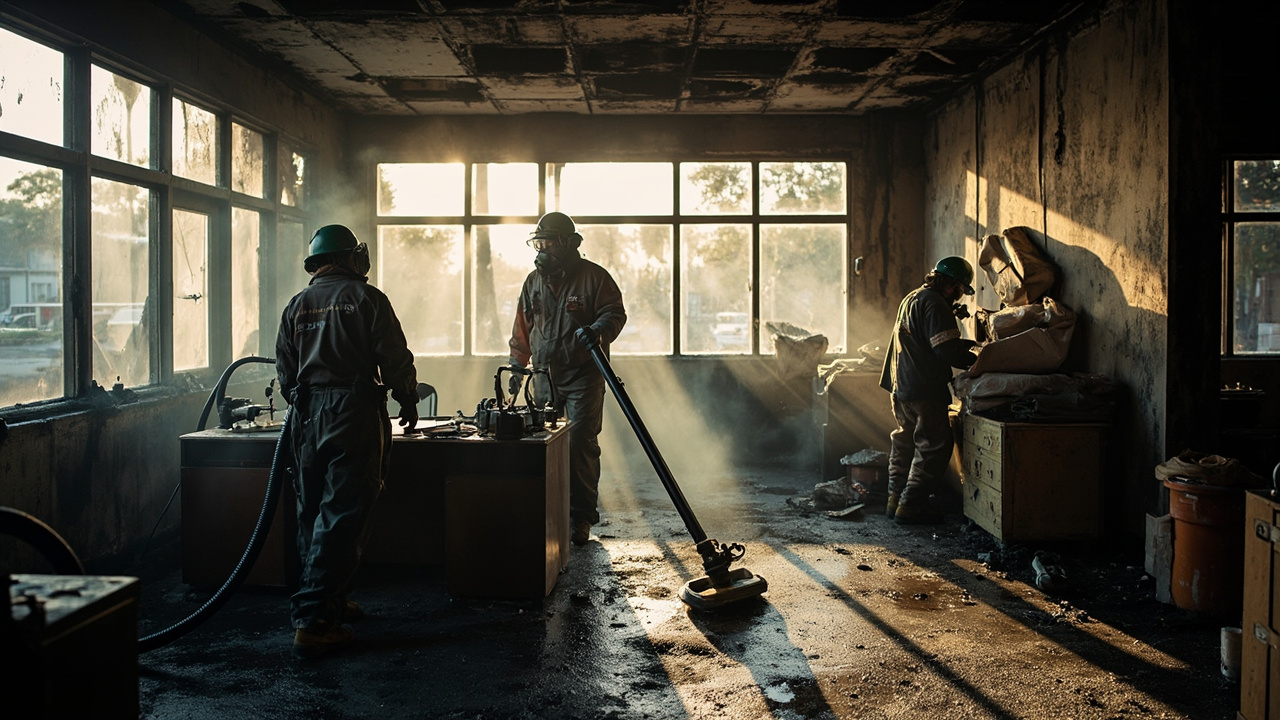


Birmingham's commercial real estate includes a significant percentage of pre-1980 construction. These buildings often have tar and gravel roofing, single-pane windows, and inadequate fire barriers between units. When fire occurs, smoke travels through shared wall cavities, unsealed penetrations, and outdated HVAC risers. Commercial smoke remediation in these structures requires opening walls, treating concealed spaces, and replacing obsolete materials. Jefferson County enforces strict fire safety codes during restoration, and bringing older buildings into compliance often requires sprinkler upgrades, emergency lighting installation, and exit signage corrections.
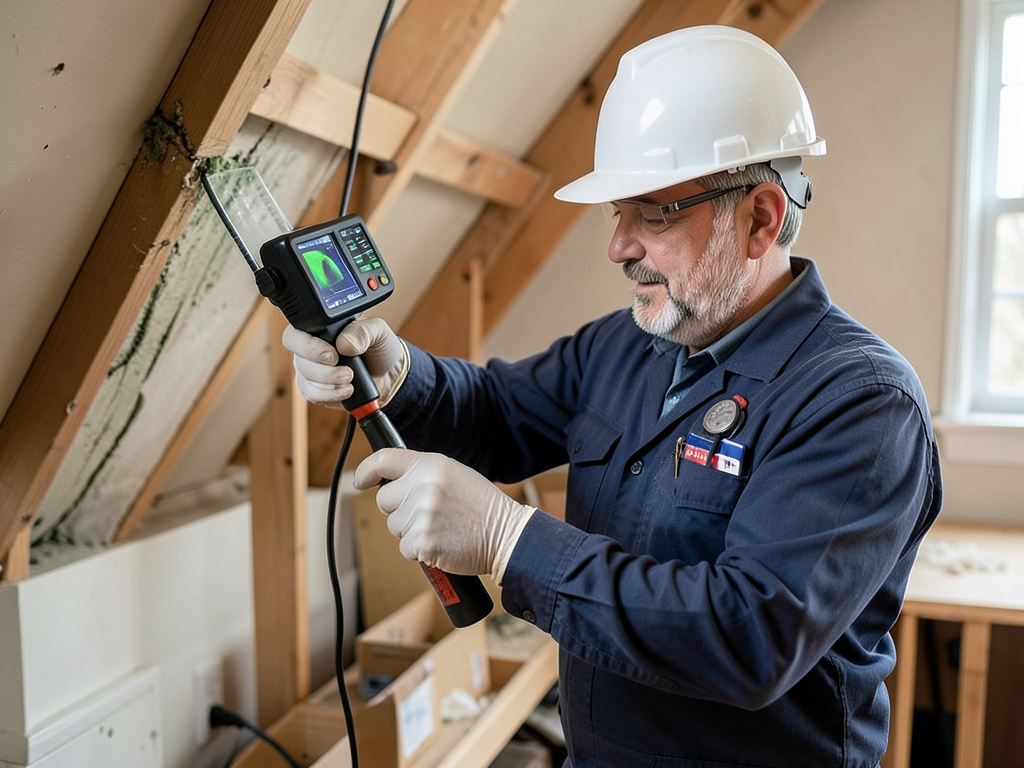
Alabama's humid subtropical climate creates additional challenges during commercial fire cleanup. High humidity slows drying, promotes corrosion of fire-damaged metal, and accelerates mold growth on wet materials. Birmingham averages over 50 inches of rainfall annually, and summer dew points regularly exceed 70 degrees. Industrial fire mitigation must account for these conditions by using commercial-grade dehumidification and continuous air movement. Local expertise ensures drying protocols are adjusted for climate, preventing secondary damage that extends project timelines and increases costs for Birmingham businesses.