Menu

Carpet Water Extraction in Birmingham – Fast Response When Your Home or Business Floods

Grand Water Damage Restoration Birmingham provides professional carpet water extraction across the metro area, with truck-mounted equipment and trained technicians ready to respond to your emergency 24/7, preventing mold growth and structural damage.

Slider Image 1
Slider Image 2
Slider Image 3
Slider Image 4
Slider Image 5
Slider Image 7
Slider Image 8
Slider Image 9
Slider Image 10
Slider Image 11

Why Birmingham's Climate Makes Carpet Water Extraction Critical

Birmingham's average annual rainfall exceeds 56 inches, creating constant threats to carpet and flooring systems. When thunderstorms dump several inches in hours, aging homes in neighborhoods like Forest Park and Highland Park experience foundation seepage and basement flooding that saturates carpets within minutes.

The clay soil throughout Jefferson County expands when wet and contracts when dry, causing foundation shifts that crack pipes and compromise waterproofing. These soil movements lead to unexpected water intrusion that soaks carpets before you notice the problem. Combined with Birmingham's high humidity levels averaging 72%, wet carpet extraction must happen within 24-48 hours to prevent mold colonization.

Flooded carpet extraction becomes urgent when appliance failures occur. Water heaters, washing machines, and dishwashers in older Birmingham homes built before 1980 frequently fail without warning, releasing 40-50 gallons onto carpeting. The padding beneath your carpet acts like a sponge, holding moisture against subfloors and creating ideal conditions for microbial growth.

Water damage carpet extraction requires immediate action because Birmingham's warm summers accelerate bacterial and fungal development. What starts as a small leak in Homewood or Mountain Brook can become a health hazard within 72 hours if moisture remains trapped in carpet fibers and backing.

Emergency carpet water removal protects your investment and your health. Delaying extraction allows water to wick up walls, damage baseboards, and compromise subflooring, turning a manageable situation into a major renovation project.

Why Birmingham's Climate Makes Carpet Water Extraction Critical
How Professional Carpet Water Extraction Works

How Professional Carpet Water Extraction Works

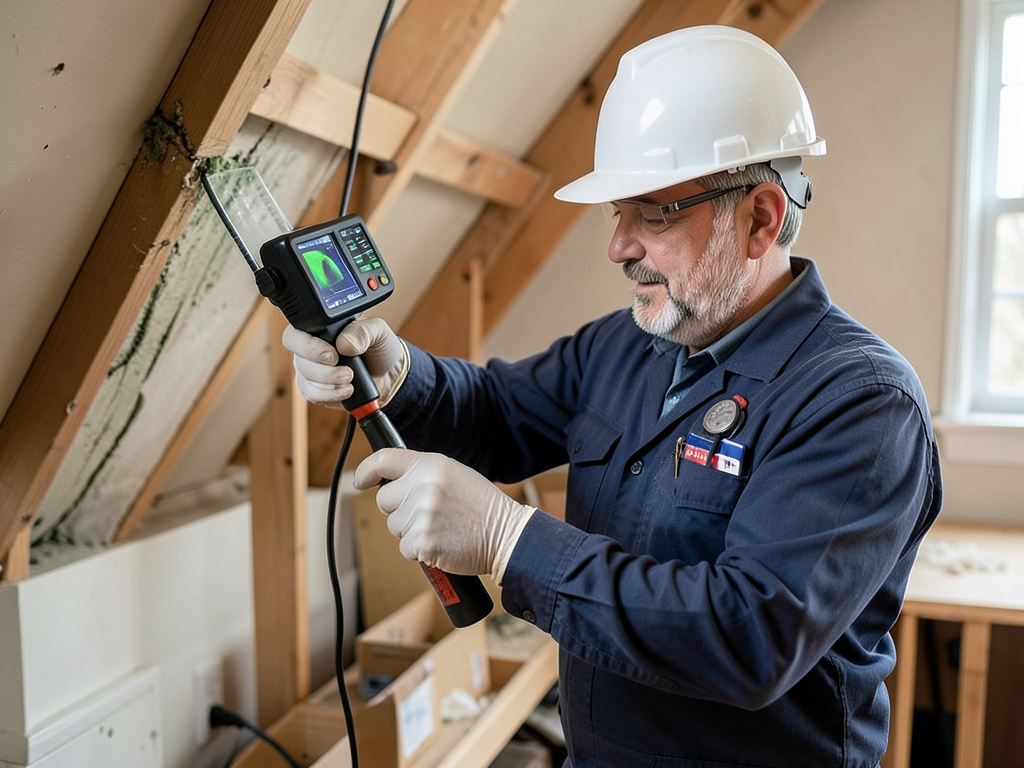
Carpet water removal starts with moisture mapping using infrared cameras and penetrating moisture meters. We measure moisture levels in the carpet, padding, and subfloor to determine extraction strategy. This diagnostic phase prevents incomplete drying that leads to recurring problems.

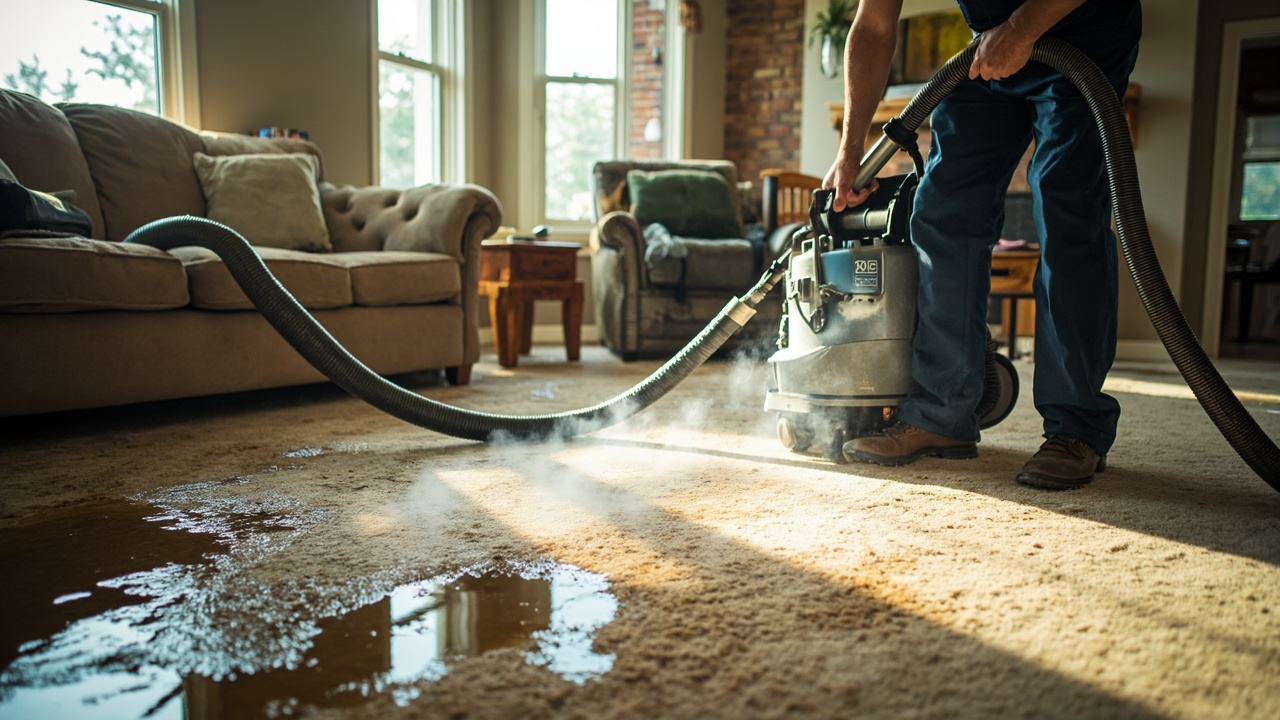
Our truck-mounted extraction units generate 500+ CFM of suction power, pulling water from deep within carpet backing and padding. These systems extract significantly more moisture than rental equipment or wet-dry vacuums, which leave too much water behind. We use weighted extraction tools that compress carpet fibers while simultaneously removing water, achieving moisture levels below 15% in most cases.

Wet carpet extraction requires addressing the padding separately. In most flood scenarios, padding must be removed because it retains water and becomes a breeding ground for contamination. We lift carpet edges, remove saturated padding, and extract remaining moisture from the subfloor before installing antimicrobial treatments.

Flooded carpet extraction includes contamination assessment. Clean water from supply lines receives different treatment than gray water from appliances or black water from sewage backups. Category 2 and Category 3 water require antimicrobial applications and more aggressive drying protocols to ensure safety.

After extraction, we deploy commercial air movers and dehumidifiers to complete the drying process. Strategic airflow placement creates evaporation at the carpet surface while dehumidifiers remove moisture from the air, preventing it from being reabsorbed. We monitor progress with daily moisture readings until all materials reach acceptable dry standards, typically below 12% moisture content.

What Happens During Your Carpet Water Extraction Service

Carpet Water Extraction in Birmingham – Fast Response When Your Home or Business Floods
01

Emergency Assessment and Containment

We arrive within hours of your call to assess damage extent and water source. Our technicians identify the category of water contamination, measure affected square footage, and document moisture readings in carpet, padding, and subfloor. We immediately contain the affected area to prevent water migration into dry rooms, protecting undamaged carpeting and belongings while stopping additional absorption.
02

Extraction and Material Removal

Our truck-mounted extraction equipment removes standing water and deep moisture from carpet fibers. We extract in overlapping passes to maximize water removal, achieving the lowest possible moisture levels before drying begins. Saturated padding is removed and disposed of properly. We treat exposed subfloors with antimicrobial solutions to prevent microbial growth, then extract any remaining moisture from wood or concrete substrates using specialized equipment.
03

Drying and Final Verification

We position commercial air movers and dehumidifiers to create optimal drying conditions for your carpet and subfloor. Equipment runs continuously while we monitor moisture levels daily using professional meters. Once all materials reach dry standards, we perform final verification testing and photograph documentation. Your carpet is cleaned, sanitized, and reinstalled over new padding if needed, returning your space to pre-loss condition.

Why Birmingham Property Owners Choose Grand Water Damage Restoration

Birmingham requires water damage professionals who understand local construction methods and regional challenges. Homes in historic districts like Glen Iris feature original hardwood subfloors beneath carpeting that require specific drying techniques to prevent warping. We know which extraction methods protect these irreplaceable materials while still achieving thorough drying.

Our familiarity with Birmingham's split-level and ranch-style homes built in the 1960s and 1970s helps us anticipate problem areas. These homes often have concrete slab foundations with carpeting installed directly over vapor barriers. Water intrusion in these structures requires different extraction approaches than homes with crawlspace foundations common in Mountain Brook and Vestavia Hills.

We work directly with major insurance carriers serving the Birmingham area, understanding local claim processes and documentation requirements. Our detailed moisture mapping and photographic evidence supports your claim and speeds approval, getting you back to normal faster. We provide itemized estimates that align with Xactimate pricing, the standard software used by adjusters throughout Alabama.

Grand Water Damage Restoration Birmingham maintains response vehicles throughout the metro area, ensuring we reach your property quickly whether you're in Hoover, Homewood, or downtown Birmingham. Our technicians train on IICRC standards for water damage restoration, bringing certified expertise to every job.

Local expertise matters when dealing with Birmingham's specific water damage challenges. We understand how Red Mountain's elevation affects drainage patterns, why homes near Shades Creek face higher flood risk, and how the area's seasonal storms create predictable emergency patterns. This knowledge translates to faster response and more effective solutions for your carpet water extraction needs.

What to Expect When You Call for Carpet Water Extraction

Rapid Response Time

We answer emergency calls 24 hours a day, 365 days a year. When you call, you speak directly with our dispatch team who immediately assigns a crew to your location. Most Birmingham-area properties receive response within 90 minutes during business hours and within two hours overnight or on weekends. Our technicians arrive in marked vehicles with extraction equipment already loaded, ready to begin work immediately. Time matters with water damage. Every hour of delay increases drying time and potential secondary damage, which is why we prioritize emergency carpet water removal above scheduled work.

Thorough Initial Inspection

Your service begins with comprehensive damage assessment using professional-grade detection equipment. We use infrared cameras to identify hidden moisture in walls and subfloors, then document findings with moisture meter readings recorded on detailed floor plans. You receive clear explanation of what we found, what needs extraction, and what materials require removal versus in-place drying. We identify the water source and category, which determines treatment protocols. This inspection takes 30-45 minutes and results in a written scope of work and cost estimate before extraction begins.

Complete Moisture Removal

Our extraction and drying process continues until moisture readings confirm your carpet and subfloor meet industry dry standards. We don't remove equipment based on timelines or estimates. Instead, we test daily and make data-driven decisions about when drying is complete. Most carpet water extraction projects require three to five days of drying time depending on saturation levels, humidity, and temperature. You receive a certificate of completion documenting final moisture readings, providing proof of proper restoration for insurance purposes and future property transactions.

Follow-Up and Prevention Guidance

After completing extraction and drying, we schedule a final walkthrough to inspect carpet condition and answer questions about the restoration process. We provide specific recommendations for preventing future water damage based on what caused your current situation. If we identified plumbing issues, foundation problems, or appliance concerns during our work, we explain these findings and suggest appropriate specialists. You receive documentation of all work performed, including before and after photos, moisture logs, and equipment placement records. This comprehensive reporting satisfies insurance requirements and provides peace of mind that the job was completed correctly.

Frequently Asked Questions

You Have Questions,
We Have Answers

How to extract water from carpet? +

Start by removing standing water with towels or a wet/dry vacuum. Then use a professional-grade carpet extractor or truckmount system to pull embedded moisture from deep fibers and padding. Work in overlapping passes to maximize extraction. Pull back carpet edges to check padding saturation. Position air movers and dehumidifiers to accelerate drying. Birmingham's high humidity slows natural evaporation, making mechanical extraction essential. Avoid DIY rental machines for significant flooding as they lack power to remove moisture thoroughly, which leads to mold growth within 24-48 hours in our climate.

How much does it cost to extract water from carpet? +

Water extraction costs vary based on water source, affected square footage, and damage severity. Minor extraction in one room typically runs lower than whole-home flood restoration. Contaminated water from sewage or storm surge costs more due to sanitization requirements. Most Birmingham restoration companies charge per square foot or by room size. Insurance often covers emergency water removal if caused by sudden incidents like burst pipes. Get multiple estimates and verify what the price includes such as equipment, antimicrobial treatment, and drying monitoring to avoid surprise charges.

What draws urine out of carpet? +

Enzymatic cleaners specifically break down uric acid crystals that cause persistent odor. Apply the enzyme solution generously, allowing it to penetrate carpet fibers and padding where urine soaks through. Let it dwell for 10-15 minutes before extraction. For severe pet urine damage, professionals use ultraviolet lights to locate all contaminated areas, then apply commercial-grade enzymes followed by hot water extraction. Birmingham's humidity can reactivate old urine smells, so thorough treatment and complete moisture removal are critical. Replace padding if saturation is extensive, as urine crystals permanently bond to materials.

How long can carpet be wet before mold? +

Mold begins growing in wet carpet within 24-48 hours under Birmingham's typical humidity conditions. Our warm climate accelerates microbial growth, especially during summer months when indoor temperatures stay elevated. The carpet padding underneath often stays saturated longer than visible surface fibers, creating hidden mold colonies. Speed matters critically after water damage. Professional extraction and drying within the first 24 hours significantly reduces mold risk. If carpet stays wet beyond 48 hours, replacement becomes necessary in most cases as mold remediation costs often exceed new carpet installation expenses.

What tool is used to get water out of carpet? +

Professional restoration companies use truckmount extractors, the most powerful water removal systems available. These van-mounted units generate extreme suction and heat to pull water from carpet and padding. Portable extractors work for smaller jobs or upper floors. Air movers create rapid airflow across carpet surfaces to speed evaporation. Commercial dehumidifiers remove moisture from the air, preventing reabsorption into materials. Moisture meters track drying progress in carpet, padding, and subfloors. Birmingham's humidity requires this multi-tool approach. Consumer rental machines lack the power needed for thorough extraction after significant flooding.

Does Stanley Steemer do water extraction? +

Stanley Steemer primarily focuses on carpet cleaning services rather than emergency water damage restoration. They may offer basic water extraction as an add-on service in some markets, but they typically lack the full restoration equipment and protocol needed for flood damage. True water damage requires immediate response with commercial extractors, structural drying equipment, moisture monitoring, and often antimicrobial treatment. For significant water events in Birmingham homes, contact a certified water damage restoration company with 24/7 emergency response capability and IICRC-trained technicians rather than a carpet cleaning service.

Does insurance cover water remediation? +

Most homeowners insurance policies cover sudden and accidental water damage like burst pipes, appliance failures, or roof leaks. Insurance typically pays for emergency water extraction, structural drying, and restoration. However, gradual damage from slow leaks or maintenance neglect gets denied. Flood damage from natural disasters requires separate flood insurance. Sewage backups may need specific endorsements. Document everything with photos before restoration starts. Birmingham homeowners should review their policy exclusions and contact their adjuster immediately after water damage occurs. Restoration companies often work directly with insurance carriers to streamline claims.

How much does it cost to remove 1000 square feet of carpet? +

Carpet removal alone for 1000 square feet typically costs less than comprehensive water damage restoration. Simple removal and disposal runs lower than extraction, drying, treatment, and reinstallation. Cost factors include carpet type, pad replacement needs, furniture moving, subfloor condition, and disposal fees. Water-damaged carpet often requires padding replacement even if the carpet gets salvaged. Birmingham's humidity may reveal subfloor damage once carpet is lifted, adding expenses. Get detailed written estimates that separate removal costs from drying and restoration services to understand what you actually need for your specific water damage situation.

Should you replace carpet after water damage? +

Replace carpet when contaminated by sewage or blackwater, when it stays wet beyond 48 hours, or when you detect mold growth. Clean water from supply lines can often be extracted successfully if addressed within 24 hours. Consider carpet age, value, and sentimental attachment. Saturated padding almost always requires replacement even if carpet is salvageable. Birmingham's humidity makes thorough drying difficult, so err toward replacement if any doubt exists about complete moisture removal. Professional moisture readings of carpet backing and subfloor guide this decision better than visual inspection alone.

How Birmingham's Seasonal Storms and Clay Soil Impact Carpet Flooding

Birmingham receives intense thunderstorms from March through September, with peak rainfall occurring in March and July. These storms frequently produce two to three inches of rain in under an hour, overwhelming older drainage systems in neighborhoods like Crestwood and Redmont Park. The area's Porters clay soil, which covers much of Jefferson County, becomes nearly impermeable when saturated, causing surface water to pool around foundations rather than absorbing into the ground. This creates hydrostatic pressure against basement walls and slab edges, forcing water through any available opening directly onto carpeted living spaces. Homes built before updated building codes in the 1990s lack proper foundation waterproofing, making them particularly vulnerable to carpet flooding during Birmingham's predictable storm seasons.

Birmingham's water damage restoration requirements follow Alabama Department of Public Health guidelines for antimicrobial treatment and proper disposal of contaminated materials. Local professionals understand these regulations and ensure compliance throughout the extraction process. We maintain relationships with Birmingham-area insurance adjusters, plumbers, and contractors, coordinating necessary repairs beyond carpet extraction when your situation requires additional work. Choosing a local water damage company means working with technicians who recognize Birmingham's unique construction methods, from the pier and beam foundations in older Southside homes to the concrete slab construction common in Hoover subdivisions, ensuring appropriate extraction techniques for your specific property type.
Water Damage Restoration Services in The Birmingham Area

Grand Water Damage Restoration is proud to serve the entire Birmingham area. Our convenient location ensures we can respond to your emergency needs with speed and efficiency. Whether you're a homeowner or business owner, we’re ready to bring our expertise directly to you. View our service area on the map to see how we can provide prompt, professional assistance and restore your property quickly and effectively.

Address:
Grand Water Damage Restoration Birmingham, 401 7th St N, Birmingham, AL, 35203

Additional Services We Offer

Our news updates

Latest Articles & News from The Blogs

Comparing Interior vs Exterior Waterproofing for Your Central Park Basement Living in Central Park means dealing with Birmingham’s heavy rainfall…

Comparing Interior vs Exterior Waterproofing for Your Central Park Basement

Comparing Interior vs Exterior Waterproofing for Your Central Park Basement Living in Central Park means dealing with Birmingham’s heavy rainfall…

Keeping Your Rising West Princeton Home Theater Dry and Mold Free

Keeping Your Rising West Princeton Home Theater Dry and Mold Free Birmingham’s humid subtropical climate creates unique challenges for home…

How High Humidity and Birmingham Pollen Create the Perfect Storm for Attic Mold in Airport Highlands

How High Humidity and Birmingham Pollen Create the Perfect Storm for Attic Mold in Airport Highlands Airport Highlands homeowners face…

Contact Us

Water damage worsens every hour. Call Grand Water Damage Restoration Birmingham at (659) 234-8188 for immediate carpet water extraction. Our trucks are loaded and ready to respond 24/7 to your Birmingham-area property. We work directly with your insurance company to streamline the claims process.