
The Hidden Risks of Using Store Bought Mold Test Kits in Your Wahouma Home
Store bought mold test kits seem like a quick fix for Birmingham homeowners worried about indoor air quality. You buy a $40 petri dish, set it out for 48 hours, and suddenly you have “results.” But in Wahouma’s humid climate where average relative humidity hovers around 72% year-round, these kits often create more problems than they solve. Professional mold testing uses calibrated equipment and laboratory analysis to provide accurate data. DIY kits rely on gravity plates that grow whatever spores happen to land on them, creating a misleading picture of your home’s actual mold situation. Professional basement flood cleanup services for Vestavia Hills homeowners.
How DIY Mold Kits Work (And Their Limitations)
Store bought mold test kits typically use settle plates or swabs that collect airborne spores over a set period. The science behind these kits is simple: mold spores settle on the growth medium, and if conditions are right, they multiply into visible colonies. Here’s the critical flaw: every home in Birmingham contains mold spores. Our climate with its Gulf moisture and summer thunderstorms means spores are constantly circulating. A DIY kit in a Wahouma home will almost always grow something, even in a perfectly healthy house.
Professional testing uses spore trap analysis with calibrated air pumps that collect samples at specific flow rates. These samples go to AIHA-accredited laboratories where trained mycologists identify species and count spores per cubic meter. DIY kits skip this crucial analysis step. You get a yes/no answer about whether mold grew, but no information about what type of mold or how much is present.
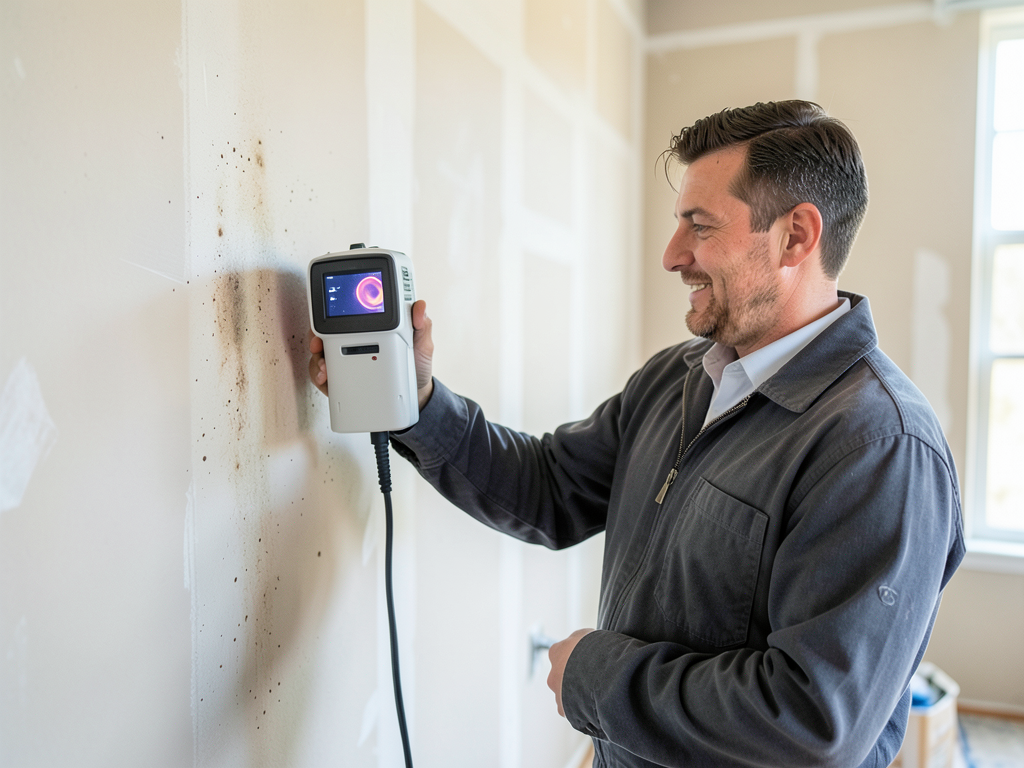
Another limitation: DIY kits cannot detect hidden mold. If you have mold growing behind drywall in your Wahouma basement or under hardwood floors in your living room, a petri dish sitting on a coffee table will miss it entirely. Professional inspectors use moisture meters, thermal imaging cameras, and borescopes to find mold in wall cavities, crawl spaces, and attics.
The Professional Advantage: Beyond the Visual
Professional mold inspectors bring specialized equipment that DIY kits cannot match. A moisture meter can detect elevated moisture levels in building materials without causing damage. Thermal imaging cameras reveal temperature differences that indicate moisture intrusion behind walls. These tools are essential in Birmingham’s older neighborhoods like Wahouma where homes built before 1980 may have hidden moisture problems from aging plumbing or foundation issues. Water Damage Restoration Birmingham.
Professional testing follows the IICRC S520 standard for mold remediation. This industry standard requires specific sampling protocols, control samples, and laboratory analysis. A certified inspector will take an outdoor control sample to establish baseline spore counts, then compare indoor samples to this baseline. If indoor counts are significantly higher, you have a mold problem. DIY kits cannot establish this critical baseline. IICRC S520 Standard.
Third-party laboratory verification is another crucial advantage. Professional samples go to laboratories accredited by the American Industrial Hygiene Association. These labs employ certified microbiologists who can identify mold species down to the genus level. They provide quantitative data showing spore counts per cubic meter. This documentation is often required by insurance companies and is essential for real estate transactions in Jefferson County.
Cost Comparison: Short-term Savings vs. Long-term Liability
DIY mold kits cost between $40 and $100 at local hardware stores in Birmingham. Professional mold inspections typically range from $300 to $600 depending on the size of your home and the complexity of the testing required. At first glance, the DIY option seems like a bargain. But the hidden costs tell a different story.
Most DIY kits require you to pay additional laboratory fees to identify what grew on your petri dish. These fees range from $30 to $70 per sample. Shipping costs add another $15 to $25. Suddenly your $40 kit costs $150 or more. Professional inspections include laboratory analysis in their quoted price.
The biggest cost difference is accuracy. A false negative from a DIY kit means you continue living with a serious mold problem. Mold remediation costs in Birmingham average $15 to $30 per square foot. A small hidden mold issue that goes undetected for months can grow into a $10,000 remediation project. Professional testing, while more expensive upfront, can save you thousands by catching problems early. Finding the best mold remediation experts in Mountain Brook.
Insurance claims provide another cost consideration. Birmingham insurance adjusters typically require professional documentation for mold claims. They know DIY kits are unreliable and often reject claims based on their results. Professional testing provides the documentation your insurance company needs to process your claim. The most reliable water damage repair companies in Pelham.
Why Birmingham’s Humidity Requires Precise Testing
Birmingham’s climate creates unique mold testing challenges. Our average relative humidity of 72% means mold can grow on virtually any surface given enough time. The city’s location in the humid subtropical climate zone means we have warm, wet summers and mild winters. This constant moisture creates ideal conditions for mold growth year-round.
Common Alabama mold species include Aspergillus, Penicillium, and Stachybotrys chartarum (black mold). These species thrive in our climate and can cause various health issues from allergic reactions to more serious respiratory problems. Professional testing can identify these species and determine if their concentrations pose a health risk.. Read more about How to Tell if That Black Mold in Your Thomas Rental Is Actually Dangerous.
Wahouma’s specific location near Village Creek means some homes face additional moisture challenges. The area’s clay soil can hold water against foundations, creating conditions for basement mold growth. Professional inspectors understand these local factors and know where to look for moisture problems specific to Wahouma’s geography.
Alabama’s building codes require proper moisture control in new construction, but many Wahouma homes were built before these requirements existed. Professional testing can identify moisture intrusion points that DIY kits would never detect. This is especially important for older homes where plumbing, roofing, and foundation issues may create hidden moisture problems.
The Insurance and Real Estate Impact
Real estate transactions in Birmingham require accurate mold documentation. Home inspectors routinely check for signs of moisture damage and mold growth. If you’re selling a home in Wahouma, professional mold testing provides documentation that protects you from future liability. DIY test results are not considered reliable by most real estate professionals.
Insurance companies have specific requirements for mold claims. They typically require testing from certified professionals using industry-standard protocols. DIY kit results do not meet these requirements. If you file a claim based on DIY testing, your insurance company may deny it, leaving you to pay for expensive remediation out of pocket.
The EPA’s mold remediation guidelines emphasize the importance of professional assessment for significant mold problems. These guidelines recommend professional testing when mold covers more than 10 square feet or when occupants experience health symptoms. DIY kits cannot provide the detailed information needed to follow these guidelines. EPA Mold Resources.
Diagnostic Testing We Perform
Professional mold inspectors use several diagnostic tools that DIY kits cannot replicate. A moisture meter with penetrating and non-penetrating probes can detect moisture in wood, drywall, and concrete without causing damage. The meter shows moisture content as a percentage, allowing inspectors to identify problem areas that need further investigation. Efflorescence on Concrete.
Thermal imaging cameras detect temperature differences that indicate moisture behind walls. These cameras show heat patterns in real-time, revealing hidden leaks and moisture intrusion. In a Wahouma home, this technology can find problems behind plaster walls or under hardwood floors where DIY kits would never detect anything.
Air quality sampling uses calibrated pumps to collect air samples at specific flow rates. These samples capture airborne spores for laboratory analysis. The sampling process follows strict protocols to ensure accurate results. DIY kits cannot control for variables like air flow, temperature, or sampling duration that affect accuracy.
Surface sampling using swabs or tape lifts allows inspectors to test specific areas of concern. This targeted approach is useful when you see visible mold growth but need to know what type it is and how extensive the problem might be. DIY kits cannot provide this level of specificity.
Common Mistakes with DIY Testing
Homeowners often make critical errors when using DIY mold test kits. One common mistake is testing during or immediately after cleaning. Cleaning disturbs settled spores and can create false positive results. Professional inspectors know to test under controlled conditions to get accurate baseline data.. Read more about How to Dry Out Your Mudroom After a Rainy Soccer Season in Vestavia Hills.
Another mistake is placing test kits near windows or air vents. This can introduce outdoor spores or create air flow that affects results. Professional testing uses controlled placement and specific protocols to ensure samples represent actual indoor air quality.
Many homeowners interpret any mold growth as a serious problem. In Birmingham’s climate, some mold growth on a petri dish is normal and expected. Professional analysis compares your results to outdoor baseline samples and established safety thresholds. Without this context, DIY results can cause unnecessary alarm.
Timing is also crucial. Mold spores settle at different rates depending on air flow, temperature, and humidity. DIY kits typically recommend 24 to 48 hour exposure times, but these recommendations don’t account for local conditions. Professional testing uses calibrated equipment and controlled conditions to ensure consistent, reliable results.
When Professional Testing is Essential
Certain situations require professional mold testing regardless of cost considerations. If you’re buying a home in Wahouma, professional testing provides crucial information about the property’s condition. The investment protects you from purchasing a home with hidden mold problems that could cost thousands to remediate.
Health concerns are another critical factor. If family members experience persistent respiratory symptoms, headaches, or allergic reactions, professional testing can identify if mold is the cause. DIY kits cannot provide the detailed analysis needed to establish cause-and-effect relationships between mold exposure and health symptoms.
Visible mold growth always warrants professional assessment. While you can see the mold, you cannot determine how extensive the problem is or what type of mold you’re dealing with. Professional testing maps the extent of contamination and identifies the specific species present.
Post-remediation verification is essential after mold cleanup. Professional testing confirms that remediation was successful and that spore counts have returned to safe levels. DIY kits cannot provide the quantitative data needed to verify that a space is safe for reoccupation.
The Science Behind Accurate Testing
Professional mold testing relies on established scientific principles. Spore trap analysis captures airborne particles on a greased slide or filter. Laboratory technicians then examine these samples under high-powered microscopes. They identify mold species by their unique morphological characteristics and count spores to determine concentration levels.
Bulk sampling involves collecting pieces of building materials for laboratory analysis. This method is useful when you suspect mold is growing within wall cavities or under flooring. Laboratory analysis can determine if mold is actively growing in the material and identify the species present.
Culture analysis grows collected samples in laboratory conditions to identify viable mold species. This method can detect mold that may not be actively producing spores at the time of sampling. DIY kits use a similar principle but lack the controlled conditions and expert analysis that make professional testing reliable.
DNA-based testing using quantitative polymerase chain reaction (qPCR) can identify specific mold species and their quantities. This advanced method is particularly useful for detecting toxic mold species like Stachybotrys. Professional laboratories offer this testing when detailed species identification is necessary.
Local Resources and Next Steps
If you’re concerned about mold in your Wahouma home, several local resources can help. The Jefferson County Department of Health provides information about indoor air quality and mold-related health concerns. They can direct you to certified mold inspectors who follow Alabama’s regulations and industry standards.
Local building inspectors understand Wahouma’s specific construction patterns and common moisture problems. They can recommend inspectors who have experience with the area’s older homes and unique climate challenges. This local knowledge is crucial for accurate assessment and effective remediation recommendations.
Professional mold inspectors in Birmingham typically belong to organizations like the Indoor Air Quality Association or the American Council for Accredited Certification. These organizations maintain standards for certification and continuing education. When choosing an inspector, look for certifications from these reputable organizations.
The testing process usually begins with a visual inspection to identify potential problem areas. The inspector will then recommend specific testing based on their findings and your concerns. This targeted approach ensures you get the information you need without paying for unnecessary testing.
Frequently Asked Questions
Are DIY mold test kits completely worthless?
DIY kits have limited value for initial screening but cannot replace professional testing. They may indicate whether mold spores are present but cannot determine the type, quantity, or source of mold. In Birmingham’s humid climate, they often grow mold even in healthy homes, creating false positives.
How much does professional mold testing cost in Birmingham?
Professional mold testing in Birmingham typically costs $300 to $600 for a standard home inspection. This includes laboratory analysis and a detailed report. Larger homes or complex situations may cost more. While more expensive than DIY kits, professional testing provides accurate, actionable information.
Can I test for mold myself if I’m buying a home?
DIY testing is not recommended for real estate transactions. Professional testing provides documentation that meets industry standards and satisfies insurance and lending requirements. DIY results are not considered reliable for these important decisions.
Call (659) 234-8188 Today for Professional Mold Testing
Don’t risk your family’s health or your home’s value on unreliable DIY test results. Professional mold testing provides the accurate information you need to make informed decisions. Our certified inspectors use industry-standard equipment and follow IICRC S520 protocols to ensure reliable results.
We understand Birmingham’s unique climate challenges and Wahouma’s specific moisture patterns. Our testing includes comprehensive moisture mapping, air quality sampling, and laboratory analysis from AIHA-accredited facilities. You’ll receive a detailed report with actionable recommendations for any issues we find.
Pick up the phone and call (659) 234-8188 before the next storm hits. Early detection can save you thousands in remediation costs and protect your family from potential health issues. Our team is ready to provide the professional assessment your home deserves.
Don’t let DIY uncertainty put your health at risk. Call (659) 234-8188 today to schedule your professional mold inspection. We serve all of Birmingham including Wahouma, with rapid response times and comprehensive testing services.
{
“@context”: “https://schema.org”,
“@type”: “BlogPosting”,
“headline”: “The Hidden Risks of Using Store Bought Mold Test Kits in Your Wahouma Home”,
“description”: “DIY mold kits often give false results in Birmingham’s humid climate. Learn why professional testing is essential for accurate detection and your family’s health.”,
“wordCount”: 2370,
“datePublished”: “2026-05-19T14:33:00.000Z”,
“dateModified”: “2026-05-19T14:33:00.000Z”,
“inLanguage”: “en-US”,
“mainEntityOfPage”: {
“@type”: “WebPage”,
“@id”: “https://grandwaterdamagerestorationbirmingham.com”
},
“publisher”: {
“@type”: “LocalBusiness”,
“name”: “Grand Water Damage Restoration Birmingham”,
“url”: “https://grandwaterdamagerestorationbirmingham.com”
},
“author”: {
“@type”: “Organization”,
“name”: “Grand Water Damage Restoration Birmingham”,
“url”: “https://grandwaterdamagerestorationbirmingham.com”
},
“image”: {
“@type”: “ImageObject”,
“url”: “https://grandwaterdamagerestorationbirmingham.com/wp-content/uploads/2026/03/the-hidden-risks-of-using-store-bought-mold-test-k-1.png”
}
}
{
“@context”: “https://schema.org”,
“@type”: “LocalBusiness”,
“name”: “Grand Water Damage Restoration Birmingham”,
“url”: “https://grandwaterdamagerestorationbirmingham.com”,
“address”: {
“@type”: “PostalAddress”,
“addressLocality”: “Birmingham”
},
“areaServed”: {
“@type”: “City”,
“name”: “Birmingham”
}
}
{
“@context”: “https://schema.org”,
“@type”: “FAQPage”,
“mainEntity”: [
{
“@type”: “Question”,
“name”: “Are DIY mold test kits completely worthless?”,
“acceptedAnswer”: {
“@type”: “Answer”,
“text”: “DIY kits have limited value for initial screening but cannot replace professional testing. They may indicate whether mold spores are present but cannot determine the type, quantity, or source of mold. In Birmingham’s humid climate, they often grow mold even in healthy homes, creating false positives.”
}
},
{
“@type”: “Question”,
“name”: “How much does professional mold testing cost in Birmingham?”,
“acceptedAnswer”: {
“@type”: “Answer”,
“text”: “Professional mold testing in Birmingham typically costs $300 to $600 for a standard home inspection. This includes laboratory analysis and a detailed report. Larger homes or complex situations may cost more. While more expensive than DIY kits, professional testing provides accurate, actionable information.”
}
},
{
“@type”: “Question”,
“name”: “Can I test for mold myself if I’m buying a home?”,
“acceptedAnswer”: {
“@type”: “Answer”,
“text”: “DIY testing is not recommended for real estate transactions. Professional testing provides documentation that meets industry standards and satisfies insurance and lending requirements. DIY results are not considered reliable for these important decisions.”
}
}
]
}
{
“@context”: “https://schema.org”,
“@type”: “BreadcrumbList”,
“itemListElement”: [
{
“@type”: “ListItem”,
“position”: 1,
“name”: “Home”,
“item”: “https://grandwaterdamagerestorationbirmingham.com”
},
{
“@type”: “ListItem”,
“position”: 2,
“name”: “Blog”,
“item”: “https://grandwaterdamagerestorationbirmingham.com/blog”
},
{
“@type”: “ListItem”,
“position”: 3,
“name”: “The Hidden Risks of Using Store Bought Mold Test Kits in Your Wahouma Home”
}
]
}
{
“@context”: “https://schema.org”,
“@type”: “Service”,
“serviceType”: “Water Damage Restoration”,
“provider”: {
“@type”: “LocalBusiness”,
“name”: “Grand Water Damage Restoration Birmingham”,
“url”: “https://grandwaterdamagerestorationbirmingham.com”
},
“areaServed”: {
“@type”: “City”,
“name”: “Birmingham”
},
“description”: “DIY mold kits often give false results in Birmingham’s humid climate. Learn why professional testing is essential for accurate detection and your family’s health.”
}