
How to tell if your Greystone home has a hidden slab leak
Finding unexplained water pooling near your baseboards or noticing your hardwood floors buckling in Greystone? These could be signs of a slab leak—a hidden plumbing failure beneath your home’s concrete foundation. Birmingham’s clay-rich soil and seasonal moisture shifts put many Greystone homes at risk for these damaging leaks, which can waste thousands of gallons of water before you notice. Finding the best mold remediation experts in Mountain Brook.
A slab leak occurs when water pipes running through or under your concrete foundation develop cracks or holes. In Greystone’s older neighborhoods, copper pipes often corrode from the inside out due to Birmingham’s high mineral content in the water supply. The result? Water seeps into your foundation, creating warm spots on floors, mold growth in carpets, and structural damage that spreads quickly. The most reliable water damage repair companies in Pelham.
Before calling a plumber, you need to confirm you actually have a leak. Here are the most reliable ways to diagnose a hidden slab leak in your Greystone home.
Physical signs of a slab leak
The first clues often appear as subtle changes in your home’s surfaces and sounds. These physical symptoms develop gradually but become more obvious as the leak worsens.
Warm or hot spots on your floor are the most telling sign of a hot water line leak. Walk barefoot across your tile or hardwood floors and feel for temperature differences. A slab leak under your kitchen or bathroom will create a distinct warm zone that doesn’t match your home’s normal temperature patterns.
Unexplained water sounds indicate active leaks. Turn off all water fixtures and listen carefully near walls and floors. You might hear a faint hissing, rushing, or dripping sound coming from beneath concrete. This is water escaping under pressure and is often most noticeable at night when your home is quiet.
Foundation cracks and shifting develop as water erodes the soil beneath your slab. Look for new cracks in your baseboards, door frames, or exterior foundation. In Greystone’s clay soil, water saturation causes expansion and contraction that accelerates structural damage.
Damp carpets or warped hardwood appear when water migrates upward through the slab. You might notice a musty smell before seeing visible moisture. The carpet padding stays damp even after cleaning, and hardwood planks begin to cup or separate at the seams.
Financial warning signs
Hidden slab leaks waste water continuously, and the costs add up fast. Your Birmingham Water Works Board bill will show unusual patterns before you notice physical damage. Water Damage Restoration Birmingham.
Sudden water bill increases are often the first financial red flag. If your usage habits haven’t changed but your bill jumps 30% or more, you likely have a hidden leak. Compare your current bill to the same month last year to account for seasonal variations.
Low water pressure throughout your home suggests a supply line leak. When water escapes before reaching your fixtures, you’ll notice weak flow at sinks, showers, and appliances. This happens because the leak reduces the volume of water available for your home.
Running water meter confirms active leaks. Check your meter when all water is off. If the dial moves or the digital display changes, water is escaping somewhere in your system. This test works best overnight when household usage is minimal.
How to perform a water meter test
Confirming a slab leak requires a simple but accurate test using your water meter. This diagnostic step helps you determine if professional leak detection is necessary. Professional basement flood cleanup services for Vestavia Hills homeowners.
First, locate your water meter, typically in a concrete box near the street or in your front yard. Remove the cover carefully and note the current reading on the dial or digital display.
Turn off all water fixtures inside and outside your home. This includes toilets, washing machines, ice makers, and irrigation systems. Don’t forget outdoor spigots and automatic pool fillers. Washing Machine Overflow Cleanup.
Wait at least two hours without using any water. During this time, avoid flushing toilets, using sinks, or running appliances. Even small amounts of water usage will invalidate your test.
Check the meter again. If the reading has changed, you have a leak. The amount of change indicates the leak’s severity. A few gallons over two hours suggests a small leak, while larger changes indicate a major problem requiring immediate attention.
For digital meters, watch for the leak indicator—usually a small triangle or faucet icon that flashes when water flows. Some newer meters display a continuous flow symbol even for minor leaks.
Birmingham-specific causes of slab leaks
Greystone’s location in Central Alabama creates unique conditions that accelerate slab leak development. Understanding these local factors helps you prevent future problems.
Clay soil expansion and contraction puts constant pressure on underground pipes. Birmingham’s red clay absorbs water during rainy seasons, expanding and shifting the soil. During dry periods, the clay contracts, creating voids around pipes. This cycle causes pipes to rub against concrete, eventually creating holes.
High water table fluctuations in low-lying Greystone areas increase hydrostatic pressure on foundations. When the water table rises after heavy rains, it pushes against your slab from below. This pressure can force water through even tiny pipe cracks or foundation gaps.
Water quality issues affect pipe longevity. Birmingham’s water supply contains minerals that accelerate copper pipe corrosion. The combination of hard water and fluctuating pH levels creates pitting corrosion inside pipes, weakening them from within.
Age of plumbing infrastructure matters significantly. Many Greystone homes built before 2000 used copper pipes that are now reaching the end of their service life. The original installation methods and materials weren’t designed for today’s water chemistry and pressure demands.
Risks of delaying slab leak repair
Ignoring slab leak symptoms leads to escalating damage and costs. What starts as a minor plumbing issue becomes a major restoration project if left untreated.
Mold growth begins within 24-48 hours of water exposure. Under your slab, mold spores find perfect conditions: constant moisture, darkness, and organic materials in the concrete. The mold spreads upward through flooring and wall cavities, creating health hazards for your family.
Structural foundation damage occurs when water erodes supporting soil. Your home’s weight causes the slab to settle unevenly, creating new cracks and compromising load-bearing capacity. In severe cases, doors and windows stop functioning properly as the frame shifts.
Increased restoration costs multiply the longer you wait. A small leak might require minimal flooring replacement, but weeks of water exposure mean removing and replacing entire sections of flooring, drywall, and cabinetry. The restoration process becomes exponentially more expensive.
Property value impact affects your home’s marketability. Visible water damage, mold remediation reports, and foundation repairs appear on home inspection reports. Buyers often demand significant price reductions or walk away entirely from homes with unresolved slab leak history.
Professional leak detection methods
When you confirm a leak exists, professional detection pinpoints the exact location without destructive testing. Modern methods save time and minimize property damage.
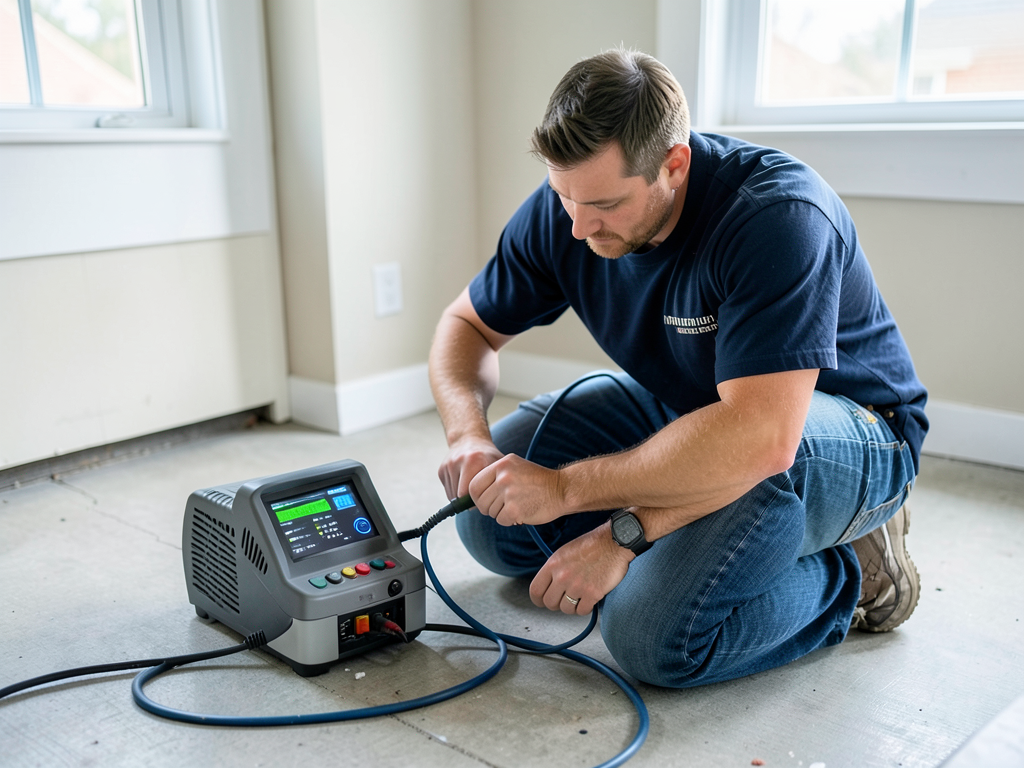
Electronic leak detection uses sensitive equipment to listen for water escaping through pipes. Technicians place ground microphones at strategic points around your home, detecting the unique sound frequency of pressurized water leaks. This method works through concrete and identifies leaks within inches of their actual location.
Thermal imaging cameras reveal temperature differences caused by hot water leaks. The cameras detect the thermal signature of escaping hot water, showing technicians exactly where to dig. This non-invasive method works best for hot water line leaks but can’t detect cold water leaks.
Pressure testing isolates sections of your plumbing system to identify leak locations. Technicians seal off different pipe runs and monitor pressure changes. A pressure drop in a sealed section confirms a leak exists within that specific area.
Video pipe inspection uses small cameras to examine pipe interiors directly. For accessible pipes, this method shows corrosion, cracks, and mineral buildup that indicate leak-prone areas. While not always possible for slab-embedded pipes, it’s valuable for exposed plumbing sections.
Slab leak repair and restoration process
Fixing a slab leak involves more than just patching pipes. The complete process addresses both the plumbing failure and the resulting water damage.
Initial assessment and containment begins with stopping water flow to prevent further damage. Technicians shut off the main water supply and may install temporary bypass systems to maintain basic water service during repairs.
Demolition and access requires removing flooring and breaking through concrete to reach the damaged pipe. The extent of demolition depends on the leak’s location and the chosen repair method. Sometimes, accessing the pipe requires removing cabinets or walls.
Pipe repair or replacement involves either patching the damaged section or replacing the entire pipe run. For copper pipes, technicians often recommend full replacement rather than spot repairs, as nearby sections likely show similar corrosion.
Water damage restoration addresses the moisture that has already spread through your home. This includes removing damaged flooring, drying wall cavities, treating for mold, and restoring affected areas to their original condition.
Preventive measures help prevent future leaks. These might include installing water pressure regulators, replacing old shut-off valves, or upgrading to PEX piping that resists corrosion better than copper.
Insurance considerations for slab leaks
Understanding your coverage helps you make informed decisions about repair timing and methods. Most Alabama homeowners policies treat slab leaks differently than sudden pipe bursts. EPA WaterSense.
Sudden damage coverage typically includes the cost to access and repair the pipe, plus damage to flooring and walls. However, many policies exclude damage from long-term leaks that could have been prevented through maintenance.
Documentation requirements are strict for insurance claims. You’ll need professional assessment reports, photos of damage, and detailed repair estimates. Some insurers require multiple quotes before approving extensive restoration work.
Deductibles and coverage limits affect your out-of-pocket costs. Slab leak repairs often exceed standard deductibles, and some policies cap coverage for foundation repairs or mold remediation.
Preventive maintenance exclusions mean insurers may deny claims if they determine you ignored obvious warning signs. Regular plumbing inspections and prompt attention to early symptoms strengthen your position if you need to file a claim.
Preventing future slab leaks
Once you’ve experienced a slab leak, taking preventive steps protects your investment and prevents recurrence. These measures address the root causes specific to Birmingham’s environment.. Read more about Why your Birmingham home feels damp and what it means for mold growth.
Water pressure regulation reduces stress on your plumbing system. Install a pressure-reducing valve if your home’s pressure exceeds 60 psi. Birmingham’s municipal systems sometimes deliver water at pressures that strain older pipes.
Water quality treatment extends pipe life by reducing mineral buildup and corrosion. Water softeners or conditioners help prevent the internal pipe damage that leads to slab leaks in Birmingham’s hard water conditions.
Regular plumbing inspections catch problems early. Professional plumbers can test water pressure, inspect visible pipes for corrosion, and check for early signs of slab movement or foundation issues.
Soil moisture management around your foundation helps prevent the expansion and contraction that damages pipes. Proper grading, gutter maintenance, and drainage systems keep excessive water away from your home’s foundation.
When to call a professional
Certain situations require immediate professional intervention. Recognizing these scenarios helps you act quickly to minimize damage.
Multiple warning signs appearing together indicate a serious problem. If you notice warm spots, hear running water, and see foundation cracks simultaneously, the leak is likely substantial and requires urgent attention.
Active water flow under your home demands immediate shutdown. If you can hear rushing water or see moisture actively seeping through floors, turn off your main water supply and call for emergency service.
Mold presence creates health hazards that require professional remediation. Visible mold growth or strong musty odors indicate moisture problems that extend beyond simple plumbing repairs.
Structural concerns like large foundation cracks or doors that no longer close properly suggest the leak has compromised your home’s structural integrity. These situations require assessment by both plumbing and foundation specialists.
Frequently Asked Questions
How much does slab leak detection cost in Birmingham?
Professional leak detection typically costs $200-$500 in the Birmingham area. The price varies based on your home’s size, the complexity of your plumbing system, and whether thermal imaging or electronic detection is needed. Some companies offer free detection with repair services.
Can I fix a slab leak myself?
DIY slab leak repair is not recommended. Accessing the leak requires breaking through concrete foundations, which can cause structural damage if done incorrectly. Professional plumbers have the tools and expertise to locate leaks precisely and repair them without compromising your home’s integrity.
How long does slab leak repair take?
Simple slab leak repairs typically take 1-2 days. Complex repairs involving extensive demolition or water damage restoration can take 3-5 days or longer. The timeline depends on the leak’s location, the repair method chosen, and the extent of water damage discovered during the process.
Will my homeowners insurance cover slab leak damage?
Coverage varies by policy, but most Alabama homeowners insurance covers sudden, accidental water damage from plumbing failures. However, damage from long-term leaks or lack of maintenance is often excluded. Check your specific policy and document everything if you need to file a claim.
What’s the difference between a slab leak and a foundation leak?
A slab leak specifically refers to water leaking from pipes within or under your concrete slab. A foundation leak can include any water intrusion through your foundation, including groundwater seepage, poor drainage, or plumbing leaks. Slab leaks are a type of foundation leak but not all foundation leaks involve plumbing.
Take action before your slab leak gets worse
Slab leaks don’t fix themselves—they only get worse over time. The water damage spreads, mold grows, and your repair costs multiply with each passing day. If you’re seeing any of the warning signs we’ve discussed, don’t wait until you’re dealing with a flooded home or major structural damage.
Early detection saves you thousands in restoration costs and prevents the health hazards that come with mold growth. Our Birmingham-based team understands the unique challenges Greystone homes face with clay soil, aging copper pipes, and Birmingham’s water chemistry. We use advanced leak detection technology to find problems quickly and minimize damage to your property.
Don’t let a hidden slab leak destroy your home’s foundation and your peace of mind. Call (659) 234-8188 today to schedule your professional inspection. We offer 24/7 emergency service for active leaks and can often diagnose problems the same day you call. Your home deserves expert care from technicians who understand Birmingham’s specific building challenges.
Pick up the phone and call (659) 234-8188 before the next storm hits. The sooner we find the leak, the less damage your home will suffer and the faster we can get your life back to normal. For more information, visit IICRC Standards.
You may also find this helpful. Is your soaked carpet worth saving after a leak in Crestline?.
{
“@context”: “https://schema.org”,
“@type”: “BlogPosting”,
“headline”: “How to tell if your Greystone home has a hidden slab leak”,
“description”: “Learn the warning signs of a slab leak in your Greystone home, from warm floor spots to rising water bills. Discover how Birmingham’s clay soil and aging pipes create unique risks.”,
“wordCount”: 2456,
“datePublished”: “2026-03-08T12:59:00.000Z”,
“dateModified”: “2026-03-08T12:59:00.000Z”,
“inLanguage”: “en-US”,
“mainEntityOfPage”: {
“@type”: “WebPage”,
“@id”: “https://grandwaterdamagerestorationbirmingham.com”
},
“publisher”: {
“@type”: “LocalBusiness”,
“name”: “Grand Water Damage Restoration Birmingham”,
“url”: “https://grandwaterdamagerestorationbirmingham.com”
},
“author”: {
“@type”: “Organization”,
“name”: “Grand Water Damage Restoration Birmingham”,
“url”: “https://grandwaterdamagerestorationbirmingham.com”
},
“image”: {
“@type”: “ImageObject”,
“url”: “https://grandwaterdamagerestorationbirmingham.com/wp-content/uploads/2026/03/how-to-tell-if-your-greystone-home-has-a-hidden-sl-1.png”
}
}
{
“@context”: “https://schema.org”,
“@type”: “LocalBusiness”,
“name”: “Grand Water Damage Restoration Birmingham”,
“url”: “https://grandwaterdamagerestorationbirmingham.com”,
“address”: {
“@type”: “PostalAddress”,
“addressLocality”: “Birmingham”
},
“areaServed”: {
“@type”: “City”,
“name”: “Birmingham”
}
}
{
“@context”: “https://schema.org”,
“@type”: “FAQPage”,
“mainEntity”: [
{
“@type”: “Question”,
“name”: “How much does slab leak detection cost in Birmingham?”,
“acceptedAnswer”: {
“@type”: “Answer”,
“text”: “Professional leak detection typically costs $200-$500 in the Birmingham area. The price varies based on your home’s size, the complexity of your plumbing system, and whether thermal imaging or electronic detection is needed. Some companies offer free detection with repair services.”
}
},
{
“@type”: “Question”,
“name”: “Can I fix a slab leak myself?”,
“acceptedAnswer”: {
“@type”: “Answer”,
“text”: “DIY slab leak repair is not recommended. Accessing the leak requires breaking through concrete foundations, which can cause structural damage if done incorrectly. Professional plumbers have the tools and expertise to locate leaks precisely and repair them without compromising your home’s integrity.”
}
},
{
“@type”: “Question”,
“name”: “How long does slab leak repair take?”,
“acceptedAnswer”: {
“@type”: “Answer”,
“text”: “Simple slab leak repairs typically take 1-2 days. Complex repairs involving extensive demolition or water damage restoration can take 3-5 days or longer. The timeline depends on the leak’s location, the repair method chosen, and the extent of water damage discovered during the process.”
}
},
{
“@type”: “Question”,
“name”: “Will my homeowners insurance cover slab leak damage?”,
“acceptedAnswer”: {
“@type”: “Answer”,
“text”: “Coverage varies by policy, but most Alabama homeowners insurance covers sudden, accidental water damage from plumbing failures. However, damage from long-term leaks or lack of maintenance is often excluded. Check your specific policy and document everything if you need to file a claim.”
}
},
{
“@type”: “Question”,
“name”: “What’s the difference between a slab leak and a foundation leak?”,
“acceptedAnswer”: {
“@type”: “Answer”,
“text”: “A slab leak specifically refers to water leaking from pipes within or under your concrete slab. A foundation leak can include any water intrusion through your foundation, including groundwater seepage, poor drainage, or plumbing leaks. Slab leaks are a type of foundation leak but not all foundation leaks involve plumbing.”
}
}
]
}
{
“@context”: “https://schema.org”,
“@type”: “BreadcrumbList”,
“itemListElement”: [
{
“@type”: “ListItem”,
“position”: 1,
“name”: “Home”,
“item”: “https://grandwaterdamagerestorationbirmingham.com”
},
{
“@type”: “ListItem”,
“position”: 2,
“name”: “Blog”,
“item”: “https://grandwaterdamagerestorationbirmingham.com/blog”
},
{
“@type”: “ListItem”,
“position”: 3,
“name”: “How to tell if your Greystone home has a hidden slab leak”
}
]
}
{
“@context”: “https://schema.org”,
“@type”: “Service”,
“serviceType”: “Water Damage Restoration”,
“provider”: {
“@type”: “LocalBusiness”,
“name”: “Grand Water Damage Restoration Birmingham”,
“url”: “https://grandwaterdamagerestorationbirmingham.com”
},
“areaServed”: {
“@type”: “City”,
“name”: “Birmingham”
},
“description”: “Learn the warning signs of a slab leak in your Greystone home, from warm floor spots to rising water bills. Discover how Birmingham’s clay soil and aging pipes create unique risks.”
}