
What Homeowners in Arlington West End Should Know About Peeling Wallpaper and Hidden Mold
Peeling wallpaper in your Arlington West End home might seem like a minor cosmetic issue, but it often signals something far more serious lurking behind the walls. When wallpaper starts to bubble, warp, or separate from the drywall, moisture has already compromised the wall cavity. In Birmingham’s humid climate, that moisture frequently creates the perfect breeding ground for mold growth that you cannot see until it becomes a major problem. EPA Mold Resources.
Homeowners in Arlington West End face unique challenges due to the neighborhood’s mix of older construction and Birmingham’s notorious humidity levels. The area’s historic homes, many built before modern vapor barriers became standard, are particularly vulnerable to moisture intrusion. Understanding the connection between peeling wallpaper and hidden mold can save you thousands in remediation costs and protect your family’s health. Finding the best mold remediation experts in Mountain Brook.
Why Peeling Wallpaper Often Indicates Mold Growth
Wallpaper serves as more than just a decorative element. In many Birmingham homes, especially those in Arlington West End, wallpaper acts as a moisture trap when humidity levels rise. Vinyl wallpaper, common in many older homes, creates a non-breathable barrier that prevents walls from drying properly.
When moisture from high humidity, plumbing leaks, or foundation seepage contacts the back of wallpaper, several things happen simultaneously. The adhesive loses its grip, causing visible peeling. Meanwhile, the trapped moisture creates an ideal environment for mold spores to germinate and spread across the paper backing and into the drywall beneath.
The science behind this process involves vapor pressure differentials. Birmingham’s average relative humidity often exceeds 70% during summer months. When warm, moist air contacts cooler wall surfaces behind wallpaper, condensation forms. This condensation provides the moisture mold needs to thrive, typically within 24-48 hours of initial contact.
Signs of Mold Growth Under Your Wallpaper
Recognizing the warning signs early can prevent extensive damage. Beyond the obvious peeling, several indicators suggest mold may be growing behind your wallpaper. Water Damage Restoration Birmingham.
Musty odors represent one of the most reliable indicators. Mold produces microbial volatile organic compounds (mVOCs) that create that distinctive damp, earthy smell. If you notice this odor intensifying in certain rooms, particularly after rain or during humid weather, mold growth is likely present. The most reliable water damage repair companies in Pelham.
Visual cues include discoloration that appears through the wallpaper surface. These stains often manifest as dark spots, yellow-brown patches, or areas that seem to darken over time. The discoloration typically corresponds to moisture accumulation points.
Physical changes in the wallpaper itself provide additional clues. Bubbling or blistering indicates moisture pockets forming between the paper and wall surface. Seams that separate or curl upward suggest adhesive failure from prolonged moisture exposure.
Temperature variations across wall surfaces can also indicate moisture problems. Areas behind wallpaper with active mold growth often feel cooler to the touch due to evaporative cooling from moisture presence.
Birmingham’s Climate Creates Perfect Mold Conditions
Arlington West End homeowners must contend with Birmingham’s unique climate challenges. The city’s location in the humid subtropical climate zone means moisture problems persist year-round, not just during traditional rainy seasons.
Summer thunderstorms frequently dump several inches of rain within hours. This intense precipitation can overwhelm drainage systems, especially in older Arlington West End neighborhoods where infrastructure may not meet current capacity standards. Water infiltration through foundations or roof leaks becomes more likely during these events.
Winter brings its own challenges. While Birmingham rarely experiences prolonged freezing temperatures, occasional cold snaps can cause condensation on interior wall surfaces. When warm indoor air contacts cold exterior walls, moisture forms exactly where wallpaper creates the worst possible conditions for drying.
Spring and fall transitional seasons often feature dramatic temperature swings. These fluctuations increase condensation risks as walls warm and cool throughout the day. The repeated moisture exposure accelerates wallpaper deterioration and mold growth potential.
The Danger of DIY Wallpaper Removal
Many Arlington West End homeowners discover mold problems while attempting DIY wallpaper removal projects. What starts as a simple weekend renovation can quickly become a hazardous situation.
Stripping wallpaper without proper containment releases millions of mold spores into the air. These microscopic particles become airborne easily and can spread throughout your home via the HVAC system. Once distributed, mold spores settle on other surfaces and begin new colonies.
Common DIY removal methods often worsen the problem. Steam wallpaper removal adds moisture to an already compromised wall cavity. Chemical removers can react with mold, causing it to release more spores. Even dry stripping methods disturb settled mold colonies, creating aerosolized particles.
Health risks from exposure vary significantly. Some individuals experience immediate allergic reactions including sneezing, coughing, and skin irritation. Others face delayed responses or develop respiratory issues over time. Children, elderly individuals, and those with compromised immune systems face the highest risks.
Professional mold remediation follows strict protocols established by the IICRC S520 standard. These guidelines require containment barriers, negative air pressure systems, and HEPA filtration to prevent cross-contamination during removal procedures. Professional basement flood cleanup services for Vestavia Hills homeowners.
Common Mold Species Found Behind Wallpaper
Several mold species commonly colonize wall cavities in Birmingham homes. Understanding which types you might encounter helps assess potential health risks and remediation requirements.
Cladosporium ranks among the most frequently found species. This mold appears as olive-green to brown colonies and thrives in both warm and cool environments. While generally considered an allergen rather than a toxin producer, Cladosporium can trigger significant respiratory issues.
Aspergillus represents another common wallpaper mold. This genus includes both allergenic and toxigenic species. Some Aspergillus varieties produce aflatoxins, potent carcinogens that can cause serious health problems with prolonged exposure.
Stachybotrys chartarum, commonly called black mold, prefers cellulose-rich materials like drywall paper backing. This mold requires constant moisture to thrive, making it a likely inhabitant of walls with active leaks or severe condensation problems. While not all black molds are Stachybotrys, any dark mold growth warrants professional evaluation.
Penicillium species often colonize wallpaper in areas with intermittent moisture exposure. These molds can produce mycotoxins and frequently cause allergic reactions. Their rapid growth rate means small problems can escalate quickly without intervention.
Professional Mold Detection Methods
Professional mold inspectors use several tools to detect hidden growth behind wallpaper and within wall cavities. These methods provide accurate assessments without destructive testing.
Moisture meters measure water content in building materials. These devices use either pin-type probes that penetrate surfaces or non-invasive scanning technology. Readings above 16-20% moisture content indicate conditions favorable for mold growth.
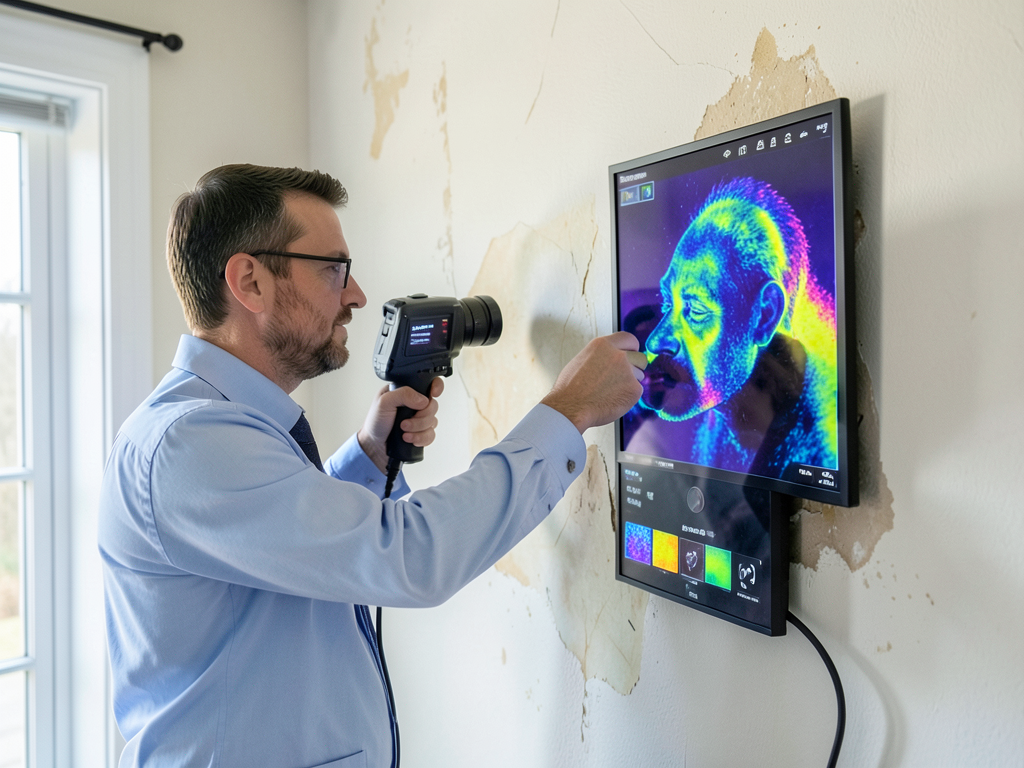
Thermal imaging cameras detect temperature variations that suggest moisture presence. Wet materials conduct heat differently than dry materials, creating visible patterns on infrared scans. These cameras can identify problem areas without physical contact or damage.
Boroscope inspection allows visual examination of wall cavities through small access holes. This flexible camera probe can navigate around obstacles and provide real-time video of interior conditions. The inspection reveals mold growth extent, moisture damage, and structural issues.
Air quality testing measures airborne mold spore concentrations. Samples collected from affected areas compare against outdoor baseline readings. Elevated indoor spore counts indicate active mold growth requiring remediation.
Surface sampling involves collecting material from visible mold growth for laboratory analysis. This testing identifies specific species and determines whether toxic varieties are present. The results guide appropriate remediation strategies.
Our 5-Step Professional Remediation Process
Professional mold remediation follows a systematic approach that ensures complete removal while preventing cross-contamination. Each step addresses specific aspects of the mold problem.
- Comprehensive Assessment
Technicians conduct detailed inspections using moisture meters, thermal imaging, and air quality testing. This evaluation determines the extent of mold growth, moisture sources, and affected materials. The assessment guides the entire remediation strategy.
- Containment Setup
Physical barriers isolate the work area using polyethylene sheeting and negative air pressure systems. HEPA-filtered air scrubbers maintain clean air outside the containment zone. This setup prevents mold spores from spreading to unaffected areas during removal procedures.
- Safe Removal
Contaminated materials undergo careful removal following IICRC S520 protocols. Technicians wear appropriate personal protective equipment including respirators, gloves, and disposable coveralls. Specialized tools minimize dust generation during demolition and removal processes.
- Antimicrobial Treatment
EPA-registered antimicrobial solutions eliminate remaining mold spores and inhibit future growth. These treatments penetrate porous surfaces to address mold within material substrates. The application ensures comprehensive coverage of all affected areas.
- Moisture Correction
Addressing the underlying moisture problem prevents mold recurrence. This step may involve repairing plumbing leaks, improving drainage, installing vapor barriers, or recommending humidity control measures. Without moisture correction, mold returns within weeks of remediation.
Preventing Mold Growth Behind Wallpaper
Prevention proves more cost-effective than remediation. Several strategies help Arlington West End homeowners minimize mold risks behind wallpaper.
Humidity control represents the most critical prevention measure. Maintaining indoor relative humidity between 30-50% creates conditions unfavorable for mold growth. Dehumidifiers prove particularly valuable in Birmingham’s humid climate, especially in basements and crawl spaces.
Proper ventilation reduces moisture accumulation in bathrooms, kitchens, and laundry areas. Exhaust fans should vent directly outdoors rather than into attics or crawl spaces. Regular maintenance ensures these systems operate at peak efficiency.
Prompt leak repair prevents moisture problems from escalating. Even small drips from plumbing fixtures or roof leaks can create conditions suitable for mold growth within days. Regular inspections help identify potential issues before they become major problems.
Choosing appropriate wall coverings makes a significant difference. In high-moisture areas, consider mold-resistant drywall or cement board instead of traditional drywall with wallpaper. These materials withstand moisture exposure without supporting mold growth.
Maintaining proper drainage around your home’s foundation prevents groundwater infiltration. This includes keeping gutters clean, extending downspouts away from foundations, and ensuring proper grading slopes away from the structure.
Insurance Considerations for Mold Damage
Understanding your insurance coverage helps manage financial expectations for mold remediation. Standard homeowners insurance policies in Alabama treat mold differently than other types of property damage.
Most policies exclude mold damage resulting from long-term moisture exposure or maintenance issues. However, they typically cover mold resulting from sudden, accidental water damage like burst pipes or appliance failures. The distinction often determines whether your claim receives approval.
Documentation proves crucial for successful claims. Maintain records of all maintenance activities, water damage incidents, and remediation efforts. Photographs showing the progression of problems strengthen your position when filing claims.
Professional assessments carry significant weight with insurance adjusters. Third-party inspections provide objective documentation of damage extent and necessary remediation steps. These reports often support claim approval and appropriate compensation amounts.
Some insurance companies offer mold-specific endorsements for additional coverage. These riders typically cost extra but provide protection against mold damage from various sources. Review your policy annually to ensure adequate coverage for your home’s specific risks.
Arlington West End’s Unique Challenges
Arlington West End presents specific challenges for mold prevention and remediation. The neighborhood’s mix of architectural styles and construction eras creates varying vulnerability levels.
Historic homes built before 1950 often lack modern moisture barriers and proper ventilation systems. These properties frequently feature plaster walls with multiple wallpaper layers, creating complex moisture management issues. The original construction methods, while durable, did not account for modern humidity control needs.
Mid-century homes in the area may have undergone multiple renovations, sometimes creating moisture traps between new and old construction. Additions, enclosed porches, and finished basements can introduce water management problems absent in the original design.
The neighborhood’s mature tree canopy, while providing shade and aesthetic benefits, can contribute to moisture problems. Overhanging branches may direct water toward foundations or roofs. Leaf debris in gutters causes overflow that saturates exterior walls.
Arlington West End’s proximity to Village Creek creates additional moisture considerations. The creek’s water level fluctuates seasonally, affecting groundwater tables and potentially increasing basement moisture risks for nearby properties.
When to Call a Professional
Certain situations demand immediate professional intervention. Recognizing these scenarios helps protect your health and property value.
Extensive visible mold growth covering more than 10 square feet requires professional remediation. At this scale, DIY methods cannot adequately address the problem without risking cross-contamination throughout your home.
Musty odors that persist despite cleaning efforts indicate hidden mold problems. These odors suggest active growth within wall cavities, under flooring, or in other concealed areas. Professional inspection can locate the source and determine appropriate remediation steps.
Recent water damage events create urgency for professional evaluation. Whether from plumbing failures, roof leaks, or flooding, moisture exposure within the past 48-72 hours requires prompt assessment to prevent mold establishment.
Health symptoms that improve when away from home may indicate indoor air quality problems. These symptoms can include respiratory issues, headaches, fatigue, or skin irritation. Professional testing can determine whether mold contributes to these health concerns.
Real estate transactions involving properties with visible moisture or mold issues require professional evaluation. Proper assessment protects both buyers and sellers by identifying problems and recommending appropriate remediation strategies.
Cost Factors in Mold Remediation
Several variables influence mold remediation costs in Arlington West End homes. Understanding these factors helps homeowners budget appropriately for necessary services.
Problem extent represents the primary cost driver. Small, contained mold growth in a single room costs significantly less to remediate than widespread contamination affecting multiple areas. The square footage of affected materials directly correlates with labor and material requirements.
Material types influence remediation complexity and cost. Mold on non-porous surfaces like tile or metal requires different treatment than growth on porous materials like drywall or insulation. Porous materials often require complete removal rather than surface treatment.
Accessibility affects labor requirements. Mold in easily accessible areas costs less to remediate than growth in confined spaces, behind built-in features, or within complex mechanical systems. Difficult access increases labor time and may require specialized equipment.
Moisture source correction adds to total project costs but proves essential for preventing recurrence. This work might include plumbing repairs, drainage improvements, or HVAC modifications. While increasing upfront expenses, these corrections provide long-term value by preventing future problems.
Testing and documentation requirements vary by project scope and insurance involvement. Comprehensive testing provides valuable data but adds cost. However, this investment often pays dividends through smoother insurance claims and verification of successful remediation.
Local Building Codes and Mold Remediation
Professional mold remediation in Birmingham must comply with local building codes and industry standards. Understanding these requirements ensures proper procedures and protects homeowners from substandard work.
The Alabama Residential Building Code incorporates provisions from the International Residential Code regarding moisture management and ventilation requirements. These standards establish minimum requirements for preventing moisture-related problems in residential construction.
IICRC S520 serves as the industry standard for mold remediation. This standard outlines procedures for containment, removal, and verification of successful remediation. Professional remediators follow these guidelines to ensure thorough and safe mold removal.
EPA regulations govern the use of antimicrobial treatments and disposal of contaminated materials. These rules protect environmental and public health by ensuring proper handling of potentially hazardous substances during remediation processes.
Local permitting requirements may apply to extensive remediation projects, particularly those involving structural modifications or mechanical system work. Compliance with these requirements ensures work meets safety standards and maintains property value.
Frequently Asked Questions
How can I tell if mold is growing behind my wallpaper?
Look for peeling, bubbling, or discoloration in the wallpaper surface. Musty odors, especially after rain or during humid weather, strongly indicate hidden mold growth. Temperature variations across wall surfaces and persistent allergy symptoms when indoors also suggest mold problems.
Is it safe to remove moldy wallpaper myself?
No, DIY removal often releases millions of mold spores into your home’s air. This can spread contamination to other areas and create serious health risks. Professional remediation follows strict containment protocols to prevent cross-contamination during removal procedures.
How much does professional mold remediation cost?
Costs vary based on the extent of contamination, affected materials, and required repairs. Small projects might cost $500-1,500, while extensive remediation can exceed $10,000. Most homeowners pay between $2,000-5,000 for typical mold problems behind wallpaper.
Will my homeowners insurance cover mold damage?
Coverage depends on the cause of moisture. Sudden, accidental water damage is typically covered, but long-term moisture exposure or maintenance issues are usually excluded. Document all incidents and consult your insurance provider about specific coverage details.
How long does mold remediation take?
Most residential projects complete within 3-7 days, depending on the extent of contamination and required repairs. The actual remediation work often takes 1-2 days, with additional time needed for containment setup, testing, and moisture correction.
Protecting Your Arlington West End Home
Peeling wallpaper represents more than a cosmetic concern for Arlington West End homeowners. It often signals hidden moisture problems that can escalate into serious mold infestations affecting your home’s structure and your family’s health.
Understanding the connection between wallpaper deterioration and mold growth empowers you to take appropriate action. Early intervention prevents extensive damage and reduces remediation costs. Professional assessment provides accurate information about problem extent and necessary corrective measures.
Birmingham’s humid climate creates ongoing challenges for moisture management. However, proper prevention strategies, prompt attention to warning signs, and professional remediation when needed help maintain healthy, mold-free homes in Arlington West End.
Don’t wait until peeling wallpaper becomes a major mold problem. If you notice signs of moisture damage or suspect hidden mold growth, professional evaluation can identify issues before they escalate into costly repairs.
Call (659) 234-8188 today to schedule your inspection. Our experienced technicians understand Arlington West End’s unique challenges and provide comprehensive mold assessment and remediation services. We’ll help you protect your home and your family’s health from the risks of hidden mold growth.
Pick up the phone and call (659) 234-8188 before the next storm hits. Birmingham’s humidity and occasional heavy rains create perfect conditions for mold growth behind wallpaper. Professional intervention now can prevent thousands in damage later. For more information, visit CDC Mold Information.
{
“@context”: “https://schema.org”,
“@type”: “BlogPosting”,
“headline”: “What Homeowners in Arlington West End Should Know About Peeling Wallpaper and Hidden Mold”,
“description”: “Peeling wallpaper in Arlington West End homes often signals hidden mold growth. Learn the risks, signs, and why professional remediation is critical for Birmingham homeowners.”,
“wordCount”: 2956,
“datePublished”: “2026-05-25T08:24:00.000Z”,
“dateModified”: “2026-05-25T08:24:00.000Z”,
“inLanguage”: “en-US”,
“mainEntityOfPage”: {
“@type”: “WebPage”,
“@id”: “https://grandwaterdamagerestorationbirmingham.com”
},
“publisher”: {
“@type”: “LocalBusiness”,
“name”: “Grand Water Damage Restoration Birmingham”,
“url”: “https://grandwaterdamagerestorationbirmingham.com”
},
“author”: {
“@type”: “Organization”,
“name”: “Grand Water Damage Restoration Birmingham”,
“url”: “https://grandwaterdamagerestorationbirmingham.com”
},
“image”: {
“@type”: “ImageObject”,
“url”: “https://grandwaterdamagerestorationbirmingham.com/wp-content/uploads/2026/03/what-homeowners-in-arlington-west-end-should-know-1.png”
}
}
{
“@context”: “https://schema.org”,
“@type”: “LocalBusiness”,
“name”: “Grand Water Damage Restoration Birmingham”,
“url”: “https://grandwaterdamagerestorationbirmingham.com”,
“address”: {
“@type”: “PostalAddress”,
“addressLocality”: “Birmingham”
},
“areaServed”: {
“@type”: “City”,
“name”: “Birmingham”
}
}
{
“@context”: “https://schema.org”,
“@type”: “FAQPage”,
“mainEntity”: [
{
“@type”: “Question”,
“name”: “How can I tell if mold is growing behind my wallpaper?”,
“acceptedAnswer”: {
“@type”: “Answer”,
“text”: “Look for peeling, bubbling, or discoloration in the wallpaper surface. Musty odors, especially after rain or during humid weather, strongly indicate hidden mold growth. Temperature variations across wall surfaces and persistent allergy symptoms when indoors also suggest mold problems.”
}
},
{
“@type”: “Question”,
“name”: “Is it safe to remove moldy wallpaper myself?”,
“acceptedAnswer”: {
“@type”: “Answer”,
“text”: “No, DIY removal often releases millions of mold spores into your home’s air. This can spread contamination to other areas and create serious health risks. Professional remediation follows strict containment protocols to prevent cross-contamination during removal procedures.”
}
},
{
“@type”: “Question”,
“name”: “How much does professional mold remediation cost?”,
“acceptedAnswer”: {
“@type”: “Answer”,
“text”: “Costs vary based on the extent of contamination, affected materials, and required repairs. Small projects might cost $500-1,500, while extensive remediation can exceed $10,000. Most homeowners pay between $2,000-5,000 for typical mold problems behind wallpaper.”
}
},
{
“@type”: “Question”,
“name”: “Will my homeowners insurance cover mold damage?”,
“acceptedAnswer”: {
“@type”: “Answer”,
“text”: “Coverage depends on the cause of moisture. Sudden, accidental water damage is typically covered, but long-term moisture exposure or maintenance issues are usually excluded. Document all incidents and consult your insurance provider about specific coverage details.”
}
},
{
“@type”: “Question”,
“name”: “How long does mold remediation take?”,
“acceptedAnswer”: {
“@type”: “Answer”,
“text”: “Most residential projects complete within 3-7 days, depending on the extent of contamination and required repairs. The actual remediation work often takes 1-2 days, with additional time needed for containment setup, testing, and moisture correction.”
}
}
]
}
{
“@context”: “https://schema.org”,
“@type”: “HowTo”,
“name”: “Professional Mold Remediation Process”,
“step”: [
{
“@type”: “HowToStep”,
“position”: 1,
“name”: “Comprehensive Assessment”,
“text”: “Technicians conduct detailed inspections using moisture meters, thermal imaging, and air quality testing. This evaluation determines the extent of mold growth, moisture sources, and affected materials. The assessment guides the entire remediation strategy.”
},
{
“@type”: “HowToStep”,
“position”: 2,
“name”: “Containment Setup”,
“text”: “Physical barriers isolate the work area using polyethylene sheeting and negative air pressure systems. HEPA-filtered air scrubbers maintain clean air outside the containment zone. This setup prevents mold spores from spreading to unaffected areas during removal procedures.”
},
{
“@type”: “HowToStep”,
“position”: 3,
“name”: “Safe Removal”,
“text”: “Contaminated materials undergo careful removal following IICRC S520 protocols. Technicians wear appropriate personal protective equipment including respirators, gloves, and disposable coveralls. Specialized tools minimize dust generation during demolition and removal processes.”
},
{
“@type”: “HowToStep”,
“position”: 4,
“name”: “Antimicrobial Treatment”,
“text”: “EPA-registered antimicrobial solutions eliminate remaining mold spores and inhibit future growth. These treatments penetrate porous surfaces to address mold within material substrates. The application ensures comprehensive coverage of all affected areas.”
},
{
“@type”: “HowToStep”,
“position”: 5,
“name”: “Moisture Correction”,
“text”: “Addressing the underlying moisture problem prevents mold recurrence. This step may involve repairing plumbing leaks, improving drainage, installing vapor barriers, or recommending humidity control measures. Without moisture correction, mold returns within weeks of remediation.”
}
],
“image”: “https://grandwaterdamagerestorationbirmingham.com/wp-content/uploads/2026/03/what-homeowners-in-arlington-west-end-should-know-1.png”
}
{
“@context”: “https://schema.org”,
“@type”: “BreadcrumbList”,
“itemListElement”: [
{
“@type”: “ListItem”,
“position”: 1,
“name”: “Home”,
“item”: “https://grandwaterdamagerestorationbirmingham.com”
},
{
“@type”: “ListItem”,
“position”: 2,
“name”: “Blog”,
“item”: “https://grandwaterdamagerestorationbirmingham.com/blog”
},
{
“@type”: “ListItem”,
“position”: 3,
“name”: “What Homeowners in Arlington West End Should Know About Peeling Wallpaper and Hidden Mold”
}
]
}
{
“@context”: “https://schema.org”,
“@type”: “Service”,
“serviceType”: “Water Damage Restoration”,
“provider”: {
“@type”: “LocalBusiness”,
“name”: “Grand Water Damage Restoration Birmingham”,
“url”: “https://grandwaterdamagerestorationbirmingham.com”
},
“areaServed”: {
“@type”: “City”,
“name”: “Birmingham”
},
“description”: “Peeling wallpaper in Arlington West End homes often signals hidden mold growth. Learn the risks, signs, and why professional remediation is critical for Birmingham homeowners.”
}