
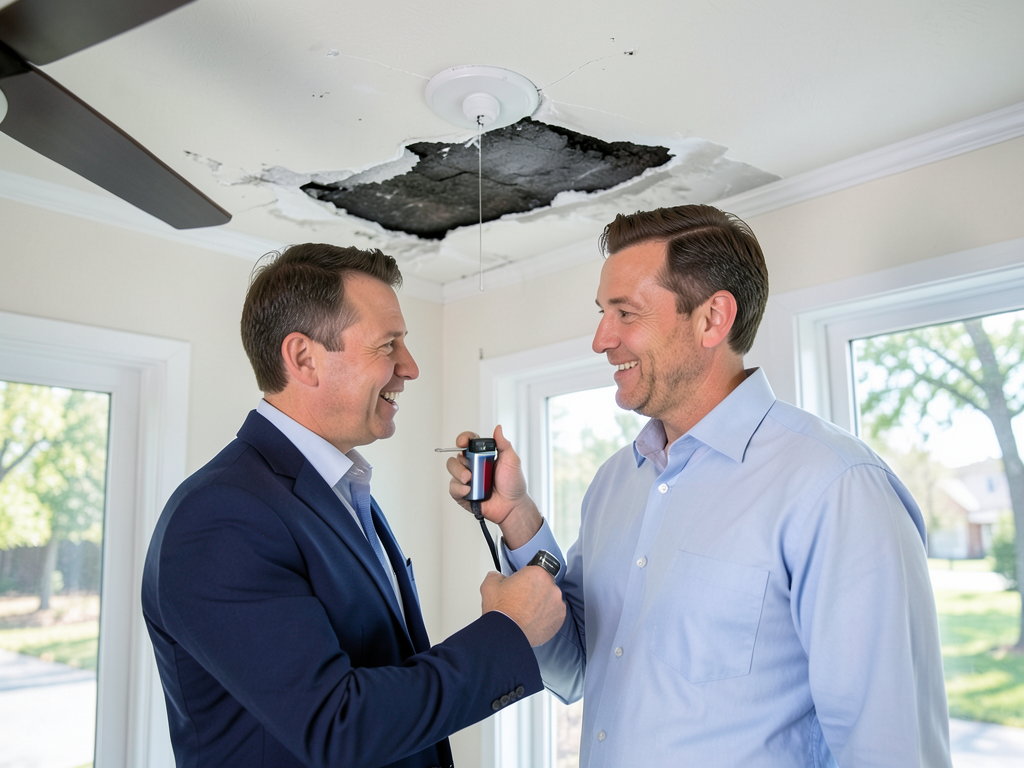
Why Your AC Condensate Line Might Be Flooding Your Bluff Park Hallway
Your air conditioner works hard in Bluff Park’s Alabama humidity. When the condensate line clogs, water backs up and can flood your hallway ceiling or walls within hours. The warm moist air we experience from May through September causes your AC to produce more condensation than in drier climates. That extra water needs somewhere to go. When the drain line gets blocked by algae, dirt, or rust, it has nowhere to drain except back into your home. The most reliable water damage repair companies in Pelham.
Many Bluff Park homes built in the 1950s through 1970s have attic units with secondary drain pans that overflow quickly when the primary line fails. The damage spreads fast across hardwood floors, plaster walls, and vintage trim that cannot handle moisture exposure. You might notice a musty smell first or see water dripping from a ceiling register. These are warning signs that require immediate action before mold begins growing in 24 to 48 hours. How to handle a sewage backup in your Homewood home quickly.
Call (659) 234-8188 today to schedule your inspection before the next storm hits. Our team responds to Bluff Park water damage emergencies within 60 minutes and knows exactly how Alabama humidity affects your home’s structure.
Common Causes of AC Condensate Line Clogs in Birmingham Homes
Alabama’s high humidity creates perfect conditions for algae growth inside your AC drain line. The dark moist environment inside the PVC pipe becomes a breeding ground for bacteria and biofilm that eventually block water flow. When outdoor temperatures stay above 85 degrees for weeks, your AC runs constantly producing gallons of condensation daily.
Hard water in the Birmingham area leaves mineral deposits that narrow the pipe diameter over time. These deposits combine with algae to create stubborn clogs that standard cleaning cannot remove. Rust from older metal drain pans flakes off and mixes with the debris creating a thick sludge that stops water dead in its tracks.
Squirrels and rodents sometimes chew through exposed drain line connections on rooftops. This damage allows dirt and insects to enter the system creating blockages that grow worse with each rainfall. The problem often goes unnoticed until water appears inside your home.
Neglected maintenance causes most condensate line failures in Bluff Park homes. Many homeowners skip annual AC tune ups that include drain line cleaning. Without regular flushing with vinegar solution or commercial cleaners, the line becomes a perfect trap for all kinds of debris.
Diagnostic Tip: A properly functioning drain line should drip steadily when your AC runs on a humid day. No drip means a blockage somewhere in the system. You can check this by watching the outdoor drain pipe while the unit operates for five minutes.
Signs Your AC Leak Has Caused Hidden Water Damage
Water damage often hides behind walls and under floors long before you see visible signs. The first indicator is usually a musty odor that gets stronger when your AC runs. This smell comes from mold spores beginning to grow on damp wood and drywall surfaces.
Ceiling stains appear as yellowish or brownish spots that grow larger over days or weeks. These stains indicate water pooling above your ceiling tiles or plaster. The damage spreads outward from the center point creating a circular pattern that gets darker as moisture continues seeping through.
Hardwood floors show damage through warping, buckling, or cupping. The edges of boards lift slightly creating an uneven surface. This happens when moisture penetrates the wood causing it to expand. In severe cases, boards separate completely from the subfloor creating dangerous tripping hazards. EPA Mold Guidelines.
Baseboards and door frames swell and crack when exposed to prolonged moisture. Paint bubbles and peels away from the surface as water breaks the adhesive bond. Drywall becomes soft and spongy to the touch indicating water saturation deep into the wall cavity.
Electrical outlets near water damage can short circuit creating fire hazards. Water conducts electricity and can cause sparks when it contacts wiring. If you notice flickering lights or dead outlets in a water damaged area, turn off power immediately and call a professional. Professional basement flood cleanup services for Vestavia Hills homeowners.
Moisture Meter Test: Professional restoration teams use moisture meters to detect hidden water in walls. The meter sends electrical signals through building materials to measure water content. Readings above 16 percent indicate active moisture that requires drying equipment.
Professional Water Extraction and Structural Drying Process
Water damage restoration follows strict protocols from the IICRC S500 standard for professional water mitigation. The process begins with water extraction using powerful truck mounted vacuums that remove standing water within hours. This prevents further absorption into building materials. IICRC S500 Standard.
Industrial dehumidifiers then remove moisture from the air and materials. These machines can extract up to 20 gallons of water daily from a flooded space. The drying process typically takes three to five days depending on the extent of damage and building materials involved. Washing Machine Overflow Cleanup.
Air movers create high velocity airflow across wet surfaces accelerating evaporation. The combination of heat, air movement, and dehumidification removes moisture much faster than natural drying. This prevents mold growth which can begin within 24 to 48 hours of water exposure.
Antimicrobial treatments kill existing mold spores and prevent new growth. EPA registered disinfectants are applied to all affected surfaces including areas that appear dry. This step is critical in Birmingham’s humid climate where mold thrives year round.
Moisture monitoring continues throughout the drying process. Technicians take readings daily to track progress and adjust equipment placement. The goal is achieving normal moisture content levels before reconstruction begins.
Structural Assessment: After drying, professionals inspect for hidden damage like compromised framing or insulation. Water can weaken structural components without visible signs. This inspection determines what materials need replacement versus restoration.
Emergency Water Damage Restoration Protocols
When you discover water from your AC, immediate action prevents thousands in additional damage. First turn off your AC unit at the thermostat and circuit breaker. This stops more water from entering your home while you address the existing problem.
Remove standing water using towels, mops, or a wet vacuum if available. The longer water sits, the more it seeps into floors and walls. Place aluminum foil under furniture legs to prevent rust stains on wet carpet or hardwood.
Move valuables, electronics, and important documents to dry areas immediately. Water spreads quickly and can destroy irreplaceable items within minutes. Document the damage with photos for insurance purposes before beginning cleanup.
Increase air circulation by opening windows and running fans if weather permits. This helps begin the drying process while you wait for professional help. However, do not use your HVAC system as it may spread contaminated water through the ducts.
Call a professional restoration company immediately. Water damage requires specialized equipment and training to mitigate properly. Most companies offer 24/7 emergency service and can arrive within an hour for Bluff Park homes.
Safety First: Do not enter rooms with sagging ceilings or standing water near electrical outlets. Water and electricity create deadly hazards. Let professionals handle these dangerous situations with proper safety equipment.
Insurance Claims for AC Water Damage in Alabama
Homeowner insurance typically covers sudden AC water damage but not maintenance related failures. If your condensate line clogs due to lack of maintenance, the claim may be denied. Most policies cover damage from accidental discharge but exclude wear and tear.
Document everything from the moment you discover the leak. Take photos of the water source, damaged items, and affected areas. Keep receipts for any emergency repairs or cleanup you perform yourself. This documentation speeds up the claims process significantly.
Most insurance companies require you to mitigate further damage after discovering a leak. This means taking reasonable steps to prevent additional water from entering your home. Failure to do so could reduce your claim payout or result in denial.
Restoration companies often work directly with insurance adjusters to streamline the process. They provide detailed damage assessments and repair estimates that insurance companies trust. This coordination can save you weeks of back and forth with your insurance company.
Alabama Department of Insurance regulates how companies handle water damage claims in the state. They require prompt response to claims and fair settlement practices. If you feel your claim is being unfairly denied, you can file a complaint with the department.
Claim Timeline: Most water damage claims settle within 30 days if you provide complete documentation. Delays often occur due to missing information or disputes over coverage. Working with a restoration company that handles insurance claims can prevent these delays.
Preventing Future AC Condensate Line Problems
Regular maintenance prevents most condensate line failures in Bluff Park homes. Schedule professional AC service twice yearly, once before cooling season and again before heating season. These tune ups include drain line cleaning, filter replacement, and system inspection.
Install a condensate safety switch that automatically shuts off your AC when the drain line clogs. This device prevents water overflow by detecting when water backs up in the drain pan. It costs less than $200 installed and can save thousands in water damage repairs.
Flush your drain line monthly during heavy use months using a mixture of vinegar and water. Pour one cup of white vinegar into the drain line access point to kill algae and dissolve minor deposits. This simple maintenance step extends the life of your drain system significantly.
Check the drain pan under your indoor unit quarterly for signs of rust or damage. Small cracks or holes allow water to leak before it reaches the drain line. Replace damaged pans immediately to prevent water damage to your ceiling or walls.
Keep the area around your outdoor AC unit clear of debris and vegetation. Plants growing too close can drop leaves and dirt into the drain line. Maintain at least two feet of clearance around the entire unit for proper airflow and easy maintenance access.
Annual Inspection Checklist: Professional technicians should check drain line flow, pan condition, safety switches, and overall system performance. They also look for early signs of problems like rust, loose connections, or unusual noises that indicate pending failure.
Why Bluff Park Homes Face Unique AC Challenges
Bluff Park’s location along the ridges above Birmingham creates specific HVAC challenges. The elevation changes affect how air moves through homes and can create pressure differentials that stress drain systems. Homes built on slopes often have complex drain configurations that are harder to maintain.
Many Bluff Park homes feature architectural details from the mid century that complicate modern HVAC installation. Vaulted ceilings, attic conversions, and historic preservation requirements can force AC units into less than ideal locations. These installations often have longer drain line runs that are more prone to clogging.
The area’s mature tree canopy contributes to drain line problems by dropping leaves and debris onto rooftops. Even with screens, small particles work their way into drain systems over time. Homes near heavily wooded areas require more frequent drain cleaning than those in open areas.
Bluff Park’s proximity to Shades Creek means higher humidity levels than other Birmingham neighborhoods. The creek creates a microclimate that keeps moisture levels elevated even on dry days. This constant humidity means AC units run more frequently producing more condensation than in other areas.
Local soil conditions affect foundation settling which can stress drain line connections. The clay soil common in Bluff Park expands and contracts with moisture changes causing subtle shifts in home structures. These movements can loosen drain line fittings creating small leaks that grow worse over time.
Neighborhood Pattern: Our restoration teams notice that homes built before 1980 in Bluff Park experience condensate line failures at three times the rate of newer construction. The older drain materials and installation methods simply cannot handle today’s humidity levels and AC efficiency.
Comparing AC Drain Line Materials and Longevity
| Material | Average Lifespan | Best For | Common Issues |
|---|---|---|---|
| PVC | 20-30 years | Most modern installations | UV degradation, joint failures |
| Copper | 30-40 years | Premium systems | Pitting corrosion, expensive repairs |
| Galvanized Steel | 15-20 years | Older homes | Rust, internal scaling |
| Cast Iron | 40-50 years | Commercial buildings | Weight, joint separation |
Modern PVC drain lines offer the best combination of durability and cost effectiveness for Bluff Park homes. The smooth interior resists algae buildup better than older materials. However, PVC becomes brittle with UV exposure and may crack if not properly protected.
Copper drain lines resist corrosion but develop a green patina over time that can flake off into the drain system. The material is also significantly more expensive than PVC, making it less common in residential installations despite its longevity.
Galvanized steel was common in homes built before 1970 but is now considered obsolete. The zinc coating wears away allowing rust to form inside the pipe. This rust creates perfect conditions for clogs and can completely block the line within 15 years.
Cast iron drain lines rarely appear in residential AC systems but may be found in some older commercial buildings. The material is extremely durable but very heavy, requiring special support structures that add to installation costs.
Upgrade Recommendation: If your home has galvanized steel or cast iron drain lines over 15 years old, consider replacement with PVC. The cost of replacement is far less than potential water damage from a catastrophic failure.
When to Call an HVAC Technician vs. Restoration Professional
Understanding when to call each type of professional saves time and money during AC emergencies. HVAC technicians handle the mechanical and drainage issues that cause leaks. Restoration professionals address the water damage that results from those leaks.
Call an HVAC technician when your AC stops cooling properly, makes unusual noises, or when you notice the drain line dripping outside but not inside. These issues indicate problems with the AC unit itself that require mechanical expertise to repair.
Call a restoration professional when you see water stains on ceilings or walls, notice musty odors, or find standing water around your AC unit. These signs indicate water has already escaped the drain system and is causing damage to your home.
Many AC emergencies require both professionals. The HVAC tech repairs the cause while the restoration team cleans up the damage. Working together, they can restore your home to pre loss condition much faster than either could alone.
Restoration companies often have relationships with local HVAC contractors and can recommend trusted technicians. This coordination ensures both aspects of the problem get addressed without delay or miscommunication.
Emergency Response: If you discover active water leaking from your ceiling, call a restoration company first. They can stop the water spread and begin drying while you arrange for HVAC repairs. Time is critical when water is actively damaging your home.
Understanding Alabama’s Humidity Impact on AC Systems
Alabama’s humidity levels average 70 to 80 percent during summer months, creating extreme conditions for AC systems. This moisture laden air holds more heat energy, forcing your AC to work harder and longer to achieve comfortable temperatures. The constant operation produces significantly more condensation than in drier climates.
Psychrometrics, the science of moist air properties, explains why Birmingham AC units struggle more than those in Arizona or Colorado. The same temperature change requires removing much more moisture from Alabama air. A three ton unit in Birmingham might handle the equivalent cooling load of a four ton unit in Phoenix.
The dew point in Alabama often stays above 70 degrees during summer. This means surfaces inside your home stay closer to the temperature of the humid air outside. When your AC cools these surfaces below the dew point, condensation forms just like on a cold drink glass.
Nighttime temperatures in Alabama rarely drop low enough to give AC systems a break. Units that run continuously experience more wear on drain components and condensate pumps. The constant moisture exposure accelerates algae growth and material degradation.
Seasonal humidity patterns affect AC performance throughout the year. Spring and fall bring high humidity with moderate temperatures, creating conditions where AC runs intermittently. These cycles cause more condensation than steady operation because surfaces warm between cycles then cool again.
Climate Adaptation: Professional AC installations in Alabama include features like larger drain pans, secondary drain lines, and condensate pumps that homes in drier climates do not need. These additions handle the extreme moisture loads specific to our region.
Protecting Your Home Investment from Water Damage
Water damage from AC leaks can reduce your home’s value by thousands of dollars if not addressed properly. Buyers and home inspectors look for signs of past water damage including stains, odors, and repaired areas. Even professionally restored damage can raise red flags during real estate transactions.
Regular maintenance protects your investment by preventing the small problems that lead to major failures. A $100 drain line cleaning prevents a $5,000 ceiling replacement and potential mold remediation costs. The math is simple but many homeowners wait until problems become emergencies. Finding the best mold remediation experts in Mountain Brook.
Document all maintenance and repairs for your AC system. Keep receipts, inspection reports, and warranty information organized. This documentation proves to future buyers that you maintained the system properly and can prevent price negotiations based on perceived neglect.
Consider upgrading to a newer AC system if yours is over 15 years old. Modern units are more efficient and include better moisture management features. The energy savings alone often justify replacement, but the reduced risk of water damage provides additional value.
Install water detection devices near your AC unit and in areas prone to leaks. These inexpensive sensors sound alarms when they detect moisture, giving you early warning of developing problems. Some smart home systems can even send alerts to your phone when water is detected.
Property Value Impact: Homes with documented HVAC maintenance history and modern moisture management systems typically appraise 3 to 5 percent higher than similar homes without these features. This premium often exceeds the cost of preventive maintenance over time.
Frequently Asked Questions
How much does it cost to repair a clogged AC drain line in Bluff Park?
Professional drain line cleaning typically costs between $75 and $150 in the Birmingham area. Emergency service after hours or weekends may cost more. If the line requires replacement due to damage, costs range from $200 to $500 depending on accessibility and materials needed.
Can I clean my AC drain line myself?
Yes, you can flush the line with vinegar solution monthly as preventive maintenance. However, if the line is completely clogged or you cannot access the clean out port, call a professional. DIY attempts with chemical cleaners can damage pipes or create dangerous fumes in your home.
How long does it take for mold to grow after an AC leak?
Mold can begin growing within 24 to 48 hours in Alabama’s humid climate. The combination of moisture, warmth, and organic materials like wood and drywall creates perfect conditions for rapid mold growth. This is why immediate water extraction is critical after discovering a leak.
Will my homeowner’s insurance cover AC water damage?
Most policies cover sudden and accidental water damage from AC systems but not damage from lack of maintenance. If the leak results from a clogged drain line due to neglect, the claim may be denied. Check your specific policy or call your insurance agent for details about your coverage.
How can I tell if my AC drain line is clogged?
Signs include water pooling around the indoor unit, the secondary drain pan filling with water, or no water dripping from the outdoor drain line when the AC runs. You might also notice your AC shutting off unexpectedly due to the safety switch activating when water backs up.
What should I do first if I find water leaking from my ceiling?
Turn off your AC at the thermostat and breaker immediately to stop more water from entering. Remove valuables from the affected area and place buckets under active leaks. Call a restoration professional right away as they can begin water extraction while you arrange for HVAC repairs.
Call (659) 234-8188 today to schedule your inspection before the next storm hits. Our team responds to Bluff Park water damage emergencies within 60 minutes and knows exactly how Alabama humidity affects your home’s structure.
{
“@context”: “https://schema.org”,
“@type”: “BlogPosting”,
“headline”: “Why Your AC Condensate Line Might Be Flooding Your Bluff Park Hallway”,
“description”: “Is your AC leaking water in Bluff Park? Learn the causes, risks, and emergency steps to protect your home from water damage in Birmingham’s humid climate.”,
“wordCount”: 3375,
“datePublished”: “2026-03-25T15:42:00.000Z”,
“dateModified”: “2026-03-25T15:42:00.000Z”,
“inLanguage”: “en-US”,
“mainEntityOfPage”: {
“@type”: “WebPage”,
“@id”: “https://grandwaterdamagerestorationbirmingham.com”
},
“publisher”: {
“@type”: “LocalBusiness”,
“name”: “Grand Water Damage Restoration Birmingham”,
“url”: “https://grandwaterdamagerestorationbirmingham.com”
},
“author”: {
“@type”: “Organization”,
“name”: “Grand Water Damage Restoration Birmingham”,
“url”: “https://grandwaterdamagerestorationbirmingham.com”
},
“image”: {
“@type”: “ImageObject”,
“url”: “https://grandwaterdamagerestorationbirmingham.com/wp-content/uploads/2026/03/why-your-ac-condensate-line-might-be-flooding-your-1.png”
}
}
{
“@context”: “https://schema.org”,
“@type”: “LocalBusiness”,
“name”: “Grand Water Damage Restoration Birmingham”,
“url”: “https://grandwaterdamagerestorationbirmingham.com”,
“address”: {
“@type”: “PostalAddress”,
“addressLocality”: “Birmingham”
},
“areaServed”: {
“@type”: “City”,
“name”: “Birmingham”
}
}
{
“@context”: “https://schema.org”,
“@type”: “FAQPage”,
“mainEntity”: [
{
“@type”: “Question”,
“name”: “How much does it cost to repair a clogged AC drain line in Bluff Park?”,
“acceptedAnswer”: {
“@type”: “Answer”,
“text”: “Professional drain line cleaning typically costs between $75 and $150 in the Birmingham area. Emergency service after hours or weekends may cost more. If the line requires replacement due to damage, costs range from $200 to $500 depending on accessibility and materials needed.”
}
},
{
“@type”: “Question”,
“name”: “Can I clean my AC drain line myself?”,
“acceptedAnswer”: {
“@type”: “Answer”,
“text”: “Yes, you can flush the line with vinegar solution monthly as preventive maintenance. However, if the line is completely clogged or you cannot access the clean out port, call a professional. DIY attempts with chemical cleaners can damage pipes or create dangerous fumes in your home.”
}
},
{
“@type”: “Question”,
“name”: “How long does it take for mold to grow after an AC leak?”,
“acceptedAnswer”: {
“@type”: “Answer”,
“text”: “Mold can begin growing within 24 to 48 hours in Alabama’s humid climate. The combination of moisture, warmth, and organic materials like wood and drywall creates perfect conditions for rapid mold growth. This is why immediate water extraction is critical after discovering a leak.”
}
},
{
“@type”: “Question”,
“name”: “Will my homeowner’s insurance cover AC water damage?”,
“acceptedAnswer”: {
“@type”: “Answer”,
“text”: “Most policies cover sudden and accidental water damage from AC systems but not damage from lack of maintenance. If the leak results from a clogged drain line due to neglect, the claim may be denied. Check your specific policy or call your insurance agent for details about your coverage.”
}
},
{
“@type”: “Question”,
“name”: “How can I tell if my AC drain line is clogged?”,
“acceptedAnswer”: {
“@type”: “Answer”,
“text”: “Signs include water pooling around the indoor unit, the secondary drain pan filling with water, or no water dripping from the outdoor drain line when the AC runs. You might also notice your AC shutting off unexpectedly due to the safety switch activating when water backs up.”
}
},
{
“@type”: “Question”,
“name”: “What should I do first if I find water leaking from my ceiling?”,
“acceptedAnswer”: {
“@type”: “Answer”,
“text”: “Turn off your AC at the thermostat and breaker immediately to stop more water from entering. Remove valuables from the affected area and place buckets under active leaks. Call a restoration professional right away as they can begin water extraction while you arrange for HVAC repairs.”
}
}
]
}
{
“@context”: “https://schema.org”,
“@type”: “BreadcrumbList”,
“itemListElement”: [
{
“@type”: “ListItem”,
“position”: 1,
“name”: “Home”,
“item”: “https://grandwaterdamagerestorationbirmingham.com”
},
{
“@type”: “ListItem”,
“position”: 2,
“name”: “Blog”,
“item”: “https://grandwaterdamagerestorationbirmingham.com/blog”
},
{
“@type”: “ListItem”,
“position”: 3,
“name”: “Why Your AC Condensate Line Might Be Flooding Your Bluff Park Hallway”
}
]
}
{
“@context”: “https://schema.org”,
“@type”: “Service”,
“serviceType”: “Water Damage Restoration”,
“provider”: {
“@type”: “LocalBusiness”,
“name”: “Grand Water Damage Restoration Birmingham”,
“url”: “https://grandwaterdamagerestorationbirmingham.com”
},
“areaServed”: {
“@type”: “City”,
“name”: “Birmingham”
},
“description”: “Is your AC leaking water in Bluff Park? Learn the causes, risks, and emergency steps to protect your home from water damage in Birmingham’s humid climate.”
}