Menu

Water Mitigation vs Restoration in Birmingham – Know the Difference Before Your Insurance Adjuster Calls

Understanding the critical distinction between water mitigation and restoration protects your Birmingham property and ensures you get the right emergency response when minutes matter most.

Slider Image 1
Slider Image 2
Slider Image 3
Slider Image 4
Slider Image 5
Slider Image 7
Slider Image 8
Slider Image 9
Slider Image 10
Slider Image 11

Why Birmingham Property Owners Confuse Water Mitigation and Restoration

When your basement floods during one of Birmingham's severe thunderstorms or a pipe bursts in Highland Park, you need help fast. The problem is that most property owners call looking for the wrong service because they do not understand the difference between water mitigation and restoration.

Birmingham's humid subtropical climate creates perfect conditions for rapid secondary damage. When water intrudes into your home or business, mold spores can begin colonizing within 24 to 48 hours. The clay soil common throughout Jefferson County expands when wet, creating hydrostatic pressure that forces groundwater through foundation cracks. This means water damage in Birmingham is not just about the initial flooding. It is about stopping the cascade of problems before they multiply.

Water damage mitigation vs restoration is not just semantics. Mitigation is the emergency response that stops active damage. Restoration is the reconstruction that happens afterward. Confusing these two phases costs Birmingham property owners thousands in preventable damage and insurance complications.

When your insurance adjuster asks whether you have completed mitigation, they are asking whether you stopped the water source and stabilized the environment. Water remediation vs restoration follows the same logic. Remediation removes the contamination. Restoration rebuilds what was damaged. Understanding mitigation vs reconstruction determines whether your claim gets approved or denied.

The average Birmingham homeowner facing water damage needs both services, but they happen in sequence. Calling for restoration before completing mitigation is like calling a painter before fixing the leaking roof. You will pay twice and still have problems.

Why Birmingham Property Owners Confuse Water Mitigation and Restoration
What Actually Happens During Mitigation and Restoration

What Actually Happens During Mitigation and Restoration

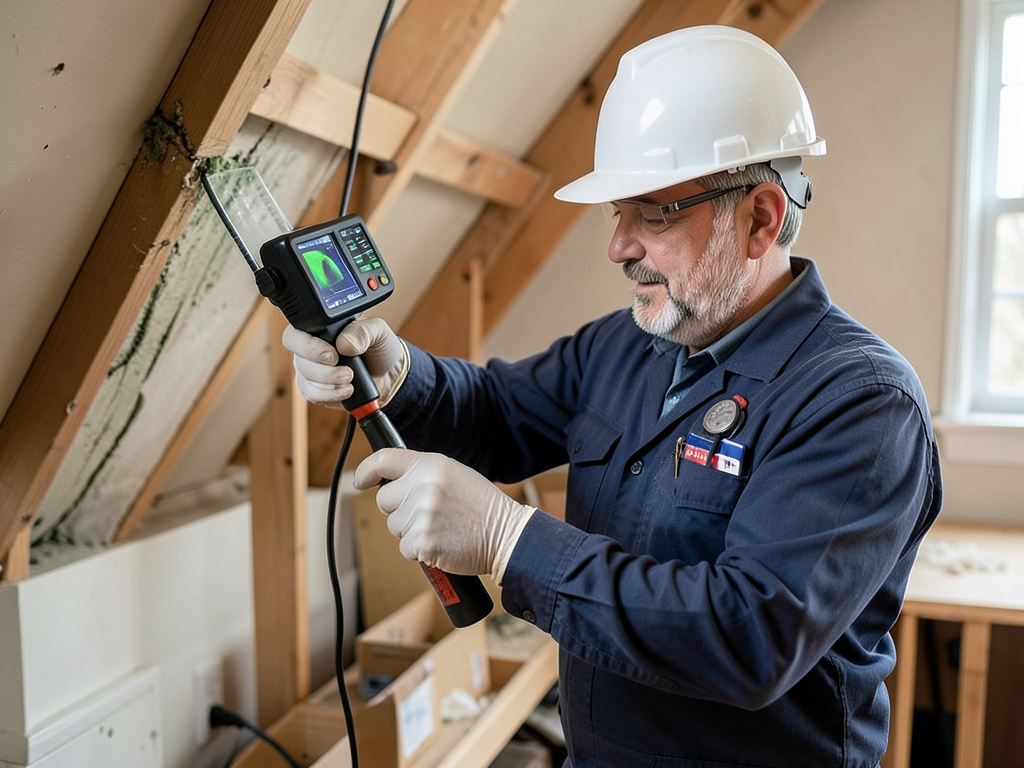
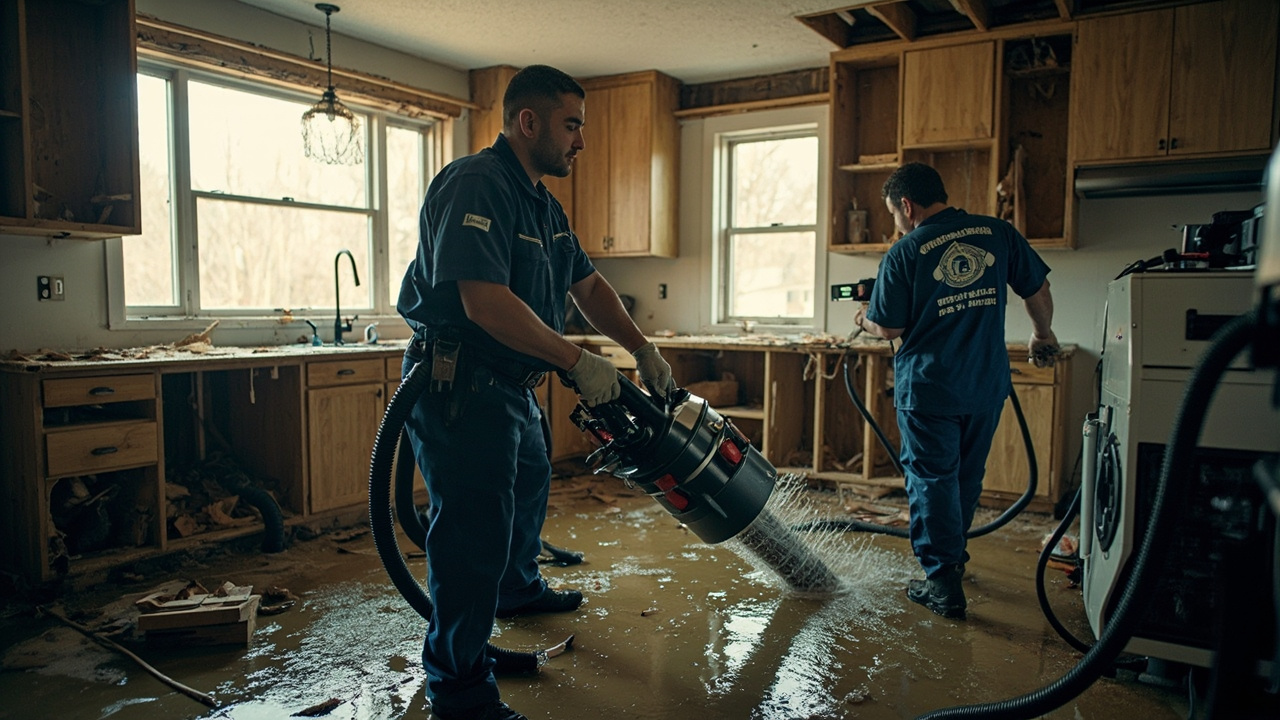
Water mitigation begins the moment our technicians arrive at your Birmingham property. This is emergency stabilization. We locate and stop the water source, extract standing water using truck-mounted pumps, and deploy commercial dehumidifiers and air movers to prevent secondary damage. Mitigation includes moisture mapping with thermal imaging cameras to find hidden water in wall cavities and subfloors. We document everything with photos and moisture readings because your insurance company requires this proof.

The goal during mitigation is containment and prevention. We remove saturated materials that cannot be saved, like soaked drywall and padding. We apply antimicrobial treatments to prevent mold growth. We monitor humidity levels and adjust equipment daily. This phase typically runs three to five days, depending on the extent of saturation and the materials affected. Mitigation ends when moisture readings return to normal dry standards for Birmingham's climate zone.

Water cleanup vs water repair highlights the transition point. Cleanup is mitigation. Repair is restoration. Once the environment is stable and dry, restoration begins. This is the reconstruction phase. We rebuild what mitigation removed. Drywall gets replaced. Flooring gets reinstalled. Paint and trim get restored. Structural repairs happen during restoration, not mitigation.

Grand Water Damage Restoration Birmingham handles both phases because separating them creates gaps in accountability. When one company mitigates and another restores, disputes arise over what damage was pre-existing versus what the mitigation crew caused. We eliminate that problem by controlling the entire timeline from emergency response through final walk-through.

Understanding this sequence protects you from contractors who promise restoration during the mitigation phase. You cannot restore what is still wet. Anyone who tells you otherwise is cutting corners that will cost you later.

How the Mitigation to Restoration Transition Works in Birmingham

Water Mitigation vs Restoration in Birmingham – Know the Difference Before Your Insurance Adjuster Calls
01

Emergency Mitigation Response

Our certified technicians arrive within 60 minutes of your call to Birmingham properties. We perform immediate water extraction, document all damage with moisture meters and thermal cameras, and deploy industrial drying equipment. This phase focuses exclusively on stopping further damage and creating a stable environment. Insurance documentation begins immediately with photo records and detailed moisture readings that support your claim.
02

Monitoring and Stabilization

Daily moisture monitoring continues until readings reach dry standards for Birmingham's humidity levels. We adjust dehumidifiers and air movers based on atmospheric conditions and material density. This phase typically requires three to five days but extends longer for concrete slab foundations or extensive Category 3 water damage. We provide your insurance adjuster with daily progress reports showing moisture reduction curves that prove mitigation effectiveness.
03

Restoration and Reconstruction

Once mitigation is complete and your adjuster approves the scope of work, restoration begins. We rebuild removed drywall, replace flooring, repaint affected areas, and restore your property to pre-loss condition. This phase includes matching existing finishes, coordinating with your insurance settlement, and providing warranty documentation on all reconstruction work. The result is a fully restored Birmingham property with no evidence of water damage.

Why Birmingham Property Owners Trust Local Mitigation and Restoration Experts

Birmingham's building stock ranges from historic homes in Forest Park to modern commercial buildings downtown. Each structure type responds differently to water intrusion. Historic homes often have plaster walls and hardwood subfloors that require different drying protocols than modern drywall construction. Commercial properties in the Financial District have HVAC systems and data centers that demand specialized containment during mitigation.

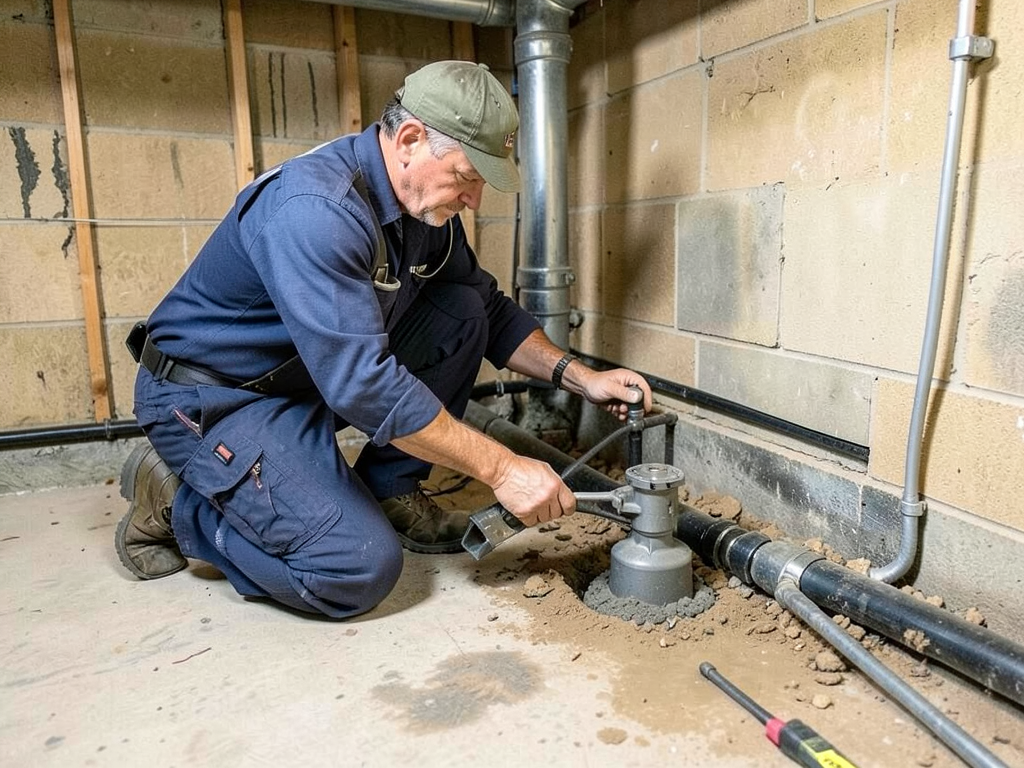
Local expertise matters because Birmingham's clay soil creates unique foundation challenges. When groundwater saturates the expansive clay around your foundation, hydrostatic pressure drives water through microscopic cracks. Mitigation in these situations requires addressing both the interior water and the exterior pressure source. Technicians unfamiliar with Birmingham's soil conditions treat the symptom but miss the cause.

Insurance companies operating in Birmingham expect specific documentation standards. We know what State Farm, Allstate, and USAA adjusters require because we work with them daily. Our mitigation reports include the moisture mapping, daily monitoring logs, and equipment placement photos that satisfy their claim requirements. This local insurance knowledge prevents the documentation gaps that delay settlements.

Grand Water Damage Restoration Birmingham maintains relationships with local building inspectors and code enforcement officers. When mitigation requires demolition that triggers permit requirements, we know the Jefferson County processes that keep your project compliant. We understand Birmingham's building codes for vapor barriers, mold remediation protocols, and structural drying standards.

The difference between hiring local versus national franchise operators shows up in response time and accountability. We live in Birmingham. Our reputation depends on every job we complete in neighborhoods like Homewood, Mountain Brook, and Vestavia Hills. When problems arise, you call a local number and speak with the owner, not a call center in another state.

What to Expect When You Call for Water Mitigation or Restoration

Immediate Emergency Response

Water damage mitigation is a time-sensitive emergency. We dispatch technicians to Birmingham properties within 60 minutes of your call, 24 hours a day. Our trucks carry truck-mounted extraction equipment, commercial dehumidifiers, air movers, and moisture detection tools. You do not wait for equipment to arrive from a warehouse. Emergency mitigation begins immediately upon arrival. We work through nights and weekends because water does not respect business hours. Every hour of delay increases damage severity and restoration costs.

Comprehensive Damage Assessment

Our initial assessment includes thermal imaging to detect hidden moisture, moisture meter readings in all affected materials, and documentation of the water category and class of loss. We identify whether you are dealing with clean water from a supply line, gray water from an appliance, or black water from a sewer backup. This determines the mitigation protocol and safety precautions. You receive a written scope of work before mitigation begins, detailing what materials we can save and what requires removal. This assessment becomes the foundation of your insurance claim.

Documented Drying and Restoration

Daily monitoring logs track moisture reduction in all affected materials. We provide you and your insurance adjuster with detailed reports showing progress toward dry standards. Once mitigation is complete, we transition to restoration with a detailed estimate that matches your insurance settlement. Our restoration work includes matching existing finishes, coordinating with your adjuster on any supplements, and providing warranty documentation on all replaced materials. The final walk-through ensures every detail meets your expectations before we close the project.

Insurance Coordination and Support

We communicate directly with your insurance adjuster throughout both mitigation and restoration phases. Our technicians are trained in insurance documentation requirements and provide the photos, moisture logs, and equipment placement records adjusters need to approve claims. We attend adjuster meetings at your property, walk through the damage with them, and explain our mitigation and restoration approach. This coordination prevents the documentation gaps that delay settlements. We can also work with your public adjuster if you choose to hire one for larger losses.

Frequently Asked Questions

You Have Questions,
We Have Answers

What is the difference between water restoration and mitigation? +

Water mitigation is the emergency response that stops ongoing damage. Technicians extract standing water, remove wet materials, and set up drying equipment within hours of your call. Water restoration is the rebuild phase that follows. This includes repairing drywall, replacing flooring, repainting walls, and returning your Birmingham property to pre-loss condition. Mitigation happens first and fast. Restoration takes longer and focuses on reconstruction. Most Birmingham homeowners need both services after a pipe burst or storm flooding. Mitigation prevents mold growth in our humid climate. Restoration makes your property livable again.

What is mitigation and restoration? +

Mitigation reduces or prevents further damage after a loss event. In water damage scenarios, this means extracting water, drying affected areas, and removing contaminated materials before mold takes hold. Restoration is the rebuilding process that repairs or replaces damaged structures and finishes. Think of mitigation as emergency triage and restoration as the full repair. Birmingham properties require fast mitigation because high humidity accelerates secondary damage. Restoration follows once moisture levels drop to safe ranges. Both services work together to return your property to normal condition. One stops the crisis. The other fixes what broke.

What is the difference between restoration and remediation? +

Restoration rebuilds what was damaged, returning your property to its original state. This includes replacing drywall, installing new flooring, and repainting. Remediation removes contaminants like mold, sewage, or hazardous materials. After sewage backup in a Birmingham home, remediation removes contaminated materials and sanitizes affected areas. Restoration then rebuilds those areas. Remediation often happens before restoration because you cannot rebuild over contaminated surfaces. Both services may overlap on complex projects. Remediation protects health. Restoration protects value. Birmingham homes affected by mold or sewage need remediation first to eliminate biological hazards before reconstruction begins.

What is included in water mitigation? +

Water mitigation includes immediate water extraction using truck-mounted pumps or portable extractors. Technicians remove wet carpet pad, baseboards, and damaged drywall to prevent mold colonization. They place air movers and commercial dehumidifiers to dry structural materials like framing and subfloors. Moisture monitoring tracks drying progress until materials reach safe levels. Birmingham homes often need antimicrobial treatment because our humid climate promotes mold growth. Technicians document moisture readings for insurance claims. Emergency board-up services protect your property from weather or theft. Water mitigation focuses on stabilization, not cosmetic repair. That comes later during restoration.

Is it hard to sell a house that has had mold remediation? +

Proper mold remediation does not hurt resale value if you provide documentation. Alabama disclosure laws require sellers to report known material defects, including past mold issues. Transparency builds buyer confidence. Professional remediation with post-testing clearance reports shows the problem was fixed correctly. Birmingham buyers appreciate homes in humid climates that were properly treated. Hiding past mold problems creates legal liability and deal-breakers during inspection. Disclose the issue, provide remediation invoices, and show clearance testing results. Most buyers accept remediated mold as normal maintenance, especially after storm damage or plumbing failures common in older Birmingham neighborhoods.

What is the average cost of water mitigation? +

Water mitigation costs vary based on water category, affected square footage, and extraction complexity. Clean water from supply line breaks costs less than sewage backup requiring biohazard protocols. Birmingham properties with crawl spaces or basements add complexity and expense. Emergency services cost more than scheduled work. Insurance typically covers mitigation costs after sudden, accidental water damage like burst pipes or appliance failures. Gradual leaks often face coverage disputes. Mitigation companies provide detailed estimates after inspection. Focus on speed, not just price. Delayed mitigation increases secondary damage exponentially in our humid climate, driving total restoration costs far higher.

What are the 4 types of mitigation? +

The four mitigation types are avoidance, reduction, transfer, and acceptance. Avoidance eliminates the risk entirely. Reduction minimizes impact through preventive measures like regular plumbing inspections. Transfer shifts financial risk through insurance policies. Acceptance acknowledges the risk without action, common for low-probability events. In water damage context, Birmingham homeowners use reduction strategies like sump pumps in crawl spaces or backwater valves on sewer lines. Transfer happens through comprehensive homeowners insurance. Avoidance might mean not building in flood zones. Acceptance applies to minor risks like temporary roof leaks during brief storms. Most homeowners combine strategies.

When to call a water restoration company? +

Call a water restoration company immediately when you discover standing water, active leaks you cannot stop, or saturated building materials. Speed matters in Birmingham because our humidity accelerates mold growth within 24 to 48 hours. Do not wait if you see ceiling stains spreading, wet drywall, soaked carpet, or smell musty odors. After storms, sewage backups, or appliance failures, professionals have extraction equipment homeowners lack. Call before moving furniture or attempting cleanup yourself. Technicians document conditions for insurance claims. Delayed response increases damage severity and restoration costs. Even small leaks require professional assessment to check hidden moisture in wall cavities.

What are the two types of restoration? +

The two main restoration types are structural restoration and contents restoration. Structural restoration repairs the building itself, including framing, drywall, flooring, cabinetry, and fixed finishes. Contents restoration salvages and repairs personal property like furniture, electronics, documents, and textiles. Birmingham water damage projects often require both. Structural work happens on-site after drying completes. Contents restoration may happen at off-site facilities with specialized equipment for electronics, artwork, or important documents. Insurance policies handle these categories differently. Understanding the distinction helps you track claims and prioritize what gets restored first based on sentimental or functional value.

Do I need water mitigation? +

You need water mitigation if water has penetrated porous building materials like drywall, insulation, or subflooring. Standing water, saturated carpet, or visible moisture on walls requires professional intervention. Birmingham homeowners should not attempt drying large areas themselves because hidden moisture in wall cavities or under flooring causes long-term problems. Even small amounts of water can wick into materials and promote mold colonization in our humid climate. Insurance companies expect reasonable mitigation efforts to prevent further damage. Failure to mitigate properly may jeopardize coverage. When in doubt, get a professional moisture assessment. Prevention costs less than fixing deferred damage.

Why Birmingham's Humidity Makes the Mitigation vs Restoration Distinction Critical

Birmingham's average relative humidity hovers between 70 and 85 percent throughout summer months. This ambient moisture slows evaporation rates during water damage mitigation. Materials that would dry in three days in Phoenix require five to seven days in Birmingham. This extended drying time increases mold risk and makes the transition from mitigation to restoration more complex. Restoration cannot begin while materials remain above 15 percent moisture content. Contractors who rush this transition to speed up their timeline create hidden moisture problems that manifest as mold growth and odor months after the claim closes.

Birmingham's water damage restoration industry operates under Alabama state licensing requirements and local building codes specific to Jefferson County. Proper mitigation requires understanding local regulations for mold remediation, asbestos handling in older homes, and lead paint disturbance. Grand Water Damage Restoration Birmingham maintains all required licenses and certifications, including IICRC water damage restoration technician credentials. Our familiarity with local building inspectors and permit processes ensures your mitigation and restoration work meets code requirements. This local compliance protects your property value and insurance coverage.

Water Damage Restoration Services in The Birmingham Area

Grand Water Damage Restoration is proud to serve the entire Birmingham area. Our convenient location ensures we can respond to your emergency needs with speed and efficiency. Whether you're a homeowner or business owner, we’re ready to bring our expertise directly to you. View our service area on the map to see how we can provide prompt, professional assistance and restore your property quickly and effectively.

Address:
Grand Water Damage Restoration Birmingham, 401 7th St N, Birmingham, AL, 35203

Additional Services We Offer

Our news updates

Latest Articles & News from The Blogs

Comparing Interior vs Exterior Waterproofing for Your Central Park Basement Living in Central Park means dealing with Birmingham’s heavy rainfall…

Comparing Interior vs Exterior Waterproofing for Your Central Park Basement

Comparing Interior vs Exterior Waterproofing for Your Central Park Basement Living in Central Park means dealing with Birmingham’s heavy rainfall…

Keeping Your Rising West Princeton Home Theater Dry and Mold Free

Keeping Your Rising West Princeton Home Theater Dry and Mold Free Birmingham’s humid subtropical climate creates unique challenges for home…

How High Humidity and Birmingham Pollen Create the Perfect Storm for Attic Mold in Airport Highlands

How High Humidity and Birmingham Pollen Create the Perfect Storm for Attic Mold in Airport Highlands Airport Highlands homeowners face…

Contact Us

Water damage requires immediate professional response. Call Grand Water Damage Restoration Birmingham at (659) 234-8188 for 24-hour emergency mitigation services. Our certified technicians will stabilize your property, work with your insurance company, and restore your home or business to pre-loss condition.