Menu

Steps to Take After a Flood in Birmingham – Your Complete Recovery Checklist for Fast, Safe Cleanup

Floodwater damage escalates by the hour in Birmingham's humid climate. Follow this expert-backed checklist to protect your home, document losses correctly, and start recovery the right way after Steps to Take After a Flood hits your property.

Slider Image 1
Slider Image 2
Slider Image 3
Slider Image 4
Slider Image 5
Slider Image 7
Slider Image 8
Slider Image 9
Slider Image 10
Slider Image 11

Why Birmingham Homes Face Unique Flood Recovery Challenges

Birmingham sits at the confluence of multiple waterways, including Valley Creek and the Cahaba River, making flash flooding a real threat during Alabama's severe thunderstorm season. When floodwater breaches your home, you face a compressed timeline. Birmingham's average humidity hovers near 70 percent year-round, which means every hour you wait accelerates mold colonization. The clay-heavy soil common throughout Jefferson County compounds drainage issues, keeping your foundation saturated longer than sandy or loamy soils would.

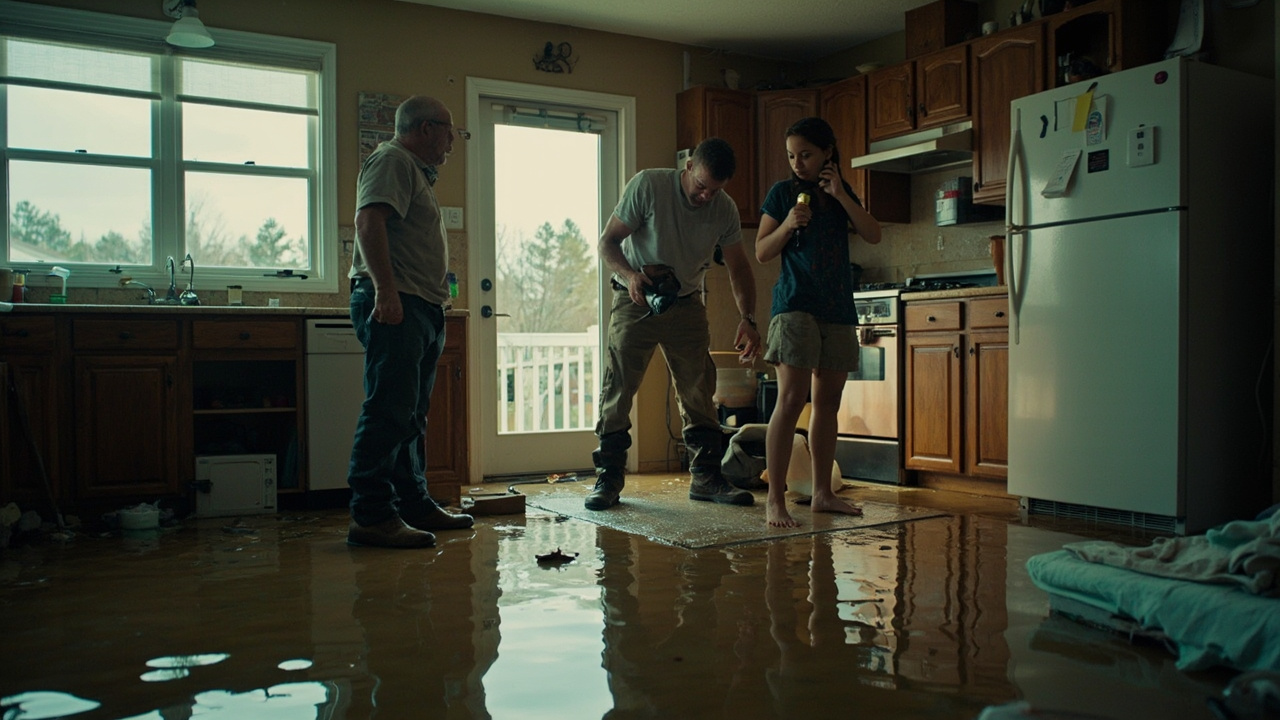
Understanding what to do after a house flood starts with recognizing the contamination level. Floodwater carries sewage, agricultural runoff, and industrial chemicals. This Category 3 water requires specialized extraction and disinfection protocols, not just a wet vac and some fans. Your post-flood recovery checklist must prioritize safety first, documentation second, and mitigation third.

Many Birmingham homeowners make critical errors in the first 24 hours. They assume their homeowner's insurance covers flood damage when it actually requires separate flood insurance through FEMA. They dispose of damaged property before photographing it, destroying evidence for claims adjusters. They attempt DIY drying without measuring moisture levels in wall cavities, where hidden saturation breeds toxic mold within 48 to 72 hours.

The immediate actions after flooding determine whether you face a manageable restoration or a total gut job. Your water damage clean up steps must follow a specific sequence to preserve structural integrity and maximize insurance recovery.

Why Birmingham Homes Face Unique Flood Recovery Challenges
The Professional Flood Recovery Protocol

The Professional Flood Recovery Protocol

Grand Water Damage Restoration Birmingham follows IICRC S500 standards for water damage restoration, adapted specifically for Birmingham's climate and construction patterns. Our guide to handling flood damage starts with safety assessment. We test for electrical hazards, structural compromise, and airborne contaminants before anyone enters the property. Many Birmingham homes built before 1980 contain asbestos in flooring and insulation, which becomes friable when saturated.

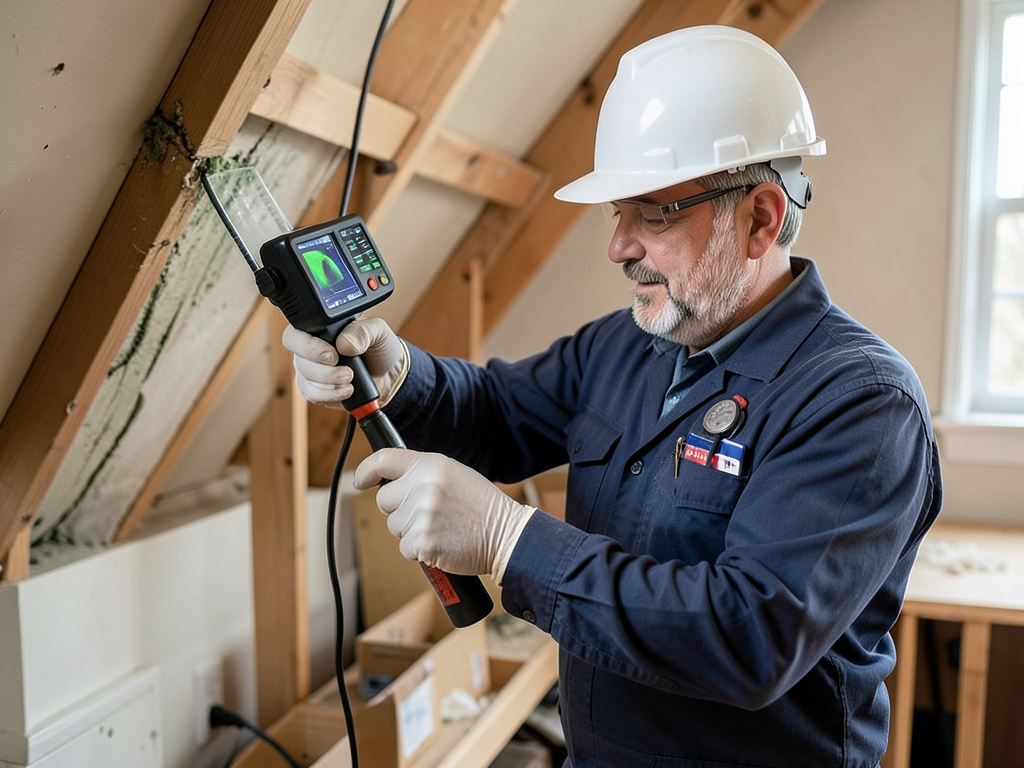
Our extraction process uses truck-mounted pumps capable of removing thousands of gallons per hour, paired with weighted extractors for carpeting and upholstery. We document moisture readings at 20 to 30 points throughout the structure using thermal imaging and penetrating moisture meters. This data maps the full extent of saturation, including areas that appear dry to the eye but hold water in the subfloor or behind drywall.

Structural drying in Birmingham requires commercial-grade dehumidifiers, not the consumer units you rent from hardware stores. We calculate grain depression and set up drying chambers that create negative air pressure, pulling moisture from building materials into the dehumidification stream. Air movers positioned at specific angles direct airflow across wet surfaces without scattering mold spores.

We track drying progress twice daily, adjusting equipment placement as moisture levels drop. The goal is reaching equilibrium moisture content, the point where building materials match the ambient environment. Rush this phase and you trap moisture inside walls. Your guide to handling flood damage must include antimicrobial application on all affected surfaces, since floodwater contamination persists even after drying.

Your First 72 Hours After Floodwater Enters Your Home

Steps to Take After a Flood in Birmingham – Your Complete Recovery Checklist for Fast, Safe Cleanup
01

Immediate Safety Actions

Turn off electricity at the main breaker if you can reach the panel without stepping in water. Do not enter a flooded basement without confirming power is off. Floodwater conducts electricity and can cause electrocution. Contact your utility company to disconnect service if needed. Document the high water mark with photos before moving anything. Your insurance adjuster needs this evidence to validate your claim.
02

Water Extraction Start

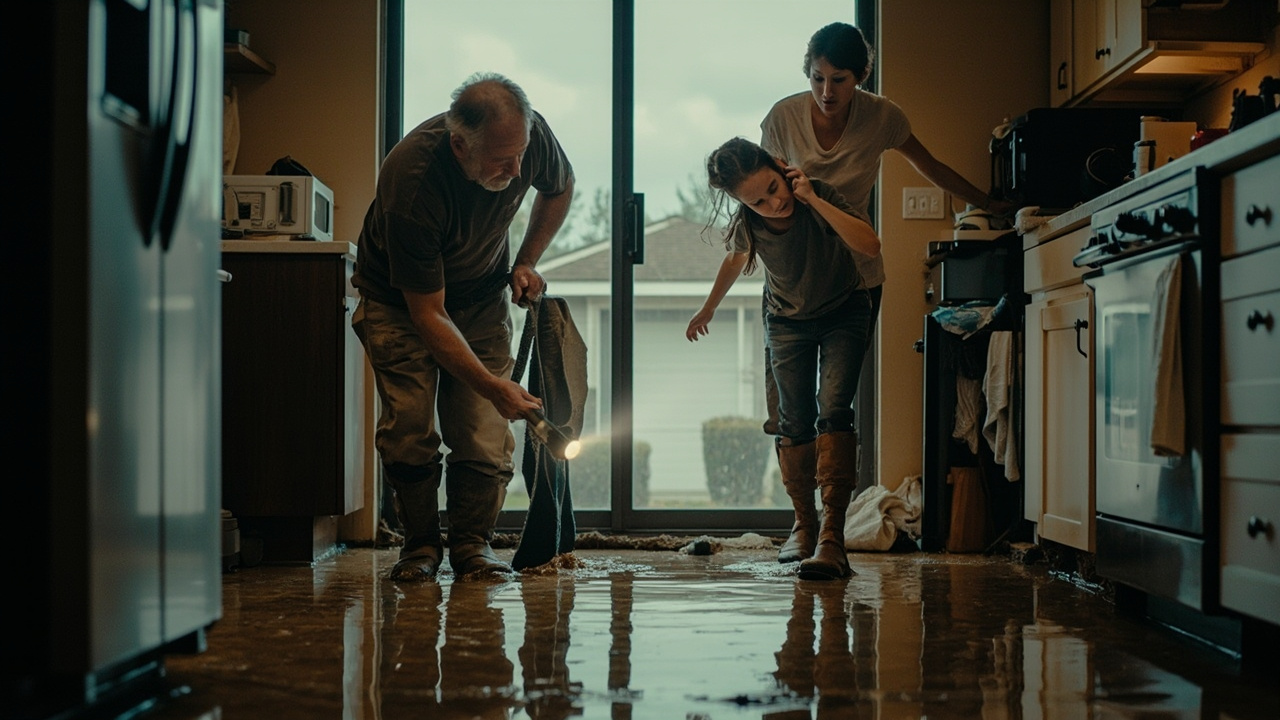
Begin removing standing water within the first 24 hours. Bacteria and mold start growing immediately in Birmingham's warm climate. Pump out basements slowly, no more than one-third of the water per day, to prevent foundation wall collapse from exterior hydrostatic pressure. Remove wet contents to a dry area for inventory. Separate salvageable items from total losses based on contamination level and material type.
03

Professional Assessment

Call a certified water damage restoration company within 48 hours. Professionals measure moisture in structural materials you cannot see or access. They determine if drywall needs removal, if insulation is salvageable, and where hidden water pockets exist. This assessment guides the full restoration scope and provides documentation your insurance company requires. Waiting past 72 hours typically voids coverage for secondary damage like mold.

Why Birmingham Flood Recovery Demands Local Expertise

Birmingham's unique building characteristics require restoration teams who understand local construction methods. Many homes in neighborhoods like Forest Park, Crestwood, and Avondale were built between 1920 and 1960 using pier and beam foundations. These structures require different drying strategies than modern slab foundations. Water migrates through crawl spaces and affects floor joists, which need targeted drying to prevent wood rot.

Jefferson County building codes require permits for structural repairs after flooding. A restoration company unfamiliar with local inspection requirements can leave you with work that fails final inspection, delaying insurance payment and resale eligibility. Grand Water Damage Restoration Birmingham maintains relationships with county inspectors and understands what documentation they require.

Birmingham's water table rises seasonally, particularly in low-lying areas near waterways. A restoration team who understands local hydrology can identify if your flood resulted from surface water, groundwater intrusion, or sewer backup. Each source requires different treatment protocols and triggers different insurance coverage. Misidentifying the water source can result in claim denial.

We respond to Birmingham properties within 90 minutes because we operate locally. National franchise operations dispatch from regional hubs, often arriving four to six hours after your call. That delay matters when every hour adds exponential mold growth. Our equipment stays in Birmingham, ready for immediate deployment rather than shipped from a warehouse in another state. When floodwater enters your home, response time directly correlates to final restoration costs and structural preservation.

What Your Flood Recovery Timeline Looks Like

Emergency Response Speed

We arrive at Birmingham properties within 90 minutes of your call, 24 hours a day. Our first responders bring portable extraction units and moisture detection equipment to stop damage progression immediately. We establish a drying plan within the first two hours on site, positioning initial equipment before leaving. This rapid response typically reduces overall drying time by 30 to 40 percent compared to delayed starts. You receive a written moisture map and timeline estimate before we begin full-scale restoration work.

Detailed Damage Assessment

Our technicians measure moisture content in flooring, walls, and ceilings using penetrating and non-invasive meters. We document findings with thermal imaging that reveals water migration patterns invisible to standard inspection. This assessment identifies which materials can dry in place and which require removal. You receive a detailed scope of work that breaks down each affected area, the proposed treatment, and the estimated timeline. This documentation serves as your primary evidence package for insurance claims.

Complete Structural Drying

Typical Birmingham flood drying takes five to seven days for minor intrusion and 10 to 14 days for major flooding. We monitor progress with daily moisture readings, adjusting equipment as materials release trapped water. You see measurable progress each day as readings drop toward the target equilibrium moisture content. We do not remove equipment until all affected materials reach safe moisture levels, verified through multiple measurement points. Final antimicrobial treatment covers all surfaces contacted by floodwater.

Post-Drying Verification

After equipment removal, we conduct a final moisture inspection 48 hours later to confirm no rebound moisture appears. This verification step catches hidden water pockets that continue wicking into dried materials. You receive a completion certificate with final moisture readings that satisfies insurance requirements and protects you if mold appears later. We provide guidance on reconstruction contractors who understand flood-damaged structures. Our documentation gives contractors clear direction on what materials need replacement versus what survived intact.

Frequently Asked Questions

You Have Questions,
We Have Answers

Why Birmingham's Flash Flood Risk Makes Your Recovery Plan Critical

Birmingham receives 54 inches of annual rainfall, 15 inches above the national average, concentrated in severe spring and fall storm systems. Valley Creek and its tributaries overflow during heavy rain events, flooding low-lying neighborhoods in western Birmingham within hours. The city's aging stormwater infrastructure struggles during peak flow periods, backing up residential drains and causing sudden basement flooding. When flash flooding hits, you have minutes to react, not hours. Your immediate actions after flooding determine if you face minor cleanup or major structural repairs. Most Birmingham flood insurance claims stem from these rapid-onset events, not gradual seepage.

Jefferson County requires water damage restoration companies to follow specific protocols for Category 3 water cleanup, which includes all floodwater. Work performed without proper contamination controls fails county health inspection and voids your occupancy permit. Grand Water Damage Restoration Birmingham maintains county-approved procedures for sewage contamination, mold remediation, and structural drying that meet local health department standards. We submit required documentation directly to county officials, expediting your clearance to reoccupy. Choosing a restoration company unfamiliar with Jefferson County requirements adds weeks to your recovery timeline and risks claim complications.

Water Damage Restoration Services in The Birmingham Area

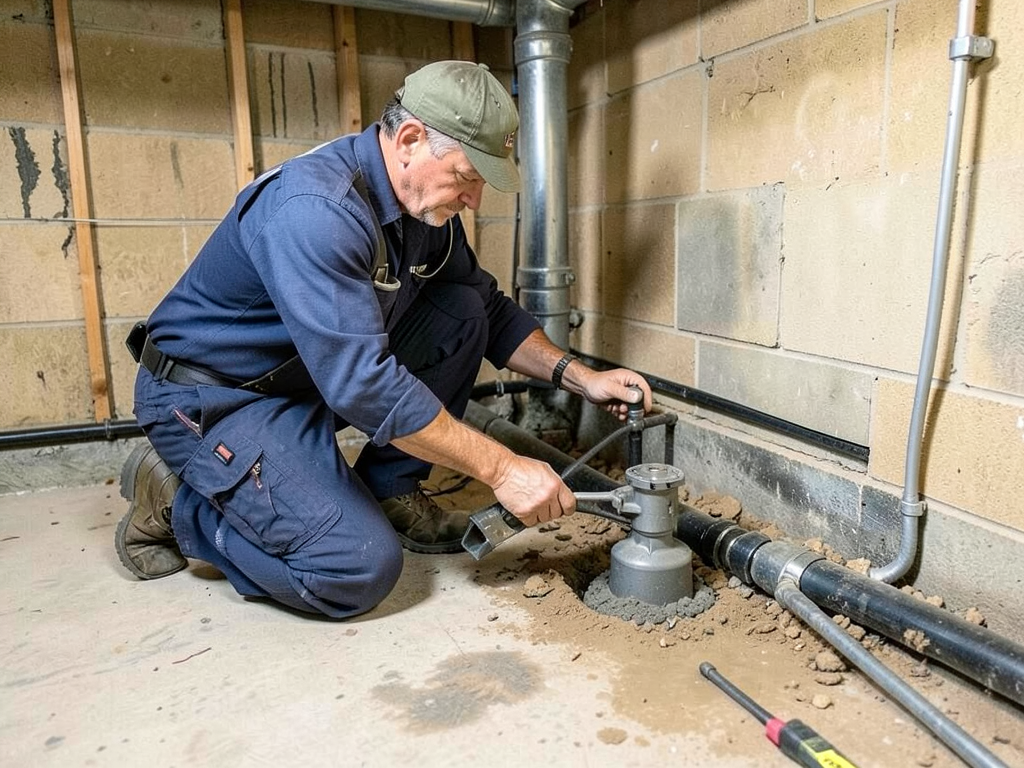
Grand Water Damage Restoration is proud to serve the entire Birmingham area. Our convenient location ensures we can respond to your emergency needs with speed and efficiency. Whether you're a homeowner or business owner, we’re ready to bring our expertise directly to you. View our service area on the map to see how we can provide prompt, professional assistance and restore your property quickly and effectively.

Address:
Grand Water Damage Restoration Birmingham, 401 7th St N, Birmingham, AL, 35203

Additional Services We Offer

Our news updates

Latest Articles & News from The Blogs

Comparing Interior vs Exterior Waterproofing for Your Central Park Basement Living in Central Park means dealing with Birmingham’s heavy rainfall…

Comparing Interior vs Exterior Waterproofing for Your Central Park Basement

Comparing Interior vs Exterior Waterproofing for Your Central Park Basement Living in Central Park means dealing with Birmingham’s heavy rainfall…

Keeping Your Rising West Princeton Home Theater Dry and Mold Free

Keeping Your Rising West Princeton Home Theater Dry and Mold Free Birmingham’s humid subtropical climate creates unique challenges for home…

How High Humidity and Birmingham Pollen Create the Perfect Storm for Attic Mold in Airport Highlands

How High Humidity and Birmingham Pollen Create the Perfect Storm for Attic Mold in Airport Highlands Airport Highlands homeowners face…

Contact Us

Every hour counts after floodwater enters your property. Call Grand Water Damage Restoration Birmingham now at (659) 234-8188 for immediate response. Our crews arrive within 90 minutes with commercial extraction and drying equipment. We handle insurance documentation and guide you through every recovery step.