Menu

Categories of Water in Birmingham – Understanding Contamination Levels to Protect Your Property and Health

Water damage isn't just wet, it's dangerous. Learn the three IICRC water categories that dictate cleanup protocols, health risks, and insurance claims for Birmingham properties facing flooding, sewage backups, or storm damage.

Slider Image 1
Slider Image 2
Slider Image 3
Slider Image 4
Slider Image 5
Slider Image 7
Slider Image 8
Slider Image 9
Slider Image 10
Slider Image 11

Why Birmingham Property Owners Must Know Water Contamination Levels

Birmingham's subtropical climate dumps 54 inches of rain annually. Heavy storms overwhelm aging sewer lines, and flood waters from Turkey Creek or Valley Creek carry sewage, chemicals, and debris into homes and businesses. You see standing water, but you cannot see the bacteria, viruses, or toxins lurking in it.

The IICRC defines three water damage categories based on contamination levels. Category 1 is clean water from a broken supply line. Category 2 is gray water from washing machines or dishwashers, containing chemical or biological contaminants. Category 3 is black water from sewage backups or river flooding, containing dangerous pathogens that cause serious illness.

Water quality classifications matter because they determine the cleanup protocol, the protective equipment required, and what materials must be removed versus dried. A Category 1 event can escalate to Category 3 in under 48 hours if ignored, especially in Birmingham's high humidity. The air stays heavy here, moisture lingers, and bacteria multiply fast.

Insurance adjusters base coverage decisions on water contamination levels. Misidentifying the category means denied claims, improper cleanup, and long-term health risks. Mold grows behind drywall you thought was safe. E. coli hides in carpet padding. You smell it months later, but the damage started the day the water came in.

Birmingham residents in neighborhoods like Five Points South or Crestwood face aging plumbing and frequent flooding. Knowing the types of water contamination you are dealing with is the first step to protecting your family, your investment, and your sanity.

Why Birmingham Property Owners Must Know Water Contamination Levels
How We Identify and Classify Water Damage Categories

How We Identify and Classify Water Damage Categories

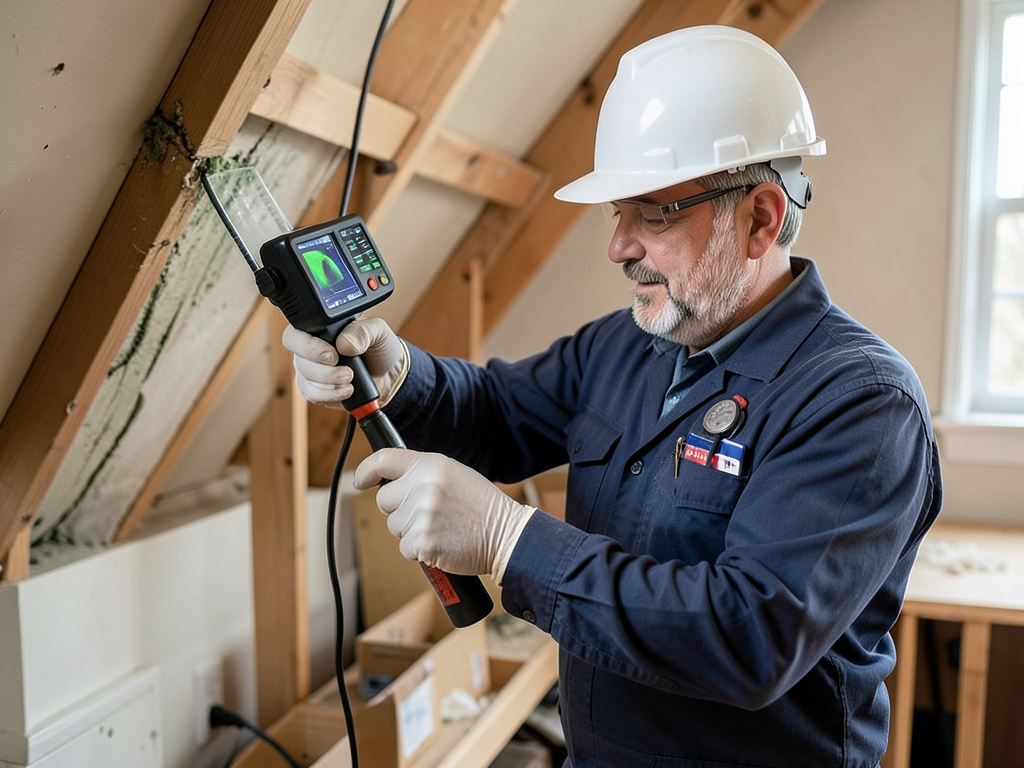
Grand Water Damage Restoration Birmingham uses moisture meters, thermal imaging cameras, and visual inspection to assess contamination immediately. We do not guess. We measure, document, and classify.

Category 1 water starts clean, but it does not stay that way. A broken pipe in your attic floods insulation, and that insulation becomes a bacterial breeding ground within hours. We test the moisture content of affected materials, check for cross-contamination from adjacent surfaces, and monitor temperature. If the water sat for more than 24 hours, we reassess the category.

Category 2 water introduces surfactants, oils, or mild biological contamination. Dishwasher overflows, washing machine hose failures, and toilet tank leaks fall here. We remove porous materials like carpet padding and inspect subfloors for saturation. If the water traveled through HVAC ducts or wall cavities, we trace the moisture path and classify each zone separately.

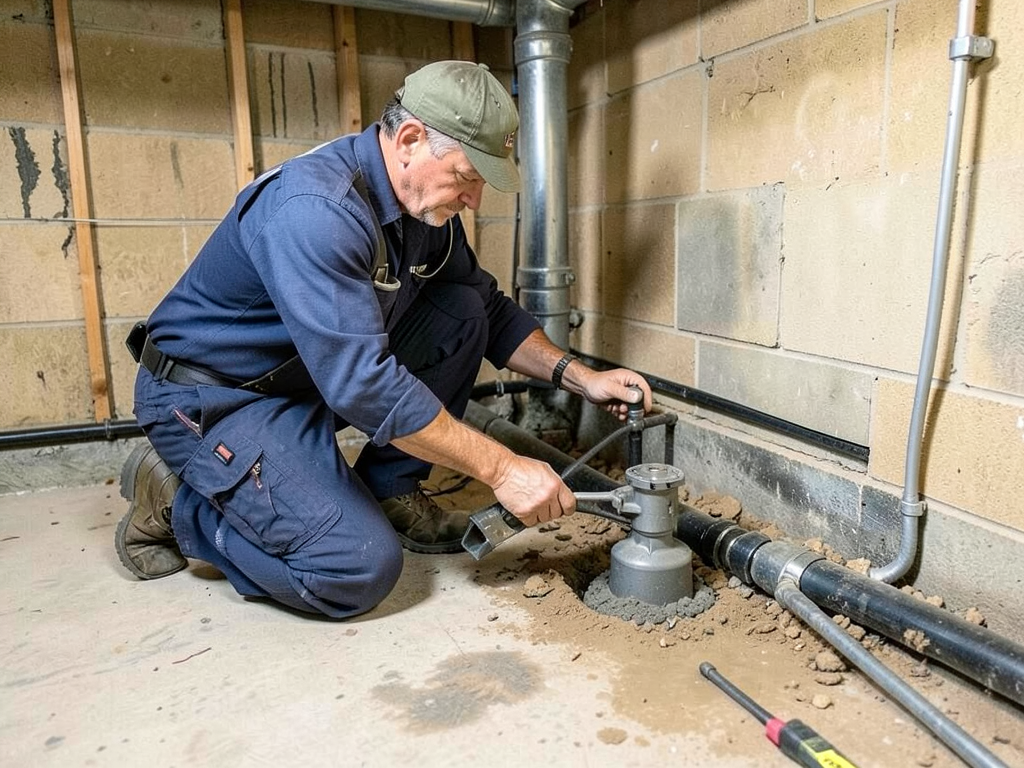
Category 3 water requires full containment. We seal off affected areas, use negative air pressure to prevent cross-contamination, and wear protective suits, respirators, and gloves. Sewage backups from the Birmingham Water Works system or flooding from Shades Creek contain fecal matter, heavy metals, and chemical runoff. Everything porous gets removed. Drywall, insulation, baseboards, and flooring go straight to disposal bins.

We document the water category in writing, photograph the damage, and provide detailed reports to your insurance adjuster. This documentation protects you from claim disputes and proves the scope of work required. Birmingham's older housing stock in Highland Park or Glen Iris means mixed building materials, and we classify contamination by material type, not just source.

How We Handle Each Water Category in Your Birmingham Property

Categories of Water in Birmingham – Understanding Contamination Levels to Protect Your Property and Health
01

Initial Category Assessment

We arrive within 60 minutes of your call and immediately identify the water source. Our technicians inspect the affected area, trace the moisture path, and classify the contamination level using IICRC standards. We test moisture levels in walls, floors, and ceilings, then brief you on the category and required cleanup protocol before starting work.
02

Contamination Containment and Extraction

For Category 2 and 3 events, we establish containment barriers using plastic sheeting and negative air machines. We extract standing water using truck-mounted pumps, then remove contaminated materials according to EPA and IICRC guidelines. Category 3 requires full PPE and specialized disposal procedures. We sanitize all salvageable surfaces with antimicrobial treatments approved for the contamination level identified.
03

Drying and Post-Remediation Verification

We place industrial dehumidifiers and air movers to dry structural materials to safe moisture levels. Daily moisture readings track progress, and we adjust equipment placement as needed. Once drying is complete, we perform microbial testing to verify safe conditions. You receive a detailed report documenting the water category, contamination risks addressed, and final moisture readings for insurance and health safety records.

Why Birmingham Residents Trust Our Water Category Expertise

Birmingham sits in the Cahaba River watershed, and flooding here mixes stormwater with agricultural runoff, industrial chemicals, and raw sewage. We have worked hundreds of Category 3 events in Avondale, Woodlawn, and Ensley, where aging sewer infrastructure overwhelms during heavy rain. We know the local flood zones, the tributaries that overflow first, and the neighborhoods where basement flooding is a recurring nightmare.

Our technicians hold IICRC certifications in Water Damage Restoration and Applied Microbial Remediation. We understand the science behind water contamination levels and the health risks specific to Birmingham's climate. High humidity means faster bacterial growth. Category 2 water becomes Category 3 faster here than in drier climates. We account for that.

We also understand local building codes. Homes in Forest Park or Mountain Brook have crawl spaces prone to moisture accumulation. Older properties in downtown Birmingham have mixed plumbing systems, where cast iron pipes corrode and fail without warning. We adapt our assessment and remediation to the construction type, not just the water source.

Insurance companies trust our documentation. We provide moisture maps, thermal images, and detailed contamination reports that satisfy even the strictest adjusters. Our reports clearly state the water category at the time of arrival and any category escalation during assessment. This transparency prevents claim denials and speeds payout.

You cannot fix water damage correctly if you misidentify the contamination level. We have seen too many Birmingham properties gutted months later because the first crew underestimated the category. We do the job right the first time.

What to Expect When We Assess and Remediate Your Water Damage

Rapid Response and Immediate Classification

We operate 24 hours a day, seven days a week. Call us at 3 a.m. during a storm, and we answer. Our trucks carry moisture meters, thermal cameras, and containment supplies, so we classify the water category on-site within minutes. You know the contamination level, the health risks, and the remediation plan before we extract the first gallon. We do not leave you guessing while your property deteriorates.

Thorough Inspection and Transparent Reporting

We inspect every surface the water touched. Baseboards, subflooring, wall cavities, HVAC ducts, and insulation all get checked for moisture and contamination. We document findings with photos, moisture readings, and written descriptions. You receive a full report detailing the water category, affected materials, and recommended actions. This report goes to your insurance company and serves as legal documentation of the damage scope.

Complete Remediation to Safe Moisture Levels

We do not stop at extraction. Drying takes days, not hours, and we monitor progress with daily readings. Our equipment runs until moisture levels meet IICRC standards for your material type. Category 3 remediation includes antimicrobial treatments and post-remediation testing to confirm safe conditions. You get a certificate of completion documenting that your property is dry, clean, and safe for reconstruction.

Post-Remediation Monitoring and Guidance

After remediation, we provide guidance on reconstruction, mold prevention, and future water intrusion risks. We offer optional follow-up inspections to verify no moisture returned. If you had Category 3 contamination, we explain ongoing health precautions and recommend air quality testing before reoccupying the space. Our goal is your safety, not just dry walls.

Frequently Asked Questions

You Have Questions,
We Have Answers

What are the 5 types of water? +

In water damage restoration, professionals classify water into three categories, not five. Category 1 is clean water from sources like supply lines or rainwater. Category 2 is gray water with contaminants from washing machines or dishwashers. Category 3 is black water containing sewage or floodwater with harmful bacteria. Birmingham's humid climate and aging infrastructure make quick category identification critical. Gray water can become black water within 48 hours if left untreated. Understanding these categories helps property owners in Birmingham communicate damage severity to restoration teams and insurance adjusters, which speeds up the mitigation process.

What is category 1, 2, and 3 water? +

Water damage professionals use three categories to assess contamination levels. Category 1 water is clean, originating from broken supply lines, sink overflows, or rainwater before ground contact. Category 2 gray water contains chemical or biological contaminants from sources like washing machines, dishwashers, or toilet tanks without feces. Category 3 black water is highly contaminated with sewage, rising floodwater from rivers like the Cahaba or Black Warrior, or standing water with microbial growth. In Birmingham's humid conditions, Category 1 water can degrade to Category 2 within hours and Category 3 within 48 hours, making rapid response essential for property protection.

What are the 7 forms of water? +

The seven forms of water refer to physical states and atmospheric conditions, not damage categories. These include solid ice, liquid water, water vapor, clouds, precipitation like rain or snow, groundwater, and surface water in rivers and lakes. For water damage restoration in Birmingham, this question often confuses natural water forms with damage classification systems. Restoration professionals focus on contamination categories and damage classes rather than natural water forms. If you face flooding from the Black Warrior River or storm damage affecting your Birmingham property, understanding contamination categories matters more than atmospheric water forms for proper mitigation and insurance claims.

What are the three categories of water? +

The three water damage categories classify contamination risk. Category 1 is clean water from sanitary sources like supply lines or rainwater before ground contact. Category 2 gray water contains contaminants from appliances, sinks, or aquariums. Category 3 black water includes sewage, rising floodwater, or any water sitting over 48 hours with bacterial growth. Birmingham properties face unique risks from the area's clay soil and humidity, which accelerate water degradation between categories. Proper classification determines restoration methods, protective equipment requirements, and insurance coverage. Fast identification and response prevent Category 1 incidents from becoming hazardous Category 3 situations requiring intensive remediation.

What are the 7 types of water? +

Water damage restoration uses three contamination categories, not seven types. The industry standard includes Category 1 clean water, Category 2 gray water, and Category 3 black water. Some sources confuse natural water types like tap water, distilled water, or mineral water with damage classifications. In Birmingham, restoration professionals focus on contamination levels to determine health risks and treatment methods. The humid subtropical climate accelerates bacterial growth in standing water, making category assessment time-sensitive. Whether dealing with burst pipes in historic neighborhoods or flooding near Railroad Park, proper category identification guides restoration protocols, equipment selection, and safety measures for technicians working on your property.

What are the 8 types of water? +

There are no eight recognized types of water in damage restoration standards. The industry uses three contamination categories and four damage classes. This confusion often arises from mixing natural water classifications like drinking water, wastewater, or seawater with restoration terminology. Birmingham property owners should focus on the three-category system when filing insurance claims or coordinating restoration work. Category 1 clean water, Category 2 gray water, and Category 3 black water determine treatment protocols and safety requirements. The city's aging infrastructure and severe weather patterns make accurate damage assessment critical. Professionals evaluate contamination levels and material absorption rather than arbitrary water types for effective restoration planning.

What is category 4 water? +

No Category 4 water exists in professional water damage restoration standards. The Institute of Inspection, Cleaning and Restoration Certification recognizes only three contamination categories. Category 3 black water represents the highest contamination level, containing sewage, rising floodwater, or groundwater with harmful bacteria and chemicals. Some Birmingham property owners mistakenly believe black water subdivides further, but Category 3 covers all highly contaminated water requiring specialized equipment and protective gear. The confusion may stem from mixing contamination categories with the four water damage classes, which measure absorption and evaporation rates in building materials rather than water quality. Proper category identification ensures appropriate restoration methods and protects occupant health.

What class is toilet water? +

Clean toilet tank water without feces is Category 2 gray water. Toilet bowl water containing any waste is Category 3 black water due to sewage contamination. Birmingham homes with sewage backups from aging municipal systems face Category 3 situations requiring immediate professional intervention. The distinction matters because Category 2 requires standard antimicrobial treatment, while Category 3 demands protective equipment, specialized disinfection, and often material removal. Toilets overflowing from clogs or supply line breaks create different contamination levels. Standing water worsens quickly in Birmingham's humid environment, with gray water becoming black water within 48 hours. Fast identification and response protect your family from harmful pathogens.

What are the four classes of water? +

The four water damage classes measure absorption and evaporation difficulty, separate from contamination categories. Class 1 affects minimal porous materials with slow evaporation rates. Class 2 involves fast evaporation affecting carpet and cushions. Class 3 is the fastest evaporation rate from overhead sources saturating walls and ceilings. Class 4 requires specialty drying for materials like hardwood, plaster, or concrete. Birmingham's historic homes with original hardwood floors often face Class 4 situations. These classes work alongside the three contamination categories to create complete restoration plans. A burst pipe might be Category 1 water but Class 3 damage if it saturates drywall and insulation throughout multiple rooms.

What are the 10 types of water? +

Professional water damage restoration recognizes three contamination categories, not ten types. Category 1 clean water comes from sanitary sources. Category 2 gray water contains contaminants from appliances or fixtures. Category 3 black water includes sewage or floodwater with dangerous pathogens. Birmingham properties also use four damage classes measuring material saturation and drying difficulty. This classification system guides restoration protocols, equipment selection, and safety measures. Lists of ten water types mix unrelated concepts like drinking water quality, natural water sources, or atmospheric conditions with damage assessment standards. Focus on understanding the three-category system when dealing with water damage to communicate effectively with restoration professionals and insurance adjusters in Birmingham.

How Birmingham's Aging Infrastructure and Flood Risk Complicate Water Categories

Birmingham's combined sewer system dates back to the early 1900s, and heavy rains overwhelm it regularly. When stormwater and sewage mix in the pipes, backups push Category 3 water into basements across Southside, Titusville, and West End. Homes near Village Creek or Five Mile Creek flood during storms, and the water carries not just rain but runoff from industrial sites and roadways. You think it is just floodwater, but it is contaminated with fuel, pesticides, and fecal coliform. This misidentification leads to inadequate cleanup, health risks, and mold outbreaks months later. Knowing the water category before starting remediation is not optional here, it is essential to protecting your family and meeting insurance requirements.

Grand Water Damage Restoration Birmingham works with local adjusters, contractors, and public health officials who understand the unique contamination risks in Jefferson County. We have remediated Category 3 events in historic properties with plaster walls, crawl spaces prone to standing water, and pier-and-beam foundations that allow sewage to pool underneath. We know the local flood maps, the neighborhoods with aging cast iron sewer laterals, and the subdivisions where sump pump failures cause repeated Category 2 events. Choosing a local team means faster response, accurate classification, and remediation protocols designed for Birmingham's climate and infrastructure challenges.

Water Damage Restoration Services in The Birmingham Area

Grand Water Damage Restoration is proud to serve the entire Birmingham area. Our convenient location ensures we can respond to your emergency needs with speed and efficiency. Whether you're a homeowner or business owner, we’re ready to bring our expertise directly to you. View our service area on the map to see how we can provide prompt, professional assistance and restore your property quickly and effectively.

Address:
Grand Water Damage Restoration Birmingham, 401 7th St N, Birmingham, AL, 35203

Additional Services We Offer

Our news updates

Latest Articles & News from The Blogs

Comparing Interior vs Exterior Waterproofing for Your Central Park Basement Living in Central Park means dealing with Birmingham’s heavy rainfall…

Comparing Interior vs Exterior Waterproofing for Your Central Park Basement

Comparing Interior vs Exterior Waterproofing for Your Central Park Basement Living in Central Park means dealing with Birmingham’s heavy rainfall…

Keeping Your Rising West Princeton Home Theater Dry and Mold Free

Keeping Your Rising West Princeton Home Theater Dry and Mold Free Birmingham’s humid subtropical climate creates unique challenges for home…

How High Humidity and Birmingham Pollen Create the Perfect Storm for Attic Mold in Airport Highlands

How High Humidity and Birmingham Pollen Create the Perfect Storm for Attic Mold in Airport Highlands Airport Highlands homeowners face…

Contact Us

Do not let misidentified water damage destroy your property and health. Call Grand Water Damage Restoration Birmingham at (659) 234-8188 now for immediate contamination assessment and professional remediation. We respond 24/7 to homes and businesses across Birmingham.