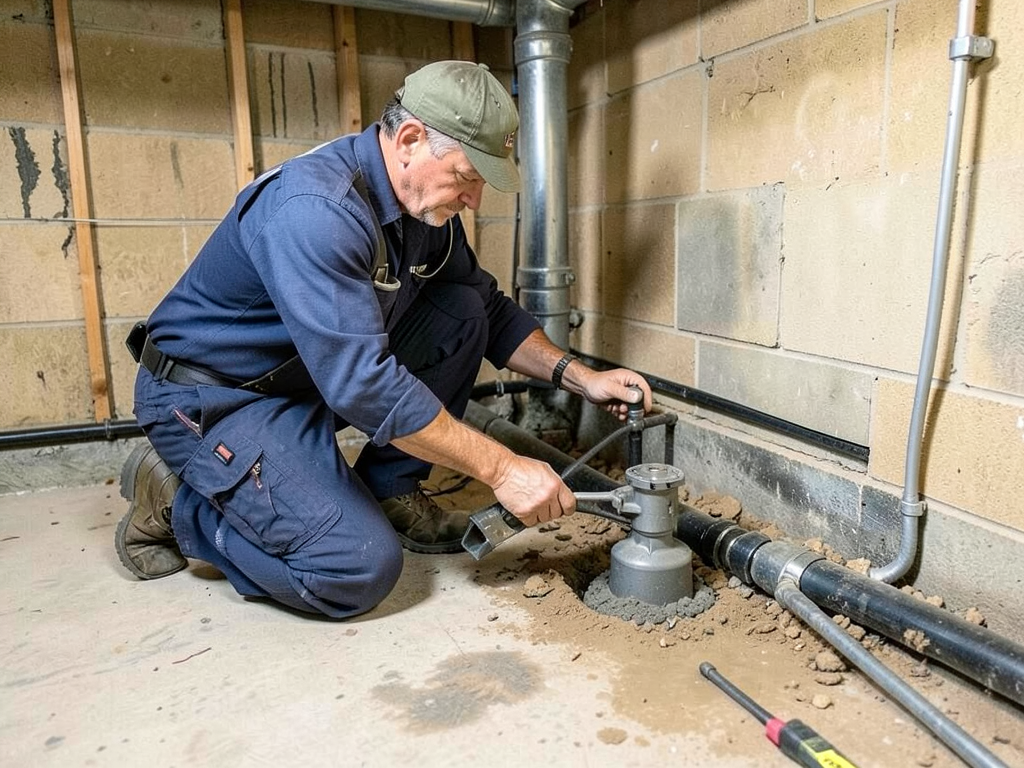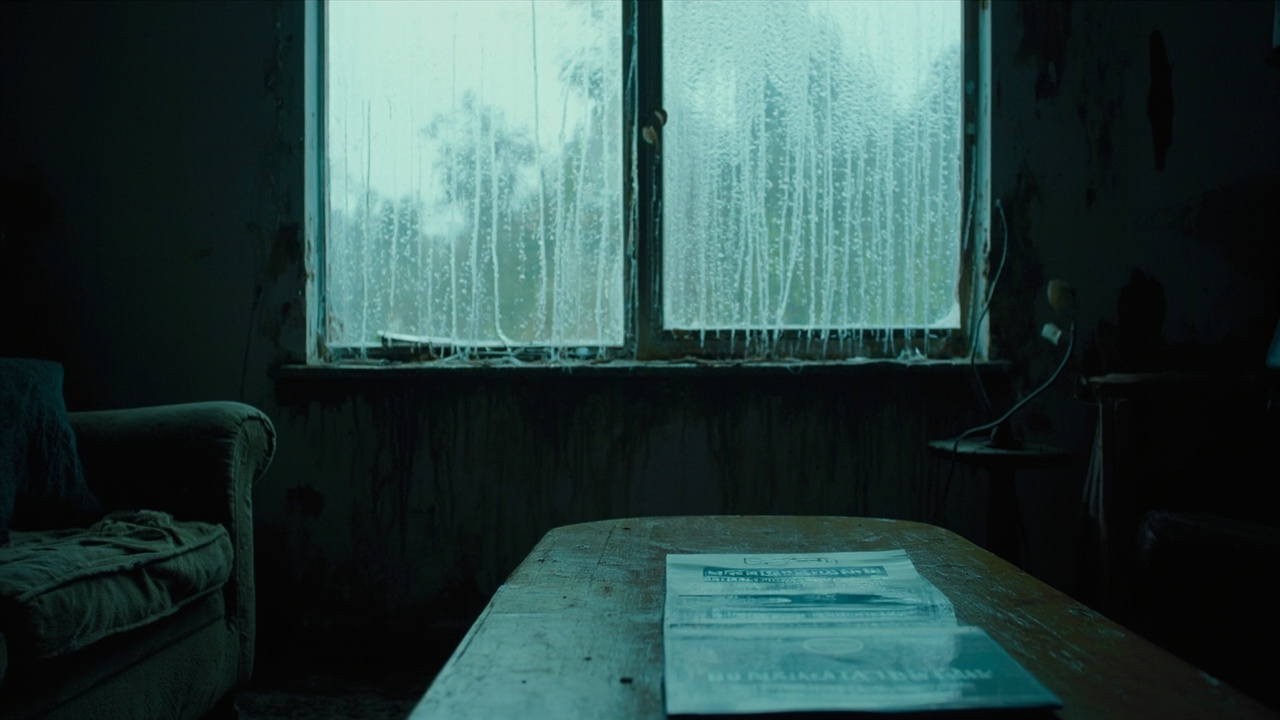
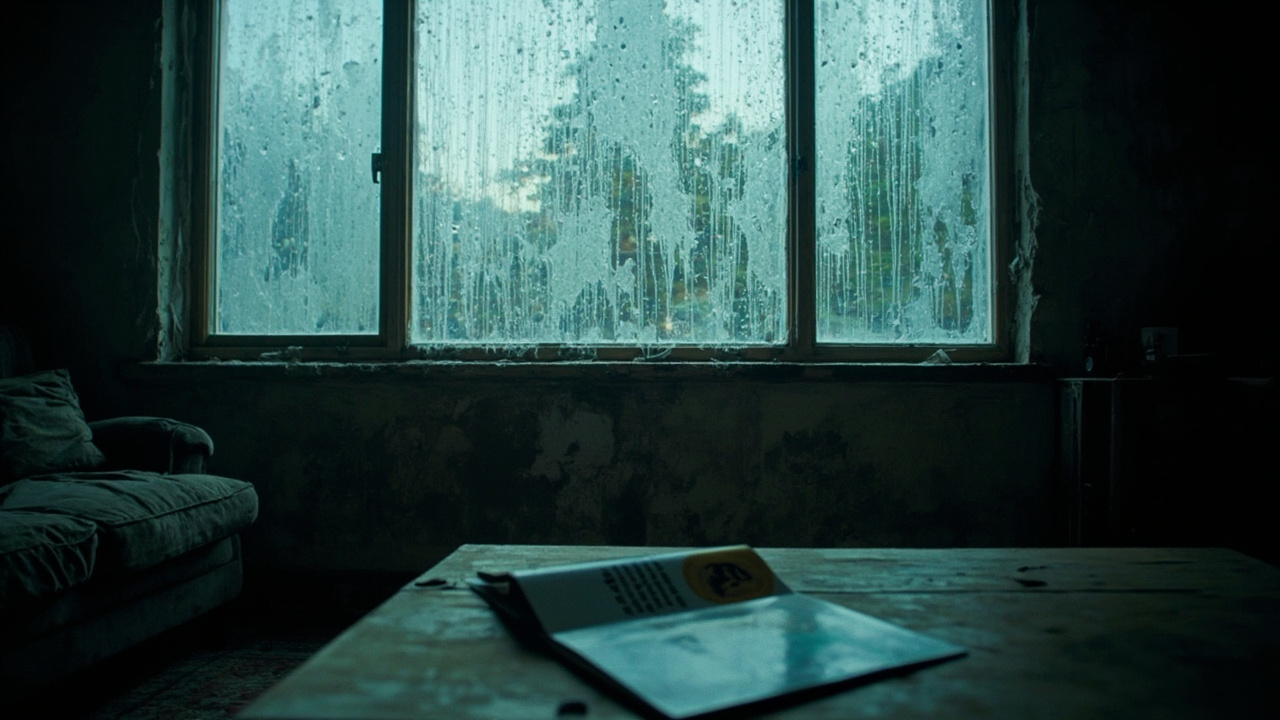

Birmingham sits on expansive red clay soil that retains moisture and wicks it toward home foundations. This creates persistently high humidity in crawlspaces and basements, especially after spring rains. That moisture migrates upward through floor assemblies via capillary action and stack effect. It raises indoor humidity levels and contributes to interior glass condensation and damp drywall patches in first-floor rooms. Homes built on slab foundations fare better, but raised foundations without proper vapor barriers and ventilation become moisture generators. The clay soil beneath your home is likely making your condensation problem worse.
Birmingham's building codes now require enhanced moisture management, but most homes were built before these standards existed. Neighborhoods like Homewood, Mountain Brook, and Vestavia Hills contain thousands of homes from the 1950s through 1980s that lack modern vapor barriers and air sealing. We have diagnosed condensation issues in every major Birmingham neighborhood and understand the common defects in each era of construction. Our familiarity with local building practices means we can identify problems faster and recommend solutions that work within your home's existing structure.