Menu

Cupping or Buckling Wood Floors in Birmingham – Expert Diagnosis and Permanent Moisture-Based Repair

We identify the hidden moisture source causing your warped hardwood flooring, lift floorboards without demolition, and restore structural integrity using moisture mapping tools and sub-floor drying systems designed for Birmingham's humid climate.

Slider Image 1
Slider Image 2
Slider Image 3
Slider Image 4
Slider Image 5
Slider Image 7
Slider Image 8
Slider Image 9
Slider Image 10
Slider Image 11

Why Birmingham Hardwood Floors Deform More Than Other Regions

You see raised wood floor edges or peaking hardwood joints across your living room. The boards feel springy underfoot. Some planks crown upward in the center while others lift at the seams. This is not random. Birmingham's humid subtropical climate creates year-round moisture stress that causes swollen wood planks faster than drier regions.

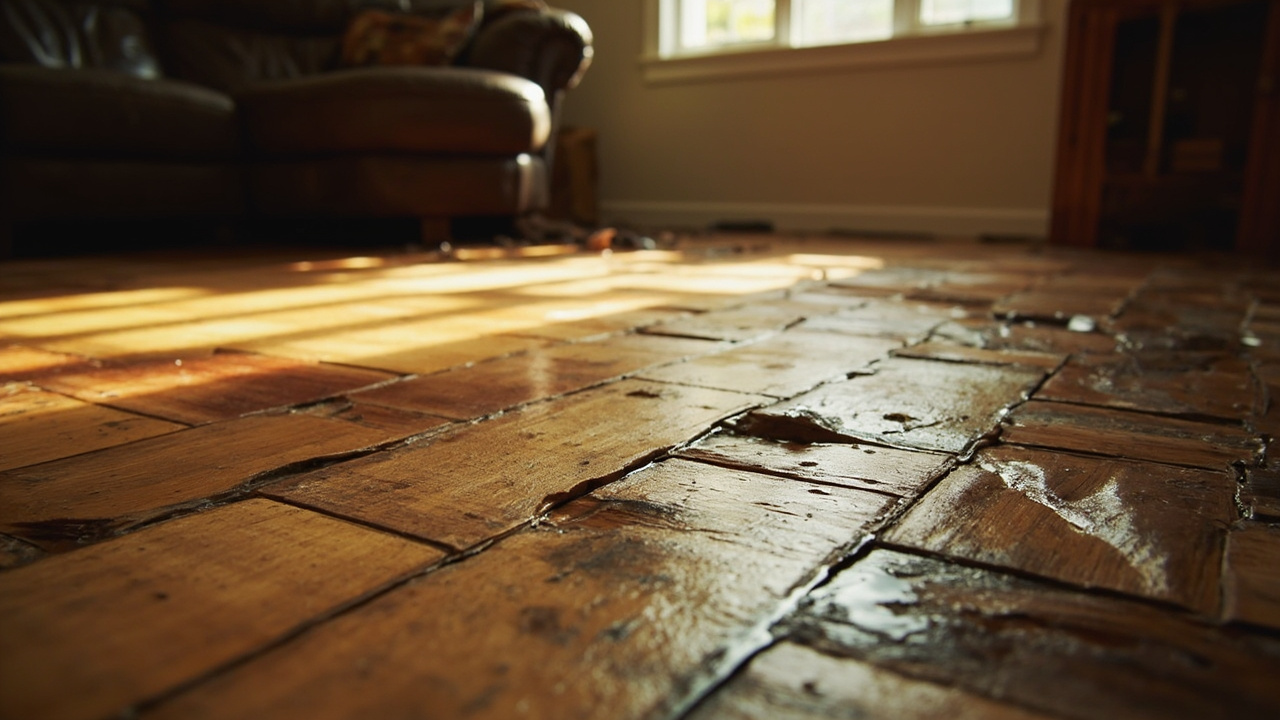
Your hardwood absorbed water from below or above. Cupping happens when moisture enters from underneath, swelling the bottom of the board more than the top. The edges rise. Buckling occurs when prolonged saturation causes entire planks to detach from the subfloor and warp upward. Both deformations signal active moisture intrusion, not normal aging.

Homes near Valley Creek or Shades Creek face elevated risk from high water tables. Properties built on Birmingham's red clay soil experience foundation settling that cracks slab edges and allows groundwater seepage. Summer humidity above 70 percent penetrates crawl spaces and basements, condensing on cool joists and dripping onto subfloors. Air conditioning systems that cycle off during the day allow interior humidity to spike, softening wood fibers that have already absorbed moisture from below.

Lifting floorboards also result from plumbing leaks under slab foundations. A pinhole leak in a copper supply line can saturate the subfloor for weeks before you notice warped hardwood flooring. By then, the tongue-and-groove joints have swollen beyond their expansion gaps. The planks push against each other and buckle upward. If you ignore peaking hardwood joints, the damage spreads laterally as adjacent boards absorb migrating moisture.

Birmingham's older neighborhoods like Forest Park and Highland Park contain homes with pier-and-beam foundations. These crawl spaces trap humid air that condenses on floor joists. Without vapor barriers or proper ventilation, moisture wicks into the subfloor and travels upward into your hardwood. The result is cupping that appears in clusters near exterior walls or bathrooms.

Why Birmingham Hardwood Floors Deform More Than Other Regions
How We Stop Moisture Movement and Reverse Wood Deformation

How We Stop Moisture Movement and Reverse Wood Deformation

We do not sand cupped floors and call it done. That removes the high spots but leaves the moisture source active. The cupping returns within months. Our approach targets the water intrusion point first, then stabilizes the wood through controlled drying.

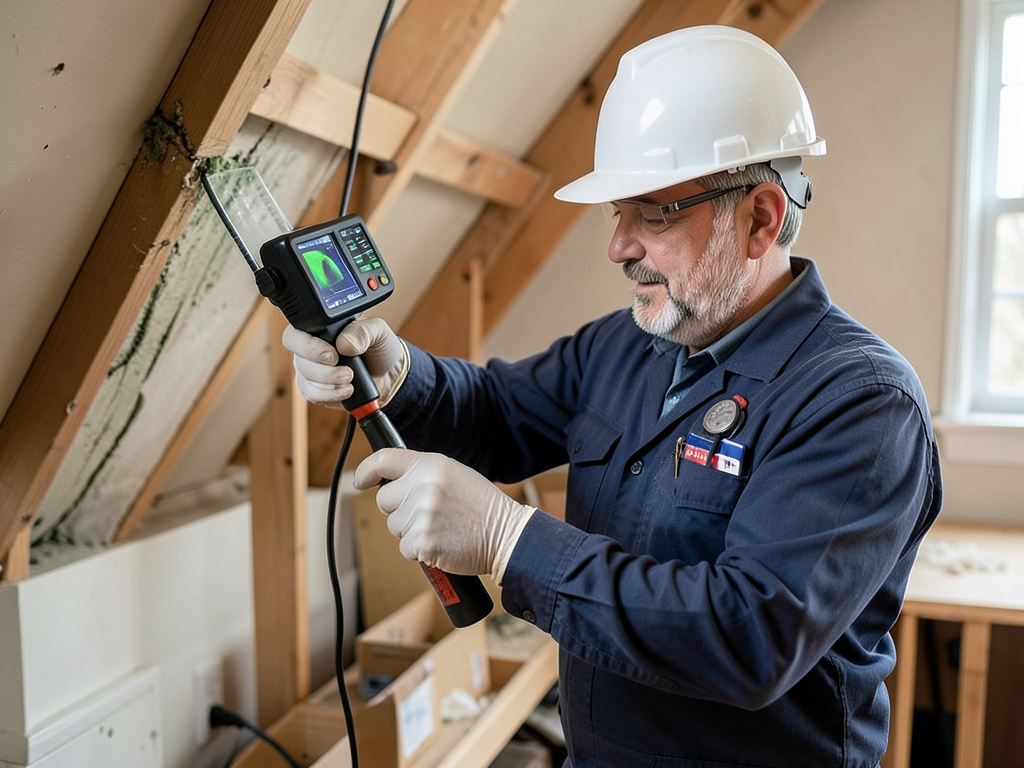
We start with moisture mapping. Technicians use pinless moisture meters to scan the floor surface in a grid pattern, identifying high-moisture zones without puncturing the finish. We then drill small test holes through the flooring into the subfloor to measure moisture content at the substrate level. This reveals whether water is entering from below or above. A reading above 12 percent in the subfloor confirms active intrusion.

Next, we use thermal imaging cameras to trace moisture pathways. Cold spots on the scan indicate evaporative cooling from wet materials. We follow these thermal signatures to the source, whether it is a leaking drain line, a foundation crack, or condensation from an uninsulated HVAC duct in the crawl space. We document the source with photos and moisture readings for your insurance claim.

Once we locate the intrusion point, we stop it. For plumbing leaks, we coordinate with licensed plumbers to repair the line. For groundwater seepage, we install vapor barriers in crawl spaces or recommend exterior drainage corrections. For condensation issues, we improve ventilation or insulate cold surfaces.

After stopping the water, we dry the floor system. We remove baseboards and drill small relief holes along the perimeter to allow air circulation beneath the flooring. We place low-grain refrigerant dehumidifiers in the room to pull moisture from the air. We position axial air movers to push dry air across the floor surface and under the boards through the relief holes. This creates a drying gradient that pulls moisture out of the wood fibers and subfloor without overheating the planks.

We monitor moisture levels daily using the same pin-type and pinless meters. Drying takes 5 to 14 days depending on wood species, subfloor type, and initial moisture content. We do not stop until the subfloor reads below 12 percent and the hardwood reads within 2 percent of the subfloor level. This equilibrium prevents future movement.

What Happens During Your Floor Moisture Remediation

Cupping or Buckling Wood Floors in Birmingham – Expert Diagnosis and Permanent Moisture-Based Repair
01

Moisture Source Identification

We map moisture levels across your floor using non-invasive pinless meters and thermal imaging. We drill small test holes into the subfloor to measure substrate moisture content. We trace moisture pathways to the exact intrusion point, whether it is a foundation crack, plumbing leak, or crawl space condensation. We document findings with photos and moisture readings. This diagnostic phase typically takes 60 to 90 minutes and determines the repair scope.
02

Water Intrusion Mitigation

We stop the water source before drying begins. We coordinate with plumbers for supply line or drain repairs. We seal foundation cracks or install vapor barriers in crawl spaces. We correct condensation issues by insulating ducts or improving ventilation. We remove standing water from the subfloor using extraction mats if saturation is severe. This phase ensures the moisture problem does not continue during drying. We do not proceed until the intrusion is fully controlled.
03

Controlled Floor Drying

We remove baseboards and drill perimeter relief holes to circulate air under the flooring. We place commercial dehumidifiers and air movers to create a drying gradient that pulls moisture from the wood and subfloor. We monitor moisture levels daily using pin-type meters at multiple test points. Drying takes 5 to 14 days depending on wood thickness and initial saturation. We stop only when the subfloor and hardwood reach equilibrium below 12 percent moisture content. Most cupping reverses during this phase.

Why Birmingham Homeowners Choose Local Water Damage Specialists Over General Contractors

General contractors see cupped floors as a flooring problem. They quote you a replacement job. Water damage restoration technicians see it as a moisture problem. We fix the cause, not just the symptom.

Grand Water Damage Restoration Birmingham operates in Jefferson County and understands the specific moisture challenges in this region. We have worked in the crawl spaces of homes in Homewood, Vestavia Hills, and Mountain Brook. We know the pier-and-beam construction common in pre-1960 homes. We know the slab-on-grade foundations in newer subdivisions near Hoover and Trussville. We understand the red clay soil that holds water and the high water tables near Cahaba River tributaries.

We also understand Birmingham's building codes. If your floor damage requires subfloor replacement, we follow the 2015 International Residential Code adopted by Jefferson County. We install pressure-treated plywood in crawl space applications and ensure proper joist spacing. We coordinate inspections with local building officials when structural repairs are necessary. A general contractor may not know these requirements. An out-of-town restoration company may not have local permit relationships.

Our technicians hold IICRC Water Damage Restoration certifications. This means they follow drying standards based on psychrometrics, not guesswork. We calculate grain depression targets based on your home's interior conditions. We adjust equipment placement based on real-time moisture readings. We do not pull equipment early because the floor looks dry. We pull it when the meters confirm equilibrium.

We also work directly with your insurance carrier. We document moisture sources with thermal images and moisture maps. We provide detailed drying logs that show daily progress. We write estimates using Xactimate software that adjusters recognize. If your policy covers the damage, we help you get paid. If your damage falls under your deductible, we explain the scope clearly so you understand what you are paying for.

Birmingham's older homes often have multiple moisture issues. We find them all during the initial assessment. You may have cupping from a plumbing leak and buckling from crawl space condensation in the same room. We address both. We do not fix one problem and leave the other to cause future damage. This comprehensive approach saves you money and prevents repeat failures.

What You Can Expect During the Repair Process

Response Time and Availability

We dispatch a technician to your Birmingham property within 2 hours of your call during business hours. Emergency calls receive same-day response 7 days a week. The initial assessment takes 60 to 90 minutes. We provide a written scope and moisture map before we leave. If you approve the work, we start mitigation the same day or the next morning. We do not delay. Moisture spreads through wood quickly, and every day of delay increases the affected area. Equipment placement begins immediately after you sign the authorization. Our technicians arrive with moisture meters, thermal cameras, and drying equipment in their vehicles.

Diagnostic Assessment and Moisture Mapping

We scan your floors with pinless moisture meters to identify high-moisture zones without damaging the finish. We drill small test holes through the flooring to measure subfloor moisture content. We use thermal imaging to trace moisture pathways and locate the intrusion source. We test surrounding areas including walls, baseboards, and subfloor joists. We document findings with photos, moisture readings, and a floor plan sketch. You receive a written report that explains the moisture source, the extent of damage, and the recommended repair scope. This diagnostic phase is thorough because misidentifying the source leads to failed repairs and recurring cupping.

Drying Results and Floor Recovery

Most cupping reverses when moisture content drops below 12 percent. The wood relaxes as it releases absorbed water. Edges flatten and boards return to their original profile. Buckling is more severe and may require board replacement if the planks have detached from the subfloor. We monitor progress daily using moisture meters and adjust equipment placement to optimize drying. We take before-and-after moisture readings at the same test points to show measurable improvement. You receive a completion report with final moisture levels. If minor cupping remains after drying, we wait 30 days to allow the wood to acclimate before recommending sanding or refinishing.

Post-Drying Recommendations and Prevention

After drying is complete, we provide recommendations to prevent recurrence. This may include installing a vapor barrier in your crawl space, repairing foundation drainage, or improving crawl space ventilation. We explain how to maintain consistent indoor humidity between 30 and 50 percent using your HVAC system. We recommend annual crawl space inspections if you have a pier-and-beam foundation. If your floor required subfloor replacement, we provide documentation for your records and insurance file. We return for a follow-up inspection 30 days after completion to verify the floor remains stable. This post-service check confirms the moisture source is fully resolved.

Frequently Asked Questions

You Have Questions,
We Have Answers

What is the difference between wood buckling and cupping? +

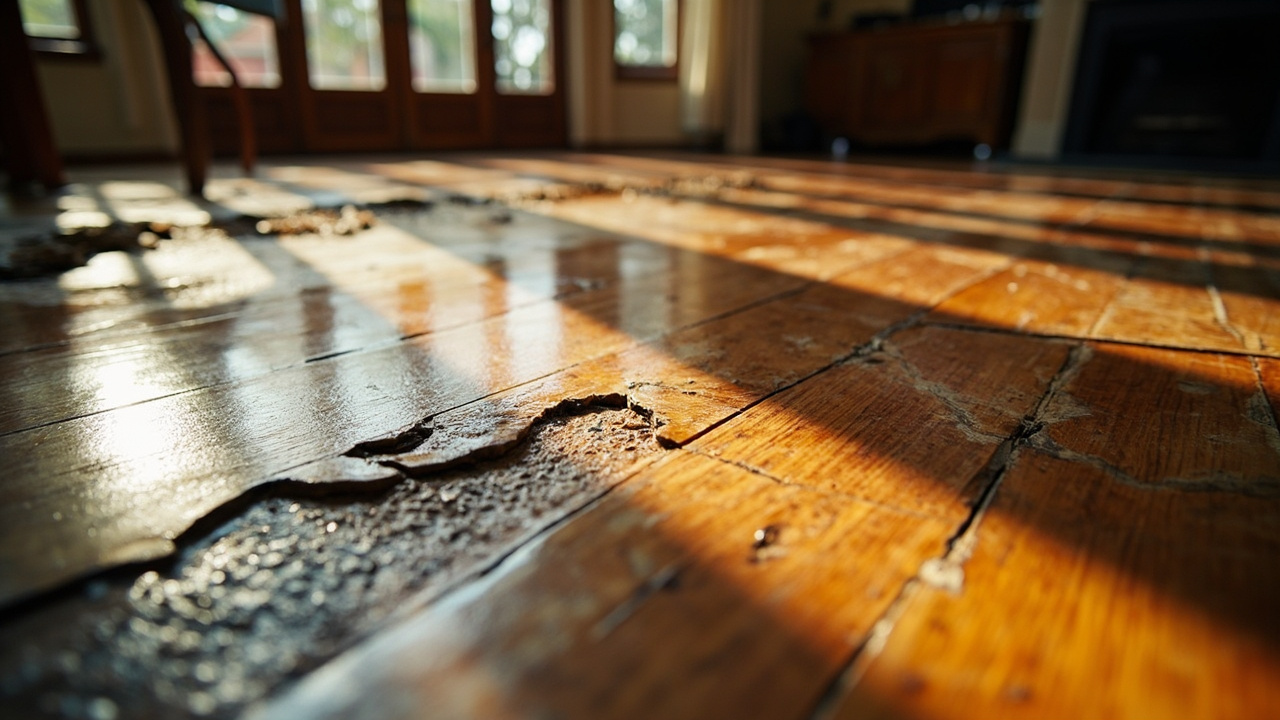
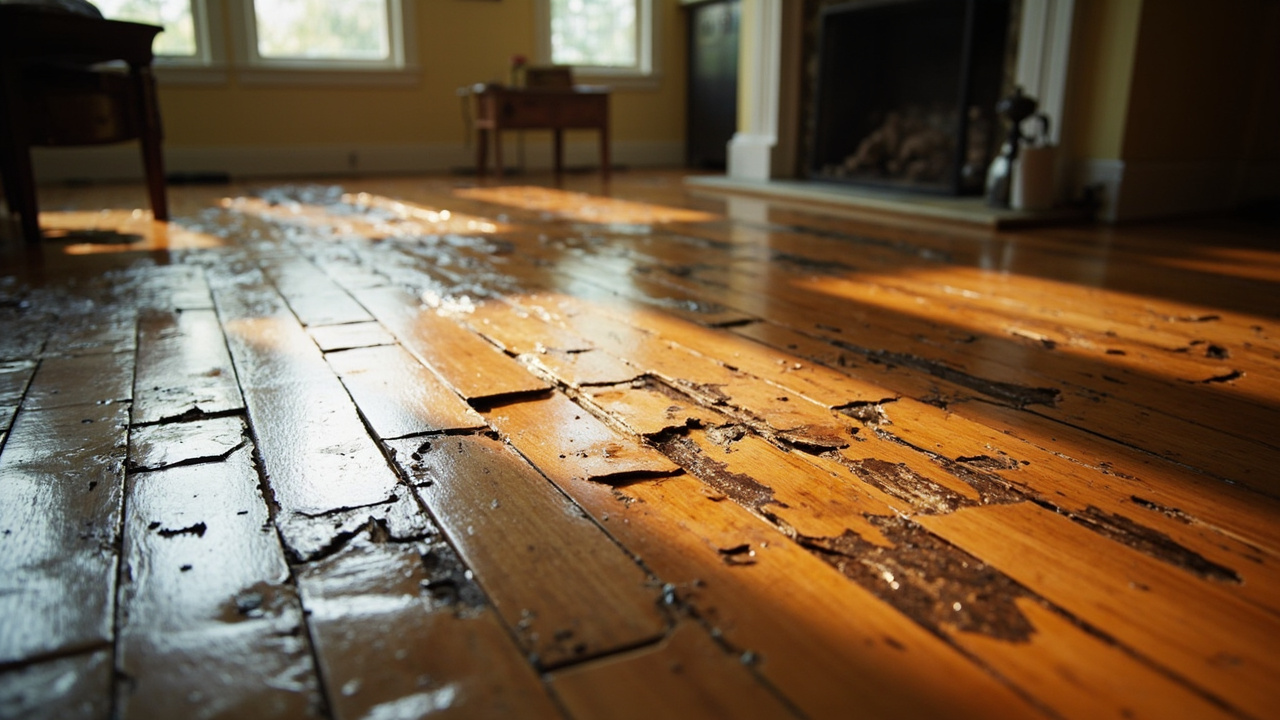
Cupping happens when the edges of wood planks rise higher than the center, creating a concave shape. This occurs when moisture penetrates the bottom of the board faster than the top. Buckling is more severe. The entire plank lifts away from the subfloor, creating visible peaks or ridges. Buckling results from extreme moisture exposure, often from flooding or major leaks. In Birmingham's humid climate, both issues stem from water intrusion, but buckling indicates structural detachment. Cupping is a surface-level warp. Buckling means the floor has lost its bond to the subfloor and requires immediate professional assessment.

What does a buckled hardwood floor look like? +

A buckled hardwood floor shows visible peaks or humps where planks have lifted completely from the subfloor. You will notice raised ridges running along board seams, sometimes several inches high. The floor feels unstable or bouncy when you walk over affected areas. Gaps may appear between planks as boards pull away from their original position. In severe cases, planks crack or splinter at stress points. Birmingham homes with crawl space moisture issues or plumbing leaks often develop buckling. The damage is unmistakable. If your floor looks wavy or you can see daylight under boards, you have buckling that needs immediate attention.

Will my cupped wood floors flatten? +

Cupped wood floors can flatten if you address the moisture source quickly. In Birmingham's climate, crawl space humidity or minor leaks cause most cupping. Remove the water source first, then allow the floor to dry slowly over weeks or months. Never force-dry with heaters. That creates reverse cupping. Some floors self-correct after drying. Others need professional sanding once moisture levels stabilize. The key is patience. Hardwood absorbs and releases moisture slowly. If you see cupping, document it, fix the leak, and monitor the floor. Many cases resolve without replacement, but timing and proper drying matter.

What does cupping look like on a wood floor? +

Cupping creates a concave shape across each wood plank. The edges rise higher than the center, forming a shallow U-shape or trough. Run your hand perpendicular across the boards. You will feel the edges as raised ridges with dips between them. In bright light, you can see shadows in the valleys. Severe cupping creates noticeable grooves. Birmingham's high humidity often causes uniform cupping across multiple boards. The floor looks washboard-like. This differs from crowning, where centers are higher than edges. Cupping always signals moisture from below. The bottom of the board swells faster than the top, forcing edges upward.

Can cupped hardwood floors be repaired? +

Yes, cupped hardwood floors can often be repaired, but you must eliminate the moisture source first. In Birmingham, this means addressing crawl space humidity, fixing leaks, or improving ventilation. Let the floor dry completely for several months. Some cupping self-corrects during drying. If warping persists after full drying, professional sanding can level the surface. The flooring contractor removes the raised edges, restoring flatness. However, sanding too early while moisture remains causes reverse cupping. You get one or two sandings per floor before running out of wood thickness. Repair works best for mild to moderate cupping caught early.

Will buckled hardwood floors go back to normal? +

Buckled hardwood floors rarely return to normal on their own. Buckling means planks have completely separated from the subfloor, often breaking adhesive or nail bonds. Even after drying, boards remain lifted. You will need professional repair, which involves removing damaged sections, drying the subfloor, and reinstalling new planks. In Birmingham homes, buckling often follows flooding or major water heater failures. The subfloor itself may need replacement if saturated too long. Minor cases might allow for re-nailing after drying, but most buckled floors require partial replacement. Act fast after water damage to prevent buckling from progressing beyond repair.

How Birmingham's Red Clay Soil and Seasonal Humidity Create Crawl Space Moisture That Causes Cupping

Birmingham sits on red clay soil that retains water after heavy rain. This clay has low permeability, meaning water drains slowly and pools under foundations. Homes with crawl spaces experience rising moisture as groundwater evaporates and condenses on floor joists. Summer humidity above 70 percent compounds the problem. Warm, moist air enters the crawl space and cools against the subfloor, creating condensation that drips onto wood framing. This moisture travels upward through osmosis and capillary action, saturating the subfloor and causing swollen wood planks above. Neighborhoods near waterways like Valley Creek or Cahaba River see higher groundwater tables, making moisture intrusion more common. If your home was built before 2000, it likely lacks a proper vapor barrier, allowing direct soil moisture to enter the crawl space.

Grand Water Damage Restoration Birmingham has worked in Jefferson County crawl spaces for years. We understand the pier-and-beam construction common in older Birmingham neighborhoods. We know the drainage challenges caused by sloped lots in areas like Mountain Brook and Vestavia Hills. We coordinate with local foundation specialists when grading corrections are needed. Our technicians understand Alabama's building code requirements for vapor barriers and crawl space ventilation. We provide detailed moisture reports that satisfy local insurance adjusters who handle claims in this region. When you hire a water damage restoration company that operates exclusively in Birmingham, you get technicians who understand the specific moisture challenges your home faces.

Water Damage Restoration Services in The Birmingham Area

Grand Water Damage Restoration is proud to serve the entire Birmingham area. Our convenient location ensures we can respond to your emergency needs with speed and efficiency. Whether you're a homeowner or business owner, we’re ready to bring our expertise directly to you. View our service area on the map to see how we can provide prompt, professional assistance and restore your property quickly and effectively.

Address:
Grand Water Damage Restoration Birmingham, 401 7th St N, Birmingham, AL, 35203

Additional Services We Offer

Our news updates

Latest Articles & News from The Blogs

A Guide to Safe Water Extraction for Local Birmingham Daycares and Preschools Water damage in a daycare facility creates immediate…

A Guide to Safe Water Extraction for Local Birmingham Daycares and Preschools

A Guide to Safe Water Extraction for Local Birmingham Daycares and Preschools Water damage in a daycare facility creates immediate…

Why Your Wylam Rental Might Be at Risk for Mold Due to Poor Window Sealant

Why Your Wylam Rental Might Be at Risk for Mold Due to Poor Window Sealant Window sealant failure in Wylam…

How to Manage a Multi Unit Water Leak in a Highland Park Condominium

How to Manage a Multi Unit Water Leak in a Highland Park Condominium Water damage in a Highland Park condominium…

Contact Us

Call (659) 234-8188 now for same-day moisture assessment in Birmingham. We locate the water source, stop the intrusion, and dry your floors using controlled drying methods. Do not wait for the cupping to spread. Every day of moisture exposure increases repair costs.