Menu

Sanitization & Odor Removal in Birmingham – Complete Disinfection and Deodorization After Water Damage

Professional antimicrobial treatment and odor control services that eliminate biological contaminants, neutralize persistent odors, and restore safe indoor air quality for homes and businesses across Birmingham.

Slider Image 1
Slider Image 2
Slider Image 3
Slider Image 4
Slider Image 5
Slider Image 7
Slider Image 8
Slider Image 9
Slider Image 10
Slider Image 11

Why Birmingham Properties Need Professional Sanitization After Water Events

Birmingham's subtropical climate creates the perfect breeding ground for microbial growth after water intrusion. With average humidity levels consistently above 70 percent and temperatures routinely exceeding 85 degrees from May through September, mold spores colonize damp materials in as little as 24 hours. The situation worsens in older neighborhoods like Forest Park and Avondale, where aging plumbing systems and poor ventilation compound moisture problems.

When sewage backs up from Birmingham's combined sewer system during heavy storms, or when Category 3 water floods your property, you face more than just water damage. Bacteria, viruses, fungi, and parasites contaminate every surface the water touches. The health risks are immediate and serious. Respiratory infections, skin irritations, gastrointestinal illness, and allergic reactions all stem from inadequate disinfection and deodorization.

Standing water produces hydrogen sulfide, which smells like rotten eggs. Mold releases volatile organic compounds that create musty odors. These smells do not just disappear when surfaces dry. Without proper antimicrobial treatment and odor abatement, the contamination remains embedded in porous materials like drywall, insulation, and subflooring.

Property owners who attempt DIY cleanup using household bleach or air fresheners only mask the problem. Surface cleaning cannot reach the microbial colonies growing inside wall cavities or beneath flooring. Professional sanitizing and deodorizing uses EPA-registered disinfectants applied at proper concentrations and contact times to eliminate pathogens at the source. The difference between amateur attempts and professional odor control services determines whether your property is truly safe or just appears clean.

Why Birmingham Properties Need Professional Sanitization After Water Events
Our Scientific Approach to Complete Microbial Elimination

Our Scientific Approach to Complete Microbial Elimination

Grand Water Damage Restoration Birmingham follows IICRC S500 and S520 standards for water damage restoration and mold remediation. These protocols specify exactly how to assess contamination levels, select appropriate antimicrobials, and verify remediation success through post-treatment testing.

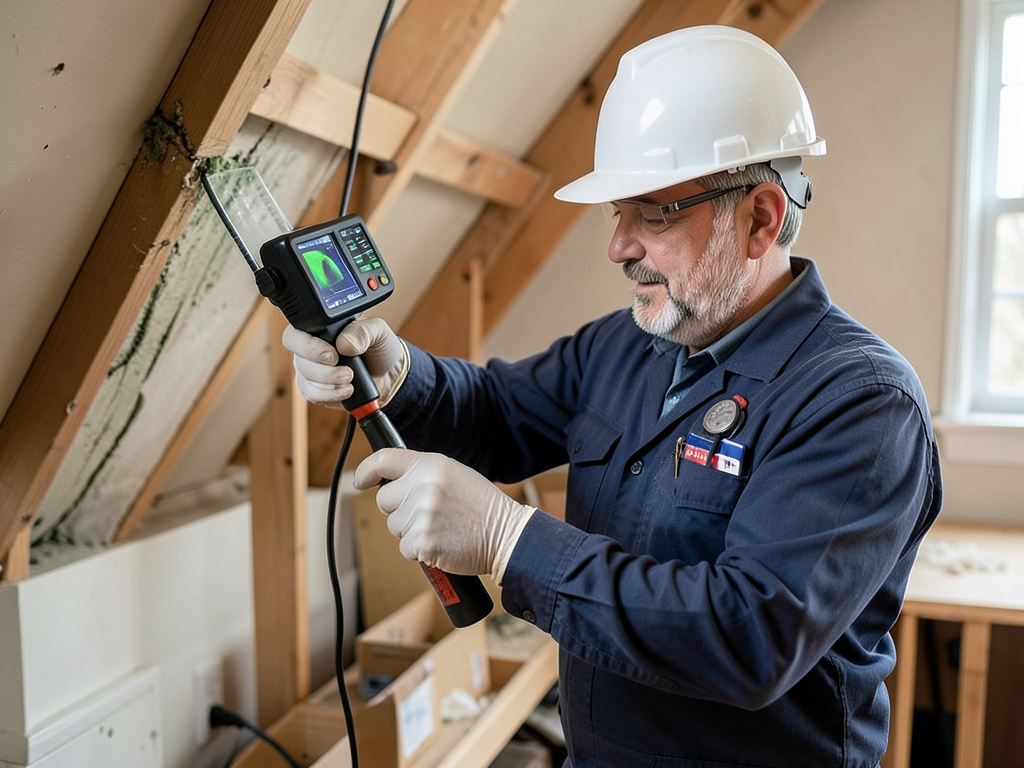
We start with ATP surface testing to measure biological contamination on affected surfaces. This bioluminescence technology detects adenosine triphosphate, the energy molecule present in all living cells. The data tells us whether contamination is bacterial, fungal, or both, which determines our treatment chemistry.

For bacterial contamination from sewage or floodwater, we apply quaternary ammonium compounds with demonstrated efficacy against gram-positive and gram-negative bacteria. For fungal contamination, we use fungistatic and fungicidal agents that penetrate porous materials to kill both surface growth and subsurface mycelia. All products carry EPA registration numbers and meet safety standards for occupied spaces.

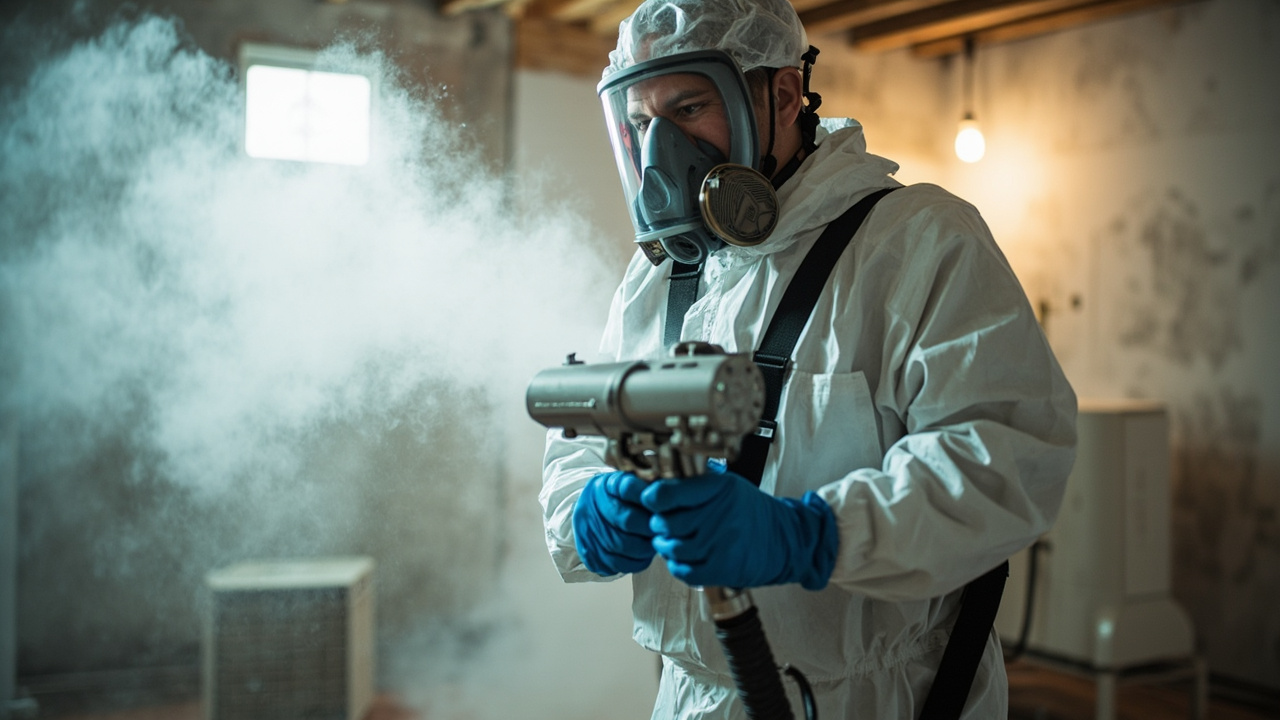
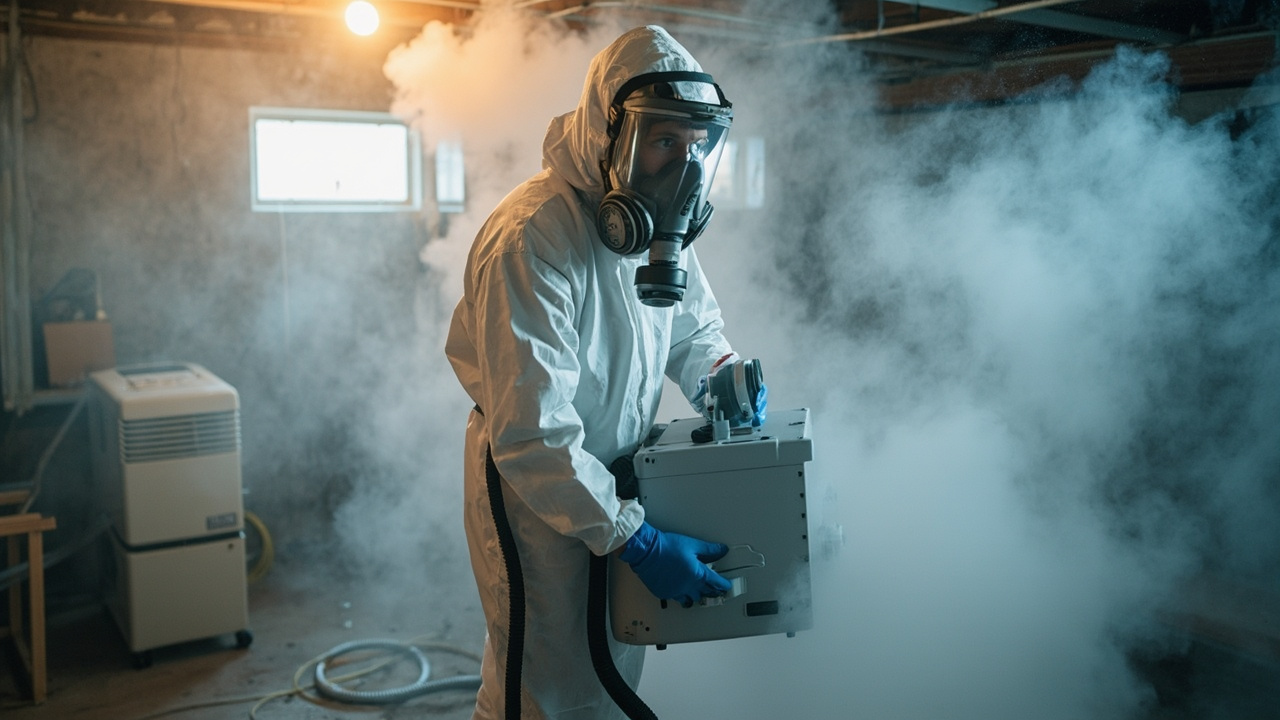
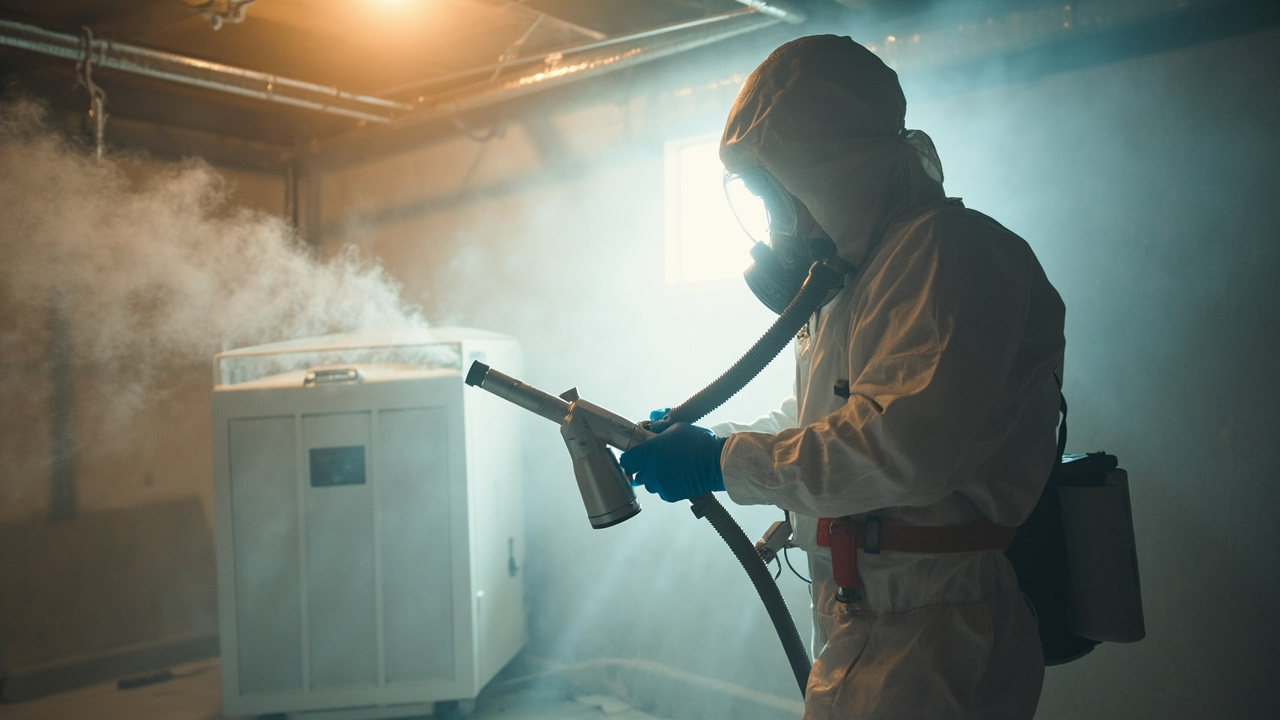
Our thermal fogging equipment converts liquid antimicrobials into a fine mist that penetrates every crack, crevice, and porous surface where microbes hide. The fog particles measure 5 to 30 microns, small enough to reach areas that spray application misses. We then introduce hydroxyl generators that produce hydroxyl radicals, naturally occurring molecules that break down odor compounds at the molecular level without producing harmful ozone.

For persistent odors in HVAC systems, we perform duct sanitization using contact cleaners and antimicrobial coatings that prevent recontamination. We replace contaminated insulation, treat coil assemblies, and install HEPA filtration to capture airborne spores. The result is complete odor abatement, not temporary masking. When we finish, independent air quality testing confirms that microbial levels meet or exceed industry standards for safe occupancy.

How We Restore Your Property to Safe Conditions

Sanitization & Odor Removal in Birmingham – Complete Disinfection and Deodorization After Water Damage
01

Contamination Assessment

We document the water category (clean, gray, or black), identify all affected materials, and use ATP meters to quantify biological contamination. Moisture mapping with thermal imaging cameras reveals hidden water intrusion behind walls and under flooring. We collect air samples to establish baseline spore counts and identify specific fungal species present. This diagnostic phase determines which materials require antimicrobial treatment versus complete removal and replacement.
02

Targeted Antimicrobial Application

After establishing containment barriers and running negative air machines with HEPA filtration, we apply EPA-registered disinfectants using electrostatic sprayers for even coverage on all surfaces. Thermal fogging reaches concealed spaces within wall cavities and ceiling plenums. We observe proper dwell times to ensure complete microbial kill. Hydroxyl generators run continuously to neutralize odor molecules. All treatments follow manufacturer specifications for concentration, application method, and contact time to guarantee effectiveness.
03

Verification and Clearance Testing

Post-treatment ATP testing confirms that surface contamination has been eliminated. We collect clearance air samples and send them to independent laboratories for spore count analysis. Results must show normal fungal ecology, meaning outdoor spore levels are higher than indoor levels. We provide detailed documentation including lab reports, antimicrobial product data sheets, and photographic evidence. Your property receives clearance only after passing all verification protocols.

Why Birmingham Properties Require Local Sanitization Expertise

Birmingham's housing stock includes significant historical architecture in districts like Highland Park and Crestwood. These older homes feature plaster walls, hardwood subfloors, and pier-and-beam foundations that require specialized sanitization approaches. Unlike modern construction with vapor barriers and pressure-treated lumber, these structures absorb water readily and create ideal conditions for microbial growth.

The city sits in the Ridge and Valley region of the Appalachian foothills, where clay soil expands dramatically when wet and contracts during dry periods. This soil movement causes foundation cracks that allow groundwater intrusion. Homes in neighborhoods along Shades Creek and Valley Creek face recurring basement flooding that requires ongoing antimicrobial maintenance.

Birmingham's industrial history means many commercial properties contain legacy contamination. Former manufacturing facilities converted to office space or residential lofts may have residual chemicals that react with biological growth to create complex odor problems. Standard hydroxyl treatment does not address these compounds. We use activated carbon filtration and specialized oxidizers designed for industrial contaminants.

We understand Jefferson County building codes regarding mold remediation and indoor air quality. When restoration work requires permits, we coordinate with local building inspectors and provide the documentation they need to issue occupancy certificates. Our familiarity with Alabama Department of Public Health guidelines for childcare facilities, schools, and healthcare settings ensures your commercial property meets regulatory requirements.

Local insurance adjusters recognize our work because we document everything according to Xactimate estimating standards. When you file a claim with State Farm, USAA, or Allstate, our reports include the technical detail adjusters need to approve sanitization costs without dispute.

What to Expect During Professional Sanitization Services

Rapid Response Timeline

We arrive within two hours of your call to begin assessment. Emergency sanitization for sewage backups starts immediately because Category 3 water requires disinfection within 24 hours to prevent serious health hazards. Most residential sanitization projects take two to three days from initial treatment through clearance testing. Commercial properties with extensive HVAC systems or large square footage may require five to seven days. We provide detailed timelines during the initial assessment so you know exactly when your property will be safe for reoccupancy.

Comprehensive Contamination Evaluation

Your assessment includes moisture mapping, thermal imaging, ATP surface testing, and air quality sampling. We identify the water source, categorize contamination levels, and document all affected materials with photographs and detailed notes. You receive a written scope of work explaining which areas require antimicrobial treatment, which materials need removal, and why. We explain the difference between surface cleaning and deep sanitization so you understand exactly what we will do. The assessment typically takes 60 to 90 minutes for residential properties.

Laboratory-Verified Results

Your project concludes only after independent laboratory analysis confirms that microbial levels meet industry standards for safe occupancy. We provide complete documentation including lab reports showing spore counts, ATP test results, and photographic evidence of treatment completion. You also receive product data sheets for all antimicrobials used, EPA registration numbers, and safety information. This documentation satisfies insurance requirements, building inspector requests, and your own peace of mind that your property is genuinely safe.

Ongoing Protection Plans

Properties with recurring moisture problems benefit from quarterly antimicrobial maintenance and air quality monitoring. We offer maintenance agreements that include seasonal HVAC sanitization, moisture inspections, and preventive treatments in high-risk areas. For commercial properties, we provide monthly air quality testing to ensure you maintain safe conditions for employees and customers. These programs catch problems early, before they become expensive remediation projects. We customize maintenance schedules based on your property's specific vulnerabilities and your budget.

Frequently Asked Questions

You Have Questions,
We Have Answers

What is the strongest odor eliminator? +

Hydroxyl generators and ozone machines are the strongest odor eliminators for severe contamination. Professionals use these tools to oxidize odor molecules at the source. Enzyme cleaners work well for organic smells like pet urine or decomposition. Activated charcoal and thermal fogging also penetrate porous surfaces. In Birmingham's humid climate, moisture trapped in drywall or subflooring can reactivate odors if not fully dried. DIY sprays only mask smells temporarily. For fire, flood, or biohazard odors in your home, equipment-grade solutions and moisture control are required for permanent removal.

What do nursing homes use to get rid of urine smell? +

Nursing homes rely on enzyme-based cleaners that break down uric acid crystals in carpet, padding, and subflooring. They also use oxidizing agents like hydrogen peroxide and controlled ventilation to prevent moisture buildup. In Birmingham's high humidity, urine odors worsen when moisture reactivates dried salts. Facilities often hire restoration professionals to treat contaminated padding or concrete with antimicrobial treatments and sealers. Surface cleaning alone does not work. You need extraction, enzymatic breakdown, and air filtration to neutralize the smell at the molecular level and prevent bacterial growth.

How do I permanently get rid of a bad smell in my house? +

Identify the source first. Odors from mold, dead animals, sewage, or hidden water damage require professional remediation. Remove contaminated materials like padding, drywall, or insulation if needed. Clean all surfaces with enzyme or oxidizing cleaners. Use hydroxyl generators or ozone treatment to neutralize airborne molecules. In Birmingham, high humidity can trap smells in porous materials. You must control moisture with dehumidifiers and proper ventilation. Air fresheners only mask the problem. Permanent removal means eliminating the contamination source, treating affected materials, and preventing future moisture intrusion.

What do nurses use to block smells? +

Nurses apply mentholated ointment under their nostrils or use scented masks to block strong odors during patient care. Vapor rub products like Vicks create a barrier against unpleasant smells. Some wear essential oil-infused clips on scrubs or masks. These methods only mask odors temporarily and do not remove the source. In homes dealing with medical care situations, you need proper ventilation, enzymatic cleaners for bodily fluids, and air filtration. Birmingham's humidity can amplify smells from incontinence or wounds, so dehumidification and professional sanitization are required for long-term odor control.

What kills all smells? +

No single product kills all smells, but ozone generators and hydroxyl machines oxidize most odor molecules at the molecular level. Enzyme cleaners break down organic compounds like urine, vomit, and decomposition. Activated charcoal absorbs airborne particles. Thermal fogging penetrates porous materials. The key is matching the treatment to the odor source. In Birmingham, moisture amplifies smells from mold, sewage, or animal contamination. You must remove the contamination, treat affected materials, and control humidity. Surface sprays and candles only cover odors temporarily. Professional equipment and source removal are required for complete elimination.

What do realtors use to make a house smell good? +

Realtors use vanilla extract, citrus sprays, or baked goods to create a welcoming smell during showings. Some use plug-in air fresheners or essential oil diffusers. These tactics only mask odors temporarily and do not remove underlying problems. Buyers notice pet smells, smoke, mold, or mustiness fast. In Birmingham's humid climate, moisture trapped in carpet or drywall creates persistent odors that hurt resale value. Before listing, you should address the source with professional cleaning, ozone treatment, or material replacement. Fresh paint and open windows help, but contamination requires remediation, not fragrance.

What is the old lady's smell called? +

The smell associated with elderly individuals is called nonenal. It comes from a chemical compound your skin produces as you age, intensified by oxidized oils and dead skin cells. Poor ventilation, incontinence, and medication side effects can worsen the odor. In Birmingham's humidity, fabrics, carpet, and upholstery absorb and hold these smells. Regular laundering, air filtration, and enzymatic cleaning help. For persistent odors in homes or care facilities, you need professional sanitization, ozone treatment, and moisture control. Surface cleaning alone does not eliminate the odor embedded in porous materials or HVAC systems.

How do professionals remove pee smell? +

Professionals use enzyme cleaners to break down uric acid crystals in carpet, padding, and subflooring. They extract contaminated materials with truck-mounted equipment and apply antimicrobial treatments to prevent bacterial growth. For severe cases, they remove and replace padding or seal concrete with odor-blocking primers. In Birmingham's humid environment, urine odors worsen when moisture reactivates dried salts. Hydroxyl generators or ozone machines neutralize airborne molecules. DIY cleaners only treat the surface. You need extraction, enzymatic breakdown, structural drying, and air scrubbing to fully remove urine contamination and prevent odor return.

What do morticians use to block smells? +

Morticians use formaldehyde-based embalming fluids to preserve tissue and control decomposition odors. They also apply topical disinfectants and sealants. For airborne smells, they use ventilation systems, ozone generators, and activated charcoal filters. In restoration work after unattended deaths or biohazard situations, professionals follow similar protocols. They remove contaminated materials, apply enzyme cleaners and antimicrobial treatments, and use hydroxyl or ozone equipment to neutralize odors. In Birmingham, humidity accelerates decomposition and odor penetration into porous surfaces. You need professional remediation, not household cleaners, to safely remove biohazard contamination and associated smells.

What is the hardest smell to get rid of in a house? +

Smoke and decomposition odors are the hardest to remove because they penetrate porous materials like drywall, insulation, and HVAC ducts. Fire smoke leaves oily residue that bonds to surfaces. Decomposition fluids soak into subflooring and structural wood. In Birmingham's humid climate, moisture reactivates trapped odor molecules. You need thermal fogging, ozone treatment, or hydroxyl generators to oxidize embedded particles. Surface cleaning fails. Professionals often remove contaminated materials, seal studs and concrete, and use air scrubbers. Pet urine and mold also resist DIY efforts. Permanent removal requires source elimination and professional-grade equipment.

How Birmingham's Humidity and Aging Infrastructure Complicate Odor Control

Birmingham averages 117 days per year with relative humidity above 80 percent. This persistent moisture creates continuous microbial activity in any water-damaged building materials. Neighborhoods along Red Mountain, including Homewood and Mountain Brook, face additional challenges because elevation changes create condensation problems in basements and crawlspaces. The combination of humidity and temperature fluctuations means odor compounds regenerate even after initial cleaning. Professional hydroxyl treatment and antimicrobial coatings provide the only permanent solution because they eliminate the microbial source rather than masking smells.

Many Birmingham properties rely on plumbing systems installed between 1920 and 1960, when building codes did not require backwater valves or proper venting. These systems are prone to sewage backups during heavy rain events that overwhelm the city's combined sewer system. Grand Water Damage Restoration Birmingham works directly with Birmingham Water Works Board protocols for sewage cleanup and maintains relationships with local plumbing contractors who can address underlying infrastructure problems. Our understanding of local plumbing configurations helps us identify contamination pathways that out-of-town restoration companies miss.
Water Damage Restoration Services in The Birmingham Area

Grand Water Damage Restoration is proud to serve the entire Birmingham area. Our convenient location ensures we can respond to your emergency needs with speed and efficiency. Whether you're a homeowner or business owner, we’re ready to bring our expertise directly to you. View our service area on the map to see how we can provide prompt, professional assistance and restore your property quickly and effectively.

Address:
Grand Water Damage Restoration Birmingham, 401 7th St N, Birmingham, AL, 35203

Additional Services We Offer

Our news updates

Latest Articles & News from The Blogs

Comparing Interior vs Exterior Waterproofing for Your Central Park Basement Living in Central Park means dealing with Birmingham’s heavy rainfall…

Comparing Interior vs Exterior Waterproofing for Your Central Park Basement

Comparing Interior vs Exterior Waterproofing for Your Central Park Basement Living in Central Park means dealing with Birmingham’s heavy rainfall…

Keeping Your Rising West Princeton Home Theater Dry and Mold Free

Keeping Your Rising West Princeton Home Theater Dry and Mold Free Birmingham’s humid subtropical climate creates unique challenges for home…

How High Humidity and Birmingham Pollen Create the Perfect Storm for Attic Mold in Airport Highlands

How High Humidity and Birmingham Pollen Create the Perfect Storm for Attic Mold in Airport Highlands Airport Highlands homeowners face…

Contact Us

Do not risk your health with incomplete sanitization. Call Grand Water Damage Restoration Birmingham at (659) 234-8188 for immediate assessment and EPA-registered antimicrobial treatment. We provide laboratory-verified results and complete documentation for insurance claims.