
Menu

Mold Remediation & Removal in Birmingham – Complete Abatement from Certified Technicians

Professional mold mitigation and decontamination services backed by IICRC-certified technicians who understand Birmingham's humidity challenges and deliver lasting mold cleanup solutions for residential and commercial properties.

Slider Image 1
Slider Image 2
Slider Image 3
Slider Image 4
Slider Image 5
Slider Image 7
Slider Image 8
Slider Image 9
Slider Image 10
Slider Image 11

Why Birmingham Properties Face Persistent Mold Growth

Birmingham sits in the humid subtropical climate zone where average humidity hovers between 65% and 85% year-round. This constant moisture creates ideal conditions for mold colonization, particularly in crawl spaces, attics, and behind walls where ventilation is poor.

The red clay soil throughout Jefferson County compounds the problem. Clay retains water and shifts with seasonal wet-dry cycles, creating foundation cracks and basement seepage points where moisture infiltrates your property. Once water enters, mold spores activate within 24 to 48 hours.

You will find mold growth accelerates in Birmingham homes built before 1980, especially in neighborhoods like Forest Park and Crestwood North where older construction methods lacked modern vapor barriers. The combination of aging building envelopes and Birmingham's rainfall patterns, which average 54 inches annually, means mold abatement becomes necessary rather than optional.

Professional mold decontamination addresses both visible growth and hidden contamination. Surface cleaning does not eliminate mold. The mycelium network extends deep into porous materials like drywall and insulation. Without proper mold mitigation protocols, colonies regrow within weeks.

Birmingham residents also face specific mold species tied to our climate. Stachybotrys chartarum, commonly called black mold, thrives in the moisture levels found in local basements and crawl spaces. This species produces mycotoxins that trigger respiratory issues and requires specialized mold cleanup services beyond what homeowners can safely perform.

The window AC units common in older Birmingham properties create condensation problems that feed mold growth. Combined with poor attic ventilation in summer heat, you end up with year-round mold pressure that demands systematic professional mold removal.

Why Birmingham Properties Face Persistent Mold Growth
The Science-Based Mold Remediation Protocol

The Science-Based Mold Remediation Protocol

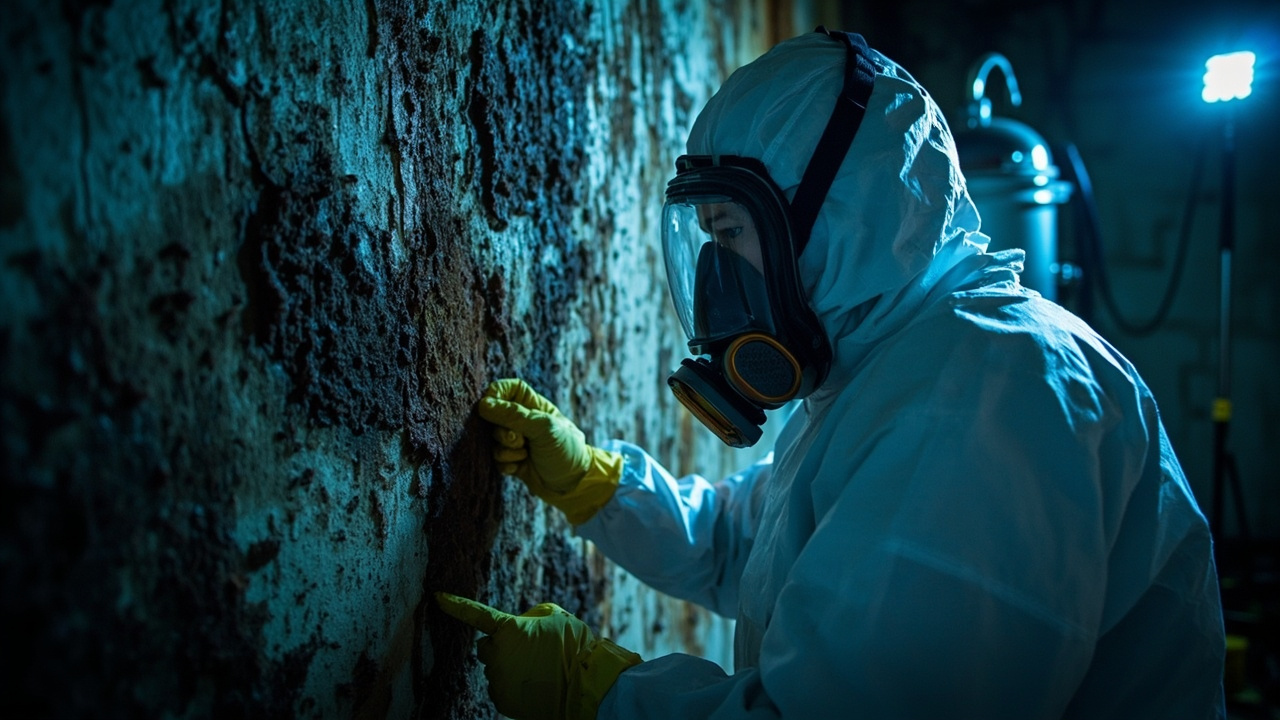
Effective mold mitigation follows containment principles, not just cleaning. We establish negative air pressure zones using HEPA-filtered air scrubbers that prevent cross-contamination to unaffected areas. This containment creates a controlled environment where mold spores cannot migrate during the removal process.

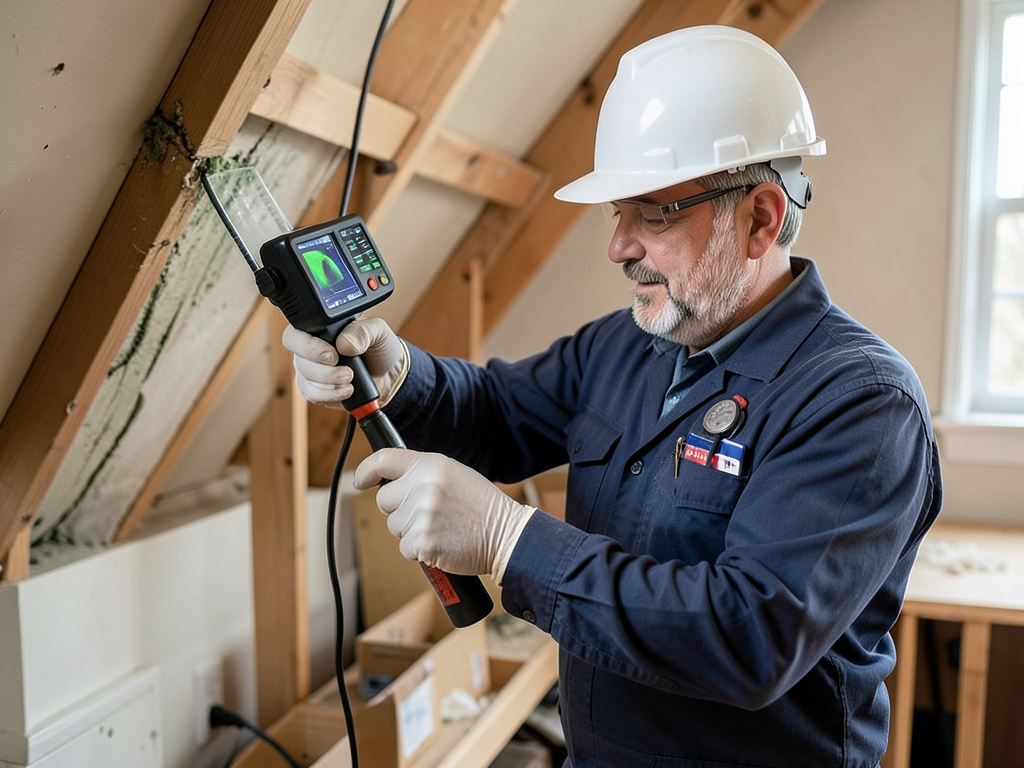
Our technicians perform moisture mapping using thermal imaging cameras and moisture meters calibrated to detect elevated readings behind walls and under flooring. Birmingham's brick veneer construction often hides moisture intrusion between the exterior brick and interior sheathing, creating concealed mold growth that visual inspection misses.

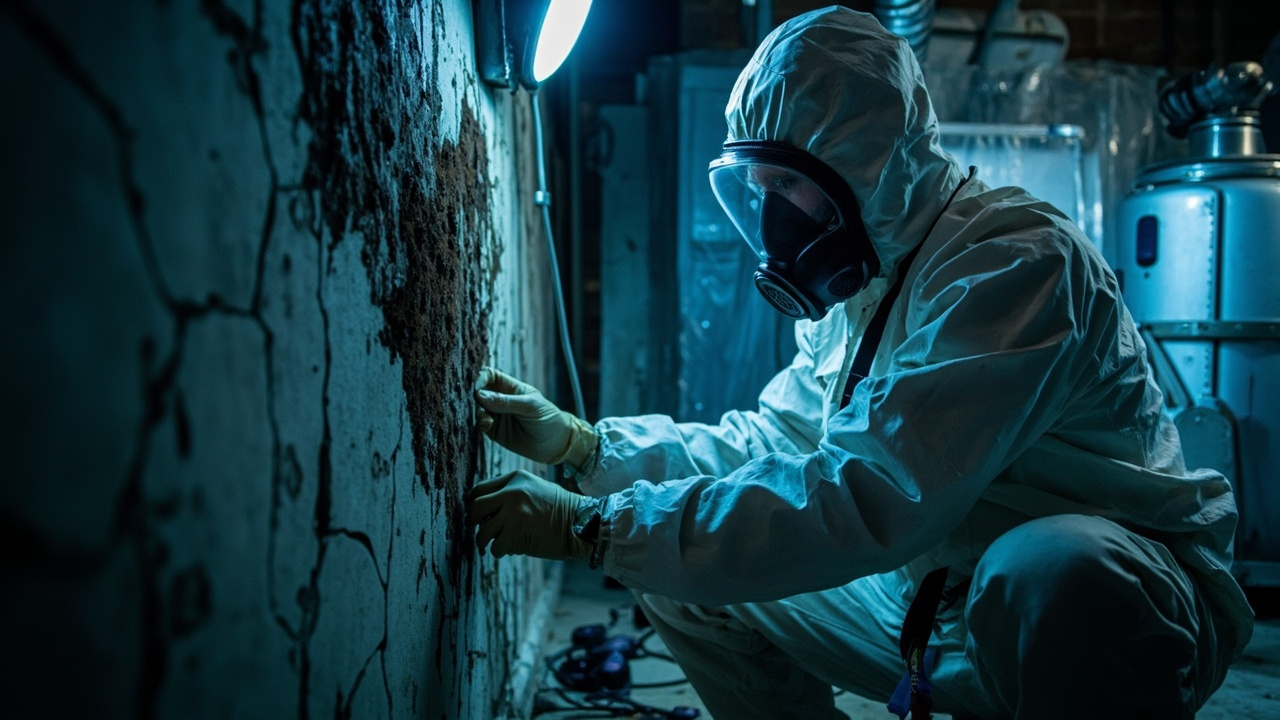
The mold decontamination process removes affected materials to the first clean layer. Drywall with visible growth gets removed 12 inches beyond the contamination edge because mold hyphae extend into surrounding material. We remove insulation entirely from affected cavities since fibrous insulation cannot be adequately cleaned.

For structural lumber and concrete, we apply antimicrobial solutions using electrostatic sprayers that wrap disinfectant around all surfaces, including the backside of studs and joists. This application method kills mold at the cellular level rather than just wiping away surface growth.

HEPA vacuuming follows material removal. We vacuum all surfaces in the containment area, including the subfloor, studs, and remaining building materials. This step captures loose spores before final cleaning.

Air scrubbing continues for 72 hours post-remediation to filter airborne spores from the environment. We conduct post-remediation air quality testing through independent laboratories to verify spore counts have returned to normal levels. Birmingham's baseline outdoor mold counts inform our clearance criteria, which the indoor environment must match or fall below.

The final step addresses the moisture source. We identify whether the intrusion stems from plumbing leaks, foundation issues, roof damage, or condensation problems, then coordinate repairs to eliminate future mold conditions.

How Professional Mold Abatement Protects Your Property

Mold Remediation & Removal in Birmingham – Complete Abatement from Certified Technicians
01

Containment and Assessment

We seal the affected area with 6-mil polyethylene sheeting and establish negative air pressure using commercial air scrubbers. Technicians document the extent of contamination through moisture readings and thermal imaging, identifying all affected building cavities. This diagnostic phase maps the full scope of mold colonization, including areas where growth remains hidden behind finishes. The containment prevents spore migration during the physical removal phase.
02

Physical Removal

Our crew removes contaminated materials using controlled demolition techniques that minimize dust generation. Affected drywall, insulation, and porous materials get bagged immediately and removed through dedicated egress points. We treat structural elements that cannot be removed with hospital-grade antimicrobials applied via electrostatic sprayer. HEPA vacuuming captures residual spores from all surfaces. This phase eliminates the mold reservoir that would otherwise allow recolonization.
03

Clearance Testing

After remediation, an independent industrial hygienist collects air samples from the treated area and compares spore counts against outdoor baseline levels. We provide lab-certified documentation showing your property meets EPA clearance standards for reoccupancy. This third-party verification ensures the mold abatement achieved actual decontamination rather than cosmetic cleaning. You receive a detailed report suitable for insurance claims and property disclosure requirements.

Why Birmingham Properties Need Local Mold Expertise

Grand Water Damage Restoration Birmingham understands the specific mold challenges tied to our local building stock and climate patterns. We have remediated mold in hundreds of Birmingham properties, from historic bungalows in Highland Park to commercial buildings downtown, and we recognize how local construction methods influence contamination patterns.

Birmingham's older neighborhoods feature pier and beam foundations common to pre-1960 construction. These crawl spaces require different ventilation and encapsulation strategies than the slab foundations found in newer subdivisions. Our technicians adjust remediation protocols based on your property's foundation type and the moisture dynamics it creates.

We work directly with Birmingham adjusters and understand local insurance claim procedures. Alabama follows specific mold disclosure laws that affect property transactions, and our documentation meets the requirements for real estate transfers and insurance recovery. You get reports formatted for Birmingham's legal and insurance environment.

Our response time matters in a city where humidity reactivates mold growth quickly. We dispatch crews within hours of your call because delays allow colonies to expand. Birmingham's summer heat accelerates mold growth rates, making rapid intervention critical to limiting damage scope.

We also coordinate with local contractors who understand Birmingham building codes. Mold remediation often requires reconstruction, and our established relationships ensure the rebuild meets current Jefferson County requirements for moisture barriers and ventilation, preventing future contamination.

Grand Water Damage Restoration Birmingham maintains relationships with three independent mold testing laboratories in the Birmingham metro area. This local testing network provides faster turnaround on clearance results, reducing your property's downtime.

Our technicians receive ongoing training specific to the mold species prevalent in Alabama's climate zone. We adjust our antimicrobial selection and application methods based on whether you are dealing with Aspergillus, Stachybotrys, or Penicillium species, each of which responds differently to treatment protocols.

What to Expect During Mold Remediation

Response and Project Timeline

We dispatch assessment teams within two hours of your call for Birmingham properties. The initial inspection takes 60 to 90 minutes and includes moisture mapping and visual documentation. Most residential mold remediation projects take three to five days depending on contamination extent. Commercial projects require custom timelines based on square footage and business operations. We provide a detailed project schedule during the assessment phase so you can plan around the work. Air scrubbing continues for 72 hours after physical removal, followed by clearance testing that typically takes 24 to 48 hours for lab results.

Comprehensive Mold Assessment

Our technicians use FLIR thermal cameras to detect temperature differentials that indicate moisture intrusion behind walls and ceilings. We take moisture readings at multiple depths using penetrating and non-penetrating meters to map water content in building materials. Air sampling identifies airborne spore concentrations and species types. Surface sampling via tape lifts confirms mold type on visible growth. You receive a written assessment that documents all findings, includes thermal images, and outlines the recommended remediation scope. This assessment serves as your project roadmap and provides the documentation needed for insurance claims.

Verified Clean Environment

Post-remediation clearance testing confirms your property meets industry standards for reoccupancy. Independent lab analysis verifies spore counts have returned to levels at or below outdoor baseline measurements. You receive lab-certified documentation showing specific spore counts by species, chain of custody records, and a clearance letter stating the remediation achieved its objective. The treated area gets restored to pre-loss condition with materials that resist future mold growth. All work includes photographic documentation showing before, during, and after conditions for your records and any insurance or legal requirements.

Moisture Control and Prevention

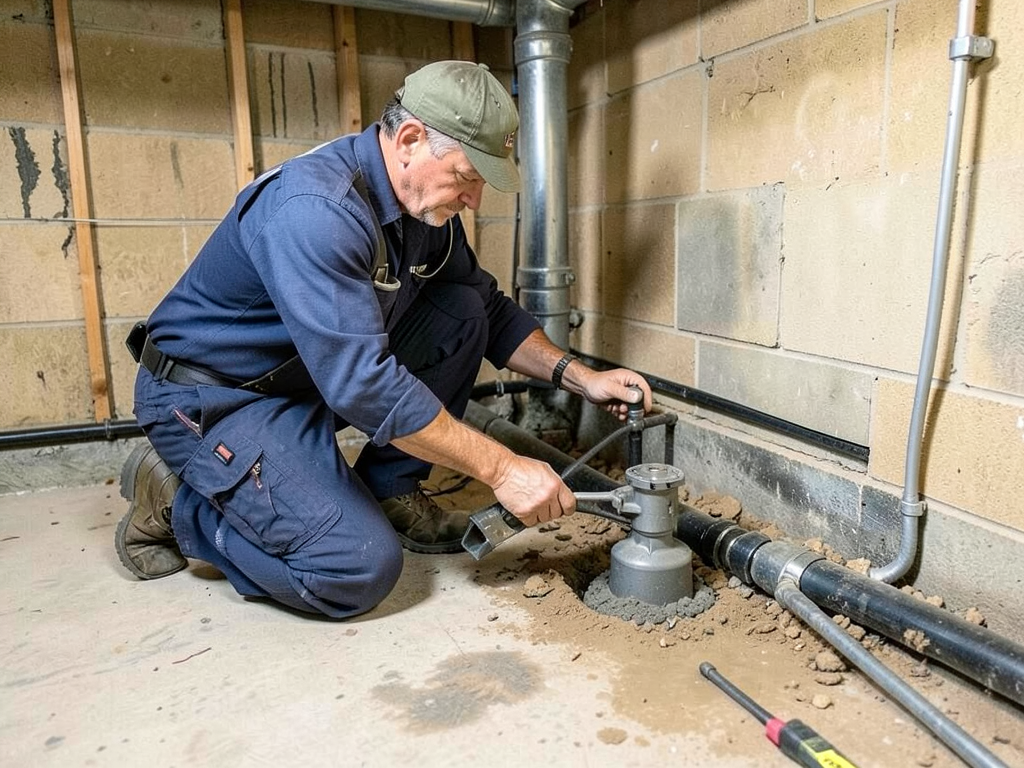
Successful mold remediation requires eliminating the moisture source that allowed growth. We identify whether intrusion stems from foundation issues, plumbing leaks, roof damage, or condensation problems. Our assessment includes recommendations for moisture control improvements such as crawl space encapsulation, improved ventilation, or waterproofing measures. We coordinate with specialized contractors for foundation repairs or plumbing corrections when needed. You receive a moisture management plan specific to your property that reduces future mold risk. Follow-up moisture readings at 30 and 90 days verify the corrections achieved their intended result and your property remains dry.

Frequently Asked Questions

You Have Questions,
We Have Answers

How much does full mold remediation cost? +

Full mold remediation costs vary based on the extent of contamination, affected square footage, and moisture source complexity. Small contained areas may run a few hundred dollars, while extensive growth throughout crawl spaces or attics costs significantly more. Birmingham's high humidity and older housing stock often mean hidden growth behind walls or in HVAC systems, which increases scope. Factors include testing, containment setup, air filtration, affected materials removal, antimicrobial treatment, and moisture control repairs. Get a detailed inspection first. Most reputable companies provide free assessments to identify the true extent before quoting.

What is the difference between mold removal and mold remediation? +

Mold removal means physically cleaning visible mold from surfaces. Mold remediation is a comprehensive process that addresses the root cause. Remediation includes containment to prevent spore spread, air filtration, removing contaminated materials, treating surfaces with antimicrobials, fixing moisture sources like leaks or poor ventilation, and verifying air quality post-treatment. Simple removal without fixing the moisture problem guarantees mold returns. Birmingham's humidity and frequent afternoon storms create perfect conditions for recurrence if you only wipe surfaces. Remediation ensures the environment no longer supports growth. Always choose remediation over simple removal for lasting results.

Is professional mold removal worth it? +

Professional mold removal is worth it when growth exceeds ten square feet, appears in HVAC systems, or stems from contaminated water. Professionals use containment barriers, HEPA filtration, and proper disposal methods to prevent cross-contamination. They identify hidden moisture sources that homeowners miss. Birmingham's crawl spaces and attics trap humidity year-round, creating concealed growth that spreads through ductwork. Professionals also document remediation for insurance claims and real estate transactions. DIY attempts often spread spores throughout your home or fail to address underlying moisture issues. The health risks and recurrence costs make professional service a sound investment.

Can you actually remediate mold? +

Yes, you can remediate mold when you eliminate the moisture source and remove contaminated materials. Mold needs water to survive. Fix leaks, improve ventilation, reduce indoor humidity below 60 percent, and physically remove affected porous materials like drywall or insulation. Non-porous surfaces get treated with antimicrobials. Birmingham's clay soil and high groundwater tables mean many homes battle foundation moisture and crawl space dampness. Remediation works when you address these structural issues alongside surface treatment. Air testing post-remediation confirms spore counts return to normal. Successful remediation requires both cleaning and environmental control.

Can a house full of mold be saved? +

Most houses with extensive mold can be saved through aggressive remediation and moisture control. The key is identifying all affected areas through thorough inspection, including inside walls and HVAC systems. Remove all contaminated porous materials, treat structural elements, and eliminate moisture sources. Birmingham's older homes in neighborhoods like Forest Park or Avondale often have hidden growth in crawl spaces or attics. Even severe contamination is fixable if the structure remains sound. Cost and effort increase with extent, but demolition is rarely necessary. Address foundation moisture, improve ventilation, and repair leaks to prevent recurrence after remediation.

Does homeowners insurance cover mold? +

Homeowners insurance typically covers mold if it results from a covered peril like a sudden pipe burst or storm damage. Policies exclude mold from long-term neglect, maintenance issues, or flooding. Birmingham's high humidity means gradual moisture buildup or slow leaks often get denied. Review your policy for mold coverage limits, which usually cap at five to ten thousand dollars. Document everything immediately after water damage. Take photos, save receipts, and start mitigation within 48 hours. Insurance adjusters look for prompt action. Some policies offer mold endorsements for additional coverage. Read your declarations page carefully.

Do you have to throw everything away with mold in the house after? +

You do not have to discard everything. Non-porous items like metal, glass, and hard plastics can be cleaned and disinfected. Porous materials that absorbed mold, like upholstered furniture, mattresses, carpets, and cardboard, usually require disposal. Wood furniture can often be saved with proper treatment. Clothing and linens can typically be laundered with hot water and detergent. The decision depends on contamination extent, item value, and sentimental importance. Professional remediation companies assess each item. Birmingham's humidity means stored items in attics or basements face higher contamination risk. Prioritize health over belongings when growth is extensive.

What are the first signs of mold sickness? +

First signs of mold sickness include persistent coughing, sneezing, watery eyes, throat irritation, and headaches that improve when you leave the house. You may notice increased asthma symptoms, sinus congestion, skin rashes, or fatigue. Birmingham's high pollen counts can mask mold symptoms, but mold reactions persist year-round while allergies are seasonal. Pay attention to musty odors or visible growth in bathrooms, crawl spaces, or near windows. People with weakened immune systems, asthma, or existing respiratory conditions react more severely. If multiple household members develop similar symptoms simultaneously, investigate for hidden mold growth.

What to do if you can't afford mold remediation? +

If you cannot afford full remediation, start with moisture control and small contained areas. Fix leaks immediately, run dehumidifiers to keep humidity below 50 percent, and improve ventilation. You can clean small patches under ten square feet yourself using protective gear, detergent, and proper disposal methods. Focus on high-risk areas like bathrooms first. Some Birmingham non-profits offer assistance for low-income homeowners facing health hazards. Payment plans or financing through remediation companies may be available. Document everything for potential future insurance claims. Prioritize fixing moisture sources over cosmetic cleaning to prevent spread while you save funds.

What kills mold permanently? +

Nothing kills mold permanently because spores exist everywhere. The goal is eliminating moisture so spores cannot colonize. Effective treatments include EPA-registered antimicrobials, hydrogen peroxide solutions, and concrobium for surfaces. Removing contaminated porous materials is often more effective than treatment. Birmingham's year-round humidity means controlling indoor moisture through dehumidifiers, proper ventilation, and repairing leaks is critical. Surface treatments fail without moisture control. HEPA air filtration removes airborne spores during remediation. Preventing mold requires maintaining indoor humidity below 60 percent, fixing water intrusion immediately, and ensuring proper attic and crawl space ventilation.

How Birmingham's Climate and Building Stock Amplify Mold Risk

Birmingham receives 54 inches of annual rainfall distributed across the year, with no true dry season to halt mold growth cycles. The humid subtropical climate maintains outdoor relative humidity between 65% and 85%, which means indoor spaces naturally trend toward moisture levels that support mold colonization. Properties in low-lying areas near Village Creek or Valley Creek face additional risk from seasonal flooding and groundwater infiltration. The red clay soil throughout Jefferson County swells when wet and shrinks when dry, creating foundation movement that cracks slabs and basement walls, opening new pathways for moisture intrusion. These geographic and climatic factors make professional mold mitigation a recurring need rather than a one-time service for Birmingham properties.

Birmingham's housing stock includes thousands of properties built before modern building codes required vapor barriers and proper foundation waterproofing. Neighborhoods like Southside and Five Points South contain historic structures where original construction methods create inherent moisture management challenges. Local building inspectors now require specific moisture control measures during renovations, and our remediation work aligns with current Jefferson County building standards. Grand Water Damage Restoration Birmingham maintains relationships with local code officials and understands the permit requirements for remediation projects that involve structural modifications. This local knowledge ensures your mold cleanup meets regulatory requirements and provides documentation suitable for property transfers under Alabama disclosure laws.

Water Damage Restoration Services in The Birmingham Area

Grand Water Damage Restoration is proud to serve the entire Birmingham area. Our convenient location ensures we can respond to your emergency needs with speed and efficiency. Whether you're a homeowner or business owner, we’re ready to bring our expertise directly to you. View our service area on the map to see how we can provide prompt, professional assistance and restore your property quickly and effectively.

Address:
Grand Water Damage Restoration Birmingham, 401 7th St N, Birmingham, AL, 35203

Additional Services We Offer

Our news updates

Latest Articles & News from The Blogs

A Guide to Safe Water Extraction for Local Birmingham Daycares and Preschools Water damage in a daycare facility creates immediate…

A Guide to Safe Water Extraction for Local Birmingham Daycares and Preschools

A Guide to Safe Water Extraction for Local Birmingham Daycares and Preschools Water damage in a daycare facility creates immediate…

Why Your Wylam Rental Might Be at Risk for Mold Due to Poor Window Sealant

Why Your Wylam Rental Might Be at Risk for Mold Due to Poor Window Sealant Window sealant failure in Wylam…

How to Manage a Multi Unit Water Leak in a Highland Park Condominium

How to Manage a Multi Unit Water Leak in a Highland Park Condominium Water damage in a Highland Park condominium…

Contact Us

Mold spreads quickly in Birmingham's humid climate. Call (659) 234-8188 now for same-day assessment and containment. Our certified technicians provide documentation suitable for insurance claims and deliver verified clearance testing. Protect your property and health with proven mold abatement protocols.