


Hoover sits in the Red Mountain ridge region where elevation changes and clay soil create drainage nightmares. Properties near Shades Creek and the Valley Creek watershed flood during Alabama's spring storm season. The clay-heavy soil around Bluff Park and Ross Bridge holds water against foundations instead of draining it away. This creates hydrostatic pressure that forces groundwater through basement walls and cracks.
Alabama's humidity compounds every water problem. A small leak in Green Valley or Trace Crossings becomes a mold factory within 48 hours if moisture stays trapped in walls or crawl spaces. Summer temperatures above 90 degrees combined with 70% humidity create perfect conditions for microbial growth. Insurance companies demand fast professional remediation to honor claims.
Hoover's mix of older homes in Rocky Ridge and new construction in Greystone creates different vulnerabilities. Older properties have aging galvanized pipes that corrode and burst. New builds often have HVAC drain pan failures or construction defects that allow water intrusion. Both need immediate extraction and structural drying to prevent permanent damage. The longer water sits in your home, the more it destroys flooring, drywall, insulation, and framing.
We built our reputation in Hoover by showing up when other companies make excuses. When storms knock out power across Riverchase or a pipe bursts at 3 AM in Lake Cyrus, we dispatch trucks immediately. Our crews carry thermal imaging cameras, moisture meters, and truck-mounted extraction units that pull thousands of gallons from flooded homes. We document everything with photos and readings that insurance adjusters accept without argument.
Grand Water Damage Restoration Birmingham operates out of Birmingham with satellite staging near Hoover to cut response times. We know which Hoover neighborhoods flood first during heavy rain. We understand how homes built on Red Mountain slopes drain differently than properties in the valley near Patton Creek. This local knowledge means we bring the right equipment on the first trip instead of making you wait while we figure out your property.
Our technicians hold IICRC certifications in water damage restoration and applied structural drying. They follow science-based drying protocols instead of guessing when your home is safe. We place air movers and dehumidifiers based on psychrometric calculations that account for Alabama humidity levels. Our equipment runs until moisture readings match undamaged areas of your home. We never pull equipment early to move to the next job.
We work directly with your insurance company from initial call to final invoice. Most Hoover homeowners have never filed a water damage claim and don't know what documentation adjusters require. We photograph damage before we touch anything, create detailed scope reports, and provide moisture logs that prove we dried your home to industry standards. This removes the stress of fighting with insurance companies while your home sits wet.

We stage equipment near Hoover to cut travel time when you call. Our dispatch tracks crew locations in real time to send the closest truck to your property. Most Hoover calls get a crew on-site within 45 minutes. We start extracting water while other companies are still answering their phones.

We photograph damage from every angle before starting work. Our reports include moisture readings, thermal images, and equipment placement logs that adjusters need to approve claims. We communicate directly with your insurance company so you don't translate between restoration language and policy terms. This speeds up approval and payment.
Every crew member completing water extraction and structural drying holds current IICRC certification. They follow applied structural drying protocols developed by building science researchers. This means calculated equipment placement and moisture monitoring instead of guessing when your Hoover home is dry. Proper drying prevents mold and protects your property value.
We know which Hoover neighborhoods flood during storms and why. Properties near creek watersheds need different remediation than homes with clay soil foundation issues. Our crews understand how Alabama humidity affects drying times and adjust equipment accordingly. Local experience means we solve your water problem correctly the first time.
Grand Water Damage Restoration Birmingham handles every type of water intrusion that affects Hoover homes. We respond to sudden disasters like burst pipes and sewage backups that flood properties in minutes. We also remediate slow leaks that hide behind walls for months before homeowners discover damage. Our service range covers emergency water removal, structural drying, mold remediation, and reconstruction.
Each water damage situation needs different equipment and techniques. A flooded basement in Greystone requires truck-mounted extractors and commercial dehumidifiers. A roof leak in Rocky Ridge might need targeted drying and insulation replacement. We assess your specific damage and deploy appropriate resources instead of using a one-size approach.
Our teams coordinate with plumbers, electricians, and contractors when water damage requires repairs beyond drying. We manage the entire restoration from emergency call to final walkthrough. This keeps you from coordinating multiple companies while dealing with displacement stress. One call brings all the expertise needed to return your Hoover home to pre-loss condition.
When water floods your home, immediate extraction prevents secondary damage to flooring and walls. Our truck-mounted pumps remove thousands of gallons per hour from basements and crawl spaces. We use portable extractors for standing water on upper floors and carpets. Fast water removal stops moisture from wicking into drywall and insulation where it feeds mold growth. We respond to burst pipes, appliance failures, and storm flooding across Hoover any hour of the day.
Removing standing water is just the first step. Moisture trapped in walls, floors, and framing causes long-term damage if not dried properly. We place air movers and dehumidifiers based on moisture meter readings and thermal imaging. Our equipment runs continuously while we monitor drying progress daily. Alabama humidity requires commercial-grade dehumidifiers that extract moisture faster than it reabsorbs into materials. We document moisture levels throughout the process for insurance companies.
Hoover's humidity causes mold growth within 48 hours of water damage if moisture remains. We contain affected areas with plastic barriers and negative air pressure to prevent spore spread. Our technicians remove contaminated materials following EPA and IICRC protocols. We treat surfaces with antimicrobial solutions and verify remediation success with post-testing. Proper mold cleanup protects your family's health and maintains your home's value for future sale.
Hoover's location in the transition zone between the Appalachian foothills and coastal plain creates unique water challenges. Elevation changes cause rapid runoff that overwhelms storm drains during spring thunderstorms. The area's expansive clay soil swells when wet and shrinks when dry, creating foundation movement that cracks pipes and basement walls. These geological factors combine with Alabama's aggressive weather to keep water damage restoration crews busy year-round.
Properties throughout Hoover face different vulnerabilities based on age, elevation, and proximity to waterways. Older homes in established neighborhoods deal with aging plumbing that fails without warning. New construction in developments like Lake Wilborn sometimes has drainage issues from altered topography. Both situations create emergencies that need immediate professional response to limit damage and insurance complications. Understanding these common problems helps homeowners recognize threats before small leaks become major disasters.
Hoover sits on expansive clay soil that pushes water against foundations instead of draining it away. Hydrostatic pressure forces groundwater through basement walls and floor cracks during wet seasons. This creates constant dampness that ruins stored items and feeds mold growth. Proper remediation requires interior drainage, sump pumps, and exterior waterproofing to redirect water away from structures.
Spring thunderstorms dump inches of rain in hours across Hoover. Properties in low-lying areas near Shades Creek and Valley Creek flood when storm drains can't handle runoff volume. Water enters through doors, windows, and foundation vents. Fast extraction prevents flooring damage and the secondary problems that come when moisture soaks into wall cavities and insulation.
Alabama winters occasionally dip below freezing overnight before warming during the day. These temperature swings cause pipes to expand and contract until weak points rupture. Burst pipes flood homes with hundreds of gallons before homeowners discover the problem. Immediate water extraction and structural drying prevent permanent damage to flooring, drywall, and personal belongings throughout affected areas.
Air conditioning units in Hoover attics produce gallons of condensate daily during hot months. Clogged drain lines or cracked drain pans leak water onto ceilings below. By the time homeowners notice stains, moisture has saturated insulation and drywall for weeks. This hidden damage requires professional moisture detection, removal of contaminated materials, and thorough drying to prevent mold in confined attic spaces.
The moment you contact us about water damage, you get a live person who understands Hoover properties and insurance requirements. Our dispatcher asks specific questions about the water source, affected areas, and safety concerns to send the right equipment on the first truck. We provide an accurate arrival time based on current crew locations and traffic conditions. You'll have a crew number to call if you need updates before they arrive.
When our technicians reach your Hoover home, they assess damage before touching anything. This initial inspection documents conditions for your insurance claim with photos and moisture readings. We explain what needs to happen immediately to prevent further damage and what can wait for insurance approval. You make informed decisions instead of feeling pressured during a crisis.
Throughout the restoration, you'll receive daily updates on drying progress with actual moisture readings. We don't pull equipment until your home meets industry standards for structural dryness. If we discover hidden damage during the process, we document it immediately and notify your insurance adjuster. This transparency keeps everyone informed and prevents surprises when final invoices arrive.
You reach a live dispatcher who sends crews to Hoover properties in under 60 minutes for most calls. We provide real arrival times instead of vague windows. Our technicians call when they're 10 minutes out so you're not waiting at the door. Once on-site, they explain the damage, remediation plan, and expected timeline in plain language. You get our direct crew numbers for questions instead of calling a general office line. This direct communication continues through project completion.
We photograph and measure every damaged area before starting work. Our reports include moisture readings, thermal images, and detailed descriptions that insurance adjusters need to approve claims. We submit this documentation directly to your insurance company within 24 hours. If adjusters have questions or request additional information, we handle those communications. You stay informed without managing the back-and-forth between restoration company and insurer. This speeds claim approval and reduces your out-of-pocket costs.
We place air movers and dehumidifiers based on psychrometric calculations for Alabama humidity levels. Our technicians check moisture readings daily and adjust equipment as needed. You receive copies of these logs showing drying progress in real numbers. We only remove equipment when moisture content matches unaffected areas of your home. This prevents callbacks for mold growth that happens when restoration companies pull equipment too early. You get documented proof your Hoover home is truly dry.
We follow the same systematic approach on every Hoover water damage call. This process follows IICRC standards developed through building science research. Each step builds on the previous one to ensure complete remediation and prevent future problems.
When you call about water damage, our dispatcher gathers information about the source, extent, and safety concerns. We send a crew to your Hoover property within 60 minutes in most cases. Upon arrival, technicians conduct a thorough inspection using moisture meters and thermal imaging cameras. They photograph all damage for insurance documentation. You receive a clear explanation of needed services, equipment, and expected timeline before any work begins. We identify immediate safety hazards and take steps to prevent additional damage.
Our crew removes all standing water using truck-mounted extractors and portable pumps. We pull saturated carpets, pads, and damaged materials that can't be saved. Then we position air movers and commercial dehumidifiers based on moisture readings and room conditions. Equipment runs continuously while technicians monitor progress daily. We adjust airflow and dehumidification as moisture levels drop. This phase continues until moisture content matches dry areas of your home. Alabama humidity requires longer drying times than northern climates.
We conduct final moisture readings throughout affected areas to confirm successful drying. Any readings above normal trigger additional drying time until materials reach safe levels. Once verified dry, we remove equipment and clean work areas. If reconstruction is needed, our contractors rebuild damaged walls, floors, and ceilings. We walk through the completed restoration with you to ensure satisfaction. You receive all documentation for insurance claim closure including before photos, moisture logs, and final verification readings.
Professional water damage restoration follows Institute of Inspection Cleaning and Restoration Certification standards developed through decades of building science research. These protocols classify water damage by contamination level and specify appropriate remediation techniques for each category. Category 1 water from clean sources like supply lines requires different handling than Category 3 sewage backups that carry dangerous pathogens. Hoover homes experience all three categories depending on the water source.
The IICRC S500 Standard for Water Damage Restoration provides the framework all reputable companies follow. This document specifies moisture content targets for different building materials, equipment placement calculations, and documentation requirements. Insurance companies reference these standards when evaluating remediation claims. Proper restoration maintains your home's value and prevents health issues from incomplete drying.
Alabama's climate creates unique challenges that affect drying protocols. The state's high humidity means moisture reabsorbs into materials faster than in dry climates. This requires longer equipment runtime and more frequent monitoring. Professional restoration in Hoover must account for these environmental factors to achieve true structural dryness. Cutting corners on drying time to move to the next job leaves moisture that guarantees mold growth within weeks.
Structural drying requires understanding psychrometrics, the science of air and moisture interaction. Dehumidifiers must remove moisture from the air faster than materials release it. Air movers create airflow across wet surfaces to speed evaporation. The combination of temperature, humidity, and airflow determines drying speed. Our technicians calculate these variables for each Hoover property instead of guessing equipment needs. This science-based approach prevents callbacks and protects your investment.
Water damage classification determines remediation protocols and safety requirements. Category 1 comes from sanitary sources like supply lines. Category 2 contains contaminants from appliances or toilet bowls. Category 3 includes sewage and flooding from outside sources. Each category requires different handling procedures, personal protective equipment, and disposal methods. Misidentifying water category leads to inadequate cleanup and health risks.
Water damage restoration costs depend on affected square footage, water category, material damage, and drying complexity. Finished basements require more equipment than crawl spaces. Category 3 sewage cleanup costs more than clean water extraction due to contamination protocols. Hidden moisture in walls increases costs when materials need removal for proper drying. Insurance typically covers sudden damage like burst pipes but may exclude gradual leaks from maintenance neglect.
Structural drying in Hoover typically takes three to five days for standard water damage. Alabama's humidity extends drying time compared to dry climates where moisture evaporates faster. Severe flooding or hidden wall cavities may require seven to ten days. We monitor moisture daily and only remove equipment when readings confirm complete dryness. Pulling equipment early to meet artificial deadlines guarantees future mold problems and additional costs.
Alabama law requires property sellers to disclose known mold issues to buyers. Incomplete water damage remediation creates hidden mold that surfaces during future sales. This can void sales contracts or reduce property value. Professional restoration with proper documentation protects your home's marketability. We provide certification that remediation followed IICRC standards and achieved structural dryness, giving future buyers confidence in your property.
Professional water damage restoration company explains emergency water extraction, structural drying, and mold remediation services for Hoover, Alabama homeowners. Video covers IICRC restoration standards, Alabama humidity effects on drying times, clay soil foundation water intrusion, insurance claim documentation requirements, and response protocols for burst pipes, storm flooding, and sewage backups. Includes information on water damage categories, moisture detection technology, and science-based drying calculations specific to Alabama climate conditions.
Grand Water Damage Restoration Birmingham serves every neighborhood and district across Hoover's diverse landscape. We respond to water emergencies from the elevated properties in Bluff Park down to the valley communities near Patton Creek. Our crews know the unique challenges facing homes in each area and bring appropriate equipment on the first response.
Properties in Rocky Ridge and Green Valley deal with aging infrastructure that creates plumbing failures. These established neighborhoods built in the 1960s and 70s have galvanized pipes reaching end of life. We've dried countless homes here after sudden pipe bursts flood basements and crawl spaces. The tree-lined streets and mature landscaping in these areas also contribute to root intrusion in sewer lines.
The newer developments around Ross Bridge and Greystone face different water challenges. These properties sit on former farmland where developers altered natural drainage patterns. Heavy storms overwhelm retention ponds and flood streets. We work with several homeowners associations in these communities on emergency response protocols. The larger homes here often have complex HVAC systems where condensate leaks go unnoticed until ceiling damage appears.
Trace Crossings and Riverchase residents battle water intrusion from Hoover's clay soil conditions. These neighborhoods sit in areas where expansive clay creates hydrostatic pressure against foundations. We've installed countless emergency drainage systems here to redirect groundwater away from homes. The proximity to Shades Creek also makes these areas vulnerable during spring flooding events.
Downtown Hoover commercial properties near the Riverchase Galleria require specialized restoration for retail and office spaces. We coordinate with property managers on after-hours access and tenant communication. The three-story office buildings and shopping centers here need fast response to prevent business interruption. We've handled everything from roof leaks to sprinkler system failures in these commercial spaces.
Lake Cyrus and Lake Wilborn communities face unique challenges from living near man-made water bodies. High water tables affect basements and crawl spaces. We've responded to several homes here where poor lot grading directed storm runoff toward foundations instead of away. The high-end custom homes in these neighborhoods need careful attention to hardwood flooring and custom finishes during restoration.
Yes. Water damage spreads fast in Hoover's humid climate, soaking into drywall, insulation, and subflooring within hours. If you delay, you risk structural rot, mold growth, and foundation issues from our clay soil shifting underneath saturated materials. Professional restoration stops secondary damage, documents loss for insurance claims, and prevents health hazards. DIY surface drying misses hidden moisture pockets that turn into expensive problems later. Restoration pays for itself by preventing $10,000+ in structural repairs and protecting your home's resale value.
Costs vary based on water source, affected square footage, and damage severity. A small bathroom leak might run lower, while a flooded basement with sewage backup costs more due to contamination and disposal requirements. Hoover's high humidity means faster mold growth, sometimes requiring remediation. Insurance often covers sudden incidents like burst pipes or appliance failures. Get a free inspection to assess your specific situation. Professionals use moisture meters and thermal imaging to identify all affected areas, preventing surprise costs from hidden damage.
Professional restoration includes water extraction using commercial pumps, structural drying with industrial dehumidifiers and air movers, moisture monitoring in walls and floors, antimicrobial treatment to prevent mold, content pack-out and cleaning, and full reconstruction if needed. Technicians document everything for your insurance claim with photos and moisture readings. In Hoover, we also address humidity control issues common to Alabama homes. The process includes IICRC-certified techniques for different water categories, from clean supply line breaks to contaminated sewage backups requiring specialized disposal.
Yes. Water damage spreads fast in Hoover's humid climate, soaking into drywall, insulation, and subflooring within hours. If you delay, you risk structural rot, mold growth, and foundation issues from our clay soil shifting underneath saturated materials. Professional restoration stops secondary damage, documents loss for insurance claims, and prevents health hazards. DIY surface drying misses hidden moisture pockets that turn into expensive problems later. Restoration pays for itself by preventing $10,000+ in structural repairs and protecting your home's resale value.
Costs vary based on water source, affected square footage, and damage severity. A small bathroom leak might run lower, while a flooded basement with sewage backup costs more due to contamination and disposal requirements. Hoover's high humidity means faster mold growth, sometimes requiring remediation. Insurance often covers sudden incidents like burst pipes or appliance failures. Get a free inspection to assess your specific situation. Professionals use moisture meters and thermal imaging to identify all affected areas, preventing surprise costs from hidden damage.
Professional restoration includes water extraction using commercial pumps, structural drying with industrial dehumidifiers and air movers, moisture monitoring in walls and floors, antimicrobial treatment to prevent mold, content pack-out and cleaning, and full reconstruction if needed. Technicians document everything for your insurance claim with photos and moisture readings. In Hoover, we also address humidity control issues common to Alabama homes. The process includes IICRC-certified techniques for different water categories, from clean supply line breaks to contaminated sewage backups requiring specialized disposal.
Drying typically takes three to five days for standard water damage in Hoover homes, but timelines vary. A small supply line leak might dry in 48 hours, while saturated hardwood floors or extensive crawlspace flooding can take seven to ten days. Our humid climate slows evaporation, making professional equipment critical. Insurance documentation and reconstruction add time after drying completes. Technicians monitor daily with moisture meters until readings reach dry standards. Rushing the process invites mold growth, so proper drying beats fast drying every time.
Usually, but coverage depends on your policy and the water source. Sudden, accidental damage like burst pipes, appliance malfunctions, or roof leaks during storms typically qualifies. Gradual damage from slow leaks or deferred maintenance gets denied. Sewer backups need separate rider coverage. Alabama law requires insurers to respond within 30 days. Read your policy's water damage exclusions carefully. Document everything immediately with photos and stop additional damage to meet your policy obligations. Professional restoration companies navigate the claims process and provide required documentation to maximize your payout.
Not if remediation addresses the moisture source. Mold needs water to grow, so fixing leaks and controlling humidity prevents recurrence. However, if the original water problem returns or Hoover's high humidity is not managed, mold can redevelop. Proper remediation removes contaminated materials, treats surfaces with antimicrobial agents, and uses HEPA filtration during cleanup. The key is eliminating moisture permanently. Regular inspections of crawlspaces, attics, and plumbing help catch issues early. Dehumidifiers and proper ventilation in Alabama's damp climate are your best prevention tools.
Not safely for significant water damage. You can mop up surface water and run fans, but professional equipment makes the difference. Commercial extractors remove 1,200 gallons per hour compared to your wet vac's five gallons. Infrared cameras find hidden moisture in walls and ceilings. You cannot properly dry subflooring or insulation without industrial dehumidifiers. In Hoover's humidity, incomplete drying guarantees mold within 48 hours. Insurance companies often require certified restoration documentation for claims. DIY works for tiny spills, but anything beyond one room needs professionals.
Remove standing water immediately with pumps or extractors. Pull up wet carpeting and padding, which cannot be saved after contamination. Run commercial dehumidifiers and air movers to force moisture out of walls, floors, and furniture. Position fans to create cross-ventilation. Remove baseboards to dry wall cavities. Monitor hidden spaces with moisture meters daily. In Hoover's climate, outdoor humidity fights your drying efforts, so seal the space and run AC. This takes professional equipment. Opening windows in Alabama summer adds moisture, not removes it.
Servpro operates as a franchise, so response times vary by local availability and workload. Each location sets its own schedule and staffing levels. Any reputable restoration company in Hoover should respond within hours for emergencies. What matters more than brand name is actual arrival time, equipment capacity, and technician certification. Ask about guaranteed response windows, equipment inventory, and whether they use subcontractors. Local companies often respond faster than national franchises during peak storm seasons when call volume spikes and resources spread thin across multiple states.
Mold spores begin colonizing within 24 to 48 hours in wet conditions. In Hoover's humid climate, that window shrinks to as little as 18 hours during summer months. You will not see visible growth immediately, but microscopic colonies start spreading across damp surfaces fast. By day three, you often see fuzzy patches on drywall, wood, or fabric. This is why emergency water extraction matters. Every hour of delay increases contamination and remediation costs. Professional drying equipment removes moisture before mold establishes, protecting your health and property value.
Drying typically takes three to five days for standard water damage in Hoover homes, but timelines vary. A small supply line leak might dry in 48 hours, while saturated hardwood floors or extensive crawlspace flooding can take seven to ten days. Our humid climate slows evaporation, making professional equipment critical. Insurance documentation and reconstruction add time after drying completes. Technicians monitor daily with moisture meters until readings reach dry standards. Rushing the process invites mold growth, so proper drying beats fast drying every time.
Usually, but coverage depends on your policy and the water source. Sudden, accidental damage like burst pipes, appliance malfunctions, or roof leaks during storms typically qualifies. Gradual damage from slow leaks or deferred maintenance gets denied. Sewer backups need separate rider coverage. Alabama law requires insurers to respond within 30 days. Read your policy's water damage exclusions carefully. Document everything immediately with photos and stop additional damage to meet your policy obligations. Professional restoration companies navigate the claims process and provide required documentation to maximize your payout.
Not if remediation addresses the moisture source. Mold needs water to grow, so fixing leaks and controlling humidity prevents recurrence. However, if the original water problem returns or Hoover's high humidity is not managed, mold can redevelop. Proper remediation removes contaminated materials, treats surfaces with antimicrobial agents, and uses HEPA filtration during cleanup. The key is eliminating moisture permanently. Regular inspections of crawlspaces, attics, and plumbing help catch issues early. Dehumidifiers and proper ventilation in Alabama's damp climate are your best prevention tools.
Not safely for significant water damage. You can mop up surface water and run fans, but professional equipment makes the difference. Commercial extractors remove 1,200 gallons per hour compared to your wet vac's five gallons. Infrared cameras find hidden moisture in walls and ceilings. You cannot properly dry subflooring or insulation without industrial dehumidifiers. In Hoover's humidity, incomplete drying guarantees mold within 48 hours. Insurance companies often require certified restoration documentation for claims. DIY works for tiny spills, but anything beyond one room needs professionals.
Remove standing water immediately with pumps or extractors. Pull up wet carpeting and padding, which cannot be saved after contamination. Run commercial dehumidifiers and air movers to force moisture out of walls, floors, and furniture. Position fans to create cross-ventilation. Remove baseboards to dry wall cavities. Monitor hidden spaces with moisture meters daily. In Hoover's climate, outdoor humidity fights your drying efforts, so seal the space and run AC. This takes professional equipment. Opening windows in Alabama summer adds moisture, not removes it.
Servpro operates as a franchise, so response times vary by local availability and workload. Each location sets its own schedule and staffing levels. Any reputable restoration company in Hoover should respond within hours for emergencies. What matters more than brand name is actual arrival time, equipment capacity, and technician certification. Ask about guaranteed response windows, equipment inventory, and whether they use subcontractors. Local companies often respond faster than national franchises during peak storm seasons when call volume spikes and resources spread thin across multiple states.
Mold spores begin colonizing within 24 to 48 hours in wet conditions. In Hoover's humid climate, that window shrinks to as little as 18 hours during summer months. You will not see visible growth immediately, but microscopic colonies start spreading across damp surfaces fast. By day three, you often see fuzzy patches on drywall, wood, or fabric. This is why emergency water extraction matters. Every hour of delay increases contamination and remediation costs. Professional drying equipment removes moisture before mold establishes, protecting your health and property value.
Grand Water Damage Restoration is proud to serve the entire Birmingham area. Our convenient location ensures we can respond to your emergency needs with speed and efficiency. Whether you're a homeowner or business owner, we’re ready to bring our expertise directly to you. View our service area on the map to see how we can provide prompt, professional assistance and restore your property quickly and effectively.
Address:
Hoover, AL, 35216
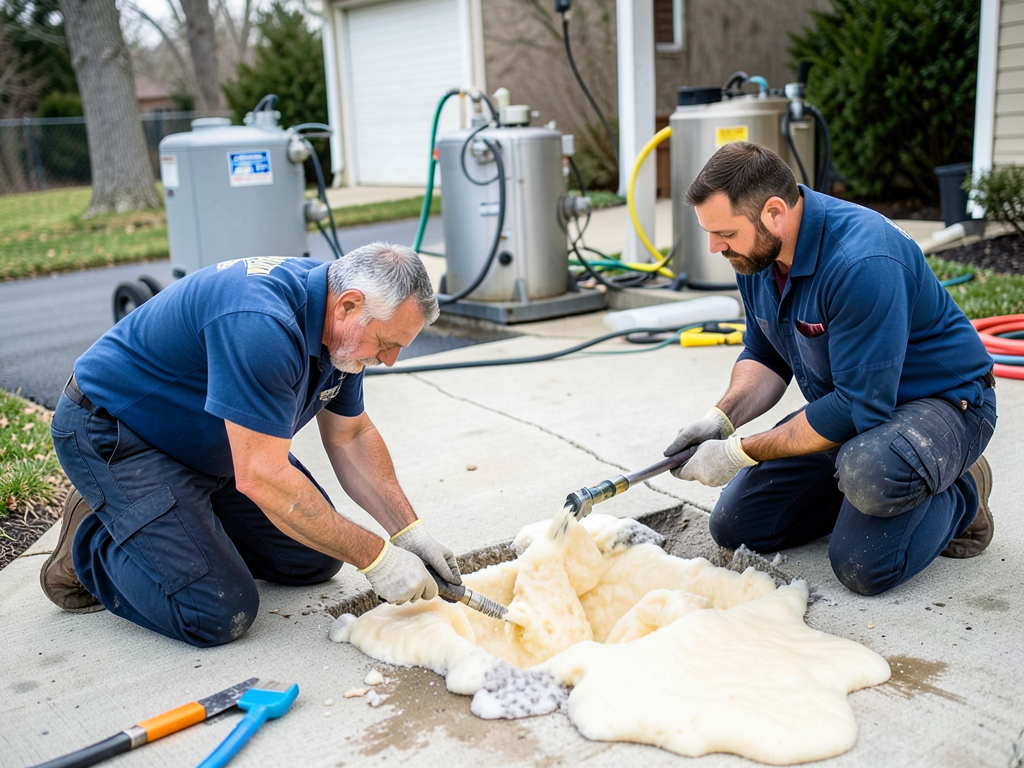
What Happens When a Water Main Break Erodes the Soil Under Your Mason City Driveway When a water main breaks beneath your Mason City driveway the damage happens fast. High-pressure water blasts through the soil…
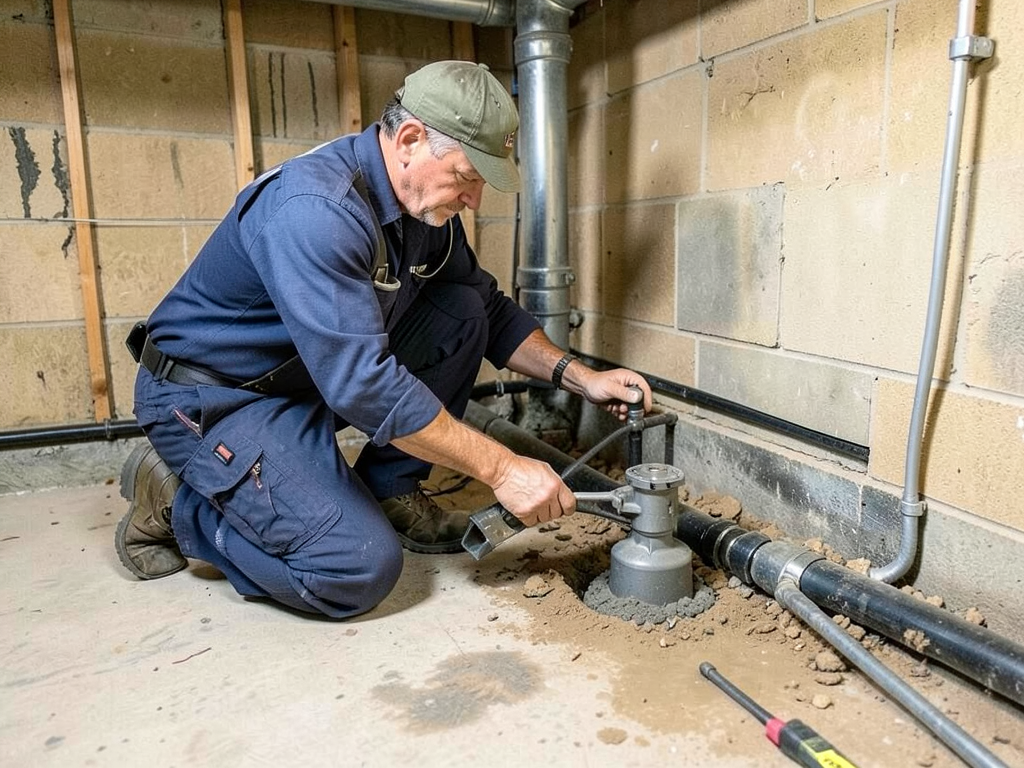
Comparing Interior vs Exterior Waterproofing for Your Central Park Basement Living in Central Park means…
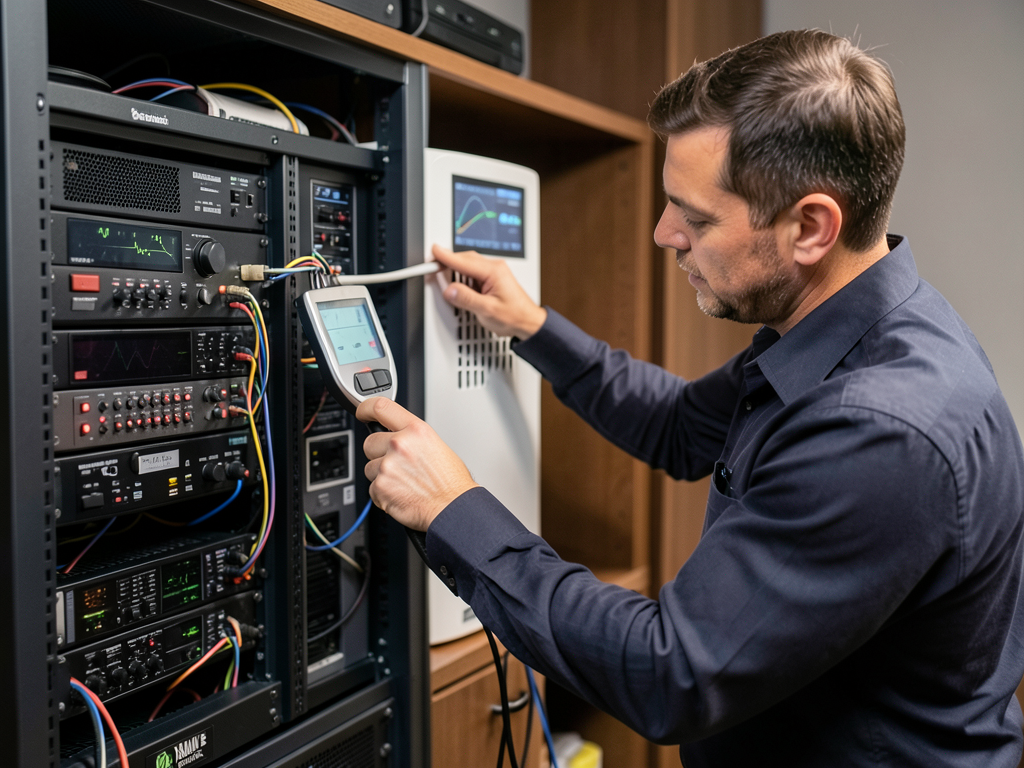
Keeping Your Rising West Princeton Home Theater Dry and Mold Free Birmingham’s humid subtropical climate…
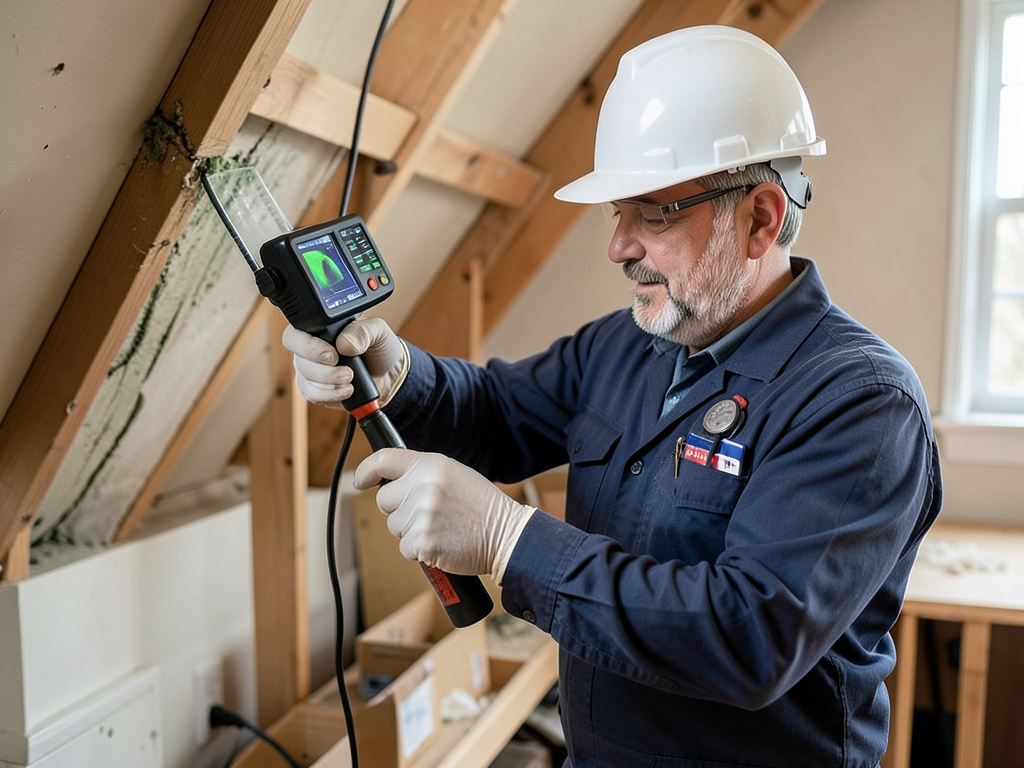
How High Humidity and Birmingham Pollen Create the Perfect Storm for Attic Mold in Airport…
Every minute water sits in your Hoover home increases damage and repair costs. Our crews respond in under 60 minutes to start extraction and prevent mold growth. Call (659) 234-8188 now for immediate dispatch. We handle insurance documentation while protecting your property and your family's health.