


Vestavia Hills sits on Red Mountain's slopes, where elevation changes and clay-heavy soil create drainage nightmares during Alabama's intense spring storms. Homes in Rocky Ridge and Cahaba Heights face runoff from uphill properties, while lower areas near Shades Creek flood when water tables rise. The city's mix of 1970s ranch homes and newer construction means aging cast iron plumbing often fails inside walls, causing hidden damage for weeks before anyone notices.
Alabama's humidity keeps structures damp year-round, turning small leaks into mold factories within 48 hours. Vestavia Hills homes built into hillsides face hydrostatic pressure against basement walls, forcing groundwater through foundation cracks during heavy rain. HVAC condensation lines clog with pollen and debris, backing up into attics and ceilings.
Insurance companies serving Jefferson County require certified water damage documentation within 72 hours, or they deny structural drying claims. Vestavia Hills properties need rapid moisture mapping, thermal imaging, and air quality testing to meet State Farm and Allstate protocols. Delays cost thousands in mold remediation that insurance will not cover.
Grand Water Damage Restoration Birmingham operates from our Birmingham facility, giving us 20-minute response times to any Vestavia Hills address. National franchises route calls through corporate centers in other states, delaying dispatch by hours while water spreads through your subfloor. We keep extraction trucks, industrial dehumidifiers, and thermal imaging equipment staged for immediate deployment.
Our technicians hold IICRC Water Damage Restoration certifications and Alabama contractor licenses, not weekend training certificates from franchise quick courses. We have restored over 800 Jefferson County properties since 2015, learning exactly how water moves through Vestavia Hills' specific home construction types. We know that Ranch Park homes need subfloor attention, while Vestavia Country Club properties require careful hardwood floor drying protocols.
We work directly with your insurance adjuster, providing moisture readings, photo documentation, and detailed drying logs that meet Alabama Department of Insurance requirements. Most claims close within 14 days because we speak the same language as State Farm, Allstate, and USAA adjusters. We handle contents pack-out, temporary storage, and full reconstruction, so you deal with one company instead of coordinating three separate contractors.
Our guarantee is simple. If moisture returns within 90 days, we redry the structure at no charge. If mold appears in areas we dried, we remediate it free. We do not hide behind corporate policies or transfer you to national call centers. You get our direct line, and we answer.

Our crews dispatch from Birmingham within minutes of your call, arriving at any Vestavia Hills address in under 20 minutes. We extract water and begin structural drying before damage spreads to adjacent rooms. Every hour counts when preventing mold growth and flooring delamination.

We bill your insurance company directly after documenting moisture levels, affected materials, and drying equipment placement. You pay only your deductible. We provide adjusters with thermal imaging, moisture maps, and daily drying logs that meet Alabama claim requirements, closing most claims within two weeks.
Our technicians follow IICRC S500 water damage standards, using calibrated moisture meters and psychrometric calculations to verify complete structural drying. We test hidden cavities, subfloors, and wall interiors until readings match unaffected areas. Incomplete drying causes mold, rot, and structural failure within months.
We have dried hundreds of Vestavia Hills homes and know exactly how water behaves in this area's construction types. We understand hillside drainage patterns, Red Mountain clay soil effects, and which neighborhoods face recurring basement seepage. This local experience prevents missed moisture pockets that cause callbacks.
Water damage restoration requires more than mopping floors and running fans. Grand Water Damage Restoration Birmingham provides emergency water extraction, structural drying, mold prevention, contents restoration, and full reconstruction services. We handle everything from initial flood response through final paint and flooring reinstallation.
Our services cover all water damage categories. Clean water from supply line breaks receives different treatment than gray water from washing machine overflows or black water from sewage backups. Each requires specific safety protocols, antimicrobial treatments, and disposal procedures. We classify water type, document contamination levels, and follow EPA remediation guidelines.
We serve residential properties, commercial buildings, and industrial facilities across Vestavia Hills. Our equipment inventory includes truck-mounted extractors that remove thousands of gallons per hour, low-grain refrigerant dehumidifiers for fast drying, and hospital-grade air scrubbers that filter mold spores during remediation. Most structures reach dry standard within three to five days depending on materials affected and outdoor humidity levels.
We respond 24/7 to extract standing water from flooded homes and businesses. Our truck-mounted extractors remove water from carpets, tile, hardwood, and concrete within hours of your call. We pull baseboards, drill weep holes, and remove wet insulation to prevent secondary damage. Rapid extraction stops water from wicking up drywall, spreading under flooring, and saturating structural lumber. We salvage belongings, move furniture to dry areas, and stabilize the property before leaving.
Structural drying removes moisture trapped inside walls, subfloors, and ceiling cavities using commercial dehumidifiers and air movers. We monitor moisture levels twice daily with calibrated meters, adjusting equipment placement until materials return to dry standard. Hidden moisture causes mold growth, wood rot, and structural failure within weeks if left untreated. We use thermal imaging to find wet areas behind finished surfaces, then create controlled airflow patterns that pull moisture from building materials into dehumidifiers.
After drying completes, we rebuild damaged areas to pre-loss condition. Our reconstruction crews replace drywall, install new flooring, repaint interiors, and reinstall trim. We handle everything from minor ceiling repairs to complete room rebuilds. You work with one company instead of coordinating separate contractors for demolition, framing, plumbing, electrical, and finish work. We match existing materials, textures, and paint colors so repaired areas blend seamlessly. Most reconstruction projects finish within two weeks after insurance approval.
Vestavia Hills properties face water damage from multiple sources throughout the year. Spring storms dump inches of rain in hours, overwhelming gutters and flooding basements. Summer humidity keeps crawl spaces damp, promoting mold growth on floor joists. Winter freeze events burst pipes in attics and exterior walls.
The city's elevation changes create unique drainage challenges. Homes built on Red Mountain slopes face runoff from uphill properties during heavy rain. Lower areas near Shades Creek and Cahaba Heights flood when the creek rises. Clay soil prevents water absorption, forcing it to pool against foundations until it finds cracks to penetrate.
Aging infrastructure contributes to frequent water damage claims. Many Vestavia Hills homes were built in the 1970s with cast iron drain lines that corrode from inside, leaking behind walls for months before residents notice stains or odors. HVAC systems installed decades ago lack proper condensate drainage, causing ceiling damage in spring and summer. Water heaters reach end of life and fail catastrophically, flooding garages and adjacent rooms with 40 gallons of water.
Clay soil expands when wet and contracts when dry, shifting foundations and creating cracks that leak during storms. Hydrostatic pressure forces groundwater through basement walls, flooding finished living spaces. We extract standing water, install temporary sump pumps, and dry basement framing before mold establishes. Foundation waterproofing prevents recurrence.
Winter freezes burst supply lines in unheated attics and crawl spaces, releasing hundreds of gallons before residents discover the damage. Water saturates insulation, ceiling drywall, and wall cavities, requiring extensive demolition. We shut off water, extract flooded areas, remove wet insulation, and dry structural lumber before reconstruction. Pipe insulation prevents future failures.
Appliance failures flood laundry rooms, garages, and adjacent living spaces with clean or gray water. Water spreads under flooring and into wall cavities within minutes. We extract standing water, pull baseboards, and create drying chambers using containment barriers and dehumidifiers. Rapid response prevents subfloor damage and mold growth in finished spaces.
Severe storms damage roofs, allowing rain to penetrate attics and ceiling cavities. Water stains appear days later as moisture spreads through insulation. We tarp damaged roofs, extract water from attics, and dry ceiling joists before mold appears. Insurance requires rapid documentation of storm damage to approve claims. We photograph damage and provide moisture readings within hours.
When you call our emergency line, you reach a live person who dispatches a crew immediately. We ask about water source, affected areas, and safety concerns, then send technicians with appropriate equipment. Most Vestavia Hills properties receive response within 20 minutes.
Our crew arrives in marked trucks with extraction equipment, moisture meters, and thermal imaging cameras. We assess damage severity, identify water source, and begin mitigation work immediately. You receive a detailed scope of work, equipment list, and estimated timeline before we start. We explain the drying process, answer insurance questions, and provide direct contact information for the project manager overseeing your restoration.
We communicate daily throughout the drying process. You receive moisture readings, equipment status updates, and projected completion dates. We coordinate with your insurance adjuster, providing documentation they need to approve your claim. Most customers appreciate not having to manage multiple contractors or chase down information. We handle everything from initial response through final reconstruction, giving you a single point of contact for the entire project.
Our technicians identify water category, measure moisture levels, and document affected materials using thermal imaging and moisture meters. We extract standing water, remove wet contents to dry areas, and place initial drying equipment. You receive a written assessment with photos, moisture readings, and recommended services. We stop water spread immediately, preventing damage to unaffected areas. Emergency mitigation work begins within minutes of arrival, not hours later.
We visit your property twice daily to record moisture readings, adjust dehumidifier settings, and reposition air movers for optimal drying. You receive daily progress reports showing moisture reduction in floors, walls, and structural materials. We add or remove equipment based on drying progress, outdoor humidity, and material types. Most structures reach dry standard within three to five days. We do not remove equipment until all materials test dry.
We test all affected materials with calibrated moisture meters before removing equipment, verifying readings match unaffected areas. You receive final documentation showing moisture reduction from initial assessment to project completion. Our reconstruction crew schedules repair work immediately after equipment removal, eliminating delays between drying and rebuilding. Most customers return to normal living conditions within two weeks from initial water damage event.
We follow IICRC S500 standards for every water damage project, ensuring complete moisture removal and mold prevention. This three-phase process has restored hundreds of Vestavia Hills properties to pre-loss condition.
We arrive within 20 minutes, assess damage severity, and extract standing water using truck-mounted pumps and portable extractors. Our crew photographs all damage, records initial moisture readings, and identifies water source. We pull wet carpets, remove baseboards, and drill weep holes in walls to release trapped water. Rapid extraction prevents water from spreading to unaffected areas and reduces overall drying time. We document everything for your insurance claim before beginning work.
We place commercial dehumidifiers and air movers to create controlled drying conditions inside your property. Moisture meters and thermal imaging identify hidden water in walls, subfloors, and ceiling cavities. We monitor progress twice daily, adjusting equipment placement until all materials reach dry standard. This phase takes three to five days depending on materials affected, outdoor humidity, and extent of saturation. We do not leave until testing confirms complete moisture removal.
After confirming all materials are dry, our reconstruction crew rebuilds damaged areas using materials that match your existing finishes. We replace drywall, install flooring, repaint surfaces, and reinstall trim. You work with one company from initial flood through final walkthrough. Most reconstruction projects complete within two weeks after insurance approval. We guarantee all work and return for any touch-ups needed after you move back in.
The IICRC S500 Standard classifies water damage into three categories based on contamination level, with each requiring specific handling protocols. Category 1 involves clean water from supply lines, Category 2 includes gray water from appliances, and Category 3 covers black water from sewage or flooding. Alabama restoration contractors must follow these classifications when documenting insurance claims and determining appropriate safety equipment.
Vestavia Hills properties require additional considerations beyond standard IICRC protocols. Red Mountain's clay soil creates hydrostatic pressure that forces contaminated groundwater through basement cracks during storms, automatically elevating many basement floods to Category 3 regardless of initial water source. Jefferson County Health Department regulations require antimicrobial treatment and disposal protocols for any materials contacted by sewage or flood water.
Alabama's humidity complicates structural drying timelines. IICRC standards target specific moisture content levels for building materials, with wood framing requiring reduction to 15 percent or less and drywall to 12 percent. High outdoor humidity in spring and summer extends drying time, requiring low-grain refrigerant dehumidifiers that remove moisture even when ambient air is saturated. Standard portable dehumidifiers cannot overcome Alabama's humidity and create conditions for mold growth.
Insurance companies serving Jefferson County require certified restoration contractors to document moisture readings using calibrated equipment traceable to NIST standards. State Farm, Allstate, and USAA adjusters reject claims lacking thermal imaging documentation, psychrometric calculations, and twice-daily moisture logs. These documentation requirements exist because incomplete drying causes hidden mold growth that generates secondary claims months later. Proper restoration protects both property owners and insurance carriers.
Wood framing must reach 15 percent moisture content or less before reconstruction begins. Drywall requires 12 percent or less. Concrete subfloors need calcium chloride testing showing less than 3 pounds per 1,000 square feet per 24 hours before flooring installation. We verify all readings with calibrated moisture meters and document results. Premature reconstruction traps moisture, causing mold and rot within finished spaces.
Alabama's high humidity requires low-grain refrigerant dehumidifiers that operate effectively in saturated conditions. Standard portable units fail when outdoor humidity exceeds 70 percent. Commercial equipment removes moisture regardless of ambient conditions, reducing drying time from weeks to days. We calculate grain depression and use psychrometric charts to verify equipment adequacy for structure size and moisture load.
Jefferson County adjusters require thermal imaging showing moisture extent, initial moisture readings for all affected materials, daily monitoring logs, psychrometric data, and final dry verification readings. Claims lacking this documentation face delays or denials. We provide adjusters with complete IICRC-compliant documentation packages that meet State Farm, Allstate, and USAA requirements, closing most claims within 14 days.
Professional water damage restoration demonstration for Vestavia Hills Alabama properties. Grand Water Damage Restoration Birmingham explains emergency water extraction, structural drying protocols, and reconstruction processes following IICRC S500 standards. Video covers moisture meter usage, thermal imaging for hidden water detection, dehumidifier placement, and insurance documentation requirements. Viewers learn water damage categories, drying timelines, and mold prevention techniques specific to Alabama humidity conditions and Jefferson County insurance requirements.
Grand Water Damage Restoration Birmingham serves every Vestavia Hills neighborhood with the same rapid response and certified restoration services. Our Birmingham facility gives us direct access via Highway 31 and I-65, reaching properties in Liberty Park, Cahaba Heights, and Rocky Ridge within minutes of dispatch. We have restored hundreds of homes across Vestavia Hills since 2015, learning exactly how water damage patterns differ across the city's varied terrain.
Properties in Rocky Ridge and areas along Shades Crest Road face unique challenges from elevation changes and runoff. Homes built into hillsides experience hydrostatic pressure against foundation walls during storms, forcing groundwater through basement cracks. We respond to basement flooding calls in these neighborhoods year-round, especially during spring storms when Red Mountain clay soil becomes saturated and sheds water downhill.
Cahaba Heights properties near Shades Creek flood when heavy rain overwhelms the creek's capacity. Water backs up into storm drains, flooding streets and seeping into crawl spaces. Lower-elevation homes face recurring moisture issues in humid months. We help Cahaba Heights residents with flood extraction, structural drying, and crawl space moisture control systems that prevent future damage.
The Vestavia Country Club area features larger homes with finished basements, multiple HVAC systems, and complex plumbing configurations. Water damage in these properties often involves supply line failures in second-floor bathrooms that flood through ceiling cavities into first-floor living spaces. We coordinate multi-floor drying operations, protecting valuable contents while removing moisture from hidden wall and ceiling cavities.
Ranch Park and Liberty Park neighborhoods contain many original 1970s homes with aging cast iron drain lines and first-generation HVAC systems. We respond frequently to slow leaks that damage walls and subfloors over months before residents notice musty odors or stains. These hidden leaks require extensive demolition to access affected areas, followed by complete structural drying before reconstruction begins.
Vestavia Hills' proximity to Homewood, Mountain Brook, and Hoover means we serve the greater Birmingham metro area while maintaining rapid response times to all Vestavia addresses. Our crews know every major road, subdivision, and commercial district in Jefferson County. Whether you need emergency flood extraction on Highway 31 or complete water damage restoration near the Vestavia Hills City Center, we arrive quickly with the right equipment and local expertise to handle your specific situation.
Water damage restoration in Vestavia Hills takes 3-7 days for most residential projects. Minor water damage from a small leak needs 2-3 days. Extensive flooding or sewage backup requires 5-7 days or longer. The timeline depends on the water source, affected area size, and material types damaged. Hardwood floors need more drying time than carpet. Standing water removal happens within hours, but complete structural drying takes several days. Your restoration company provides a specific timeline after inspection. Weather conditions and humidity levels in Vestavia Hills also affect drying speed.
Water damage restoration pricing in Vestavia Hills varies based on damage severity and affected square footage. Minor incidents affecting one room cost less than whole-house flooding. Factors affecting your final bill include water category, extraction requirements, structural repairs, and mold remediation needs. Clean water from supply lines costs less to remediate than contaminated water from sewage backups. Your restoration company provides a detailed estimate after inspecting your property. Most homeowners insurance policies cover sudden water damage events. Get multiple quotes from local Vestavia Hills companies to compare services and pricing structures.
Most homeowners insurance policies in Vestavia Hills cover sudden and accidental water damage. Burst pipes, appliance malfunctions, and storm damage are typically covered events. Your policy excludes gradual damage from maintenance neglect or flooding from external water sources. Flood insurance requires a separate policy through the National Flood Insurance Program. Review your policy declarations page to understand your coverage limits and deductibles. Your restoration company works directly with insurance adjusters to document damage and submit claims. Call your insurance agent immediately after water damage occurs to start the claims process.
Water damage restoration in Vestavia Hills takes 3-7 days for most residential projects. Minor water damage from a small leak needs 2-3 days. Extensive flooding or sewage backup requires 5-7 days or longer. The timeline depends on the water source, affected area size, and material types damaged. Hardwood floors need more drying time than carpet. Standing water removal happens within hours, but complete structural drying takes several days. Your restoration company provides a specific timeline after inspection. Weather conditions and humidity levels in Vestavia Hills also affect drying speed.
Water damage restoration pricing in Vestavia Hills varies based on damage severity and affected square footage. Minor incidents affecting one room cost less than whole-house flooding. Factors affecting your final bill include water category, extraction requirements, structural repairs, and mold remediation needs. Clean water from supply lines costs less to remediate than contaminated water from sewage backups. Your restoration company provides a detailed estimate after inspecting your property. Most homeowners insurance policies cover sudden water damage events. Get multiple quotes from local Vestavia Hills companies to compare services and pricing structures.
Most homeowners insurance policies in Vestavia Hills cover sudden and accidental water damage. Burst pipes, appliance malfunctions, and storm damage are typically covered events. Your policy excludes gradual damage from maintenance neglect or flooding from external water sources. Flood insurance requires a separate policy through the National Flood Insurance Program. Review your policy declarations page to understand your coverage limits and deductibles. Your restoration company works directly with insurance adjusters to document damage and submit claims. Call your insurance agent immediately after water damage occurs to start the claims process.
Call a water damage restoration company in Vestavia Hills within the first hour of detecting water damage. Water spreads quickly through your home and penetrates building materials within minutes. Immediate response prevents secondary damage like mold growth, structural weakening, and material deterioration. Most restoration companies offer 24-hour emergency services for urgent situations. The first 24-48 hours are critical for saving your belongings and preventing extensive repairs. Delaying professional help increases restoration time and total repair expenses. Water wicks into walls, floors, and furniture faster than you expect.
Water damage restoration in Vestavia Hills follows a structured five-step process. First, technicians inspect your property and assess damage severity. Second, they extract standing water using pumps and vacuums. Third, specialized equipment like dehumidifiers and air movers dry affected materials and structures. Fourth, crews clean and sanitize surfaces to prevent microbial growth. Fifth, they repair or replace damaged materials like drywall, flooring, and insulation. Throughout the process, moisture meters track drying progress. Documentation includes photos and readings for insurance claims. The entire process ensures your home returns to pre-damage condition safely.
You might stay in your Vestavia Hills home during minor water damage restoration affecting one room. Extensive damage requiring whole-house equipment makes staying uncomfortable or unsafe. Noise from air movers and dehumidifiers runs 24 hours daily. Strong odors from cleaning agents and drying materials affect air quality. Sewage backups or Category 3 water damage require temporary relocation for health reasons. Your restoration company advises whether staying is safe based on damage severity and equipment placement. Consider staying with family or friends if restoration disrupts sleeping areas or kitchen access.
Hidden water damage in your Vestavia Hills home shows specific warning signs. Look for discolored ceiling or wall patches indicating moisture above or behind surfaces. Musty odors signal mold growth from trapped moisture you cannot see. Warped or buckling floors mean water has penetrated underneath. Peeling paint or wallpaper indicates moisture pushing through from inside walls. Higher than normal water bills suggest hidden leaks. Feel walls for dampness or temperature differences. Visible mold growth means water damage already exists. Professional moisture detection equipment locates hidden problems behind surfaces.
Water damage restoration companies in Vestavia Hills use specialized professional equipment. Truck-mounted and portable extraction units remove standing water quickly. Industrial dehumidifiers pull moisture from air and materials. High-velocity air movers increase evaporation rates and dry structures faster. Moisture meters measure water content in walls, floors, and ceilings. Thermal imaging cameras detect hidden moisture behind surfaces. Air scrubbers filter airborne contaminants and improve indoor air quality. Antimicrobial treatments prevent mold growth on cleaned surfaces. Injection drying systems target water trapped in wall cavities. This equipment works together to dry your home completely.
Choose a water damage restoration company in Vestavia Hills with local experience and proper certifications. Look for IICRC certification showing industry-standard training. Check online reviews on Google and Better Business Bureau for customer satisfaction ratings. Verify the company offers 24-hour emergency response for urgent situations. Ask about their equipment quality and restoration process details. Request references from recent Vestavia Hills customers. Confirm they handle insurance claims directly with your provider. Choose companies with experience in your specific damage type. Local companies understand Alabama humidity and regional water damage challenges better.
Mold grows after water damage in Vestavia Hills homes when moisture remains for 24-48 hours. High humidity levels in Alabama create ideal mold conditions year-round. Porous materials like drywall, insulation, and carpet absorb water and retain moisture longer. Poor ventilation traps humid air and slows drying. Hidden water behind walls or under floors goes undetected until mold appears. Incomplete drying after water extraction leaves enough moisture for mold spores to colonize. Warm indoor temperatures between 60-80 degrees accelerate mold growth. Professional drying equipment and antimicrobial treatment prevent mold development after water incidents.
Call a water damage restoration company in Vestavia Hills within the first hour of detecting water damage. Water spreads quickly through your home and penetrates building materials within minutes. Immediate response prevents secondary damage like mold growth, structural weakening, and material deterioration. Most restoration companies offer 24-hour emergency services for urgent situations. The first 24-48 hours are critical for saving your belongings and preventing extensive repairs. Delaying professional help increases restoration time and total repair expenses. Water wicks into walls, floors, and furniture faster than you expect.
Water damage restoration in Vestavia Hills follows a structured five-step process. First, technicians inspect your property and assess damage severity. Second, they extract standing water using pumps and vacuums. Third, specialized equipment like dehumidifiers and air movers dry affected materials and structures. Fourth, crews clean and sanitize surfaces to prevent microbial growth. Fifth, they repair or replace damaged materials like drywall, flooring, and insulation. Throughout the process, moisture meters track drying progress. Documentation includes photos and readings for insurance claims. The entire process ensures your home returns to pre-damage condition safely.
You might stay in your Vestavia Hills home during minor water damage restoration affecting one room. Extensive damage requiring whole-house equipment makes staying uncomfortable or unsafe. Noise from air movers and dehumidifiers runs 24 hours daily. Strong odors from cleaning agents and drying materials affect air quality. Sewage backups or Category 3 water damage require temporary relocation for health reasons. Your restoration company advises whether staying is safe based on damage severity and equipment placement. Consider staying with family or friends if restoration disrupts sleeping areas or kitchen access.
Hidden water damage in your Vestavia Hills home shows specific warning signs. Look for discolored ceiling or wall patches indicating moisture above or behind surfaces. Musty odors signal mold growth from trapped moisture you cannot see. Warped or buckling floors mean water has penetrated underneath. Peeling paint or wallpaper indicates moisture pushing through from inside walls. Higher than normal water bills suggest hidden leaks. Feel walls for dampness or temperature differences. Visible mold growth means water damage already exists. Professional moisture detection equipment locates hidden problems behind surfaces.
Water damage restoration companies in Vestavia Hills use specialized professional equipment. Truck-mounted and portable extraction units remove standing water quickly. Industrial dehumidifiers pull moisture from air and materials. High-velocity air movers increase evaporation rates and dry structures faster. Moisture meters measure water content in walls, floors, and ceilings. Thermal imaging cameras detect hidden moisture behind surfaces. Air scrubbers filter airborne contaminants and improve indoor air quality. Antimicrobial treatments prevent mold growth on cleaned surfaces. Injection drying systems target water trapped in wall cavities. This equipment works together to dry your home completely.
Choose a water damage restoration company in Vestavia Hills with local experience and proper certifications. Look for IICRC certification showing industry-standard training. Check online reviews on Google and Better Business Bureau for customer satisfaction ratings. Verify the company offers 24-hour emergency response for urgent situations. Ask about their equipment quality and restoration process details. Request references from recent Vestavia Hills customers. Confirm they handle insurance claims directly with your provider. Choose companies with experience in your specific damage type. Local companies understand Alabama humidity and regional water damage challenges better.
Mold grows after water damage in Vestavia Hills homes when moisture remains for 24-48 hours. High humidity levels in Alabama create ideal mold conditions year-round. Porous materials like drywall, insulation, and carpet absorb water and retain moisture longer. Poor ventilation traps humid air and slows drying. Hidden water behind walls or under floors goes undetected until mold appears. Incomplete drying after water extraction leaves enough moisture for mold spores to colonize. Warm indoor temperatures between 60-80 degrees accelerate mold growth. Professional drying equipment and antimicrobial treatment prevent mold development after water incidents.
Grand Water Damage Restoration is proud to serve the entire Birmingham area. Our convenient location ensures we can respond to your emergency needs with speed and efficiency. Whether you're a homeowner or business owner, we’re ready to bring our expertise directly to you. View our service area on the map to see how we can provide prompt, professional assistance and restore your property quickly and effectively.
Address:
Vestavia Hills, AL, 35216
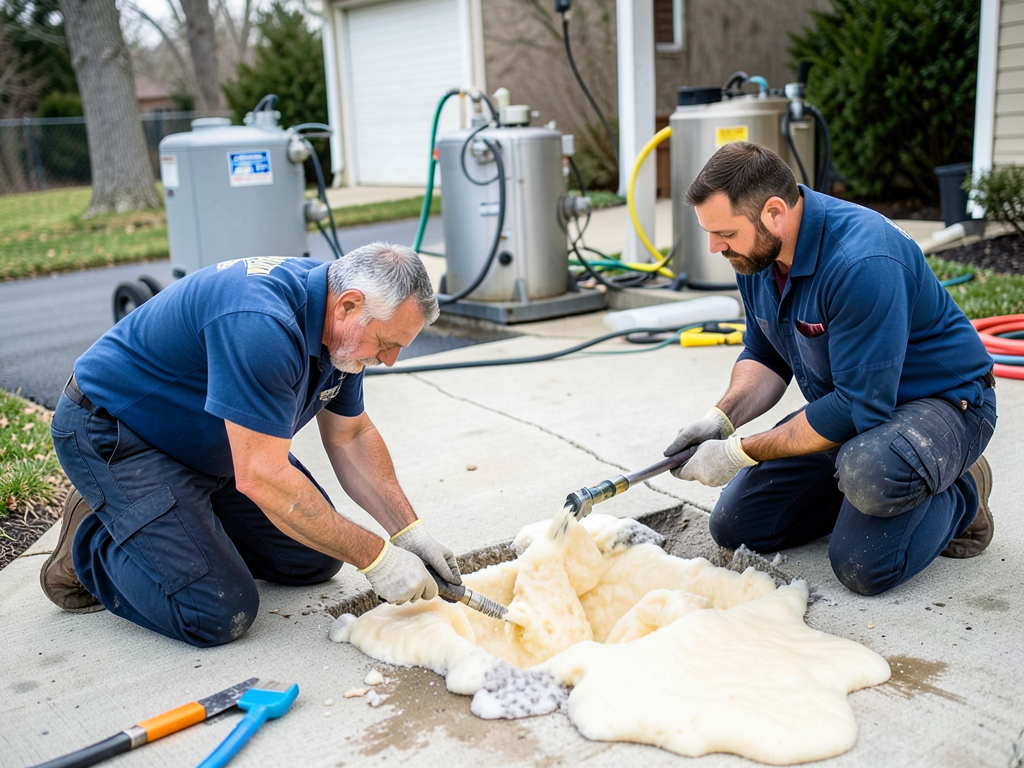
What Happens When a Water Main Break Erodes the Soil Under Your Mason City Driveway When a water main breaks beneath your Mason City driveway the damage happens fast. High-pressure water blasts through the soil…
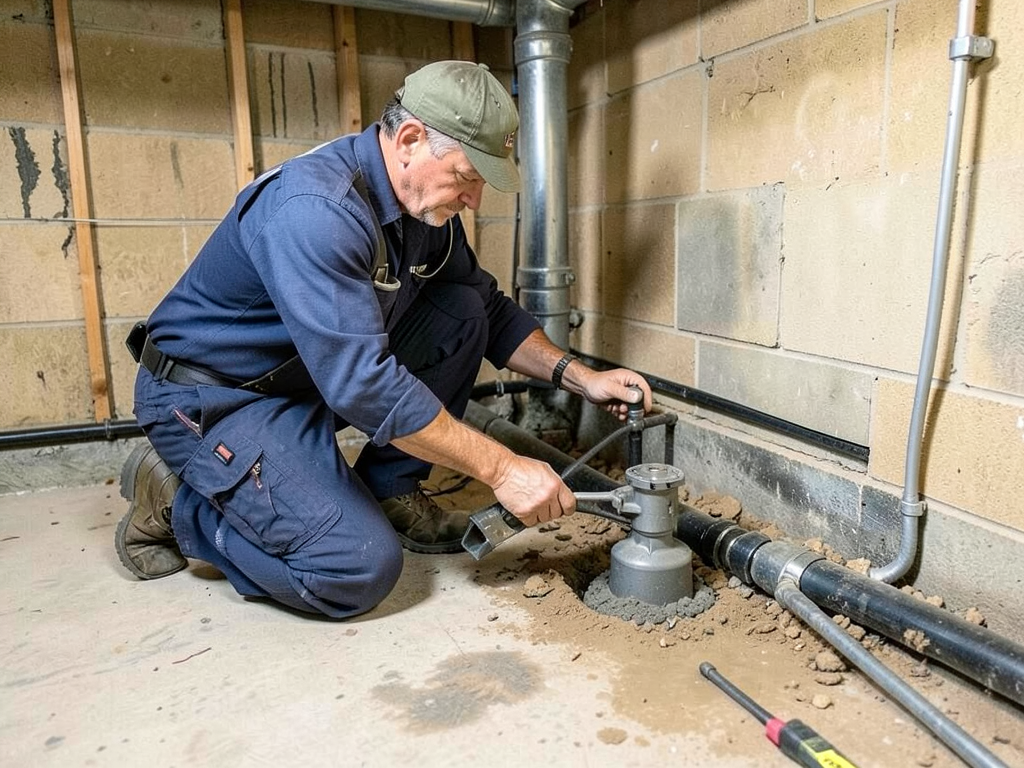
Comparing Interior vs Exterior Waterproofing for Your Central Park Basement Living in Central Park means…
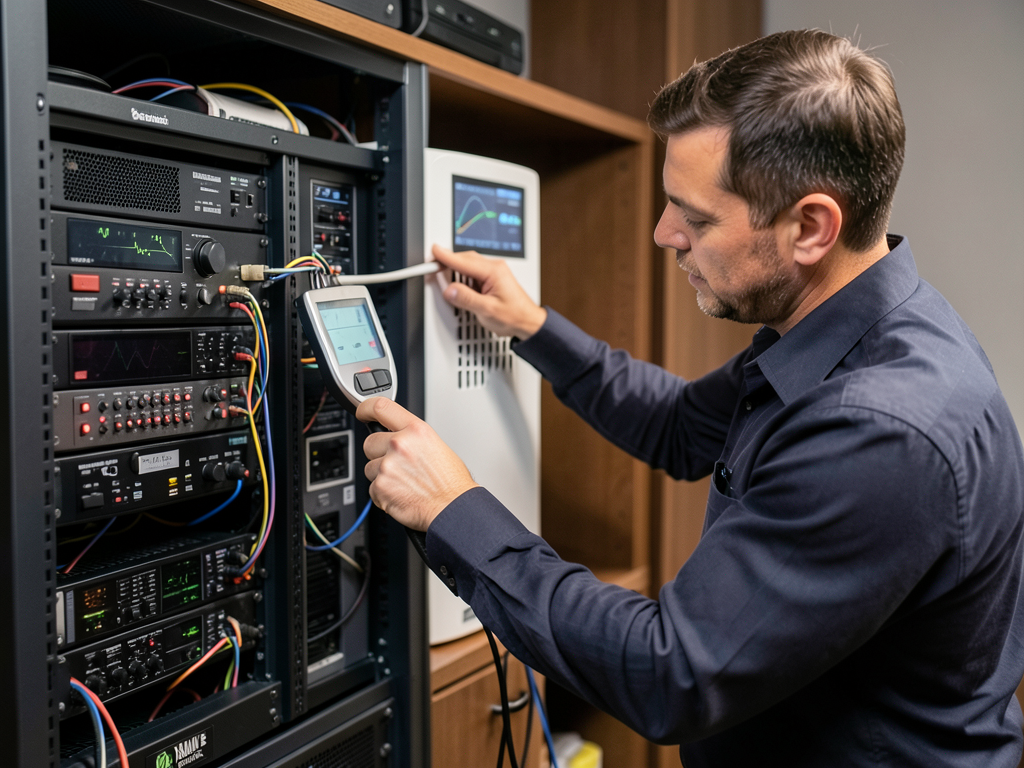
Keeping Your Rising West Princeton Home Theater Dry and Mold Free Birmingham’s humid subtropical climate…
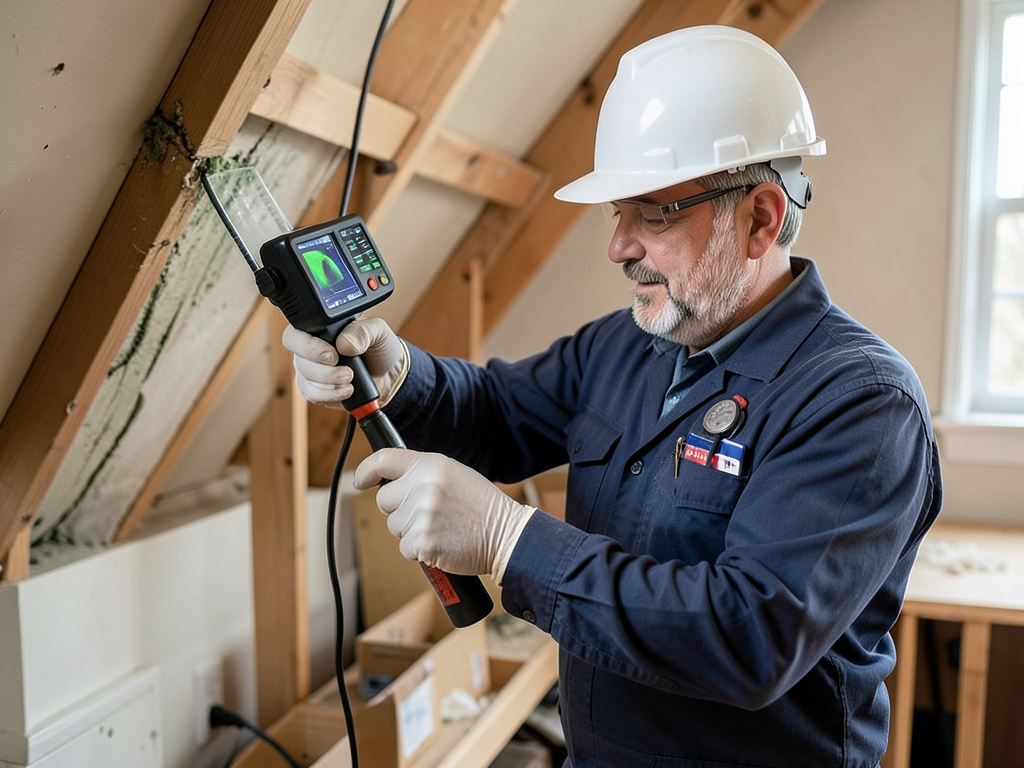
How High Humidity and Birmingham Pollen Create the Perfect Storm for Attic Mold in Airport…
Stop the damage before mold appears. Our crews respond 24/7 to extract water and dry your Vestavia Hills property completely. We work directly with your insurance and guarantee mold-free results. Call (659) 234-8188 right now.